
Please consider supporting The Front Page with a paid subscription: HERE
Leena Kutti would rather talk about the trove of Beatles’ material she discovered 38 years ago in a basement than her own artwork.
She found the boxes of Beatles’ papers and photos in four bankers boxes in a basement of the New York City publishing house G.P. Putnam’s Sons, where she was working as a temp.
The papers had been forgotten after the death of their owner, the Beatles’ longtime manager Mal Evans, who had been working on a book. Leena got a message to Yoko Ono, who lived in the city, and made sure the papers were returned to the Evans’ family.
Recently, a single sheet out of those four boxes of papers, a handwritten set of lyrics for “Lady Madonna,” was offered for sale for $3 million.
Leena’s own paintings and prints and drawings hang from the walls of her house in Cambridge, lean against each other in an upstairs room and are packed in stacks of boxes without tops.
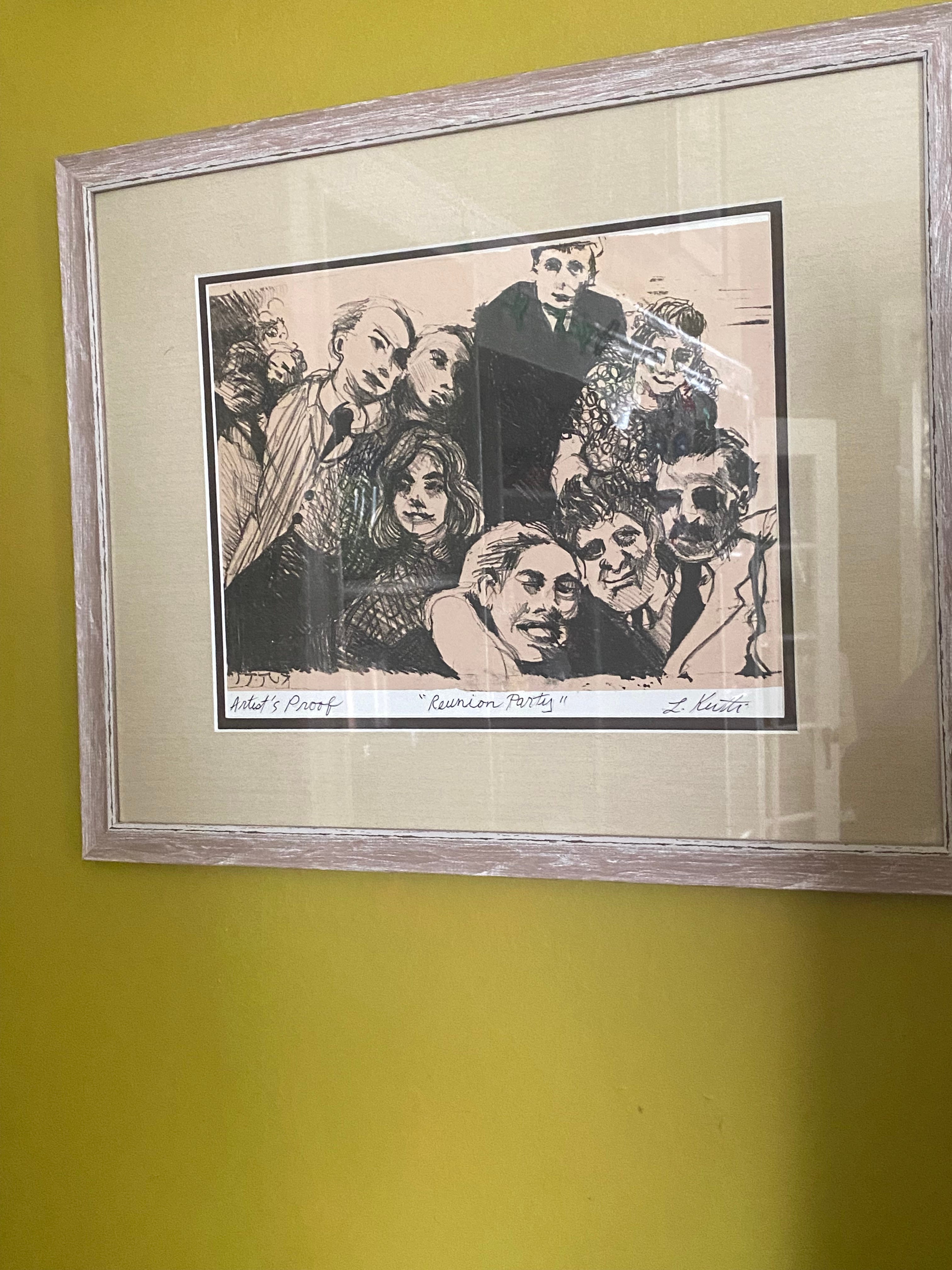
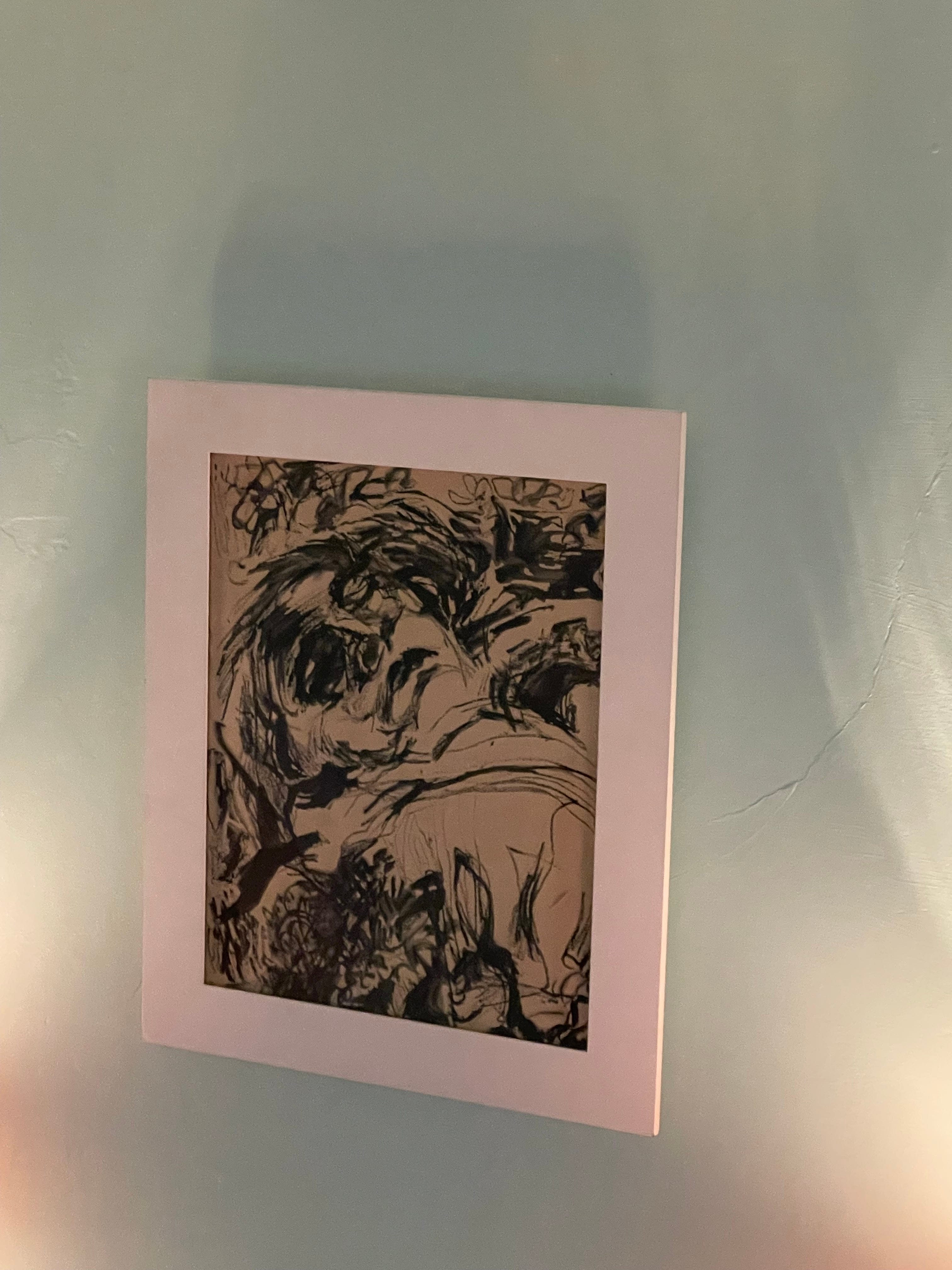
Two years ago at the annual LARAC members show, I noticed one of her prints, “Reunion Party,” showing a group of friends, smiling, arms around each other, looking nostalgic and reflective. I bought it for $125.
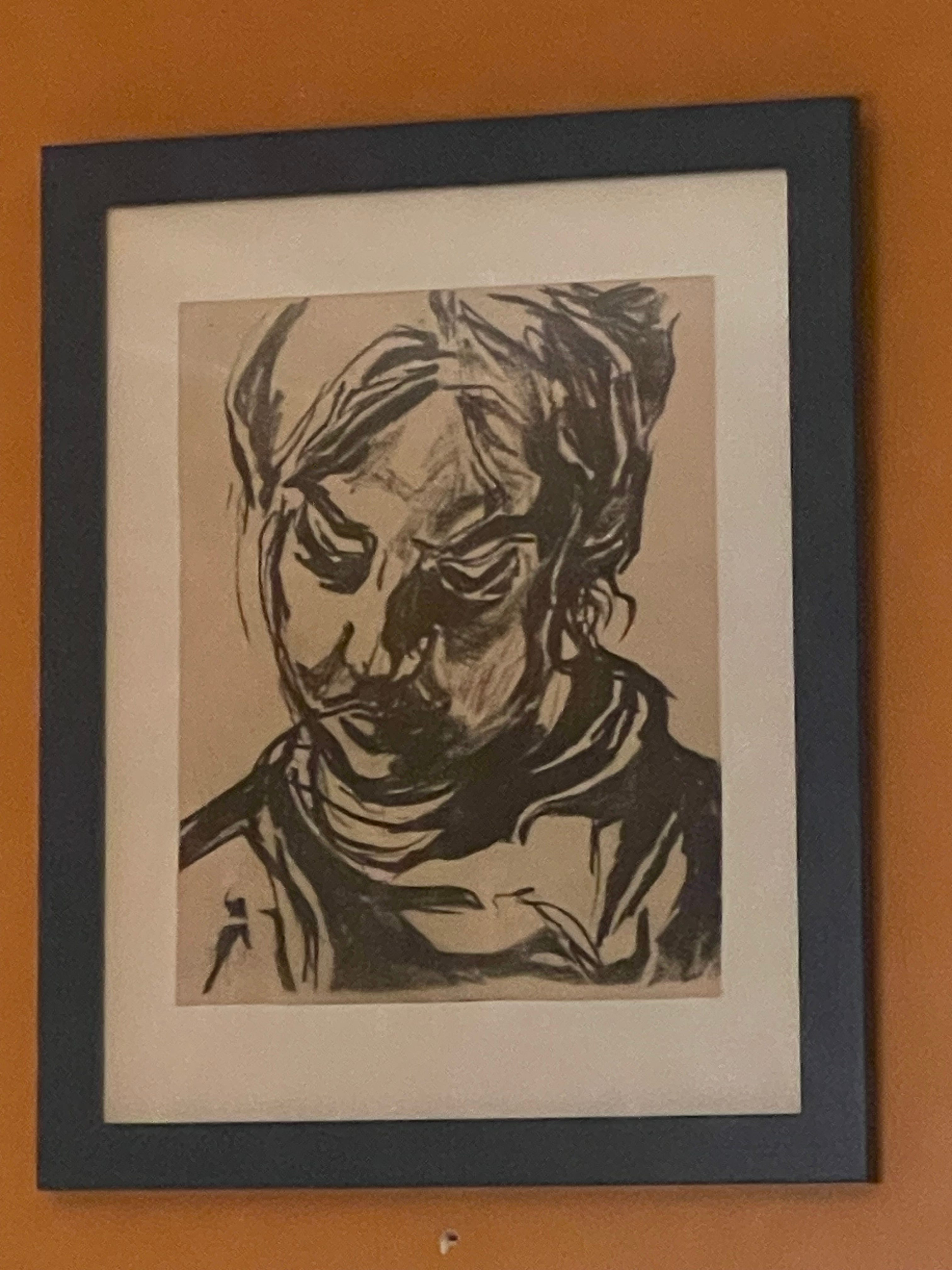
I bought another one for a similar price at last year’s show. It is called “Portrait” and shows a woman looking down, eyes hidden, a small smile on her face, half obscured by shadow.
The prints made me curious about the artist, so I called her. We talked for an hour, mostly about the discovery of the Beatles papers and the artwork of her ex-boyfriend, Barry Sigel, whom she lived with for years in New York and who died in 2017. I should be writing about him, she said.
I drove out to see her a couple of weeks ago, meeting at the post office in Cambridge and following her up and up winding roads to her house on a hilltop. Her three horses sashayed out into the sun from their run-in sheds in the paddock as we stood outside.
Inside, she told me about how her mother, pregnant with her, fled Estonia in 1949 with her 1-year-old daughter Tiina shortly before the Soviets shut down the border. Leena’s father, who had planned to fly out with a relative who was a pilot, was trapped in the country and, because he came from a capitalist landowning family, was sent to a gulag.
Leena was born as a refugee in Czechoslovakia; spent five years with her mother and sister in a displaced persons camp near the Austrian border in Germany; traveled by U.S. Navy transport ship to Ellis Island, where her sister was quarantined in an infirmary for several days because of a rash; and ended up at a Lutheran-run compound outside Baltimore, where she and Tiina lived in the orphanage and their mother in the adjoining old age home, where she worked in the kitchen.
Leena went to the Pilgrim Lutheran school there, then to public school starting in fourth grade when the family moved to Dundalk, an inner-ring Baltimore suburb. Her mother took a job in a meatpacking plant.
Leena attended Maryland Institute of Art in the city, and after graduation spent years working her way around the country—as a punched card data collector, gallery-sitter, stock girl at a Zayre discount store, personal assistant for the doyenne of a high-society gala, documentary film production manager, steam presser at a commercial laundry, fruit stand entrepreneur, head of subscriptions for Credit Suisse 1st Boston and at dozens of other jobs that lasted days, months or years in New York, San Francisco, Boston and elsewhere.
She traveled light, often hitchhiking, hanging out with artists and, occasionally, drawing and painting.
“I’ve had so many adventures and some of them crazy. I haven’t told people some of them,” she said.
She visited Estonia in the 1970s, before independence, and met her father for the first time in her life. Trailed by two Soviet minders because he was meeting with a foreigner, his first word to her was “Kurat!”—an Estonian curse aimed at his shadowers that can be translated as “the devil!” (or something earthier.)
She spoke to me in Estonian as she told the story, repeating what her father had said, then translated it: “They would wipe your ass for you if they could.”
Because her family had been educated landowners in Estonia, both of her grandfathers, one of them a judge, were taken away by the Communist authorities and never seen again. Her politics can be conservative as a result, and that has caused some conflicts with friends, she said with a shrug.
She went back to Estonia in the early 2000s with a friend. Independence had come in 1991, just in time for her father to witness it. He died in 1992.
“We rented a car and drove everywhere we wanted. It was night and day, night and day,” she said of the trip.
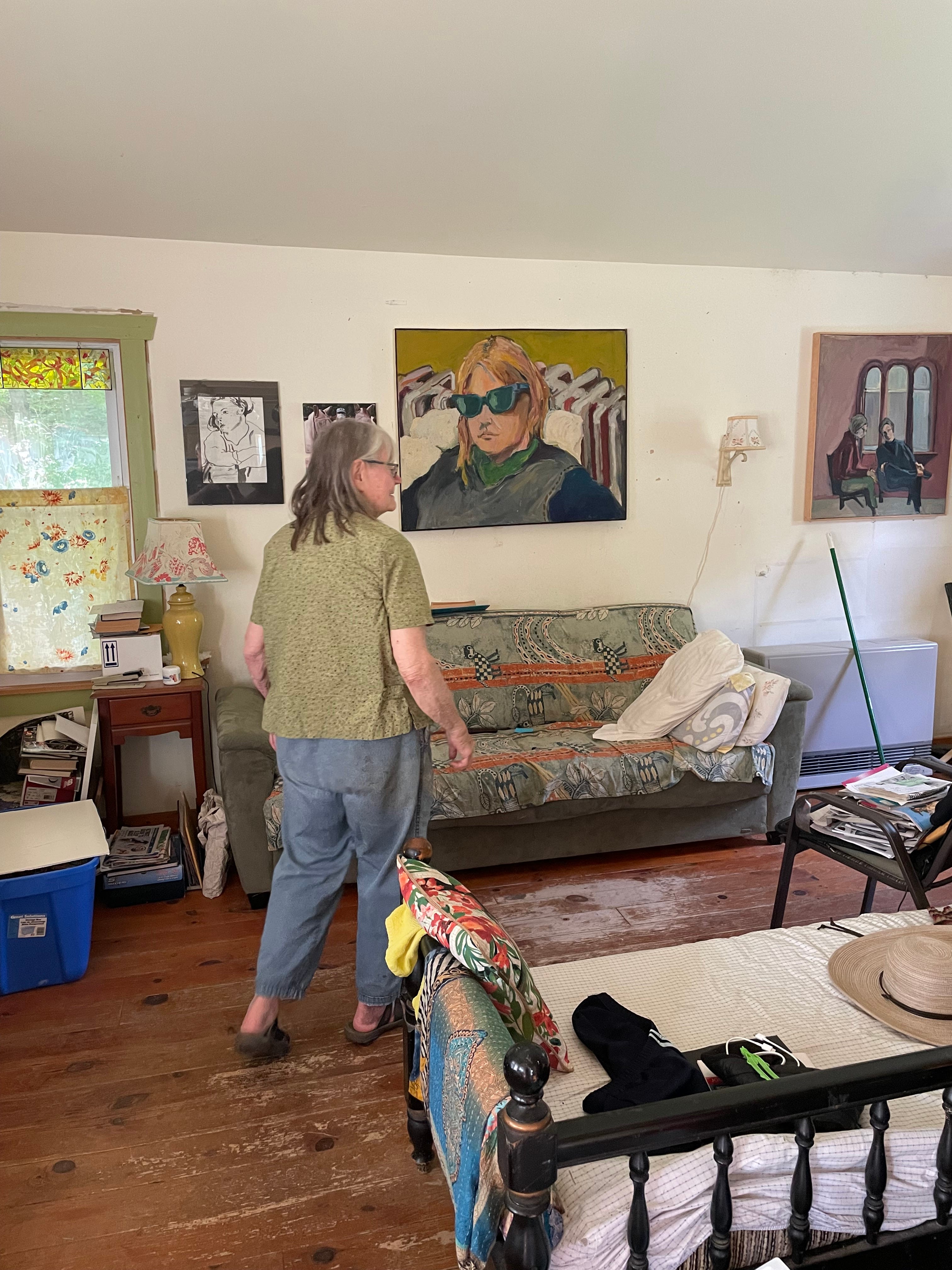
She is 81 now, physically sturdy and mentally engaged, although her conversation over the course of an afternoon was as circular as her wanderings.
In the house, I noticed a picture amid the clutter that reminded me of the one I’d bought of the young woman looking down and smiling. It was called “Portrait While Dreaming,” and the woman in this one was older, her eyes closed, her mouth turned down.
“Take it,” Leena said.
“No, I can’t do that,” I said.
“I want you to have it,” she said.
“I like it very much. I’ll buy it from you,” I said.
“No. You like my work. I would rather it hang on your wall where people will see it than here on the floor. I don’t have anyone to give it to. I can’t sell all this,” she said.
Around the house, she had photos of herself from her youth and paintings other artists had done of her. She looks different in different pictures, depending on the style of the portrait and the light and angle from which it was taken.
It occurred to me that “Portrait” and “Portrait While Dreaming” could be pictures she drew of herself at different times in her life. But they aren’t.
“When I do the portraits I don’t like to give them names of the people. I just want them to be good pictures,” she said.
“Portrait” is of a friend, she said, and “Portrait While Dreaming”—“I don’t even know who that is at this point.”
All three pictures are intriguing. Are the people in them sad or happy? When I gaze at them, I make up stories about what the people are thinking or dreaming at that moment and what their lives are like—more settled and sedate than their creator’s has been, I imagine.
Here is a poem by Hudson Falls poet Richard Carella:
Text within this block will maintain its original spacing when published
Birth Words (For Bethany)
Text within this block will maintain its original spacing when published
Death is in us, waiting to be born; his seed
Text within this block will maintain its original spacing when published
was planted in us,
Text within this block will maintain its original spacing when published
before we knew he was– and before we knew
Text within this block will maintain its original spacing when published
that we were; and
Text within this block will maintain its original spacing when published
though he knows it isn’t time, yet, for him,
Text within this block will maintain its original spacing when published
as well as us; he
Text within this block will maintain its original spacing when published
dreams of his delivery: and we have felt him stir.
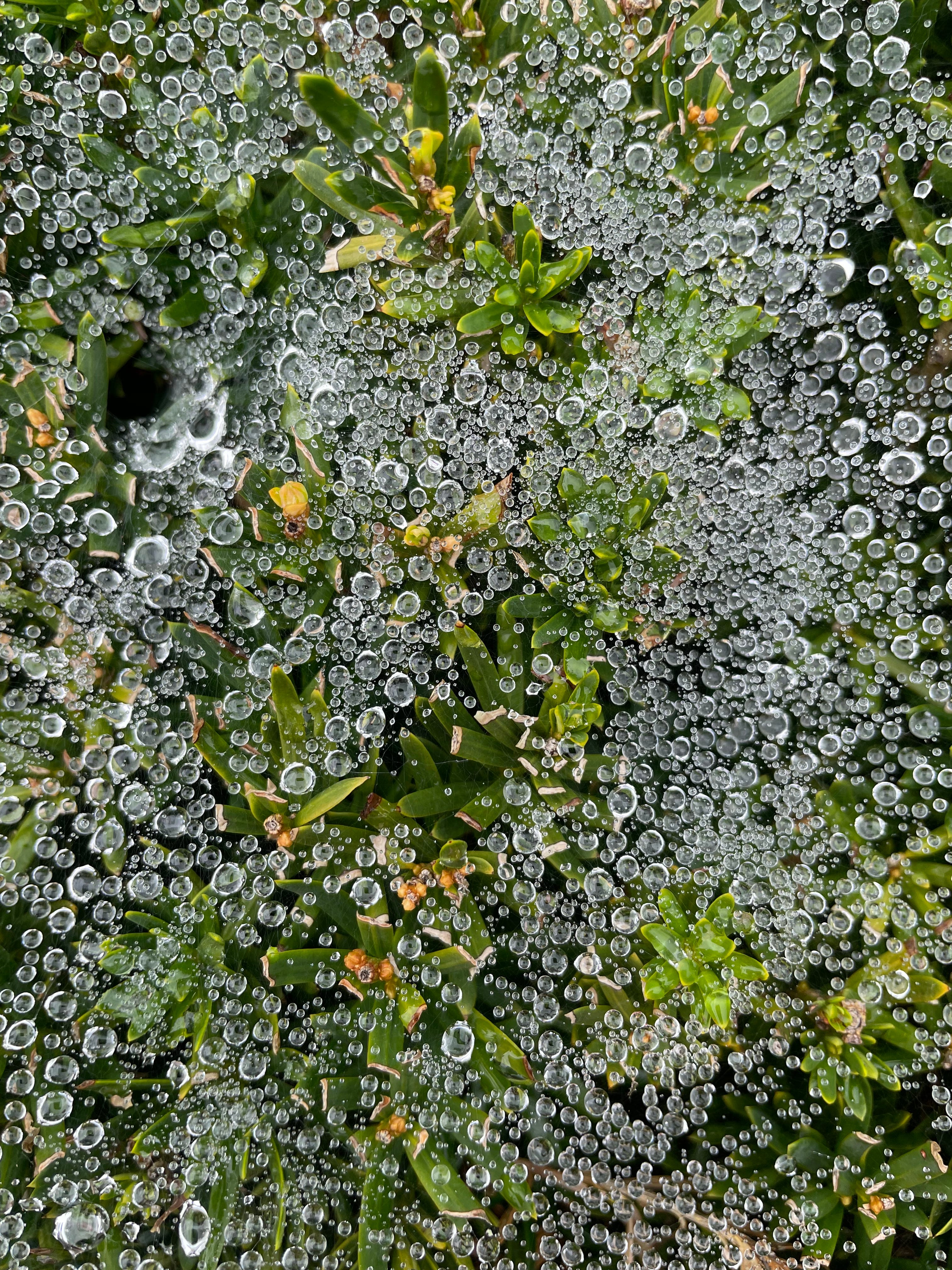
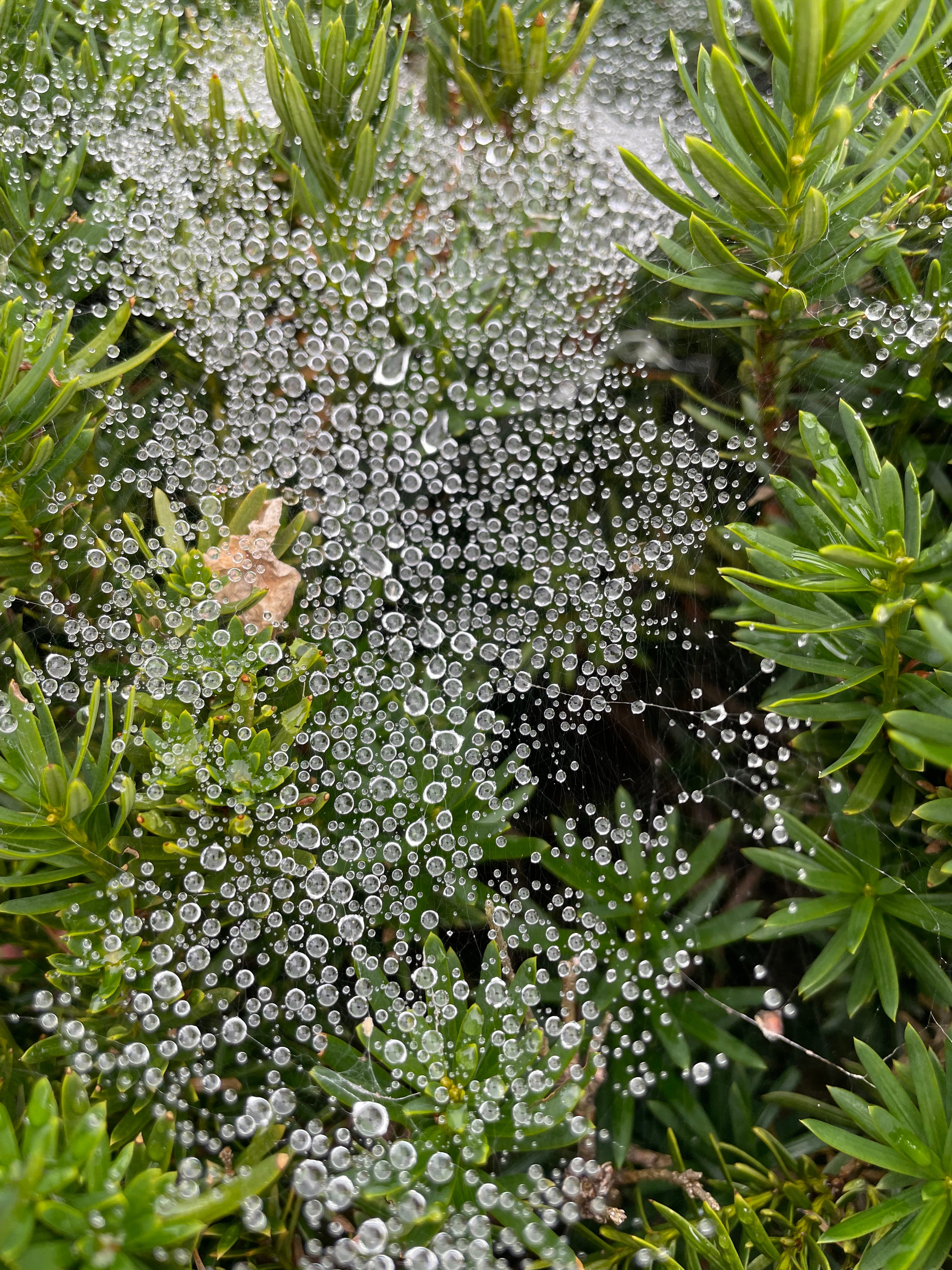
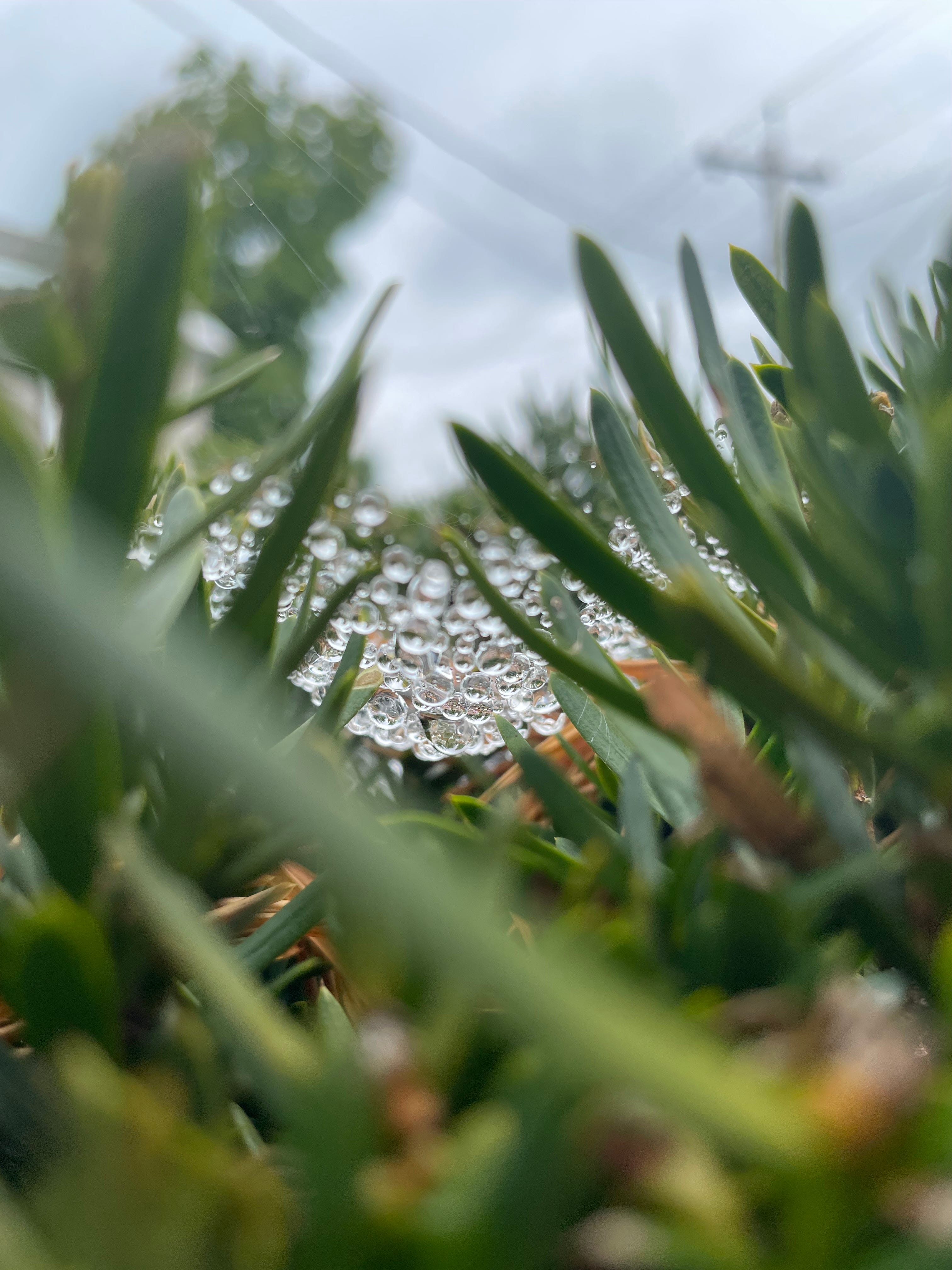
After a hard rain this past Monday (Aug. 17), the sun came out, and I noticed that water droplets had collected on the webs spiders weave on the tops of the evergreen bushes that stand on either side of our gate. The sun shining on the bushes created displays of hundreds of jewel-like drops, hanging from invisible threads.
No posts
Comments
Nothing yet. Say the first thing.
Sign in to join the conversation.