
June 17, 2026
Waiting for rain. But finding only betrayal. Like virga—the broken promise of rain.
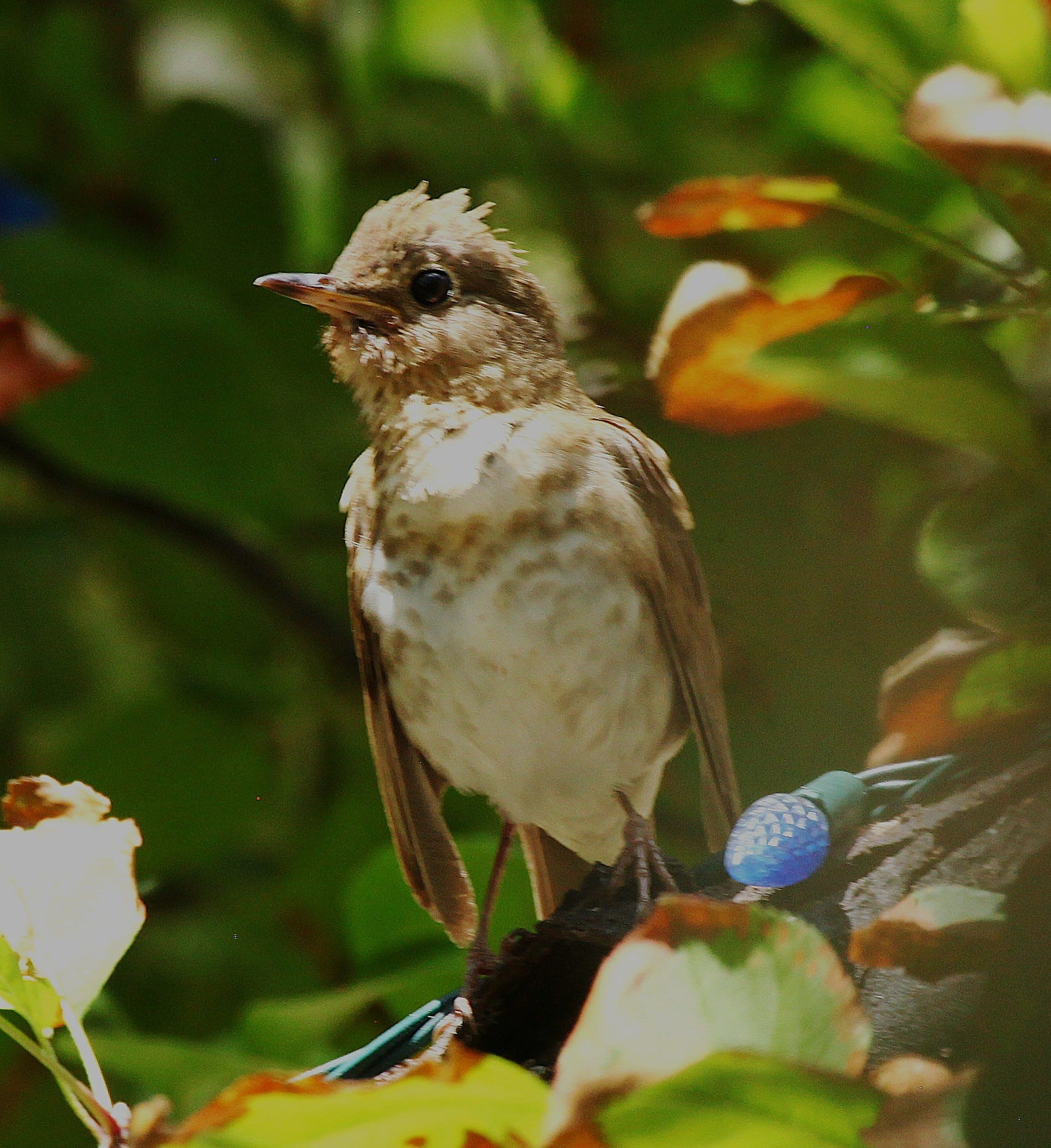
This morning, a small spotted thrush darts off the porch and lands in the apple tree, then turns toward me and my camera. Swainson’s? I don’t see the rufous tail of a hermit thrush, which seems more likely in the middle of June.
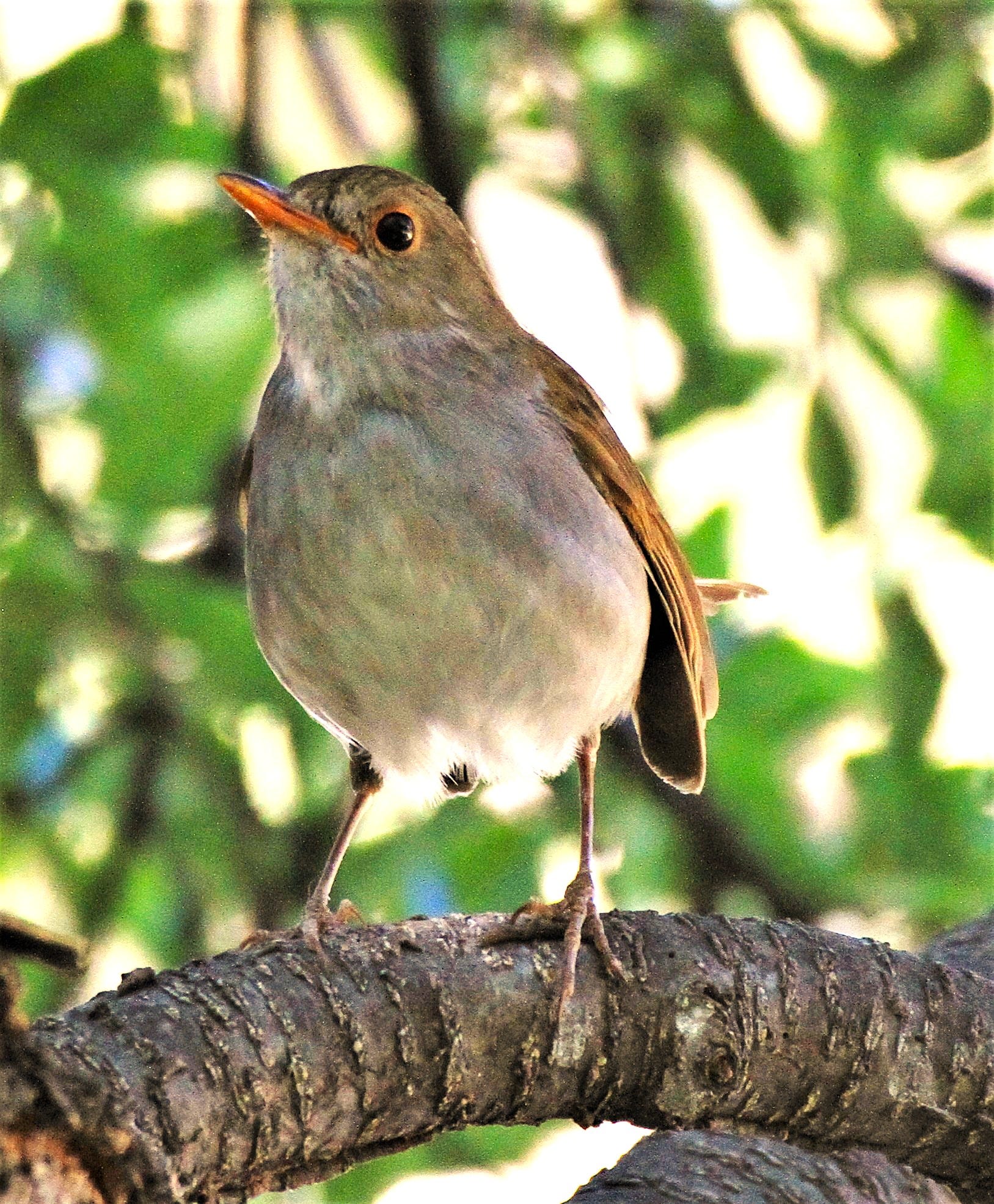
And now I’m thinking of another thrush in the same apple tree almost four years ago to the day. That stunning thrush with the orange bill that visited for three minutes and 68 photos, that astonishing first state record that drew scores of hopeful birders to sit quietly in my yard with their disappointment because it never returned…
Like that other thrush, the Swainson’s shouldn’t be here. At least in summer. Swainson’s thrushes are long-distant migrants, leaving their wintering grounds in Central and northern South America in early spring to breed in the Pacific Northwest, Canada, and Alaska. The one that visited my yard in May was gone in a week.
Maybe, as I learned recently, this one is only headed for the subalpine spruce-fir forests of eastern Arizona’s White Mountains to nest at the southernmost limit of the species’ breeding range. I was just there last weekend, listening to their liquid, whirling fluting.
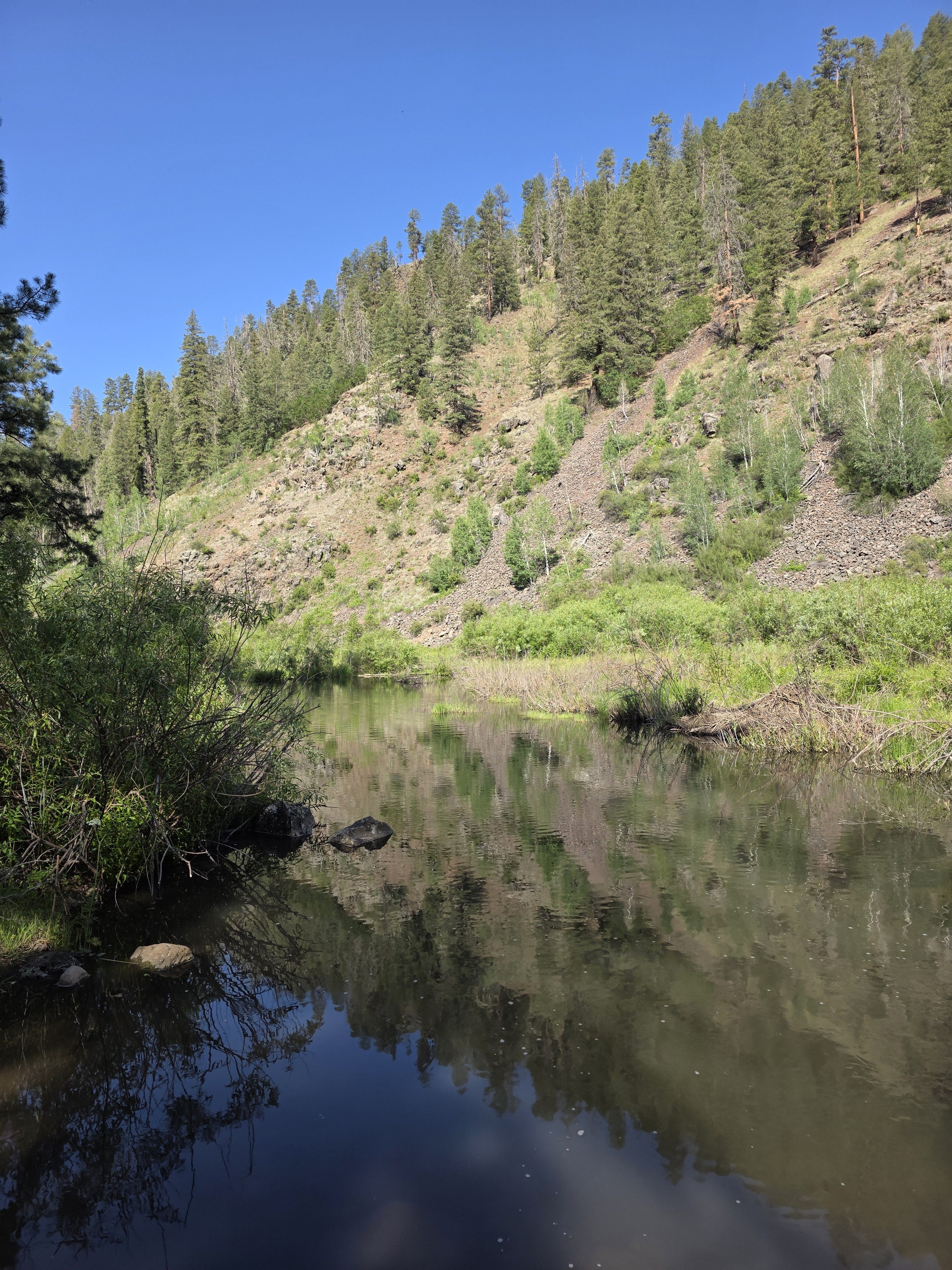
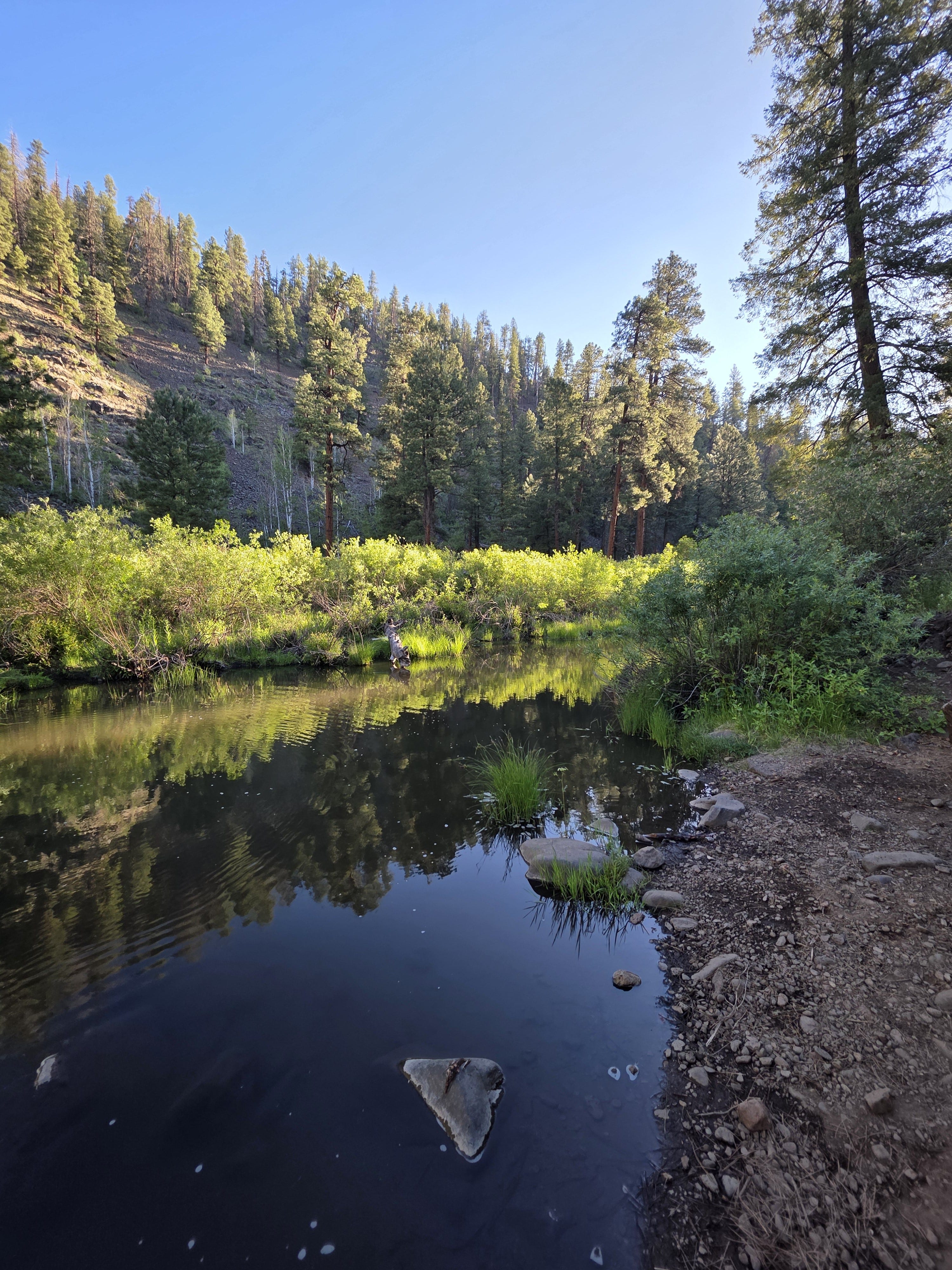
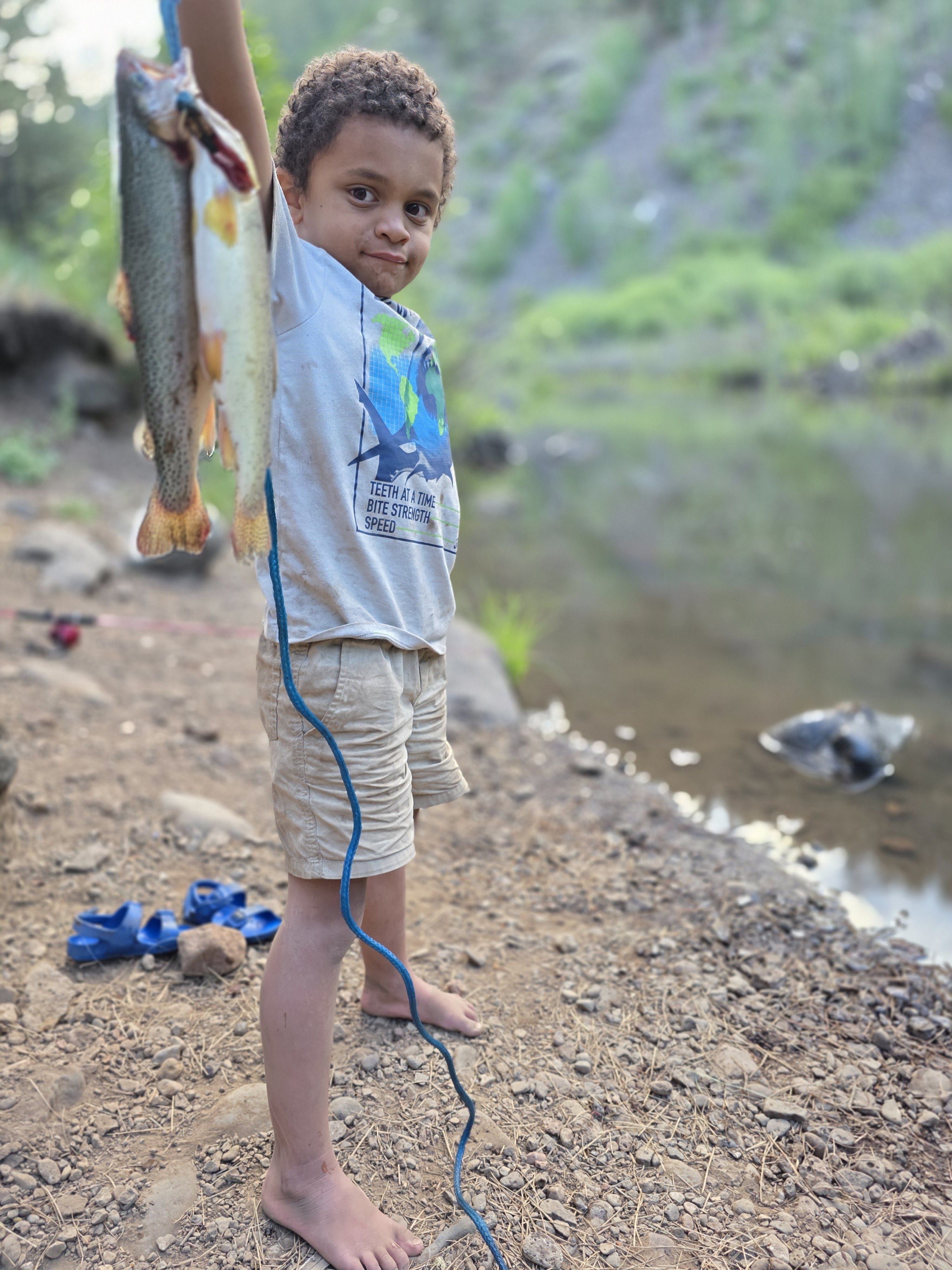
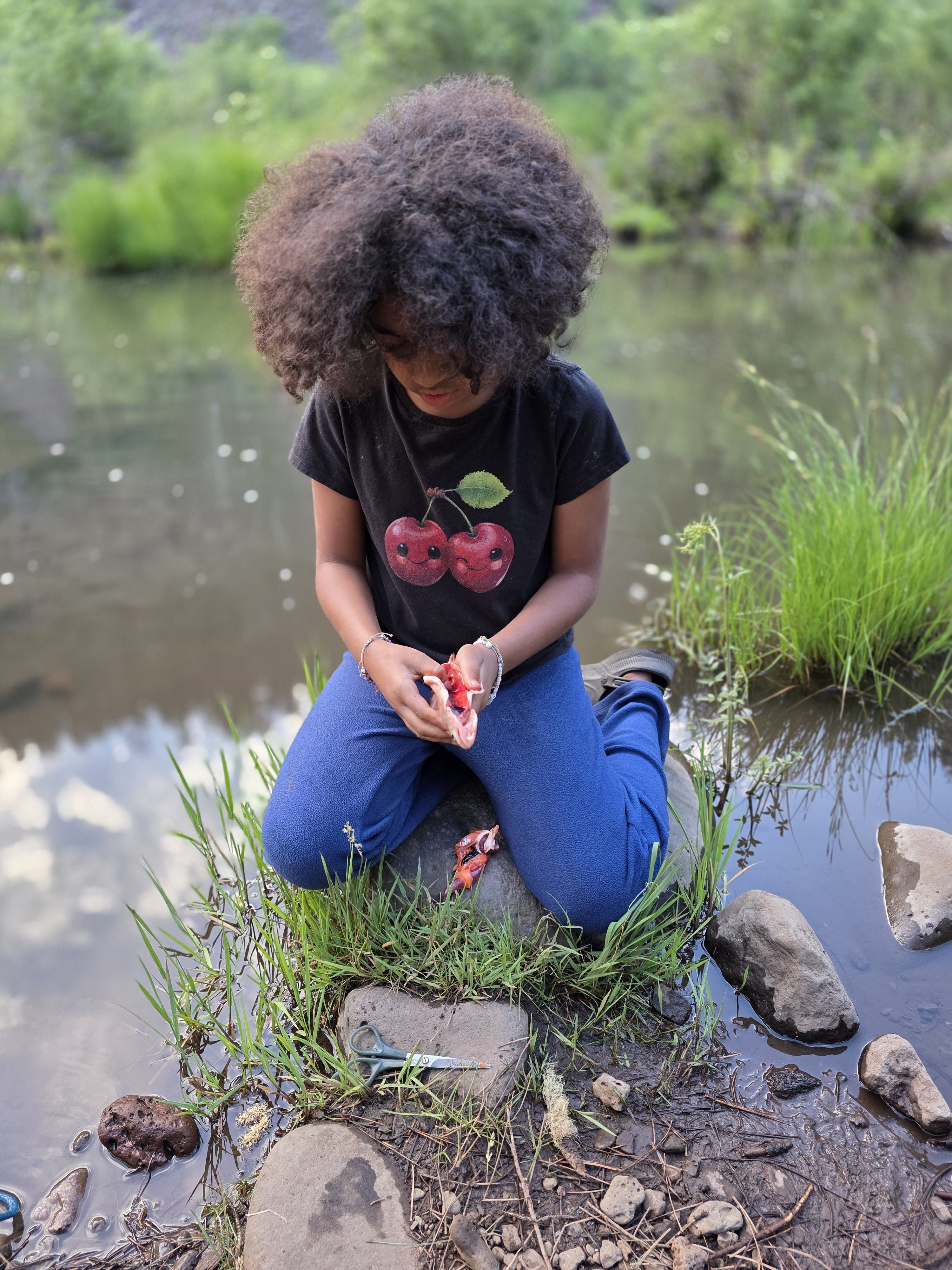
I joined the Middle Daughter and her family on the East Fork of the Black River for a few days of tents and campfires, wilderness treks and wild stories and wilder fishing with grandkids Gia and Zion. We ate trout and watermelon! Trout and pancakes!
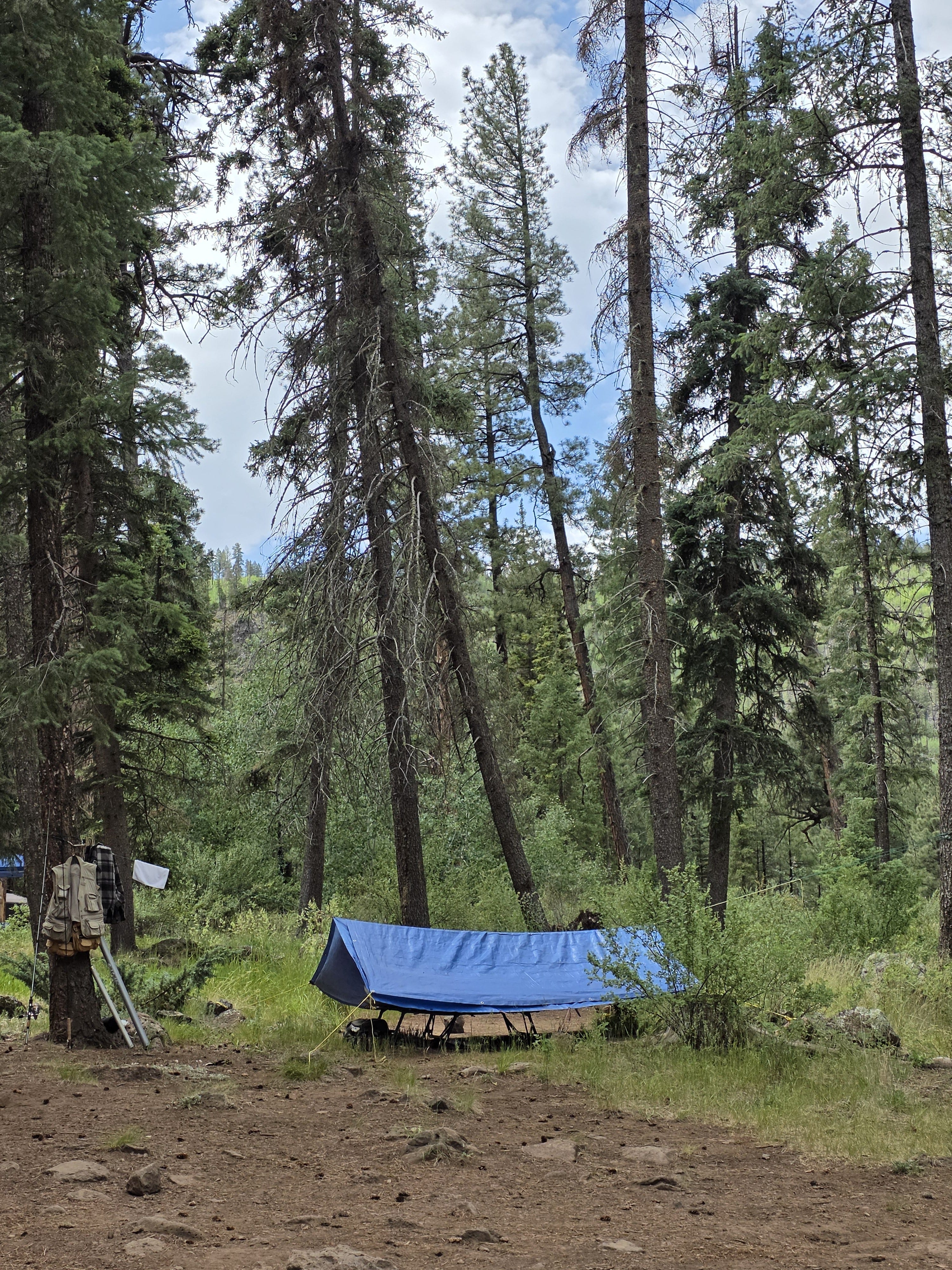
After dark, tucked into my sleeping bag beneath my tarp, I listened to a Mexican whip-poor-will calling from the river (a rarity for the area), my head in a “cold fog fragrant with the terps and esters of high-elevation evergreens,” as my friend Bob Pyle says about the Pacific Northwest. I was reading his book, Where Bigfoot Walks: Crossing the Dark Divide, about his search for Sasquatch and the need for something to believe in, which felt appropriate for the place.
For indeed, even in Arizona, in the dark forests where we were camped, we have our own Bigfoot. The Mogollon Monster.
I first heard about it while camping one rainy night with my Navajo friend, Larry Begay, who said there was one nearby at Hon-Dah on the Fort Apache reservation. “People found tracks in the snow, and a woman named Mary May Harvey saw it looking through her window.”
Bigfoot here. In the White Mountains. The so-called “Mogollon Monster,” which witnesses first reported in 1903 as an eleven-foot creature having “long white hair and matted beard that reached to his knees.”
Mary May’s story brought in TV crews, according to Larry. Bigfoot hunters. They interviewed residents, took some pictures. “But they spent more time at the casino drinking at the bar than looking for Bigfoot.”
Bob favors listing the new species of primate under the Endangered Species Act.
I’m with Bob. I’m a believer.
It has begun to rain.
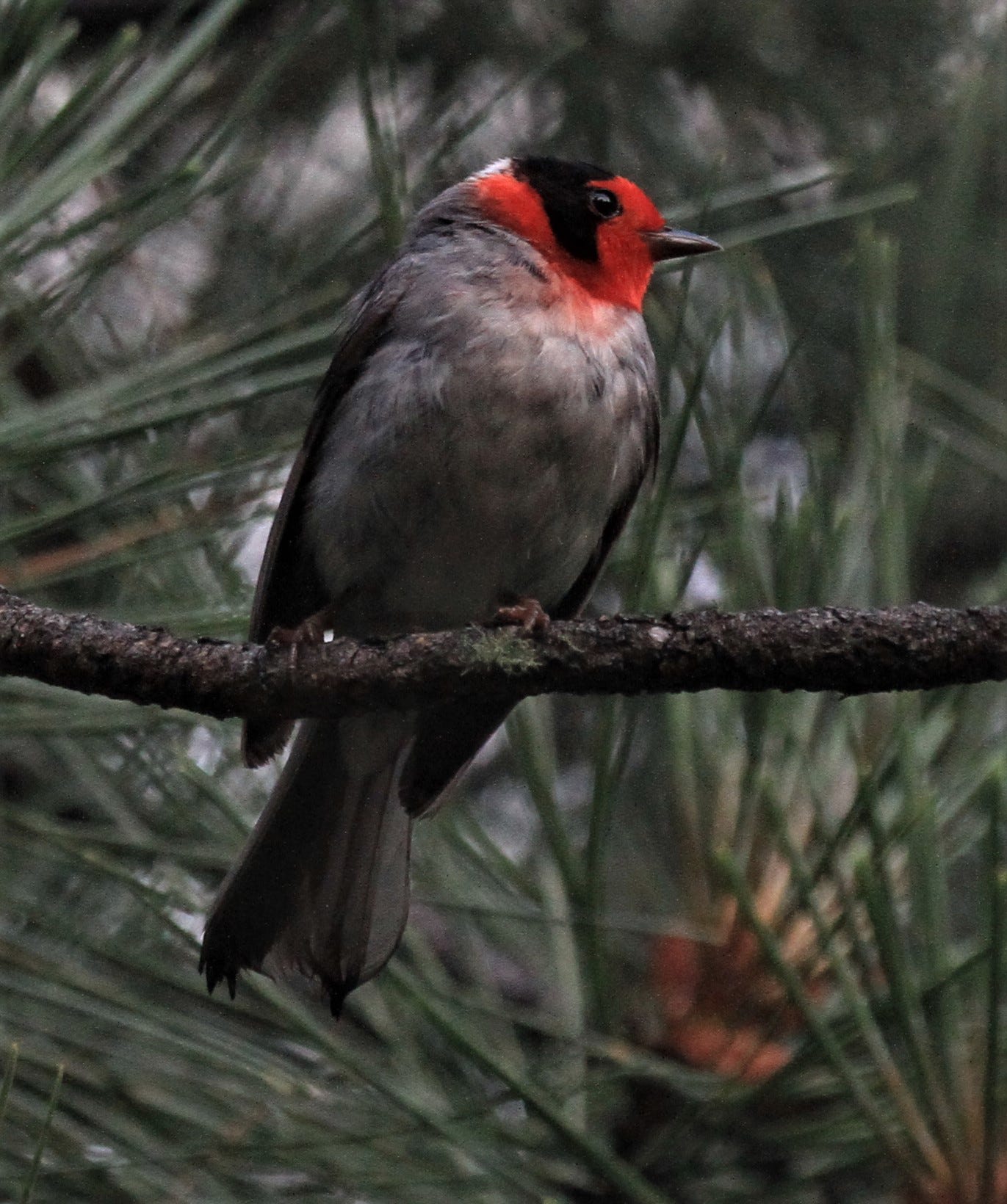
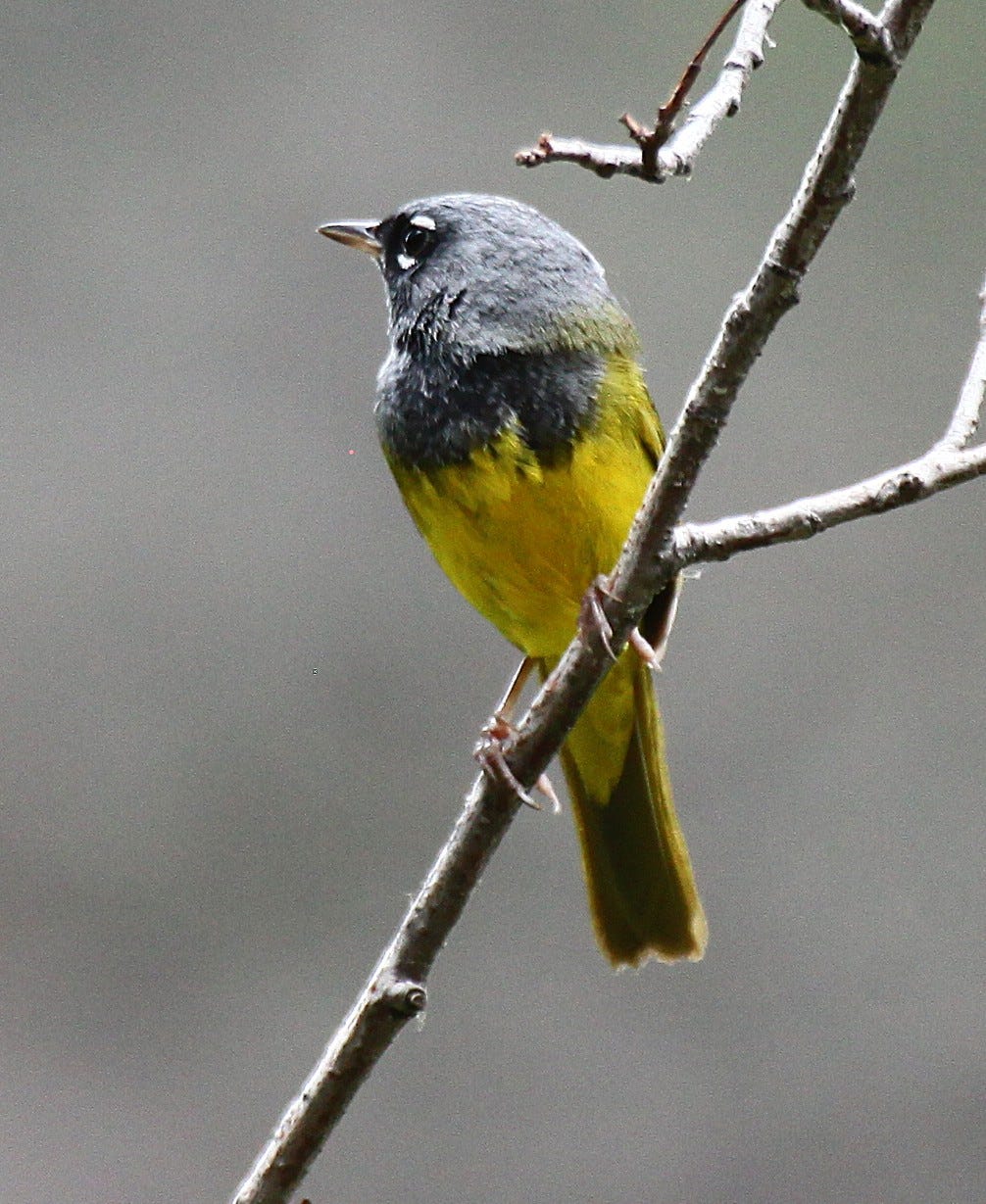
Thanks for joining me in the Big Yard! (And wherever else I wander off to…)
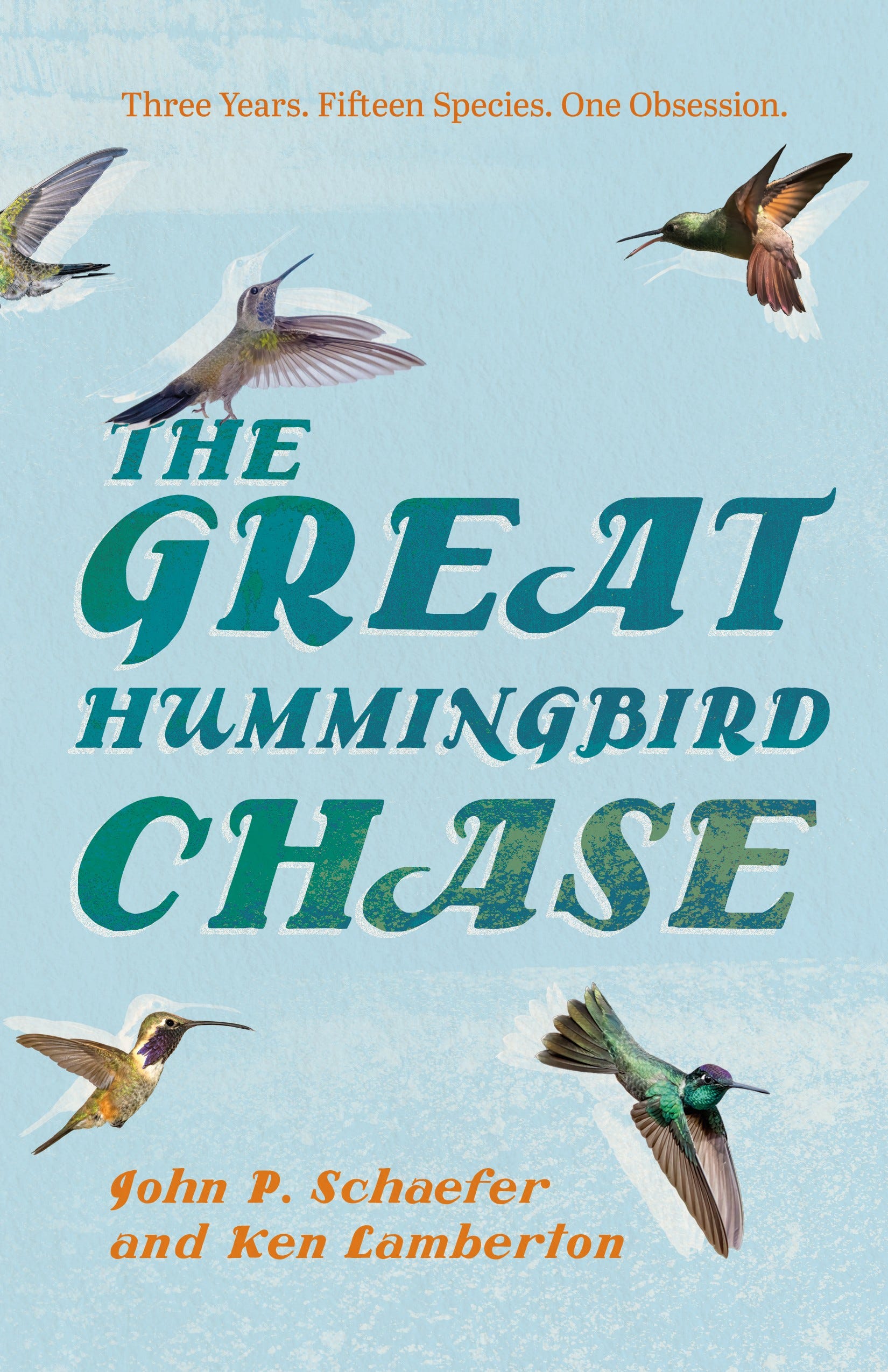
Some good news from the University of Arizona Press this week: We now have a cover mockup!
See you next week!
No posts
Comments
Nothing yet. Say the first thing.
Sign in to join the conversation.