
Welcome to Second Helping, the weekly newsletter that analyzes food trends and news. Written by Good Food digital producer Elina Shatkin.
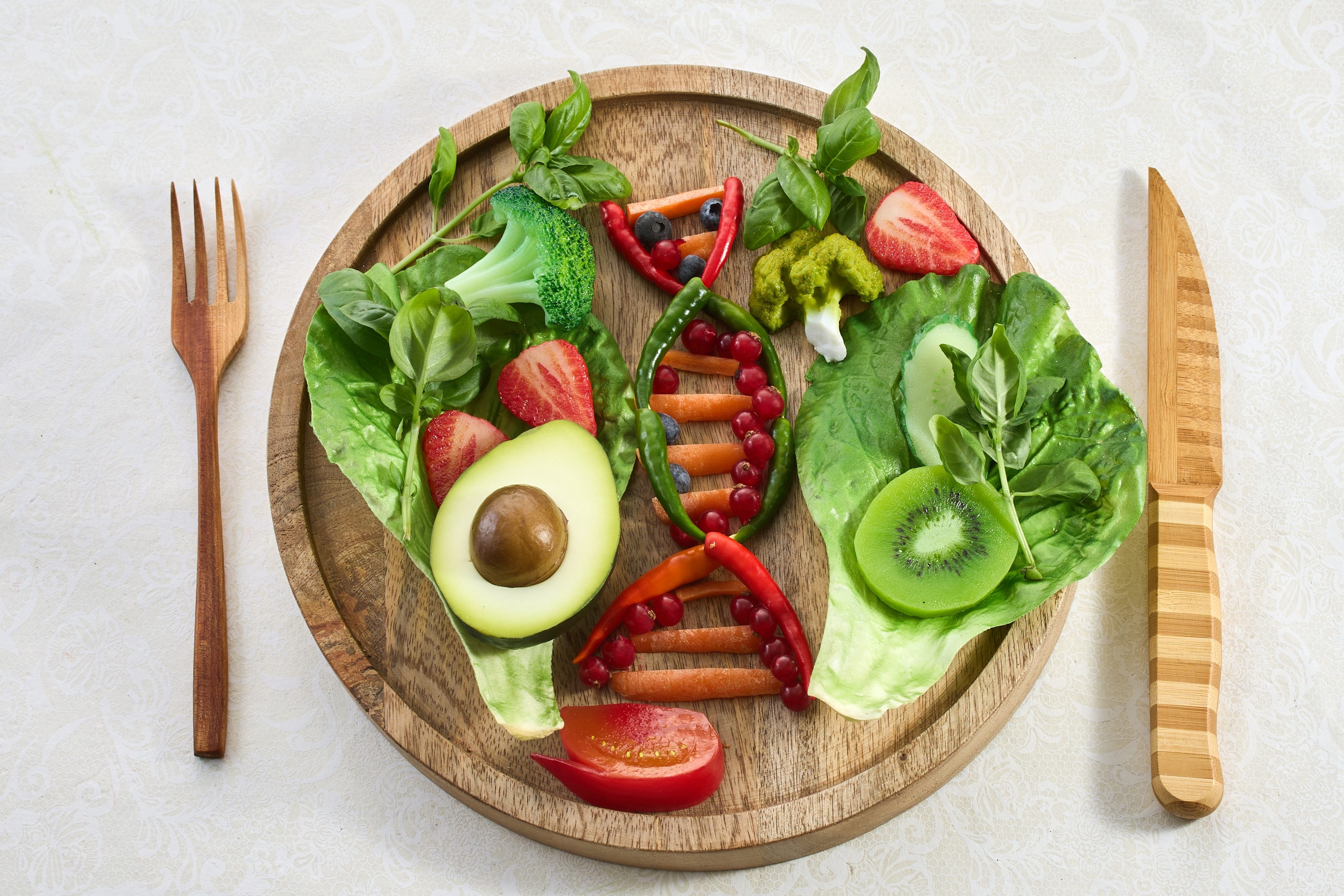
Peaches without pits. Blackberries that won’t leave seeds in your teeth. It may sound like sci-fi, but ag-tech companies are racing to make it real. They’re developing all sorts of veggies and fruits using the gene-editing technology CRISPR, which was invented in 2012. In the next few decades, the world will need to grow a lot more food on less land and with less environmental damage. CRISPR is being pitched as a way to help feed a warming planet with fewer chemicals, less deforestation, and a smaller carbon footprint.
So far, the results are more hype than hope. Pairwise’s less-bitter mustard green flamed out within a year. Its only crop currently for sale is a specialty blackberry sold in limited quantities in Colombia. But that’s likely to change. One exec predicts that within 10 years, nearly EVERY new produce variety will carry edited genes. The wildcard is us. CRISPR hasn’t yet triggered the “Frankenfood” backlash that dogged GMOs, and regulators have largely bought the argument that it’s just sped-up breeding. That grace period may not last. But maybe we’ll have crispier lettuce, courtesy of CRISPR.
For every hobby, interest, lifestyle choice, and subculture, there’s an influencer. That includes tablescaping, the practice of styling and decorating a dining table as an art form. These hosts don’t simply throw dinner parties by inviting friends and laying out a tantalizing spread, they create elaborate “tablescapes” with anthurium arrangements, taper candles woven through ivy, and lamps flown in from Marrakesh. Themes might include circus glam or a cozy night in. Food is a supporting actor, if it shows up at all. Turns out the secret ingredients for a great dinner party circa 2026 are Partiful and a brand deal.
The FDA finally moved to close the notorious “GRAS loophole,” the decades-old rule that lets food companies self-certify thousands of chemicals as safe by using their own data, without independent review or ever notifying regulators. On August 10th, HHS Secretary RFK Jr. said he was closing the loophole “once and for all” by requiring companies to notify the FDA whenever they declare a new ingredient “generally recognized as safe.” But the fine print tells a messier story.
The new rule only makes companies notify the FDA when they self-declare an ingredient safe. It still doesn’t require independent review before products hit shelves. It doesn’t touch the additives already in your pantry, and companies can keep selling while their paperwork is pending. Food-policy watcher Marion Nestle calls it a real but modest win, while consumer groups say it “lacks substance.”
And it’s not happening in a vacuum. Lobbying on the issue has nearly tripled since Kennedy ordered the review, in March 2025, with industry groups pushing a rival bill that would retroactively bless existing GRAS ingredients and wipe out tougher state-level food safety laws.
TLDR: The loophole isn’t closed, it’s cracked, and the fight over how wide to reopen it is just getting started.
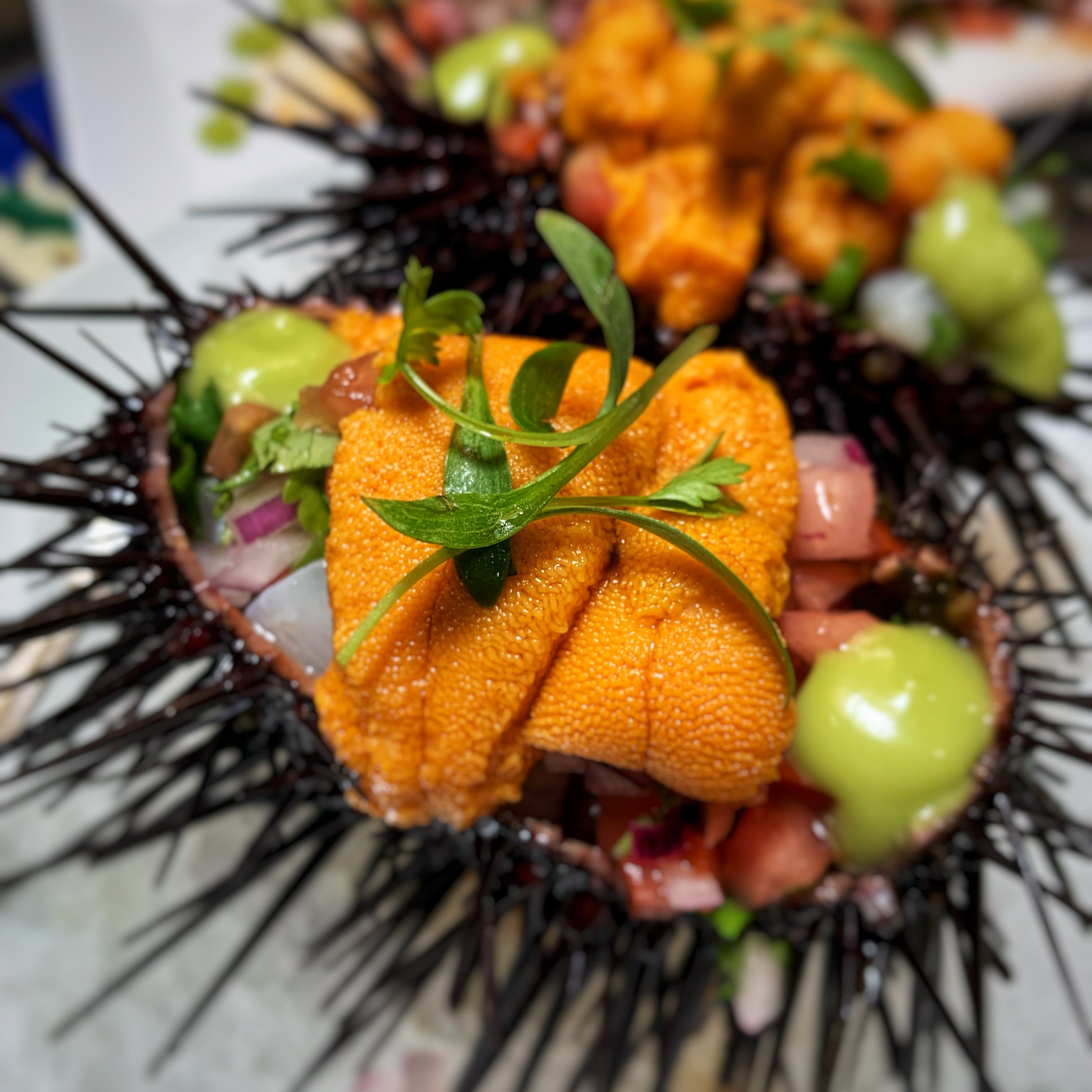
The New York Times published a sweeping tour of Mexican food across the United States, listing what the paper’s writers think are the 41 best Mexican restaurants in the country. Three of them are in Los Angeles:
Lugya’h, chef Alfonso Martinez’s spot inside Maydan Market, spotlights Oaxacan cooking, from memelas to a moronga (blood sausage) recipe passed down like a family heirloom.
Boyle Heights institution Mariscos Jalisco gets singled out as the definitive one-stop taco truck thanks to Raul Ortega’s fried shrimp tacos, inspired by his hometown of San Juan de Los Lagos, Jalisco.
South LA’s Mercado La Paloma earns a mention for Gilberto Cetina’s acclaimed Holbox mariscos and Fátima Juárez’s heirloom corn obsession at Komal.
Down in Oceanside, a bit north of San Diego, Valle rounds out the Southern California roster with chef Roberto Alcocer’s tasting menu built around Baja’s Valle de Guadalupe wine country.
This summer’s cyclospora outbreak — likely the largest foodborne illness event in three decades, with nearly 11,800 cases nationally — traces back to shredded lettuce from Taylor Farms in Mexico. That’s the same company linked to a 2013 outbreak that sickened more than 600 people.
Taylor Farms controls a staggering share of the market, selling 40% of U.S. salad kits and 265 million servings of vegetables a week. The company supplies everyone from Walmart to McDonald’s to Taco Bell. This level of market concentration is precisely the problem. When one company touches that much of the food supply, a single contamination event can sicken thousands of people. That same scale buys political power. Taylor Farms founder Bruce Taylor personally donated more than $1 million to Republican causes. Is it coincidence that company execs scored a White House meeting last month to get ahead of the outbreak narrative? Hmmmm.
The fallout from diarrhea lettuce has also hit Wall Street. Taco Bell parent Yum! Brands dropped 8% and saw foot traffic fall 20% even before the CDC officially linked its lettuce to the outbreak. Fast-casual salad chain Sweetgreen, which has no direct ties to the contamination, saw shares fall 29% because Americans are wary about eating fresh produce.
Someone in the frozen dessert industry missed the memo that “crunchy” is not a texture people want in their ice cream. Select flavors of both Outshine frozen fruit bars and Straus Family organic ice cream pints have been recalled over fears of glass and metal fragments, respectively. Be careful in the freezer aisle this week. Meanwhile, nearly 30,000 pounds of Argentine beef sold in Texas and Florida is getting pulled for skipping a required US import inspection. Thankfully, it’s not a contamination issue, just paperwork that never happened. And in the “wait, that’s a category?” file, Lacnola Lactation Granola is being recalled nationwide for possible Salmonella tied to its moringa powder, proving that even breastfeeding snacks aren’t safe from 2026’s recall parade.
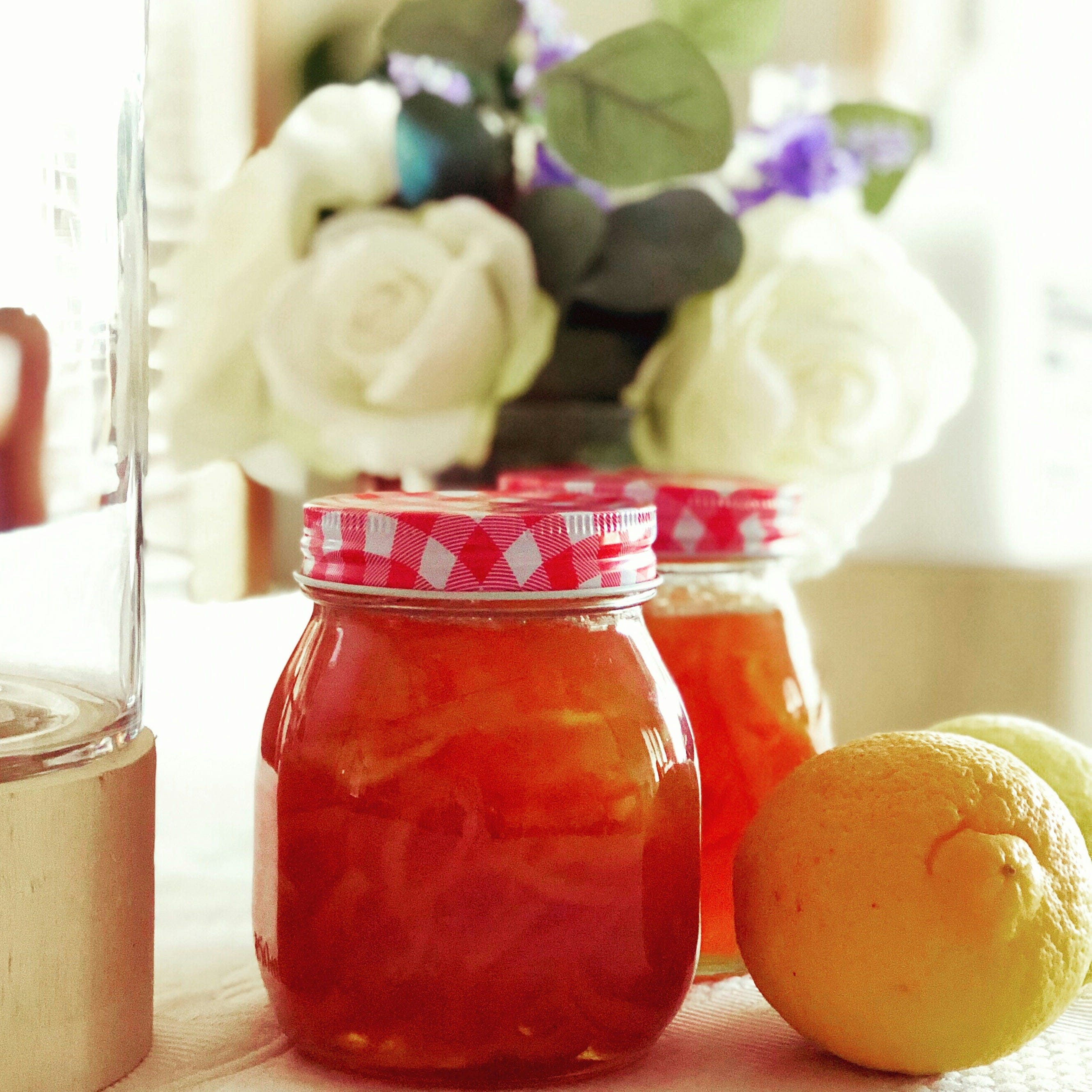
Drama has come to the canning and food preservation world. Over on Instagram, Dr. Andy Petran, the founder of Twin Cities Berry Company, noticed that this year, his jam failed to set.
“I went from a 100% set rate to a literal 0% set rate. With no changes in my methodology! At first, I thought I was going insane,” he writes. He wasn’t. He determined that the problem was the pectin. Ball, without altering the name of its product or making an announcement, had changed the formulation of its classic pectin. Enshittification had come for the canning community.
Petran compared the label from an old Ball pectin container with the label from a new one. He noticed three big changes. The ingredients list no longer includes “fruit pectin,” probably, Petran says, because Ball swapped fruit pectin for corn pectin, reducing the quality of the pectin in the product. Ball also added sucrose (table sugar) to the product and no longer sourced all the ingredients domestically.
Petran checked online and saw that other people had the same experience with Ball’s new pectin formulation. If you want your jam to set, he recommends Pomona’s universal pectin.
Cal Poly San Luis Obispo wants to pave over paradise, or at least 40 to 50 acres of it. The university is eyeing some of its most prized farmland, official USDA-certified Class 1 soil, for a mixed-use development that could bring a hotel, an events center, retail, and a senior living facility to the west side of campus. Students and faculty aren’t having it. They say the plan guts the “Learn By Doing” ethos Cal Poly built its name on by bulldozing the hands-on crop labs and living classrooms that agriculture students rely on. It’s a fight the university has lost before. Students and alumni killed a similar proposal back in 2015. The university could issue its final decision as soon as this fall.
In May of this year, Bob’s Red Mill, the worker-owned company known for its whole grain flours, cereals, and gluten-free products, introduced a bold rebrand. Gone was the prominent, full-color sketch of co-founder Bob Moore, who died in 2024 at age 94. In came a more modern, legible logo, a streamlined color palette, a new font, and a new image of the mill. The goal was to modernize the brand’s look and make it consistent across various product lines. While some people loved the look, others… did not, saying the old-fashioned packaging is what made it stand out and enhanced the brand’s credibility.
Newly uncovered land records tie the founder of Tito’s Vodka, Bert “Tito” Beveridge (yes, that’s his real name), to a $7.3 billion data center slated for Caldwell County in south-central Texas. Residents say the project is being built without their input. Shocking.
The 320-acre Edged data center site was carved from a larger 2,718-acre tract owned by Capital Land Investments, a company the Austin Business Journal has linked to Beveridge. Corporate filings show the connection runs deeper than that. Kathleen Kuper, the Farm Director for Tito’s, signed both the July land transfer to Edged entities and a recent easement granting Edged access to build. The latter cites a vague “broader transaction” between the companies beyond the nominal $10 payment.
Separate filings tie Beveridge himself to Capital Land through an entity called Oil Play LLC, linked to the Beveridge Family Trust. Capital Land still holds roughly 2,400 acres of the original tract, and it’s unclear if more is headed toward the data center’s footprint.
Tito’s won’t reveal more about Kuper’s or Beveridge’s roles, saying only that the deal has been “underway for some time now via a separate organization” outside the company.
California’s groundwater crisis just got a lot more urgent. Central California, the breadbasket of the United States, has been sinking for years due to excessive groundwater pumping for agriculture. New research says scientists found a way to determine the moment when sinking farmland tips from temporarily depressed to permanently ruined. (The method compares satellite-detected ground movement, AKA subsidence, and water levels in nearby wells.)
The Sacramento Valley crossed that point around 2021, and the USGS estimates the Central Valley has already lost 15% of its groundwater storage capacity for good. The fix — California’s 2014 Sustainable Groundwater Management Act — is finally kicking in as local agencies impose pumping limits and fees. But it’s hitting small farmers hard.
Merced grower Rosie Lee, who left half her 19-acre vegetable farm dry this year, got slapped with a $15,335 “overextraction” warning even as flat per-volume fees mean she pays the same rate as massive almond and pistachio operations pumping thousands of acres. Without fee structures that account for farm size, California’s fix for one crisis could accelerate another, driving small, water-efficient family farms out of business while consolidating land in the hands of the very corporate operations that caused the overpumping in the first place.
Last month, Van Leeuwen won a major lawsuit against Rebel Creamery for copying the pastel colors, font, and minimalist layout of its ice cream pints. That verdict was a major blow for the keto-friendly Utah company. Last week, Rebel Creamery filed for Chapter 11 bankruptcy as it appeals the $23.8 million judgment.
Thanks for reading KCRW's Good Food! This post is public so feel free to share it.
No posts
Comments
Nothing yet. Say the first thing.
Sign in to join the conversation.