
Welcome to Second Helping, the weekly newsletter that analyzes food trends and news — written by Good Food digital producer Elina Shatkin.
FULL DISCLOSURE: I am on vacation this week so I wrote this several days ago. That’s why you won’t see any updates on the cyclospora outbreak, which is both opaque and constantly changing. But we can live without that kind of news for one week, can’t we?
TLDR: People are drowning in paperwork and losing access to food.
When President Trump signed the “One Big Beautiful Bill” on July 4, 2025, it included sweeping changes to SNAP (Supplemental Nutrition Assistance Program, formerly known as food stamps) — expanded work requirements, new documentation burdens, and, for the first time in SNAP’s history, a requirement that states pick up a share of both benefit and administrative costs. Previously, these were covered by the federal government. There are also significant penalties for states that get it wrong, so state governments are scrambling to tighten up their systems, often at the expense of processing applications from people who are desperate for food assistance.
The impact is stark. A year later, more than 4 million people have fallen off SNAP nationwide. The OBBB isn’t the only reason. The Trump administration has enacted other regulatory changes that have also led to this. Plus, Republicans have long pushed the idea that SNAP is rife with waste, fraud, and abuse.
Arizona has been hit especially hard, with enrollment dropping by roughly 50%. That’s the steepest decline in the country. Louisiana (21%) and Florida (20%) aren’t far behind. And it’s not because people no longer qualify. It’s due to paperwork burdens, technical errors, and short-staffed state agencies struggling to process the new rules.
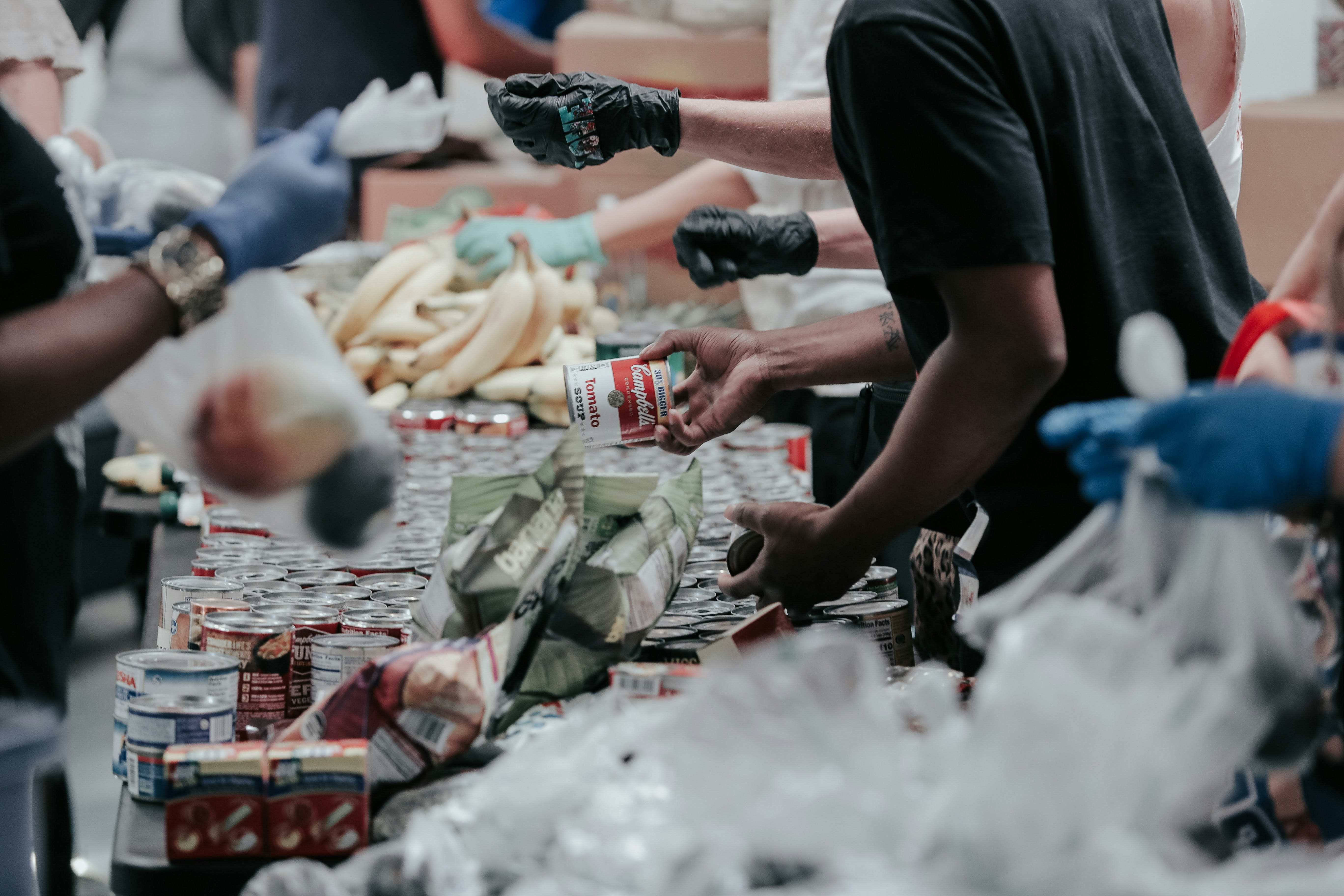
The human toll is showing up in empty pantries and longer lines. One Pennsylvania home healthcare worker tells Civil Eats that she now has to choose between buying eggs or milk, since she can no longer afford both, and her shelves are “very empty.” In Arizona, Dee McDonald, a 65-year-old cancer survivor raising three teenage grandsons, tells the New York Times she has gone eight months without her SNAP benefits after a paperwork mix-up closed her case. She now stretches ground turkey with oatmeal, skips meals, and has fallen behind on rent while she appeals.
Immigrant families face an added layer of fear. In mixed-status households, some eligible residents are avoiding SNAP altogether because they worry that applying could expose their family members to ICE.
Individuals aren’t the only ones feeling the squeeze. Retailers who accept SNAP, especially small grocers and corner stores in low-income communities, are seeing EBT sales plummet. That’s sending ripple effects through the broader food system, from food banks straining under increased demand to schools that rely on SNAP enrollment numbers to fund free meal programs.

Imagine you’re having a casual lunch and blam, a bat lands on your table in the middle of your meal. That’s what happened to one family while they were eating at the Yellow Deli in Vista. The rustic, round-the-clock sandwich shop near San Diego is operated by the Twelve Tribes, a controversial evangelical Christian religious movement. “Members generally live communally, work in group-owned businesses and do not receive traditional individual wages,” according to SanDiegoVille.
A diner used a towel to collect the bat then transported it to the San Diego Humane Society. It tested positive for rabies. People who ate at the restaurant but didn’t touch the bat are NOT at risk for contracting rabies. People who had direct contact with the animal have been urged to contact a healthcare provider ASAP. Rabies post-exposure treatment is highly effective if it’s administered before symptoms begin. Once symptoms appear, the disease is almost always fatal.
When “looksmaxxers” aren’t whacking themselves with hammers to improve their jawlines (don’t do this) or smoking crystal meth to stay thin (also don’t do this) or getting rejected by Parisian women for being predatory losers (don’t do this either) or injecting themselves with gold (definitely don’t do this!), they’re obsessing over micronutrients, mainlining protein, and falling for every dumb wellness trend. The latest one is colostrum.What in the hell is the colostrum craze?
Bovine colostrum is the thick, nutrient-packed fluid cows produce right after giving birth. It’s distinct from regular milk. Calves need it in their first hours of life, since, unlike human babies, they can’t get antibodies through the placenta and are otherwise defenseless against illness. Wellness heavy-hitters Gwyneth Paltrow and Kourtney Kardashian have both championed colostrum while Sofia Richie went a step further and launched her own colostrum smoothie. Advocates claim colostrum promotes better gut health, a boosted immune system, glowing skin, and improved athletic performance.
But colostrum isn’t like cottage cheese or whey protein powder. You can’t just manufacture more of it on demand. It only exists for a brief window after a cow gives birth. That scarcity is already causing problems. A colostrum shortage hit rural Saskatchewan this spring as farmers and consumers competed for the same limited stock. It also raises an uncomfortable question. Growing human demand for colostrum inevitably runs up against the needs of the calving industry. Every ounce a wellness influencer drinks is an ounce that isn’t going to a newborn calf.
Nearly 1.6 million white and brown eggs have been recalled due to possible salmonella contamination. We’re probably safe in California. The eggs in question were shipped to grocery stores in Texas, Oklahoma, Arkansas, Louisiana, New Mexico, and Mississippi. But still. Contaminated eggs can appear normal but if you eat them when they’re raw or undercooked, they can make you sick.
Speaking of food safety, Canada’s got a garlic powder issue. 70-gram jars of Heavenly Spices brand garlic powder sold at Dollarama stores have been recalled over potential Bacillus cereus contamination, which can cause nausea, vomiting, cramps, and diarrhea. The good news? It was only distributed in Canada. American pantries are in the clear.
Deb Haaland likes to cook. In her new memoir, the former Secretary of the Interior and current New Mexico congresswoman shares several recipes, including one for her green chili chicken pozole. Haaland, who’s running for governor of New Mexico, says she started making this pozole when she was in law school then sold it by the bowl to her classmates at UNM School of Law.
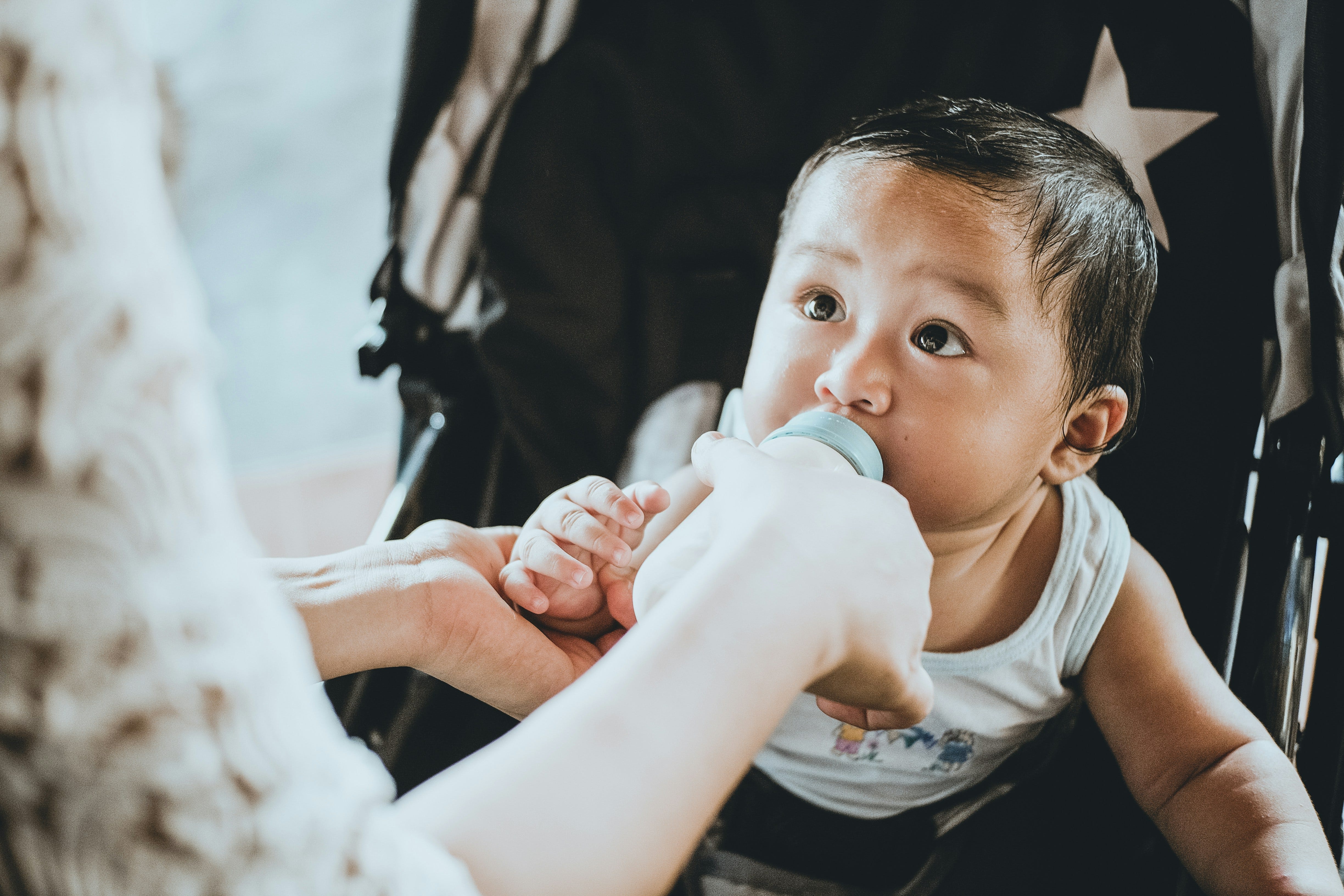
Remember the tainted baby formula outbreak of 2022? Two babies died and two more were sickened because powdered infant formula made by Abbott Laboratories was contaminated. The culprit was Cronobacter sakazakii, a rare but lethal bacterium that can cause sepsis and meningitis in newborns. Abbott issued a broad voluntary recall for Similac, Alimentum, and EleCare and shut down its Sturgis, Michigan plant where the tainted formula had been manufactured.
The ripple effect was a nationwide baby formula shortage with out-of-stock rates rising to 70% by late May 2022. How did that happen? Corporate consolidation. In the US, only four manufacturers control roughly 90% of the infant formula market.
Anyway, the Department of Justice thought it prudent to look into the situation. The agency spent years building a case against Abbott after FDA inspectors found the company’s Sturgis plant was crawling with cronobacter (one FDA official called it “out of control”). Federal prosecutors were considering charging the company with a misdemeanor violation of the federal Food, Drug and Cosmetic Act, plus a separate count for misleading the government. They were also weighing criminal charges against at least one individual.
Then, in a decision revealed by the Wall Street Journal in June 2026, Donald Trump’s DOJ quietly downgraded the whole thing to a civil settlement. Abbott only had to pay back the money it earned selling formula through federally funded nutrition programs like WIC. How much did Abbott have to shell out? The American public has no idea because the US government hasn’t revealed the exact terms of the deal. Why the about-face? Does it have anything to do with the fact that
“And then there is the stock,” as attorney Bill Marler, who is currently suing several infant formula makers (including ByHeart and Nara Organics for botulism outbreaks), points out. According to the President’s annual financial disclosure, Trump began buying Abbott stock in September 2025 and picked up approximately $500,000 worth of Abbott shares over the course of that year. “The buying happened while his Justice Department was still sitting on a criminal case against the company,” Marler notes.
Is that why the case against Abbott was dropped? We’ll never know but the optics are ugly. Abbott, a company facing potential criminal liability for conditions tied to sick and dead babies, walks away with a check-writing deal instead of a courtroom trial. It’s easy to see why people are side-eyeing the situation.
The other major issue is how little independent oversight exists for infant formula manufacturers to report when infants get sick or die from their products. This isn’t limited to the contamination at Abbott’s Sturgis facility.
A separate KFF Health News and USA Today investigation into a different problem — necrotizing enterocolitis (NEC) in preterm infants who were fed formula and fortifiers — found a similar pattern of self-policing. When doctors, hospitals, or parents flag that a baby got sick or died after drinking formula, it’s largely up to the manufacturer to decide whether the FDA needs to know. Under federal rules, a company only has to notify the FDA within 15 days if its own internal investigation finds “a reasonable possibility of a causal relationship” between its formula and an infant’s death.
How many times has that happened? According to records KFF Health News obtained via a Freedom of Information Act request covering January 2000 to the present: Zero. Not once in more than a quarter century have formula makers determined their own product caused a baby’s death.
One more fun note. Kyle Diamantas, the Acting Commissioner of the Food and Drug Administration, used to be an attorney for Abbott. In fact, he represented Abbott in two major lawsuits (Gill v. Abbott and Whitfield v. St. Louis Children’s Hospital, et al.) brought by parents of children who developed or died from necrotizing enterocolitis (NEC), which some plaintiffs allege was linked to Abbott’s formula for premature infants although Abbott and federal health agencies dispute a causal link.
At the FDA, Diamantas recused himself from matters involving infant formula. It’s unclear when that recusal started but it ended in January 2026, months before the DOJ’s settlement with Abbott came to light.
The EPA just tossed its own cancer-risk research and decided sewage sludge full of “forever chemicals” is totally fine to spray on farmland as fertilizer. Their advice to the public? Do your own homework on which sludge companies might be poisoning your food. That means treated human sewage — which can contain PFAS, the toxic “forever chemicals” linked to cancer — is being spread on farms as fertilizer, and the US government just walked back the rules that would’ve limited how much of it gets used.
Late last month, the FDA rejected a legal petition demanding it set limits on toxic PFAS (”forever chemicals”) in food. Filed by the Tucson Environmental Justice Task Force, the petition asked the agency to set advisory thresholds for PFOA and PFOS in seafood and milk. Independent testing found 12% of 50 milk samples contained these chemicals while FDA testing found them in a whopping 70% of seafood samples.
With MAHA poster boy Robert F. Kennedy Jr. as head of the Department of Health and Human Services, which oversees the FDA, activists had hoped the agency would be more receptive to such entreaties. No dice. The FDA said there was “insufficient evidence to support” TEJTF’s request. But it also said it’s “currently considering setting action levels for PFAS in some products.” However, these non-binding “action levels” for PFAS do not require contaminated food to be removed from shelves. “Tolerance levels,” by comparison, make it illegal to sell food contaminated beyond a set threshold.
Meanwhile, a proposed class-action lawsuit accuses Driscoll’s, the largest berry company in the world, of failing to disclose that its conventional strawberries contain PFAS despite marketing them as safe, premium, and sustainably grown. Driscoll’s denies the claims.
No posts
Comments
Nothing yet. Say the first thing.
Sign in to join the conversation.