

The opening lines of a book serve a functional purpose: they orient the reader, establish tone, and create enough narrative tension to encourage continued reading.
A successful hook does not rely on shock value or exaggeration. Instead, it introduces a moment, voice, or question that invites the reader into the story’s logic.
Below are several reliable techniques authors use to create effective opening hooks, along with guidance on how to apply them intentionally.
Opening with tension does not require high action or danger. Tension can come from uncertainty, anticipation, or emotional imbalance.
Why it works:
Tension signals that something is unsettled and worth paying attention to.
How to apply it:
Focus on a single destabilizing moment
Avoid explaining its full context
Let the reader observe before understanding
Example:
The sound echoed down the dock before she realized it wasn’t meant to scare her — it was meant to warn her.
Instead of directly asking a question, present a situation that feels incomplete or unusual.
Why it works:
Readers continue because they want clarity, not because they are told to feel curious.
How to apply it:
Introduce an abnormal reaction or circumstance
Allow the question to form naturally
Example:
Everyone else at the funeral cried. She kept track of which doors were unlocked.
Character hooks are effective when they reveal a contradiction between expectation and behavior.
Why it works:
Contradictions suggest internal conflict and complexity.
How to apply it:
Pair a role with an unexpected response
Avoid commentary or explanation
Example:
She taught conflict resolution for a living and avoided every difficult conversation in her own life.
Starting with the aftermath or an implied outcome gives the reader a reason to look backward.
Why it works:
Readers are motivated by understanding how events unfolded.
How to apply it:
Hint at impact rather than detail
Keep the focus personal, not abstract
Example:
By the time the police arrived, the choice had already been made.
Setting can introduce tension when it carries an implication rather than a description.
Why it works:
The environment shapes expectation and emotional tone.
How to apply it:
Choose details that suggest isolation or instability
Avoid long descriptive passages
Example:
The trail map showed a loop, but the signs stopped appearing after the first mile.
A clear, grounded narrative voice can function as a hook on its own.
Why it works:
Readers often commit to a story because they trust the perspective guiding it.
How to apply it:
Prioritize specificity over cleverness
Allow voice to emerge through observation
Example:
I didn’t believe in patterns until the same mistake started following me into different rooms.
A restrained, declarative opening can signal emotional or moral stakes without explanation.
Why it works:
It implies consequence and invites interpretation.
How to apply it:
Keep the statement personal
Resist clarification in the opening lines
Example:
Three people knew what happened that night, and I trusted all of them.
Most ineffective openings struggle because they:
Explain instead of present
Delay tension with background information
Tell the reader what matters rather than showing it
Attempt to impress instead of orient
A hook does not need to be dramatic.
It needs to be purposeful.
An opening hook is not a trick or a promise of spectacle. It is an invitation into the story’s structure, tone, and perspective.
When the first page aligns with the core of the narrative, readers continue, not because they are persuaded, but because the story has earned their attention.
I am excited to share that I have been chosen to attend the Ephrata Library’s first Local Author Book Fair. This event will take place on Saturday, April 25th, from 1- 4. I hope to see you there!

I have been working on this in my Fiction Workshop class for school, and I thought I’d share it here for something new to read. I hope you enjoy it!

What did you think of Naomi’s story?
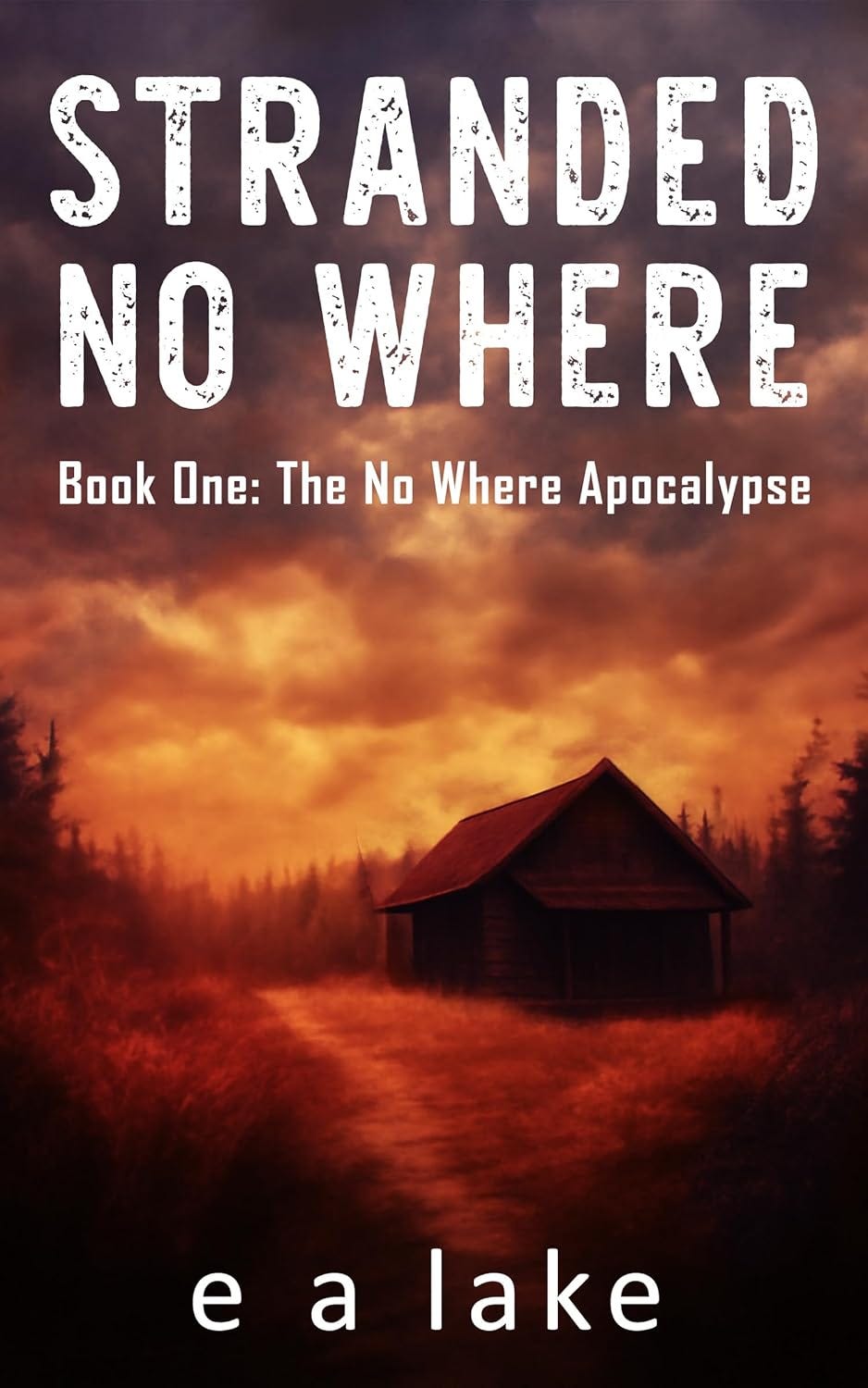
There are no functioning cars, no cell service, no electricity. Nothing but an eerie silence. Alone in the center of the Upper Peninsula, in a remote hunting cabin, Bob Reiniger awakens to a new world that he is unprepared for.
Without the former conveniences of life, he is a fish out of water. He has no survival skills, no food, no running water, no communication or transportation. He’s many miles from the nearest living soul.
With no way to communicate with the outside world, he is left to wonder how widespread this disaster might be. Thus, he has enormous panic but little hope.
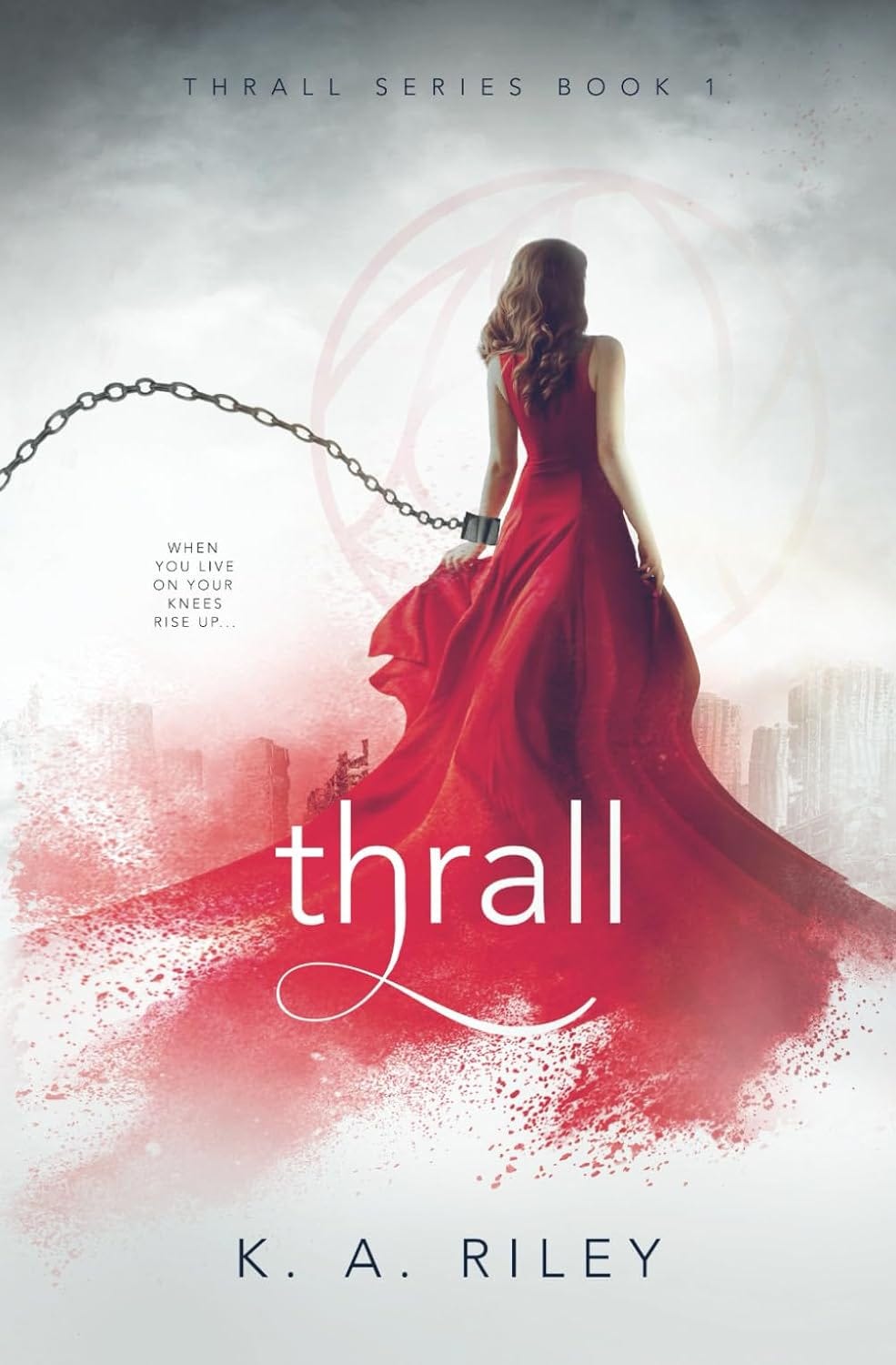
In the realm of Kravan, children of lower-class citizens are raised in a prison-like structure called “The Tower” from birth until adulthood. Known as the Tethered, they are held in thrall until their powers reveal themselves around the time of their nineteenth birthday.
Every year, the Tethered who are tested and deemed harmless are chosen to leave the Tower and join the outside world as servants to live in the households of the ruling class. Those who are deemed threats are taken away—and no one knows what happens to them, though they suspect the worst.
Shara has spent her entire life in the Tower, longing for the day she will be chosen to leave. She’s always been certain her powers would be minimal just as her mother’s allegedly were, and that she would be assigned to a life of simple servitude.
When Shara receives her Placement in the home of a Noble family, she feels at first like she has finally found her place in the world. But over time, mysteries begin to reveal themselves about her Proprietor and those who live in the house…including the handsome fellow Tethered who shares a wing of the house with her.
When he offers her an opportunity to attend the annual Prince’s Ball and to see the world of the Nobility for what it truly is, Shara begins to learn the ugly truth about the divisions between the ruling class and the Tethered.
After a life spent in near-isolation, Shara must learn to distinguish friend from foe, and to decide if her new allies are who they claim to be...
Or if they will turn out to be her greatest enemies.
No posts
Comments
Nothing yet. Say the first thing.
Sign in to join the conversation.