

Most writers think their problem is the draft.
It usually isn’t.
The draft is messy by design. It’s supposed to be. The real transformation happens in revision. And yet, self-editing is the stage most writers rush, skim, or skip entirely.
They write “The End” and immediately want feedback.
They want validation.
They want someone else to tell them if it’s good.
But if you haven’t learned how to edit yourself first, you’re outsourcing the very skill that turns a writer into a professional.
Let’s talk about how to do it well.
You cannot edit clearly while you’re still emotionally attached to the sentence you just wrote.
Distance creates objectivity.
When I finish a draft, I don’t open it the next morning. I let it sit. A few days at minimum. Longer if I can afford it.
When you come back, read the first page.
Notice where your attention drifts.
Notice where you feel bored.
Notice where you feel confused.
That’s your first round of editing.
Not grammar.
Experience.
If you lose interest in your own story, the reader will too.
One of the biggest mistakes writers make is trying to fix everything in one pass.
You cannot evaluate:
Plot
Character arc
Dialogue
Pacing
Grammar
Word choice
Tone
All at the same time.
Your brain doesn’t work that way.
Instead, edit in intentional layers:
Pass 1: Big Picture
Does the story make sense?
Is the central conflict clear?
Does the character change?
Are the stakes rising?
Pass 2: Structure & Pacing
Are scenes starting too early?
Are they ending too late?
Are there repeated emotional beats?
Is there tension in every chapter?
Pass 3: Line-Level Editing
Remove filler words.
Cut repetition.
Strengthen verbs.
Replace vague phrasing with specificity.
Pass 4: Polish
Grammar
Sentence rhythm
Readability
Editing becomes manageable when you give yourself one job at a time.
If a sentence is beautiful but doesn’t serve the scene, it’s a decoration.
Decoration slows momentum.
Self-editing requires emotional discipline. You have to ask:
Is this here because it moves the story forward?
Or because I’m proud of it?
Readers don’t see effort.
They feel clarity.
Sometimes the strongest edit you can make is subtraction.
This single habit will improve your writing faster than almost anything else.
When you read silently, your brain fills in gaps.
When you read aloud, your ear catches them.
You’ll notice:
Awkward phrasing
Repeated words
Sentences that run too long
Dialogue that doesn’t sound human
If you stumble while reading it, your reader will stumble too.
Your writing should feel effortless to consume — even if it wasn’t effortless to write.
Most drafts lean heavily on summary.
“She was nervous.”
“He felt angry.”
“The room was uncomfortable.”
Those aren’t wrong, but they’re surface-level.
Instead of telling the emotion, ask:
What does it look like?
What does it feel like in the body?
What changes in behavior?
Self-editing is where depth happens.
It’s where you replace explanation with experience.
Readers decide quickly whether to continue.
Your first page should:
Introduce tension
Raise a question
Establish tone
Your final page should:
Resolve the core emotional arc
Leave resonance
Avoid over-explaining
Often, the strongest endings are tightened endings.
Trust your reader to understand.
Perfectionism disguises itself as productivity.
There is a point where editing stops improving the piece and starts dulling it.
If you’ve:
Completed multiple structured passes
Removed obvious repetition
Strengthened clarity
Tightened language
It may be ready for outside feedback.
Self-editing prepares your manuscript for critique. It doesn’t replace it.
Self-editing builds judgment.
And judgment is what separates hobbyists from professionals.
When you know how to evaluate your own work, you:
Waste less money on unnecessary editing rounds
Receive more specific feedback
Publish stronger books
Build confidence in your decisions
The draft proves you can create. The edit proves you can refine. And in publishing, refinement is what readers remember.
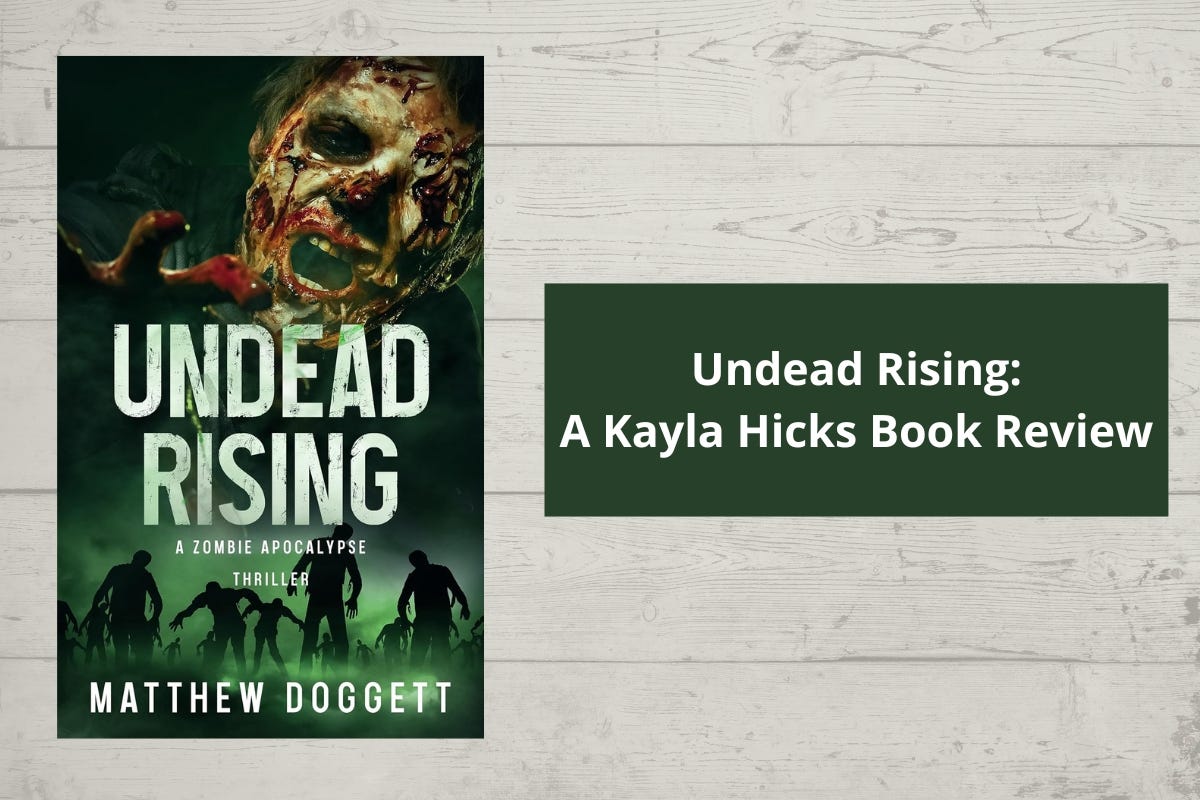
Just when Cooper Kane, Candice, Leroy, and Leslie think they have made it through the worst of it, life has a way of throwing more obstacles in their way. And one of those obstacles is the relentless Oliver Mercer.
Who would have thought it would be so difficult to escape someone when the world was filled with zombies — well, maybe not just zombies.
Turns out that when the apocalypse comes to fruition, the worst of humanity is also exposed, causing the worst kinds of people to crawl out of the woodwork.
So when Cooper and his group encounter one of these unkind living, they are in for the fight of their lives, but may discover something that could be their saving grace.
This was a great sequel to the first novel, and fully gripped my attention as I followed Cooper and his family along their journey. Despite losing people along the way, I was happy to see new additions to their group that changed up the group dynamic. The situations felt real for the universe this is set in, the characters are still relatable, and I still want to continue reading the series.
I would highly recommend this for zombie fans, and I give this a 5-star review.
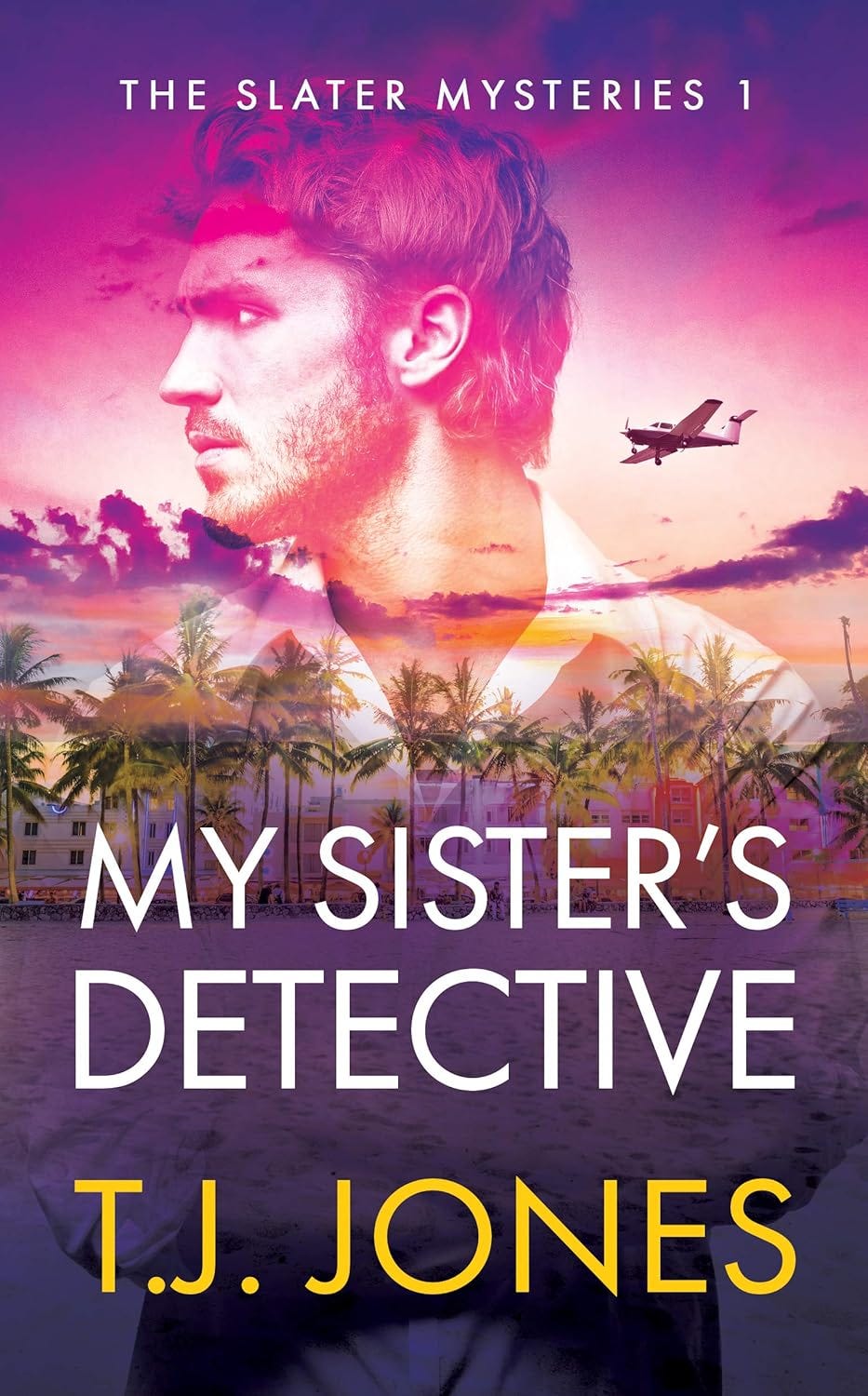
Slater's best friend has been murdered, an old flame needs his help, and her little sister has definitely grown up!
Point Road, home of the beautiful and obscenely wealthy Angela Jeffries. When their childhood friend is murdered, she begs Slater to take the case. Maggie, the little sister he barely remembers, offers to help. Turns out the sarcastic redhead is one hell of an investigator.
As their feelings turn romantic, Maggie and Slater follow a trail of deception and lies, hoping to prove their dead friend innocent of what they fear most. No one is safe, and the men involved will stop at nothing to cover their tracks; tracks that will lead the pair into the grim world of human trafficking and expose the darkest secrets of Point Road and the Jeffries' family.
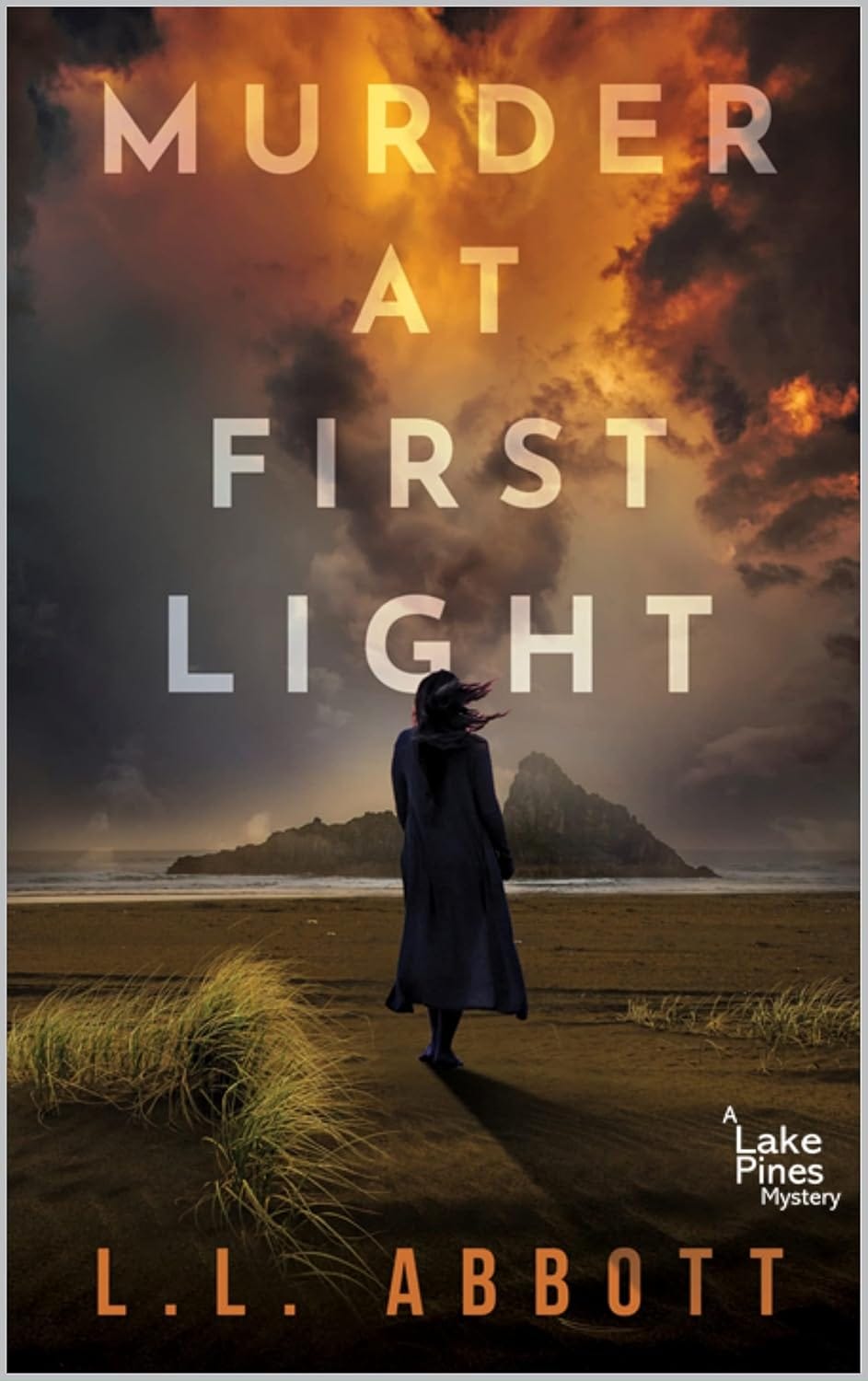
A regatta, a murder, and a small town.
As dawn breaks and the horn is about to signal the start of the season's favorite race, a body drifts out from under the main city dock, sending chills through spectators and racers - turning a peaceful morning into a small-town mystery that no one saw coming.
When Doctor Kerry Dearborne challenges the local coroner’s ruling, she’s pulled into a murder investigation that turns her from a tourist into a sleuth. Convinced a criminal is hiding in plain sight, Kerry teams up with Constable Peter George to solve this shocking crime in a town that protects its own.
Kerry is positive that the unknown woman has been murdered, and she wastes no time in telling Constable Peter George what she thinks. Having more faith in Kerry than in his own coroner, Constable George pulls her into the case and soon the two uncover evidence that not only proves there’s a killer in the crowd - but that there are no shortage of suspects either.
As the tormented life of the victim unravels, there is more to this small idyllic cottage town than anyone realizes as tensions mount, and soon the murder victim's life of regret reveals itself one piece at a time.
What starts as a single question of whodunit quickly deepens into a search for a killer.
Expect an email soon letting you know where to go for the reader newsletter and the writer/author newsletter!
Until then, I’m excited to throw a little teaser your way:
The reader newsletter

The author/writer newsletter

No posts
Comments
Nothing yet. Say the first thing.
Sign in to join the conversation.