
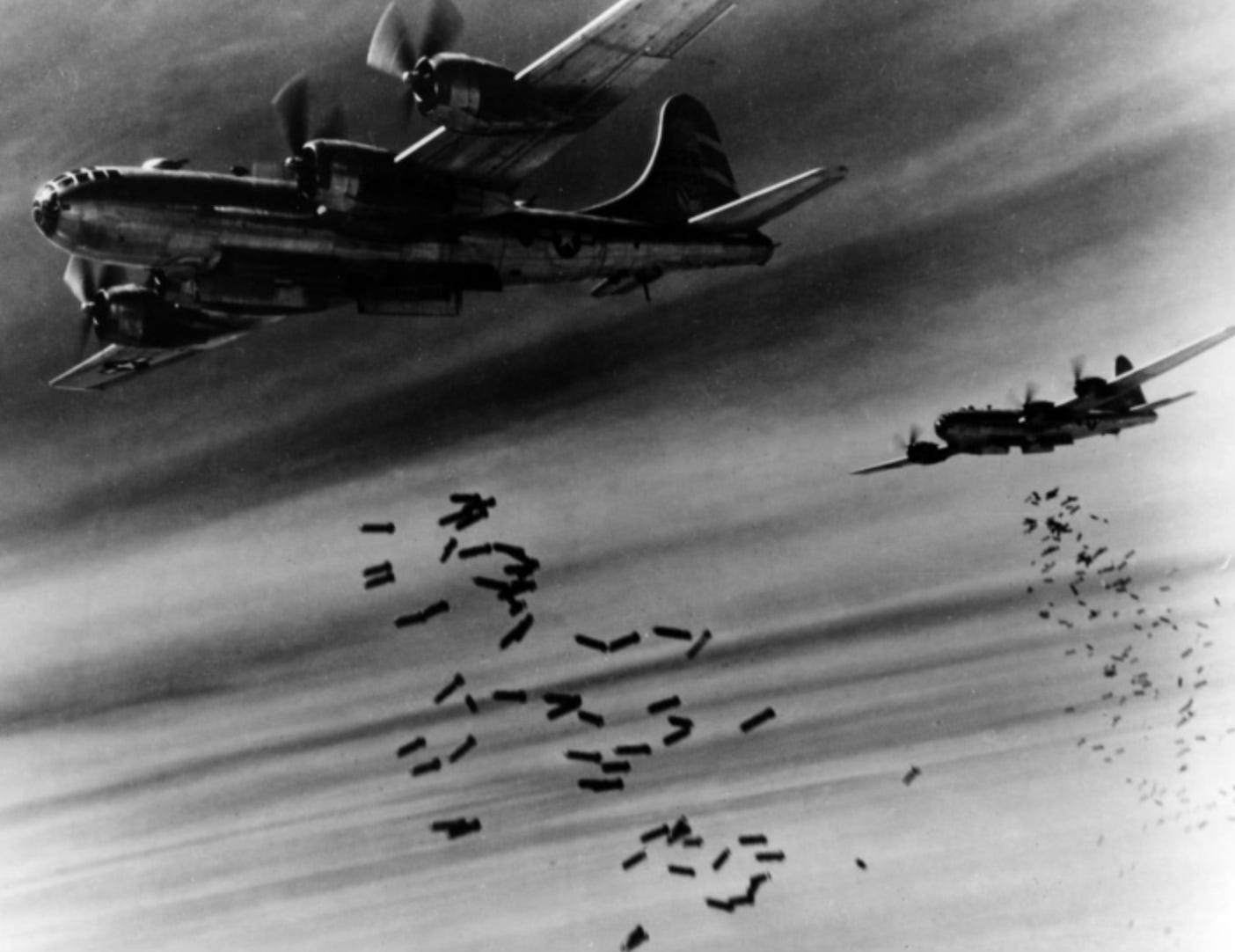
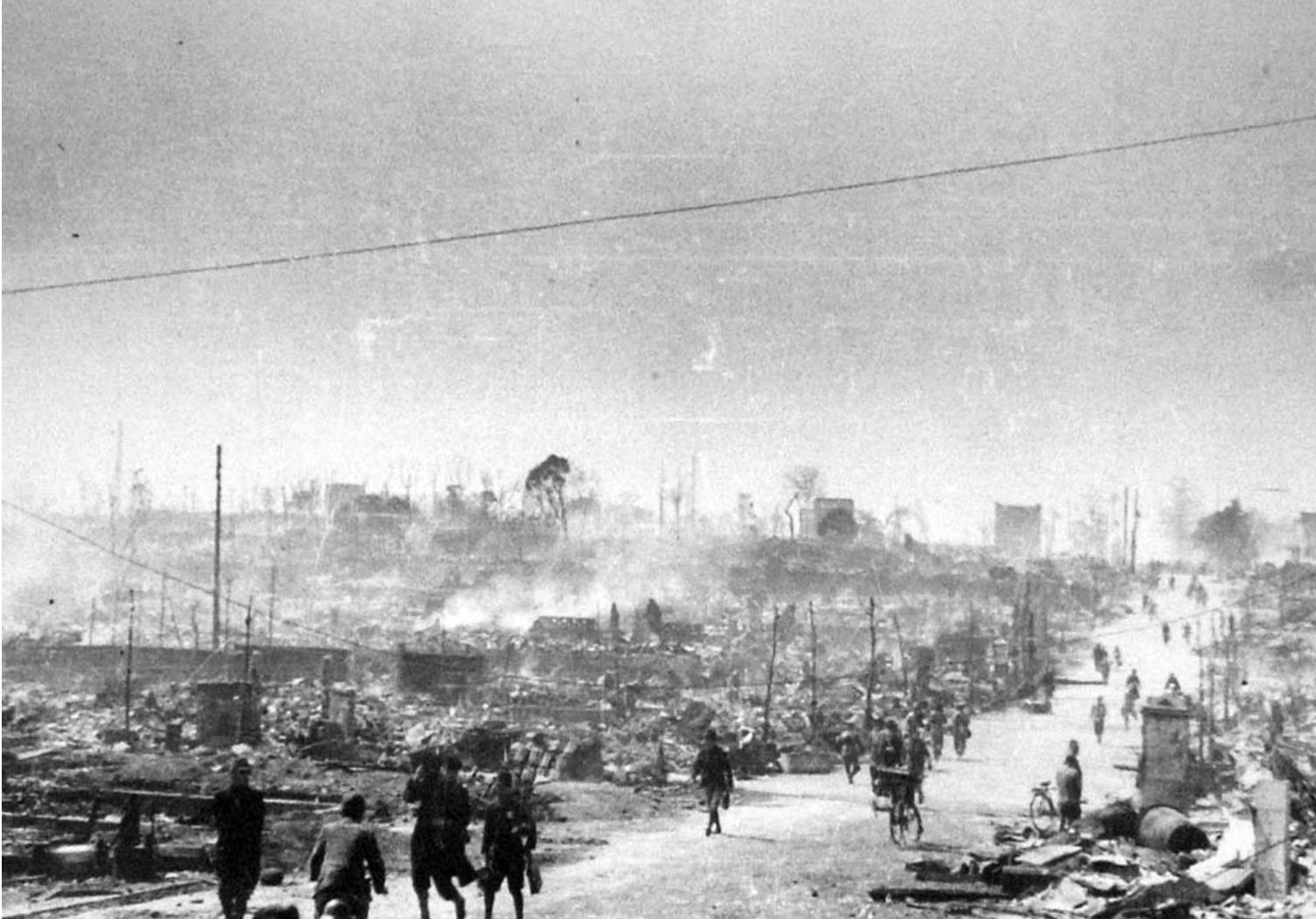
“Apart from the survivors, very few people remember the air raid of April 13-14, 1945. It is hardly mentioned in books on the bombing of Japan.” — “Perdition: A Forgotten Tokyo Firebombing Raid,” Richard Sams, 2016.
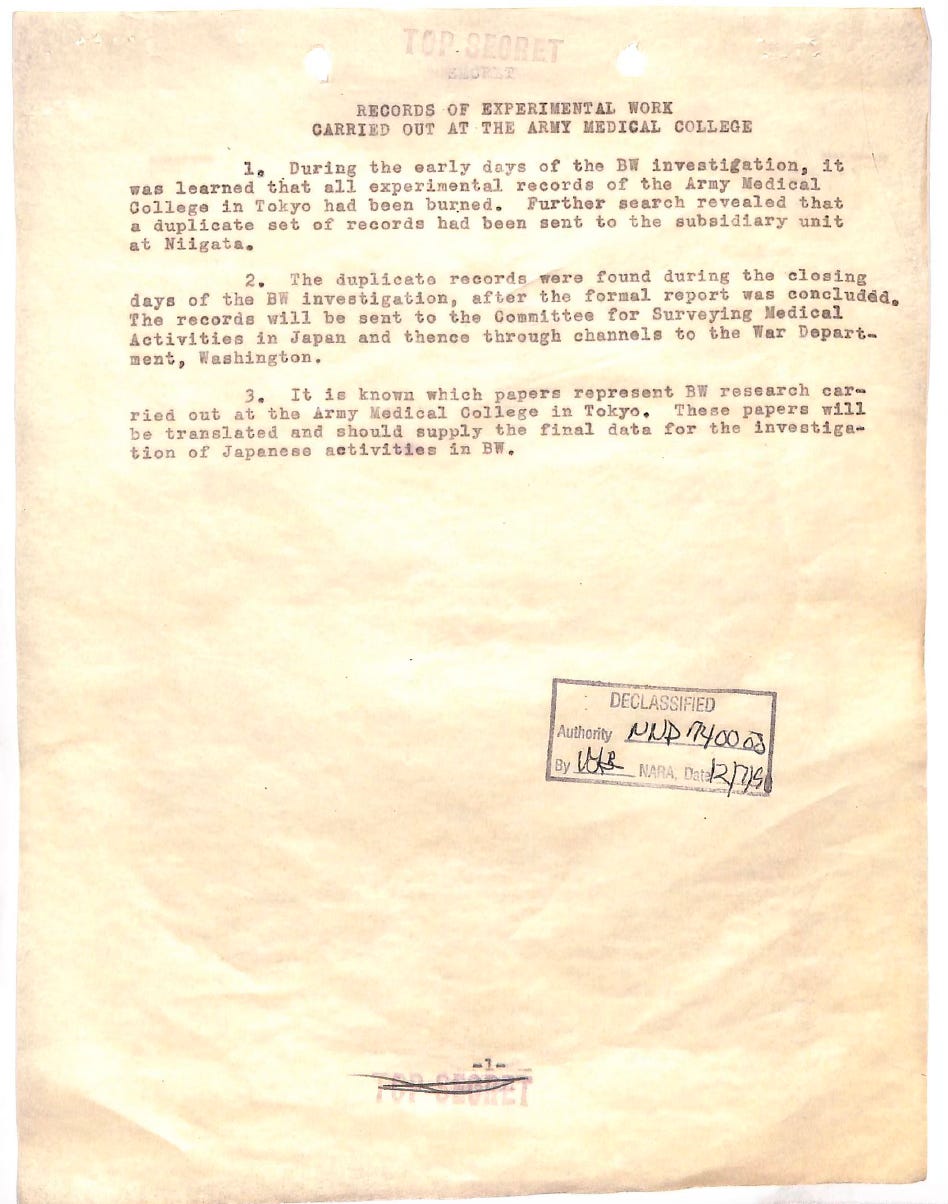
“During the early days of the BW [biological warfare] investigation, it was learned that all experimental records of the Army Medical College in Tokyo had been burned. Further search revealed that a duplicate set of records had been sent to the subsidiary unit at Niigata.” — Lt. Col. Murray Sanders, Chemical Warfare Service [CWS] to General Douglas MacArthur, Commander-in-Chief, U.S. Army Forces, Pacific, November 9, 1945, Memorandum, “Supplementary Biological Warfare Information” (PDF pg. 21)
“TOKYO ARMY MEDICAL COLLEGE
Biologic Manufacturing Division…
Due to destruction of the buildings, this section has moved its plants to Niigata and Kyoto.”
— Target Report: References from the Committee for the Technical and Scientific Survey of Japanese Activities in Medical Sciences (pg. 19), U.S. Naval Technical Mission to Japan, December 1946
“The Army Medical School’s Epidemic Prevention Research Laboratory, originally located in Toyama Town, Shinjuku Ward, Tokyo, evacuated to the Former Niigata Racecourse in Sekiya, Niigata City, to escape the intensifying U.S. air raids on Tokyo, and became the Army Medical School Niigata Branch Office in April 1944, one year before the end of the war….
“Shortly after the war, the U.S. military conducted an investigation to clarify the full scope of the Army Medical School Niigata Branch Office, but the details of that investigation have still not been disclosed. Furthermore, those who held key positions there have steadfastly maintained their silence and have not revealed the facts.” — Niigata Prefecture and the Unit 731 Story, published by the “Unit 731 Exhibition” Niigata Prefecture Executive Committee and the “Niigata Prefecture and Unit 731 Footprint Research Committee.” October 28, 1994, Niigata, Japan1
“Before the war was over, and prior to their encounter with U.S. investigators, in early 1945 [Unit 731 leaders, Ryoichi] Naito and [Junichi} Kaneko had supervised the construction of a facility to produce plague bacteria in mass amounts in a plant in a suburb of Niigata, Japan.
“According to the [August 1987] Niigata Nippo article, Kaneko, who had helped set up a branch office of the Army Medical College in Niigata, ‘had studied the aerial dissemination of bacteria in Unit 731 [while] stationed in mainland China.’ He ‘was at the core of the organization in Niigata as well.’” — Fu-Go Reconsidered: Japan’s WW2 Balloon Offensive, Unit 731, and the Manhattan Project
It’s been 80 years since the end of World War II, and nearing 50 years since the exposure of U.S. government collaboration with Japan’s biological warfare (BW) criminals in Unit 731. Despite this passage of time, this is the first article written in the West to concentrate on the U.S. capture of experimental BW data seized from the site of the Japanese Army Medical College’s Epidemic Prevention Laboratory branch office in Niigata, Japan. The interdiction of Japan’s BW research archive occurred less than three months after Japan’s unconditional surrender.
Unfortunately, it is currently impossible to know exactly what was contained in the Niigata files. But a November 1945 report from a senior officer of the U.S. Chemical Warfare Service (CWS) stated the captured archive “should supply the final data for the investigation of Japanese activities in BW” (PDF, pg. 21).
There was a certain amount of luck in the preservation of the Niigata archive, because as late as July 25, 1945 — a mere 12 days before the U.S. atomic bombing of Hiroshima — Niigata was on the short list of atomic bomb targets: Hiroshima, Kokura with its massive arsenal, and Nagasaki were the other three targets, according to the order to drop the atom bomb issued by General Thomas Handy. Only days later (it’s not clear when exactly, maybe on August 1), Niigata was removed from the fateful list.
CWS was the military agency in charge of both chemical and biological warfare research in the United States during World War II and the immediate postwar period. It changed its name to the Chemical Corps in September 1946. It was headquartered in Camp Detrick, Maryland (renamed Fort Detrick in 1956). Today, according to one Pentagon description, “Fort Detrick is a U.S. Army Medical Research and Development Command installation supporting a multi-governmental community that conducts biomedical research and development, medical material management, and worldwide communications.”
In 2019, author Stephen Kinzer wrote, “Detrick is today one of the world’s cutting-edge laboratories for research into toxins and antitoxins, the place where defenses are developed against every plague, from crop fungus to Ebola.” If Detrick is still involved in research into offensive use of biological weapons — renounced as a potential weapon by the U.S. in November 1969 — that secret would be very deeply buried.
Since the end of World War II, China, Cuba, and the Democratic People's Republic of Korea have all accused the U.S. of using biological weapons against them. Cuba even made a referral for UN consultations consistent with Article V of the 1972 Biological Warfare Convention. “Cuba accused the US of releasing the crop pest Thrips palmi over Cuban territory, an allegation the US dismissed as “outrageous.” There were three meetings on the topic, and a final report concluded that “due inter alia to the technical complexity of the subject and to the passage of time, it has not proved possible to reach a definitive conclusion regarding the concerns raised by the Government of Cuba” (pg. 31).2
Cuba’s accusation, so important to consider given the U.S. criminal blockade currently being conducted against the island nation, was not so outlandish when you consider that a 1962 declassified document from the U.S. CIA-military’s Operation Mongoose, shows the U.S. had considered at high operational levels the use of biological weapons against Cuba, “producing crop failures… which would appear to be of natural origin.”
My work on the Unit 731-Niigata link began last year. In September 2025, I was the first researcher in English to reference a 1987 investigation by the Japanese newspaper Niigata Nippo about how Japan’s World War II biological warfare enterprise had set up business in the western port city of Niigata in the last years of the war.
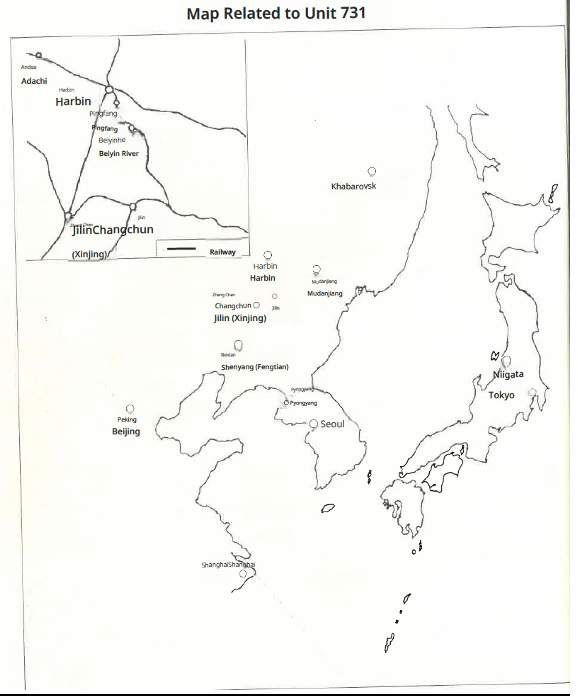
Why choose Niigata? For one thing, it had not been bombed by the U.S. There also may have been personal connections in the region that facilitated the decision to base BW operations there. But Niigata also appears to have been an embarkation point for Unit 731 personnel going to and from Japan and Ishii’s headquarters in the Harbin area inside Japanese-occupied China. I found two different eyewitnesses involved in the BW work who testified to transiting Niigata as the “embarkation point” for their travel between Tokyo and Harbin.3 Hence Niigata would have been a convenient site, halfway between Ishii’s lab at the Army Medical College in Tokyo and his primary BW headquarters in Pingfan, just outside Harbin in Manchuria.
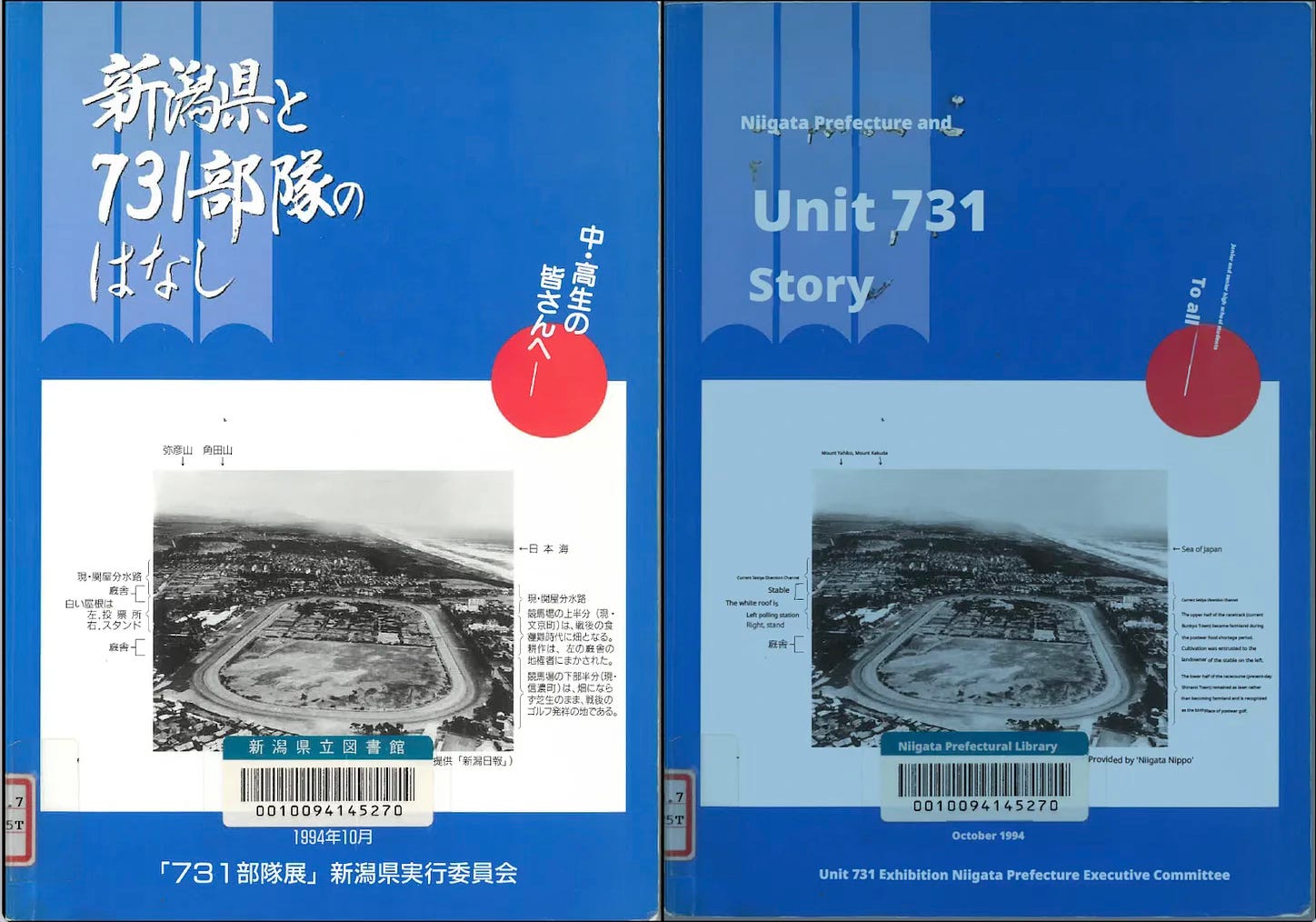
Niigata Nippo described how a branch office of Japan’s wartime BW research and pathogen production, which had centered around the Army Medical School’s Epidemic Prevention Research Laboratory, was opened inside a former racetrack in Niigata. The Medical School’s “epidemic research” lab had been founded by Shiro Ishii in Tokyo in the early 1930s.
The Niigata Nippo article further determined that at the conclusion of the war, biological bomb warheads and other biological warfare materials in the Niigata area, including rat cages, were dumped in the ocean adjacent to Niigata. (For further details, see the article, “Fu-Go Reconsidered: Japan’s WW2 Balloon Offensive, Unit 731, and the Manhattan Project.”)
A 1994 investigation by a citizens group in Niigata, the “Niigata Prefecture and Unit 731 Footprint Research Committee”4 (731FRC), was able to establish that the Niigata branch office opened in April 1944, and that the rationale for its existence was to move BW operations in Tokyo out of danger of U.S. air raids. While very few raids had occurred on Japan’s main islands before 1944, Japan’s high command must have been aware that beginning in 1943, the U.S. had begun producing “the B-29 Superfortress, a super-bomber that had longer range than previous aircraft.” It was only a matter of time before they would come within operational range of Japan’s home islands.5
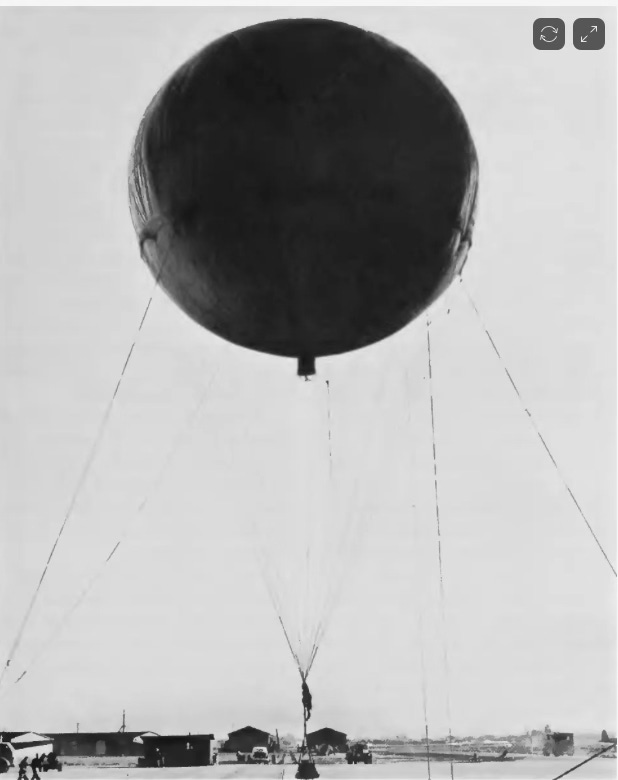
At least some of the work in Niigata involved the production of biological agents meant for use in Japan’s secret Fu-Go balloons sent over the U.S. and Canada in the late fall, winter, and early spring of 1944-45. This was consistent with my own finding in declassified FBI files that some of the Fu-Go balloons had carried anthrax, and possibly plague pathogens. Until I uncovered evidence otherwise, it was largely believed the Fu-Go balloons only carried incendiary or small explosive bombs.
In my September 2025 article on Fu-Go, I concluded that rather than an odd, stand-alone, quixotic attempt to respond to the U.S. bombing of Japan’s homeland in the early years of World War II, the Imperial Army’s Fu-Go high-altitude balloon attacks of 1944-45 on North America were an integral part of Japan’s biological warfare program.
In the current article, I will address how, worried about the devastation threatened by ongoing U.S. bombing of Japan’s home islands, the Army Medical School and its BW “epidemic prevention laboratory” sent a copy of its biological warfare research data to be secured in Niigata. Moreover, the U.S. discovered this hitherto secret BW archive as early as November 1945 and proceeded to obtain the experimental results from this research for its own biological warfare program. I will then proceed to undertake a deeper examination of Unit 731 activities in Niigata.
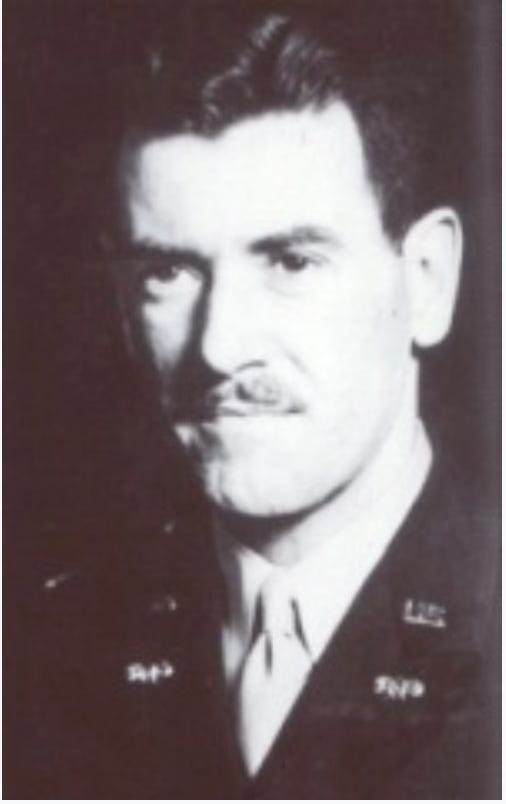
According to a statement appended to a November 9, 1945 memorandum from Lt. Colonel Murray Sanders, a duplicate set of records of Japan’s BW work held at the Army Medical School in Tokyo was found in Niigata (see PDF pgs. 5 and 21). Sanders was a bacteriologist at the U.S. Army’s Chemical Warfare Service headquarters at Camp Detrick and the CWS’s first lead investigator on biological weapons research sent to Japan after the war.
The 1987 Niigata Nippo series on Unit 731 and the Army Medical School’s branch office in Niigata portrayed Sanders’ interrogation of Unit 731 personnel in Niigata in a more dramatic fashion than Sanders’ own bland account. In fact, the Japanese newspaper all but accused the Army interrogators of torture.
One day in early autumn, a little more than a month after the end of the war, several U.S. Army jeeps passed through the main gate of the Niigata Branch of the Army Medical College (formerly Niigata Race Track)….
The jeep was not carrying GHQ soldiers stationed in Niigata, but a survey team from the U.S. mainland, headed by Lieutenant Colonel Sanders, who had been dispatched to investigate the balloon-bomb project. The U.S. military was aware that Niigata was the base for the operation to install a bacteriological weapon in the balloon bombs.
The severe interrogations were repeated day after day. Among them, Lieutenant Colonel Ryoichi Naito and Major Junichi Kaneko were repeatedly called to the interrogation room. They were asked, “What were you trying to do in Niigata?” “Did they dump evidence into the sea?” The questions were relentlessly repeated. It was a critical point in the war criminalization process, but neither Naito nor Kaneko ever gave the necessary answers. [Niigata Nippo, August 13, 1987, “The Black Warhead: Secrets of the Niigata Branch Office of the Army’s Quarantine Research Laboratory,” pg. 20, parentheses in original.]
The discovery of the Niigata records contradicted what American interrogators had first been told, which was that the Army Medical School’s BW records had been destroyed in the U.S. firebombing of Tokyo. Yes, the Tokyo records had been destroyed in the U.S. firebombing of Tokyo that took place on April 13/14, 1945. But copies had been stashed in Niigata months before. This was the conclusion of an extraordinary document, Niigata Prefecture and the Unit 731 Story, a booklet published in 1994 by an ad hoc citizens group in Niigata in the wake of newspaper revelations that the city had become a center for Unit 731 activities in the final years of the war. This booklet, which has never been published in English, will be examined in greater detail below.
Modern histories about Unit 731 emphasize that the U.S. government made a deal to swap amnesty for war crimes conducted by Japan’s biological warfare criminals for access to their records and research on BW weapons. But the fact remains that at least some of this material — perhaps even the bulk of it — had already been captured by the U.S. military scientific establishment before offers of amnesty were ever made.
One question immediately arises regarding the Niigata BW archive: How did it survive the document destruction ordered by the Japanese government at the time of its surrender? Regarding the Imperial Army’s destruction of its BW documentation, CIA historian Stephen Mercado wrote in 2002:
On 15 August [1945, the same day Emperor Hirohito announced the surrender of Japan], Army Affairs Section ordered the destruction of all materials pertaining to the military’s ‘special research.’ First on the list was the Noborito Research Institute and its balloon bomb program. Also listed was the Kwantung Army’s Unit 731, which had conducted lethal experiments on captives to develop biological weapons. (Stephen C. Mercado, The Shadow Warriors of Nagano: A History of the Imperial Japanese Army’s Elite Intelligence School, Potomac Books, 2002, p. 176. Kindle Edition, material in brackets added.)
In addition, according to the website on Military Archives that are held by the National Institute for Defense Studies, a “think tank” at Japan’s Ministry of Defense, the bulk of Japan’s military documents “were destroyed by the military at the surrender of Japan in World War II, and the rest were scattered.”
The leader of Unit 731, Shiro Ishii, also issued his own order to destroy documentary evidence. How did the Niigata archive escape that fate?6
The Niigata materials were not captured by the U.S. until early November 1945, or late October at the very earliest. This was over two months after Japan’s surrender and the Imperial Army’s order to destroy all documentation.
My own hypothesis is that Ishii and his collaborators had rescued or retained certain documents in case 1) Japan would ever be able to regain its sovereignty and reassemble its BW program, and/or 2) Ishii and others may have believed that retention of certain documentation might be of potential bartering value should the question of an amnesty-for-documents trade be proffered.7 I suppose it is possible that the Niigata archive had simply been overlooked during the period of document destruction, but I find that highly unlikely.
Below is a screenshot of the first page of Murray’s November 9, 1945 memo to General MacArthur on “Supplementary Biological Warfare Information,” followed by Murray’s addendum on the Niigata BW archive. These documents were released to me by the U.S. National Archives along with transcripts of Murray’s interrogations of Lt. General Tadakazu Wakamatsu, former Vice War Minister for Japan; Lt. General Torashiro Kawabe, Assistant Chief of the Japanese General Staff; General Yoshijiro Umezu, Chief of Staff for the Imperial Army’s General Staff; and General Sadamu Shimomura, Japan’s then-current War Minister, but who had been Commanding General of the Japanese Army in Northern China from November 1944 to August 1945. All of these are available for download at the following link: https://www.documentcloud.org/documents/28098515-supplementary-bw-information-incl-niigata/
As you read the documents below, consider that while they were declassified over two decades ago, no U.S. or Western historian (that I know of) has ever noted the presence of the Niigata tranche of BW documents. Moreover, once they passed over into the hands of U.S. Army authorities, it is impossible to know exactly what happened to them. Subsequent reports by U.S. Chemical Corps officials on Japan’s BW operation never mention Niigata. (See, for example, Lt. Col. Arvo Thompson’s May 31, 1946 “Report on Japanese Biological Warfare (BW) Activities.”)
What we do know is what Sanders intended to happen. The records were to be transferred to “the Committee for Surveying Medical Activities in Japan and thence through channels to the War Department, Washington.” Once there (or perhaps while they were transiting the medical surveying committee in Japan), they would “be translated and,” Sanders wrote optimistically, “should supply the final data for the investigation of Japanese activities in BW.”
In the end, the Niigata records must not have been considered complete, as Detrick sent at least three more investigating teams to Japan to interview Japan’s BW scientists and military enablers. In early 1946, as mentioned above, they sent Veterinary Corps Officer, Lt. Colonel Arvo Thompson, an expert in bacteriological warfare. He was followed by the visit of the head of CWS’s Plant Biology Division, Norbert Fell, Ph.D. in Spring 1947, and Detrick scientists Dr. Edwin V. Hill & Dr. Joseph Victor later that autumn.
According to the history of these events written by Peter Williams and David Wallace, and published in their 1989 book, Unit 731: The Japanese Army’s Secret of Secrets ,8 it was Sanders who came up with the idea of offering amnesty to Japan’s BW scientists and their staff as payment for obtaining the records of their research. Sanders told Williams and Wallace that he had been concerned that Japan’s BW work would be obtained by the Soviets. He brought the amnesty idea to MacArthur in Tokyo and the general approved it. The full tale of that deal stretched out over many months, and I highly recommend reading John W. Powell’s seminal 1980 article, which exposed many of the details surrounding the U.S. deal with Unit 731, Japan's germ warfare: The U.S. cover-up of a war crime in Bulletin of Concerned Asian Scholars, Vol. 12 (4).
Under interrogation by Sanders and his assistant, Lt. Harry Youngs, Japanese officials portrayed Japan’s BW research as only defensive, a reaction to alleged Soviet biological warfare activities. Sanders, in November 1945, was dubious about such claims, but felt they needed to be followed up. In any case, no one has ever substantiated the claims of Japan’s BW officials that “anthrax, cholera, and dysentery were deliberately spread in northern Manchuria by Soviet agents” (“Supplementary Biological Warfare Information,” PDF pg. 22).
In the version of events described by Williams and Wallace, frustrated with the failure of Japanese scientists to tell the full truth, by early September 1945 Sanders threatened to turn them over to the Soviets unless they were straight with U.S. authorities. Murray Sanders related these events to Williams and Wallace:
[Unit 731 leader, Lt. Colonel Ryoichi] Naito came in one afternoon and I was sitting there, very dejected. “I’ve lost face,” I said. “I am a total failure as an inquirer. I am being sent home and a much tougher man is begin sent to take over the investigation. I’ve been too kind to you.” I’d given him rations and helped his family. Now, I told him I was going to call in the Russians, our Allies. It was time the Soviets were involved, I said. He went home early that day. [Willams & Wallace, 1989, pg. 132, Hodder & Sloughton]
Sanders’ subterfuge worked. “Next morning,” Williams and Wallace wrote, “Naito… produced a handwritten document… laying out the organization of the Boeki Kyusuibu (Water Purification Unit) and admitting that it had been engaged in biological warfare. Naito denied, however, that any prisoners had been used as ‘experimental guinea pigs’” (Ibid., pgs. 132-133.) As is well-known today, Naito was lying about the human experiments.
Naito played a major role in Unit 731’s activities, and as I showed in my article on the Fu-Go balloon attacks, he was also involved in the project to deliver biological agents via free balloons to North America in the period November 1944-April 1945. In any case, Naito’s document and the discovered records in Niigata were deemed inadequate or incomplete to the scientists back at Detrick, who sent more investigators to Japan.
Williams and Wallace did briefly mention the Niigata tranche of documents, and the production of germ war pathogens in Niigata, in their book on Unit 731. But Sanders must not have told them that he had secured that material, and certainly said nothing about what was in the archive. Here is the entire relevant section from their book:
During the latter part of the war, mass germ production and other records and facilities are believed to have been transferred from the Bōeki kenkiyū-shitsu to military medical establishments in Akita Prefecture9 and to Niigata. American B29 bombers had already done much of the destruction work that April when they razed the Army Medical College to the ground. [Willams & Wallace, 1989, pg. 87, Hodder & Sloughton]
Bōeki kenkiyū-shitsu was the official name of the Epidemic Prevention Research Laboratory founded by Shiro Ishii back in 1933. The lab was attached to the Department of Epidemic Prevention at what was then “the newly built Army Medical College in Wakamatsu-chō, Tokyo (Ibid., pg. 9). By 1942, according to Williams and Wallace, the Epidemic Prevention Lab “had by then become a high-security establishment surrounded by two separate guard fences” (pg. 71). Its budget was a state secret, and kept separate from that of other departments at the Medical College.
Whether it was a wartime measure or related more to its clandestine nature, reportedly there was a “large underground BW factory… built into the cellars of the Bōeki kenkiyū-shitsu…. [where] a sophisticated mass bacteria production conveyor line” produced pathogens, presumably for BW experiments and germ weapons (Ibid., pg. 71). Ultimately, the bacteria production was moved to Unit 731’s headquarters in Pingfan, Manchuria, according to Williams and Wallace’s account.
According to the 1987 investigation by Niigata Nippo at least some of the plague production was moved to Niigata, or at least the facilities for that were being constructed in the period prior to the end of the war.
Williams and Wallace’s book portrayed the lab unit as an intellectual gathering place for biological warfare researchers. There were lectures and seminars, often led by Ishii himself, in addition to social events, such as film showings and banquets. One group of lectures aimed at training “the Kenpeitai10 on how to assist Army medical officers in their BW duties” (Ibid., pg. 71).
One reason the lab was such an intellectual center was that in its dual role it was also an important site of vaccine research. Williams and Wallace noted that it was via such vaccine research that Ishii was introduced to “the new process of lyophilization or freeze-dry preservation… vastly increasing [BW’s] potential.” Among other things, lyophilization made “possible the shipment of disease toxins” (Ibid., pg. 72). In addition, according to Unit 731 researcher, Surgeon Major Motoharu Sakuyama, lyophilization helped enable certain BW techniques:
Infection via the nostrils by means of a drug powder was successful.
The success of the dry preservation of disease toxins made possible the contamination by a pulverized spray applied to the nose, eyes and wound. [Williams & Wallace, pg. 72]
It’s worth noting in passing that Japan was not alone in exploring the benefits of freeze-drying infectious pathogens. The scientists at Detrick were working on the same thing around the same time. See Volume II of Rexmond C. Cochrane’s History of the Chemical Warfare Service in World War II, particularly PDF pages 328-329, 337 and 588.
It is still unknown today how much Shiro Ishii, the chief of Unit 731, and his associates had been able to hide from U.S. investigators. Importantly, it also unknown how much that was obtained by U.S. agencies has been withheld from the public. The main import of my investigation into the Fu-Go balloon attack has to do precisely with how much U.S. military and intelligence agencies have been able to keep out the full Japanese BW story from history books, presenting us instead with an alternate, partial or misleading narrative of events.
The above brief review of the activities of the Epidemic Prevention Research Laboratory at the Army Medical College in Tokyo demonstrates the importance of the work done there, and therefor of the records of this institution, which were copied and sent to the new Niigata branch of the epidemic lab in April 1944.
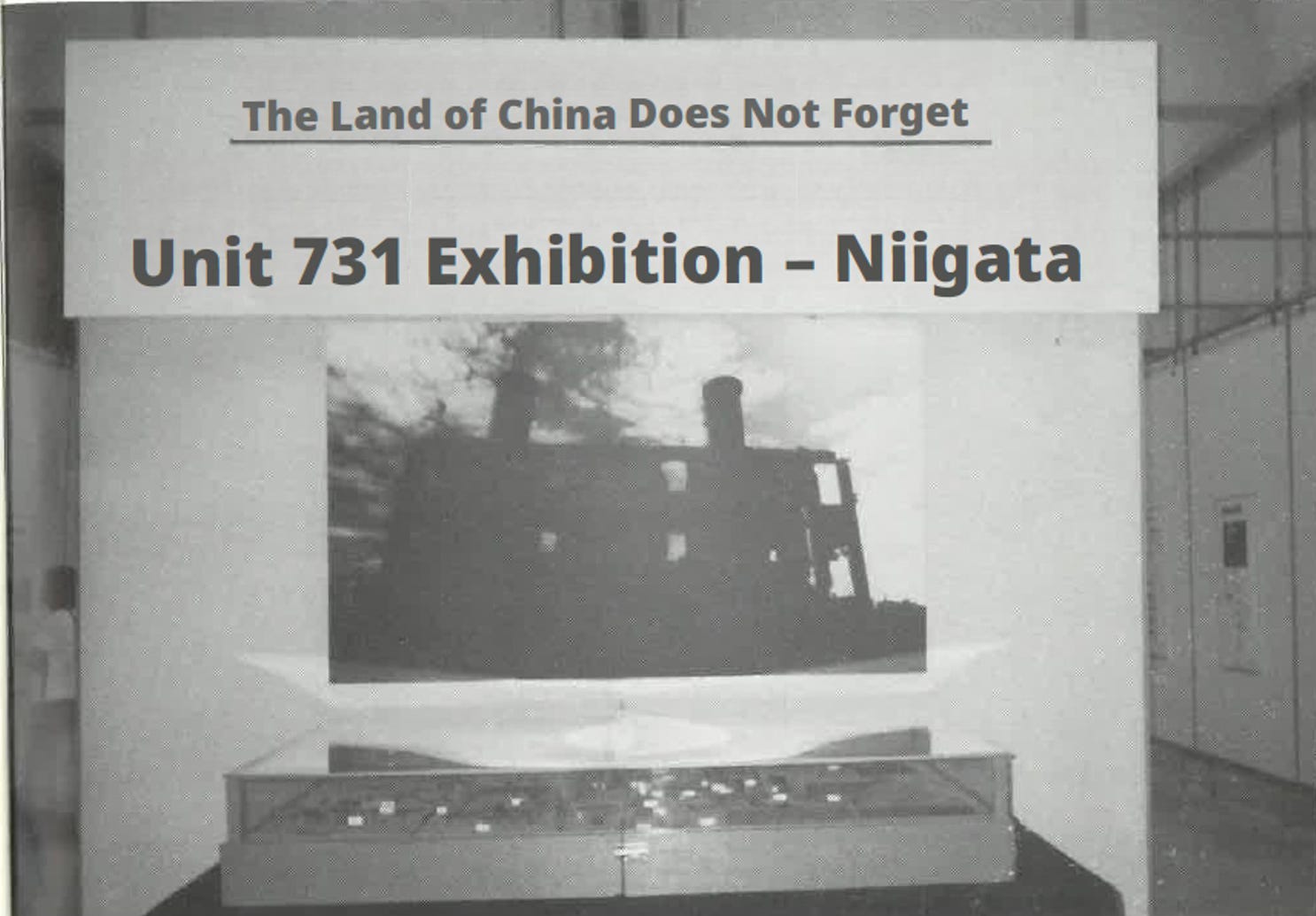
The Niigata Nippo investigation into the presence of a biological warfare unit in Niigata caused a big stir locally. It coincided with an upsurge in public interest in accountability related to Unit 731’s crimes which was making headway in Japan at that time. In 1994, a ‘731 Unit Exhibition’ was “organized by Japanese individuals.” According to 731FRC’s booklet, historian “Keiichi Tsuneki [Tsuneishi] of Kanagawa University and Miyoko Matsutani, the fairy tale author of 'Ryū no Ko Tarō [Taro the Dragon Boy],' served as catalysts, bringing together the efforts of many collaborators” (Niigata Prefecture and the Unit 731 Story, pgs. 1 and 17, material in brackets added).
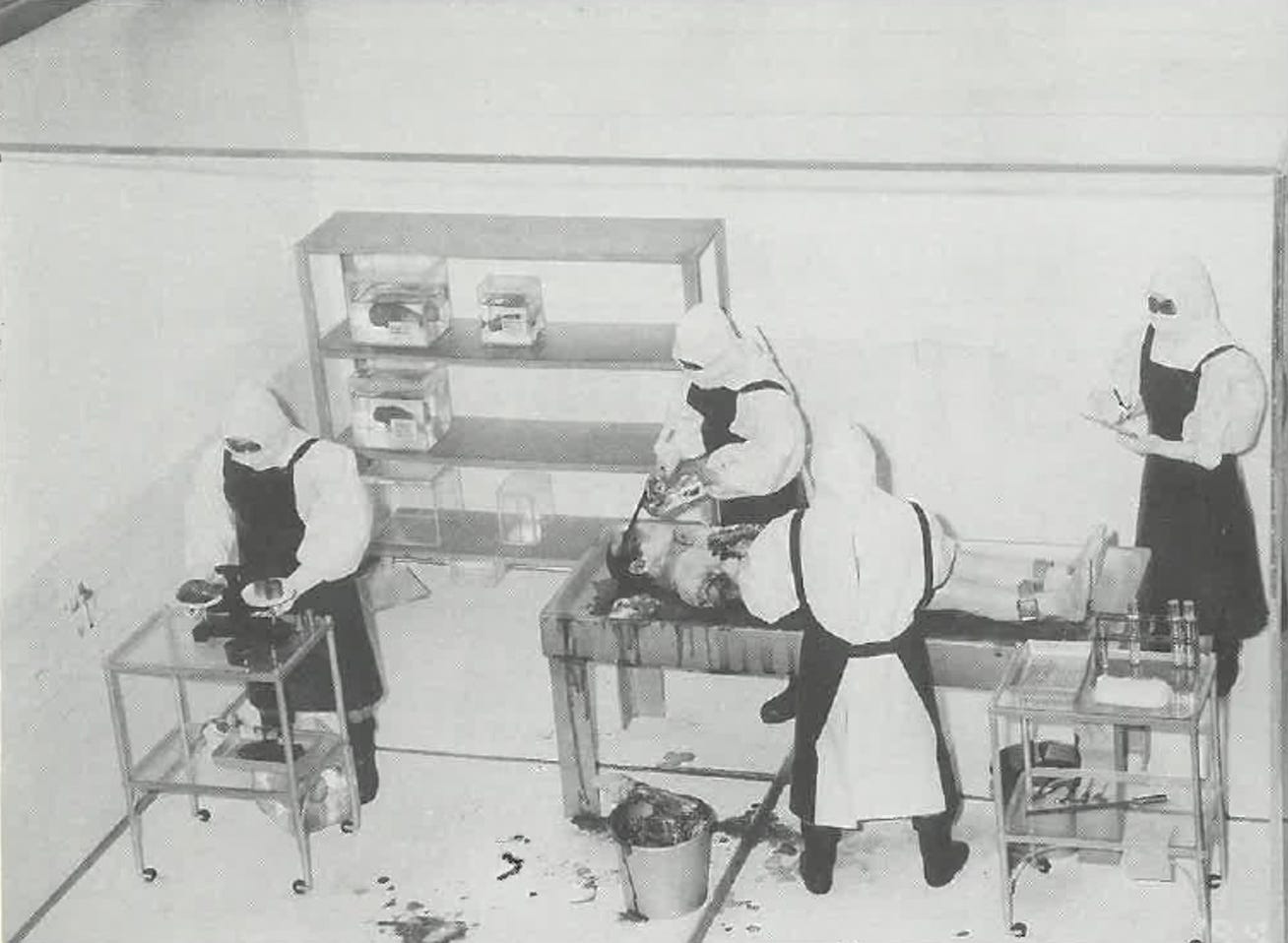
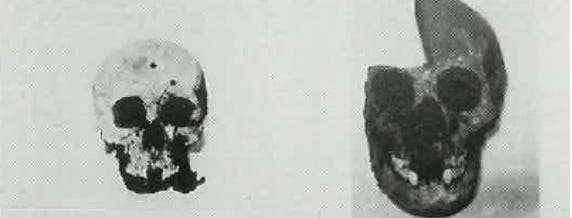
In 1994, ‘Unit 731 Exhibitions” were held “nationwide in locations such as Tokyo, Kanagawa, and Osaka, drawing significant public attention.” According to the authors of the booklet, Niigata Prefecture and the Unit 731 Story, the touring exhibit was “powerful and impactful… featuring an extensive array of panels with photographs, charts, and maps; authentic artifacts such as bacterial bombs (ceramic), rat breeding cages, flea culture boxes, human bones discovered at the site of the Army Medical School; numerous film records; as well as lectures and symposia” (Ibid., pg. 17).
A Unit 731 exhibition was held in Niigata “from June 17 to 22, 1994, in the third-floor exhibition hall of the Niigata Prefectural Civic Center” (Ibid., pg. 1).
Some 3,000 people attended the Niigata Unit 731 showing. But the success was tempered by the realization by members of the community that attendance by teens and young adults had been poor. The problem was taken up by the Niigata Prefecture and Unit 731 Footprint Investigation Committee, an ad hoc committee with 19 members made up of teachers, a journalist11, and others local figures, backed by an Executive Committee drawn from distinguished members of the community. The formal name for their working committee was the “Investigation Committee on the Historical Traces of Niigata Prefecture and Unit 731.”
The Executive Committee for the Footprint Investigation Committee was chaired by Usuda Shigeru from the Niigata Prefecture Peace, Environment, and Labor Union Council. There were 18 people on the committee, including a number of physicians, labor unionists, and women’s rights advocates. The group included other political activists, including Kenichi Endo, Chairperson of the Niigata Prefecture Atomic Bomb Survivors Association, and Takamichi Nagai, Chairperson for the Prefectural Executive Committee for the Demand to Enact the Basic Law for Buraku Liberation.
“[C]oncerned by the low attendance of young people who will bear the responsibility of the coming era,” the Investigation Committee “planned the publication of a booklet for middle and high school students focusing on this Niigata exhibition, and entrusted the editorial work to the ‘Niigata Prefecture and Unit 731 Footprint Investigation Committee.’ Thus, within a short period, an accessible booklet titled ‘Niigata Prefecture and the Unit 731 Story,’ centered on the relationship between Niigata Prefecture and Unit 731, was completed” (Ibid., pg. 1).
The members of the “Footprint” committee took their assignments very seriously. As they wrote in their report:
Many aspects of the full scope of Unit 731 in Niigata Prefecture remain to be clarified. Nationwide, the full extent of Unit 731 is gradually being uncovered through successive testimonies from former Unit 731 members.
As evidenced by the complete removal of the description of Unit 731 in the third lawsuit of the Saburo Ienaga textbook trial,12 it appears that many historical facts remain deliberately concealed.
However, as the saying ‘Those who do not forget the past are teachers for the future’ suggests, we cannot fulfill our responsibility to prevent the recurrence of historical mistakes without each individual knowing the facts of history. [Niigata Prefecture and the Unit 731 Story, pgs. 2-3]
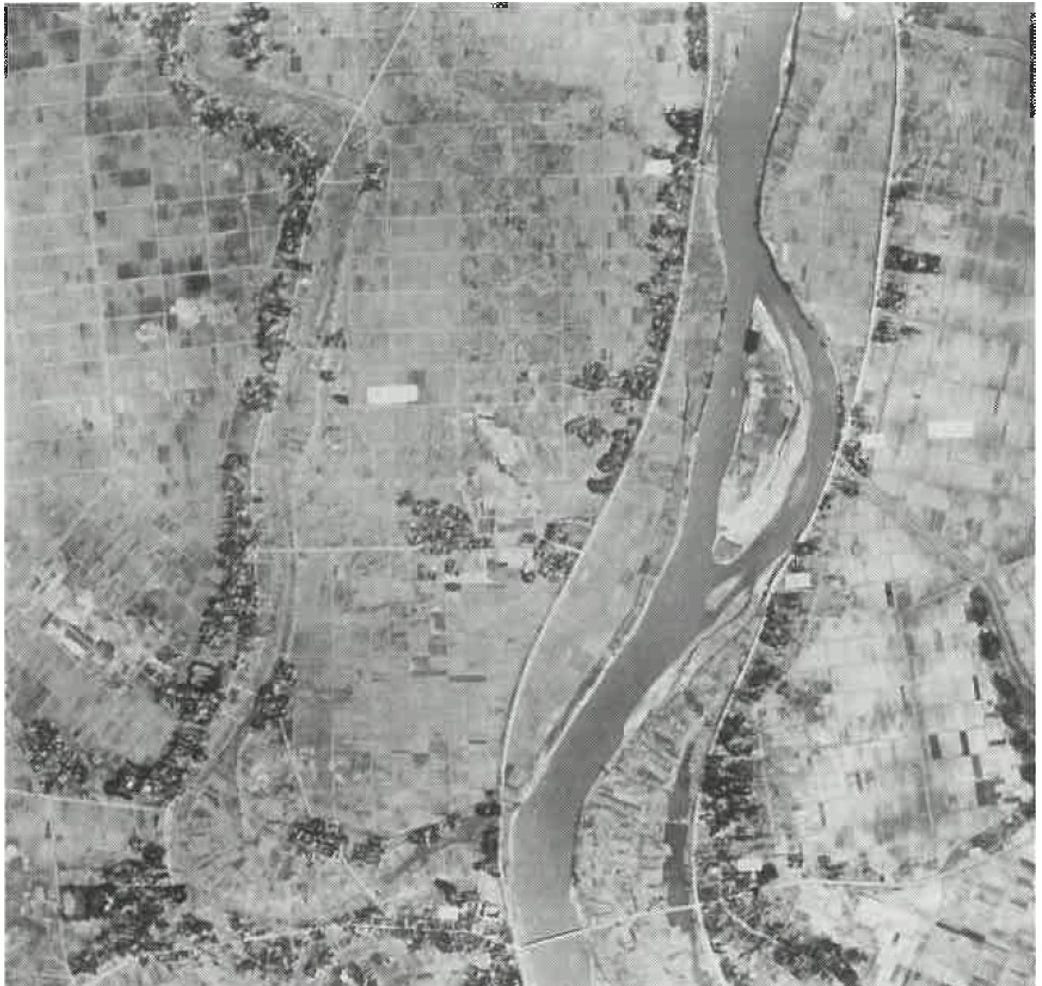
The 1987 series at Niigata Nippo had “confirmed that shortly before the defeat [of Japan], quarantine research facilities intended for biological warfare were established on the Shinano River sandbank in the former Ōsato Village (present-day Shirone City) and at the former racetrack in Niigata City” (material in brackets added; material in parentheses are in original — Ibid., page 1).
The “Footprint” Committee’s attempt to investigate the evidence still extant, including eyewitness testimonies, was frustrated in many ways. The old government secrecy, the censorship of the documentary record, and the reluctance — through fear or loyalty — of relevant actors to speak about their BW activities or knowledge meant that “many aspects” of the BW story in Niigata “remained unresolved” (Ibid, pg. 4).
The relocation of the Epidemic Prevention Research Laboratory to Niigata is an undeniable historical fact; however, related municipal histories, with the exception of the ‘Ōsato Village History,’ make no mention of it. Even the Niigata Prefectural History and Niigata City History, both compiled with numerous professional historians as contributors, do not record this historical fact. This can only be described as unnatural; however, it may precisely indicate how secretive the relocation of the Epidemic Prevention Research Laboratory to Niigata was.” [Niigata Prefecture and the Unit 731 Story, pg. 5]
For the many schoolteachers who made up the bulk of the “Footprint” Committee, the attempts to bury the history of Unit 731 in their community inspired resistance. “Those who do not forget the past are teachers for the future,” they believed.
“[W]e cannot fulfill our responsibility to prevent the recurrence of historical mistakes without each individual knowing the facts of history,” wrote Akio Kimura in the final committee report (pg. 2). Kimura was a teacher at Niigata East Technical High School and served as Director of the Committee’s Secretariat. “The reason we earnestly wish to urgently uncover even a small portion of the concealed historical facts lies precisely therein,” Kimura added (Ibid.).
Noble sentiments, to be sure! But Kimura and the others on the Footprint Research Committee discovered that the past would not easily give up its secrets.
Our investigation revealed that the gag orders imposed during wartime deployment to the Ishii Unit, and those reinstated upon Japan’s defeat and disbandment, continue to function effectively even after half a century.
Furthermore, there exists, naturally, a fear of personal accountability, alongside a psychological desire to forget unpleasant memories and an unwillingness to discuss them. Naturally, since they were employed, those involved were quite reluctant to speak openly. (Niigata Prefecture and the Unit 731 Story, pg. 39)
It was not simple either to get more clarity on U.S. activities in Niigata after the war.
Shortly after the war, the U.S. military conducted an investigation to clarify the full scope of the Army Medical School Niigata Branch Office, but the details of that investigation have still not been disclosed. Furthermore, those who held key positions there have steadfastly maintained their silence and have not revealed the facts. [Ibid., pg. 29]
Despite all the setbacks, the Niigata investigating committee was able to obtain some new testimonies.
There was, for instance, “Kenji Kikuguchi, a resident of Yoitamachi” in Niigata Prefecture, who worked for six months in 1945 “as an employee at the Kwantung Army Epidemic Prevention and Water Supply Department Headquarters—specifically, Unit 731 located in [Pingfan] on the outskirts of Harbin.”
Mr. Kikuguchi had nothing to say about Unit 731 activities in Niigata, but he had plenty to say about what he witnessed when working for Unit 731 in Manchuria. The kinds of stories he told will sound familiar to those who are conversant with the crimes of the Ishii Unit, but will sound horrific to those encountering such things here for the first time.
At first Mr. Kikuguchi worked only on “military-related epidemic prevention, primarily focused on fundamental research (laboratory duties)…. I was responsible for the manufacture of culture vessels, bacterial cultivation, reporting research findings on topics assigned by the military medical officer, providing materials to the Army hospital, receiving research specimens, and, in the event of an infectious disease outbreak, conducting bacterial examinations at the unit’s gasu (company)” (Niigata Prefecture and the Unit 731 Story, pg. 27, parentheses in original).
But things changed in March 1945, as the workload at the Unit 731 headquarters in PingFan increased. Kenji volunteered for an assignment at Pingfan and “was assigned to the testing laboratory and was provided with official quarters” (Ibid.).
“I was assigned to Section 5 of the newly established Second Department whose section chief was Lieutenant Colonel Ikari, a military medical officer,” Mr. Kikuguchi said. “My duties involved bacteriological examinations and pathological testing. I also performed blood collection from the ‘Log’” — “Logs” being the term Ishii had given for the command’s experiment test subjects. Some of the experiments involved vivisection (Ibid.).
As Mr. Kikuguchi described it:
I was dispatched to the Adachi Special Experimental Facility, where I observed vivisection experiments.
What I witnessed was logs tied to pillars, with approximately five individuals present; nearby, experiments were conducted involving the detonation of objects containing bacteria to induce infection. We did not understand what bacteria were. [(Niigata Prefecture and the Unit 731 Story, pg. 27]
The former Unit 731 worker described another incident. There had been a “riot involving the Caucasian known as ‘Log.’” He apparently tried to escape from a laboratory, “but when he rushed out, both entrances to the corridor had already been sealed. Although the ‘Log’ attempted to flee, he was shot dead with a rifle” (Niigata Prefecture and the Unit 731 Story, pg. 28). From the context of the full interview, this “Caucasian” was likely a Russian prisoner.
Mr. Kikuguchi also described how, as the Soviet Red Army advanced through Manchuria in August 1945, Unit 731 staff rushed to get rid of the “logs.” Despite being dosed “with drugs or poison gas, cremation could not be completed in time, so they were cremated indiscriminately, and the bones and ashes were reportedly discarded into the Songhua River.” Kenji “personally witnessed that soldiers or juvenile members were involved in this” (Ibid.).
Another witness interviewed was 79-year-old Mr. T., “a former civilian military employee residing in Niigata City, who served for eight months as a staff member at the Niigata Branch Office.”
Mr. T. worked in the vaccine division, and apparently helped in procuring the raw eggs for use in vaccine production. The vaccines produced at the former Niigata Racetrack included those for cholera, typhus, and tetanus, “intended for use on the battlefield. But Mr. T told his interviewers that he was unaware that this work was connected to Unit 731” (Ibid.).
A third witness was another Mr. T (I’ll call him Mr. T2), a 63 year old agricultural worker, and from the context of the narrative apparently a member of the Buraku community, “an outcaste group in Japan, residing at the bottom of the traditional Japanese social hierarchy.”
Back in 1945, Mr. T2 had seen the military constructing facilities on the high section of a sandbank in the Shinano River. Given the difficulties getting people to speak about what they knew, and given the frustration that by 1994 so many witnesses had died, the Committee was excited to have found someone who could corroborate some of the reporting from the Niigata Nippo article.
Mr. T2 described what he had seen. He related what certainly sounded like the construction of a clandestine facility.
On the right half, separated by that blue fence, there were approximately ten small huts lined up. They were arranged along that fence towards the north. About four to five of the buildings had roofs, while the remainder consisted only of pillars….
“I had heard that the military was producing serum, and the people in the district said the same. However, that was the explanation given.
The military was intimidating, so I did not approach closely. However, I never observed any work being done during the daytime. It seems that neither soldiers nor civilians were seen during the daytime. Perhaps the work was conducted at night. I do not even know how the materials were transported; perhaps they were moved during the night. At that time, I saw five or six horses that were pitifully thin. Could it be that they were not producing serum with that? Moreover, the people in this area were not involved at all in the construction of that shed. [Niigata Prefecture and the Unit 731 Story, pp. 31-32]
While their investigation did not uncover as much as they had hoped, the members of the Footprint Investigation Committee felt they had helped contribute to the overall Unit 731 story.
“The Army Medical School Niigata Branch Office, which relocated to the Former Niigata Racecourse, still has many unresolved aspects concerning the nature of the organization and the research it conducted,” they wrote. “However, it is indisputable that, within the framework of the nation-wide aggressive war, the Niigata Branch Office was one of the principal pillars supporting Unit 731, which was at the core of the Imperial Japanese Army.”
After the war, according to the report put out by 731FRC, Unit 731’s Niigata facilities were not totally destroyed.
Through the efforts of Director Ryoichi Naito, the Army Medical School Niigata Branch Office (effectively the Epidemic Prevention Research Laboratory) was reorganized as the Niigata Branch of the Toshiba Biological and Physical Chemistry Research Institute, with 180 of the approximately 600 personnel from the former military period transferring directly. Ryoichi Naito was appointed branch manager, and Junichi Kaneko assumed the position of chief engineer. [Niigata Prefecture and the Unit 731 Story, pg. 21, parentheses in original]
The Toshiba facility “was responsible for the company’s vaccine manufacturing division, and amid the postwar deterioration of food and sanitary conditions, with the widespread prevalence of typhoid fever, paratyphoid fever, and diphtheria, it expanded its operations owing to the advantage of facilities, equipment, and staff that had not suffered war damage” (Ibid.).
By 1950, the vaccine unit had left Toshiba, and apparently existed as an independent entity until, in 1979 (Showa 54) it “became part of the Denka Chemical Industry Group. In 1982 (Showa 57), the company name was changed to Denka Seiken,” which still operates in Japan today (Ibid.).
The question certainly occurred to me whether Toshiba’s Niigata vaccine unit, later part of Denka Seiken, had been involved in the biological warfare activities of the Americans during the Korean War. Were biological toxins or organisms manufactured there for U.S. use in germ war weapons in Korea? At least one captured U.S. pilot, 1st Lt. Paul Kniss, told investigators from the International Scientific Commission in August 1952 that some U.S. facilities in Japan had been involved in the germ war. Kniss said that Tachikawa Air Base was where U.S. war planes were outfitted for spray apparatus for bacteriological aerosols.13 He also indicated the base could have been involved in assembling the germ bombs themselves.
I have not, as yet, completed my investigation to see if by 1950-53 any of the vaccine facility’s management had connections to Japan’s biological warfare project. Naito and Kaneko were involved in the immediate postwar years, but it’s not clear to me that their presence at the Niigata facility continued into the Korean War period. In 1950, Naito helped found the Green Cross blood bank, which was later implicated in a giant scandal for trafficking in HIV-tainted blood. (Another founder of Green Cross was Major General Masaji Kitano, commander of Unit 731.)
For the moment, the existence of Niigata’s postwar vaccine facility is a tantalizing topic, but one that is not (for now, anyway) connected to the later use of biological weapons by the United States.
The authors of 731FRC’s booklet provided a list of references on “materials related to Unit 731.” The list, reproduced below, appears on page 15 of the book. While the list is dated — no reference is later than 1994 — I am including it as a handy reference for Unit 731 materials that existed in Japan during the period in question.
• Keiichi Tsuneki [Tsuneishi], The Disappeared Bacteriological Warfare Unit, Narumi Publishing, 1981 (Expanded Revised Edition, Chikuma Shobo, 1993)
• Seiichi Morimura, The Devil’s Gluttony, Kobunsha, 1981
• Seiichi Morimura, The Devil’s Gluttony Continued, Kobunsha, 1982
• Seiichi Morimura, Notes on The Devil’s Gluttony, Banseisha, 1982
• Seiichi Morimura, The Devil’s Gluttony, Part Three, Kadokawa Shoten, 1983
• Sadao Koshi, The Rising Sun Flag is Red Tears, Educational Historical Materials Publishing Association, 1983
• Seiichi Morimura, No More The Devil’s Gluttony, Banseisha, 1984
• Shingo Takasugi, Pursuing Japan’s Auschwitz, Educational Historical Materials Publishing Association, 1984
• Jiro Takiya, The Slaughter Factory: Unit 731, Shin Mori Publishing, 1989
• Edited by Seiichi Morimura, The Judged Unit 731, Banseisha, 1990
• Ryuichi Hirokawa, Accusation from AIDS, Tokuma Shoten, 1992
• Han Xiao, translated by Yukiko Yamabe, Crimes of Unit 731, Sanichi Publishing, 1993
• Edited by Takao Matsumura, Controversy over Unit 731, Banseisha, 1994
• Keiichi Tsunetoshi, Organized Crime by Medical Practitioners, Asahi Shimbun Publishing, 1994
• Association for Engraving War Victims in Our Hearts (ed.), Unit 731, Tōhō Shoten, 1994
• Rumiko Nishino, Stories of Unit 731, Akashi Shoten, 1994
• Kanagawa University Editorial Committee (ed.), Medicine and War, Ochanomizu Shobō, 1994
• Quarterly Journal of War Responsibility Studies, No. 2 (Winter 1993), Japan War Responsibility Materials Center, 1993
• Edited by the Preparatory Committee for the People’s Tribunal on Japan’s War Responsibility toward Asia, War Responsibility, No. 2, Jukasha, 199[?]
I obtained the 40 page booklet, Niigata Prefecture and the Unit 731 Story, untranslated in Japanese, from Ms. Yuriko Tsukamoto, staff at the Defunct Imperial Japanese Army Noborito Laboratory Museum for Education in Peace at Meiji University, Tokyo, and I am indebted to her for this remarkable document, as well as the 1987 Niigata Nippo article. I subsequently obtained an online translation of the 731FRC document. At some point in the future, I hope that I can obtain a professional translation of that work. In any case, I considered the computer translation sufficient for the purposes of this article.
The original cover of the booklet, along with an English translation of the same, is embedded in the text of this article.
Another strong candidate for the accusation of U.S. use of BW against Cuba is found in the January 9, 1977 article in Newsday, “Cuban Outbreak of Swine Fever Linked to CIA”:
With at least the tacit backing of U.S. Central Intelligene Agency officials, operagtives linked to anti-Castro terrorists introduced African swine fever virus into Cuba in 1971. Six weeks later an outbreak of the disease forced the slaughter of 500,000 pigs to prevent a nationwide animal epidemic.
A U.S. intelligence source told Newsday he was given the virus in a sealed, unmarked container at a U.S. Army base and CIA training ground in the Panama Canal Zone, with instructions to turn it over to the anti-Castro group.
See Hal Gold, Japan’s Infamous Unit 731: Firsthand Accounts of Japan’s Wartime Human Experimentation Program, 2019, Tuttle Publishing, Kindle edition.
One member of Unit 731’s Youth Corps, “assigned to the Kwantung Army Epidemic Prevention and Water Supply Unit as a civilian employee,” testified years later, “In December, we left the port of Niigata and were taken to Harbin via Korea” (p. 164).
Another Youth Corps member had a similar story: “Our school had a three-month-long ‘Manchuria and Mongolia Development Volunteer Corps’ educational program, and after finishing that we were sent over to China. We were fifteen and sixteen years old, the youngest in our town to go overseas. We rode a night train for Niigata, our port of embarkation”(p. 187).
The use of the term “footprint,” as translated by the online service TransMonkey, can probably best be understood in English by the term “traces” or “vestiges.” The “Niigata Prefecture and Unit 731 Footprint Research Committee” was searching for vestigial evidence or “traces” or “footprints” left by Japan’s BW enterprise as it existed in Niigata during the war. The testimony of a man I’ve called in this article “Mr. T2” is an example of the kind of testimonial “footprint” the committee sought.
See Charles River Editors. The Firebombing of Tokyo: The History of the U.S. Air Force’s Most Controversial Bombing Campaign of World War II (Location 100), Kindle Edition.
In addition to the sources in the main text, British journalists Peter Williams and David Wallace also described in their 1989 book, Unit 731: the Japanese Army’s Secret of Secrets (Hodder and Stoughton, London), how Japan’s War Ministry in the final days of the war “set about the systematic destruction of all military documentation. A ‘Special Research Conduct Outline’ issued on August 15th by the War Ministry’s Military Affairs Section reveals that particular attention was paid to Units 731 and 100, as well as Fu (the codename for balloon bombs) and other weapons created by the ‘secret weapons’ 9th Army Technical Research Institute” at Noborito (p. 87, parenthesis in the original).
One version of Ishii’s conduct at the end of the war was described in Hal Gold’s 1996 book, Unit 731 Testimony (Yenbooks). The book was later reissued in 2019 as Unit 731: Firsthand Accounts of Japan’s Wartime Human Experimentation Program (Tuttle Publishing). The quote below is from the 2019 Kindle edition.
In Manchuria, Ishii boarded the train for one leg of the journey, during which he set forth his rules that members were not to take jobs in public offices, were not to contact each other from then on, and were to “take this secret to the grave.” He took films and records with him, and returned to Japan by plane. [Page 94]
A different edition of the book was published in the U.S. under the title, Unit 731: Japan’s Secret Biological Warfare in World War II (The Free Press/Macmillan). The latter edition removed the chapter on Communist charges of U.S. use of biological weapons in the Korean War. That chapter appeared only in the UK version, published by Hodder and Stoughton. The latter is the version I own, not the U.S. edition, so my quotes from that book, as in footnote 2 above, reference the UK edition.
I have not thus far been able to identify just what facilities were ostensibly transferred from the Bōeki kenkiyū-shitsu to military medical establishments in Akita Prefecture. Perhaps that was a false story.
“The Kempeitai [aka Kenpeitai] was Japan’s military police force in its occupied territories during World War II (1942–45). Specially trained in interrogation methods, the Kempeitai’s task was to crush all resistance to Japanese military rule, with the powers to arrest and extract information from civilians as well as military personnel.” — Singapore National Library Board (material in brackets added).
The Kempeitai responsibilities ranged from “requisitioning food and supplies” to running spy networks to the administration of POW and “comfort women” camps. “The Kempeitai was known for its brutality and the indiscriminate arrests of people with no or little evidence. Confessions were commonly obtained through various torture methods with no proper trials. Many captives died during torture and under harsh living conditions.”
As Daniel Dyson wrote in his Ph.D. thesis, “Unit 731 & the American Cover Up,” of the “20,000 staff under Ishii’s control, also included were the Kempeitai Military Police, who were responsible for rounding up Chinese civilians for testing for Unit 731.”
Note that some sources spell the Japanese police as “Kenpeitai,” while others spell the word in English as “Kempeitai.” I believe the latter is the more common spelling, and is what I use, though I’ve preserved the original source spelling in Williams and Wallace’s book.
The journalist was Hajime Katagiri, a reporter at Niigata Nippo. I do not know if Katagiri was involved in the “Black Bullet” investigation by the paper some seven years earlier.
The Saburo Ienaga textbook trials concerned a series of lawsuits by historian Saburo Ienaga for government censorship of school textbooks, which eliminated mention of the crimes of Unit 731, the “comfort women” scandal, and other wartime atrocities. An August 29, 1997 article in the International Herald Tribune, republished at The New York Times, explained the controversy:
It was only after 1945 that uncensored news of Japanese atrocities on the mainland first reached Japan. Racked by guilt over his lack of resistance to the war, Mr. Ienaga started to campaign for the abolition of the system under which government officials wrote school textbooks. But Mr. Ienaga savored only a partial victory.
U.S. occupation officials, afraid of a resurgence in Japanese militarism, abolished the old system of government-written textbooks. But they replaced it with a screening system forcing authors to submit manuscripts to the Education Ministry for approval before publication. The system was designed to weed out authors calling for Japan to take up arms again. But as soon as U.S. forces withdrew from Japan, bureaucrats started to use the new system to blot out or water down passages about Japanese war crimes, Mr. Ienaga contends.
Kniss’s admission carries more weight as the charge of the outfitting of spray apparatus for bacteriological aerosols at Tachikawa Air Base never appears in his materials produced via Chinese interrogators, which he later retracted back in U.S. custody and under threat of court martial for treason. The statement about Tachikawa was made only in response to a question from ISC member Dr. Andrea Andreen, a Swedish clinical laboratory director from Stockholm. In my opinion, this enhances the credibility of Kniss’s statement.
Comments
Nothing yet. Say the first thing.
Sign in to join the conversation.