
This monthly missive is a way for me to make connections with people interested in art and creativity in order to inspire a more satisfying and thoughtful daily life. I’m an author and editor, always on the lookout for inspiration.
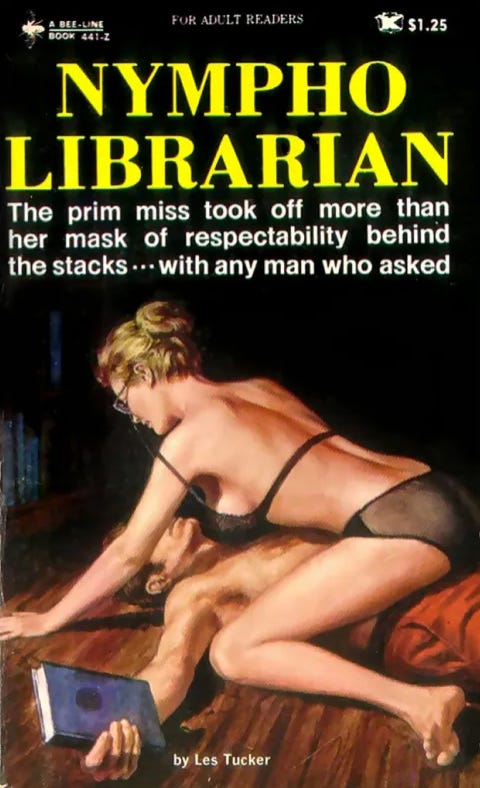
A few months ago, I had the realization that everything in the entire world ultimately revolves around sex.
I’d just finished reading David Szalay’s novel Flesh (winner of the 2025 Booker Prize) and was reeling from how utterly depressing I found it. I agree with The New York Times: “[In this story] we are living in a world that lacks moral champions, and Szalay’s book makes you feel their absence like a physical ache. I admired this book from front to back without ever quite liking it...”
After finishing, I sat back and considered the novels I’d just devoured in flurry (as I was preparing to launch into a deep edit of my own work): Good Girl by Aria Aber; On Chesil Beach by Ian McEwan; Lady Chatterley’s Lover by D.H. Lawrence and of course, Madame Bovary by Gustave Flaubert. All very different — yet, what is the engine that drives each of them?
Yes, SEX.
Last week I sent the fully revised manuscript of my novel to my agent and it included a new epigraph from Lady Chatterley’s Lover:
“The cataclysm has happened, we are among the ruins, we start to build up new little habitats, to have new little hopes… We’ve got to live, no matter how many skies have fallen.”
Other quotes alluding to the power of sex felt too on-the-nose — this one, I felt, speaks to our current modern dilemma: how to live fully and happily when the world is going to hell.
Is this my book’s theme?
My novel, Madame B is set in 1965, a liminal moment between old and new, a time when American cities were burning or soon would be. The intersection between the private and the public is precisely where we all must live… not a bad spot for a story to linger.
I’d plucked my old copy from my father’s bookshelf in London, reminiscing about what the story had meant to me as a teenager and thinking about what it means to me now.
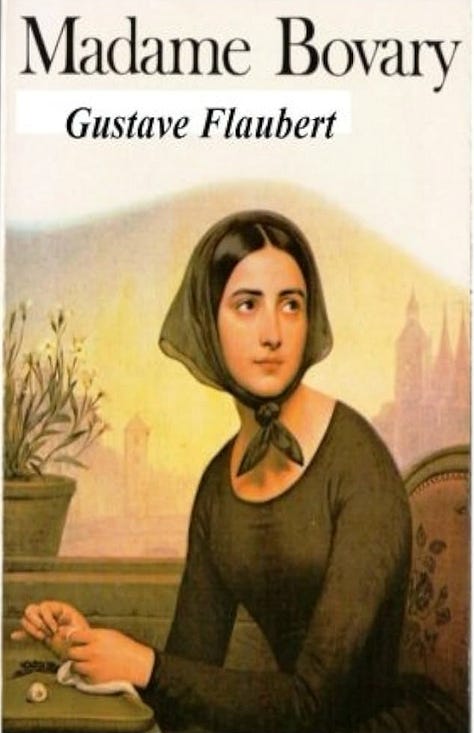
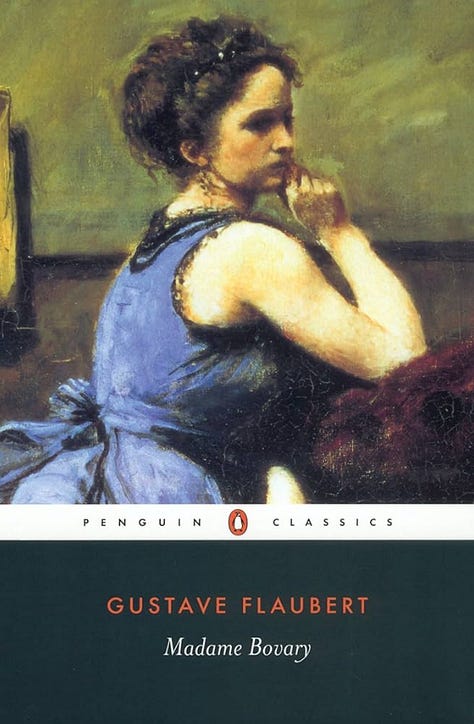
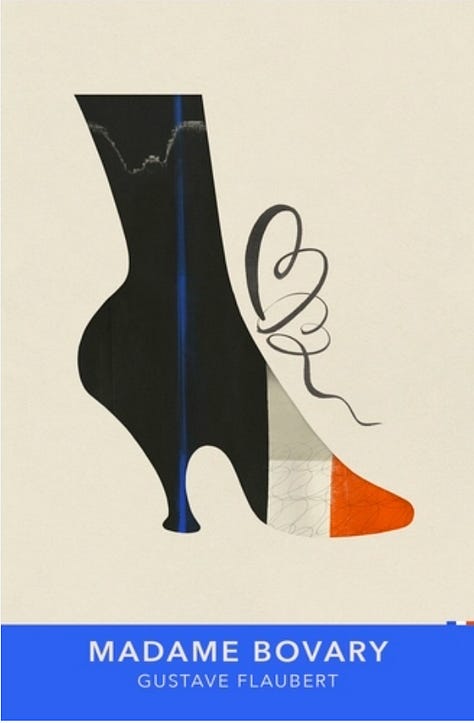
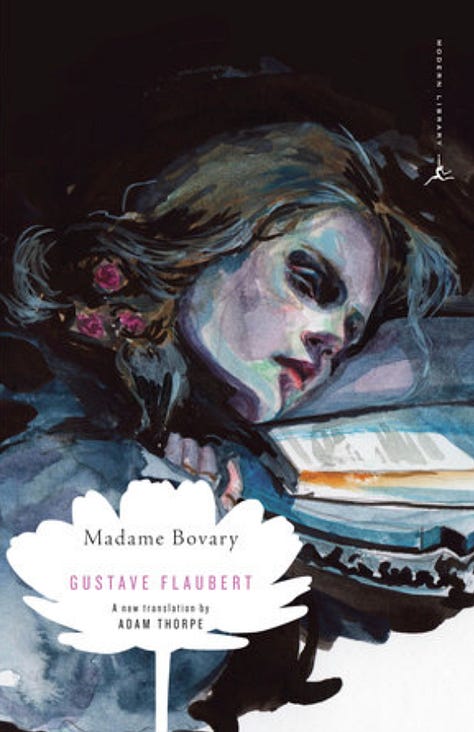
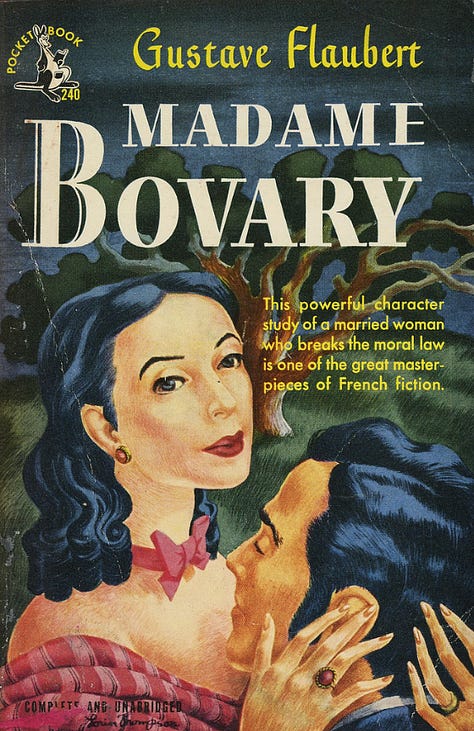
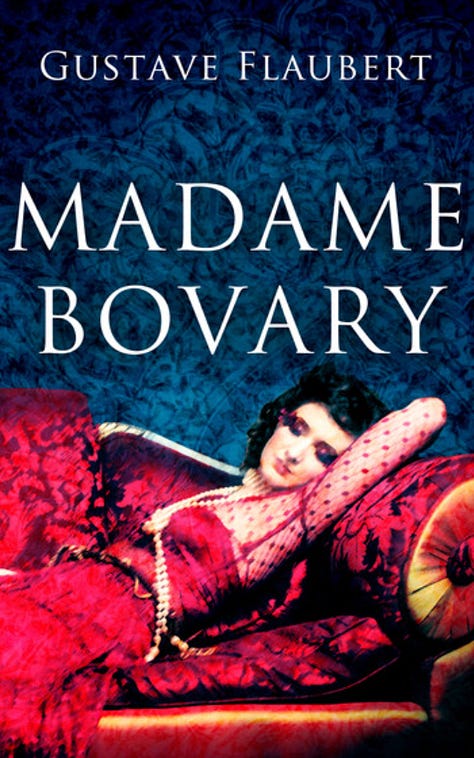
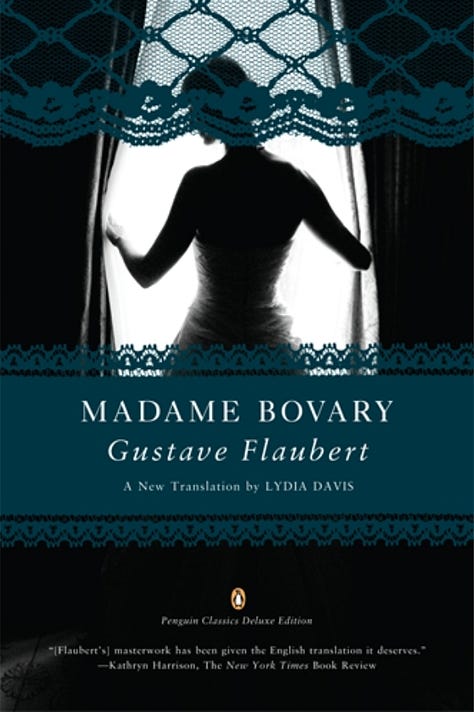
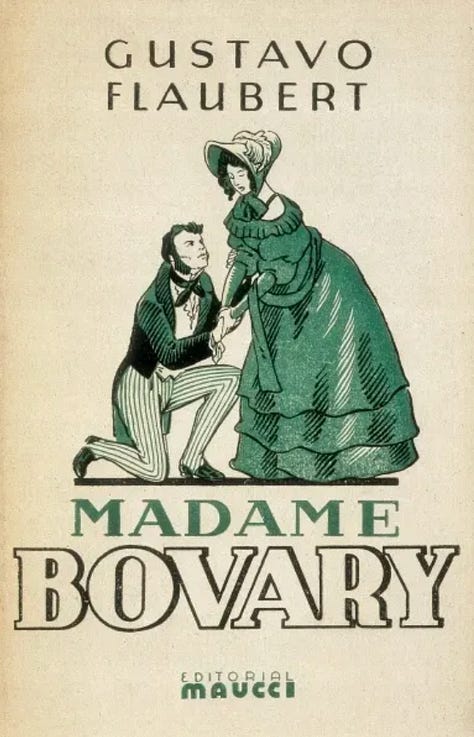
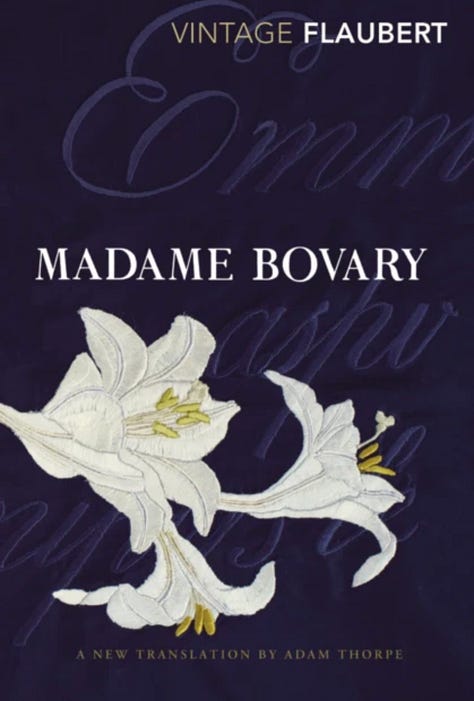
Books mean different things to us at different stages of our lives, of course. It’s such an old fashioned form of storytelling: old fashioned because it’s the OPPOSITE of everything modern. Novels are slow to consume, long to create, take years to distribute, appeal to a small group of people, and have the potential to live on for centuries. Their inherent complexity allows us to read into them exactly what we need at any given moment.
I raced through Lady Chatterley’s Lover, barely remembering the plot. The book had expanded for me in terms of meaning and this was thrilling. Initially, I saw it as a daring exploration of what happens when you allow the primal to take precedence over societal forces. Years later, its impact lies less in the idea of rebellious sex and more in its exploration of self. How do we become fully ourselves? Can we ever know who we really are and who we want to be, or who we are capable of becoming? And, finally: how do we reconcile this knowledge of our selfhood with the world we live in?
When I first read Madame Bovary I was moved by the dangerous intensity of Emma’s longing — dangerous because it’s pointed in the wrong direction. She is selfish and self-deluded, but her passion elicited empathy in me. Now, as an adult, I see how she’s shaped and inhibited by her environment and I feel pity for her.
Back when I read these two books for the first time, I didn’t realize they represent opposite ways of thinking about sex and love. Lawrence saw sex as a way of connecting with the cosmos and thereby becoming whole as an individual whereas Flaubert believed our romantic ideals clash so violently with mundane reality it can only lead to tragedy.
[Follow Chris Fizer_ on IG to hear about how he relates to classic literature.]
The new epigraph I ended up adding to my novel asks a question that lies at the heart of my own book: how do we create an authentic life for ourselves given the complexity, and tragedy, of the world around us?
I didn’t know this was the beating heart of my book — at least not consciously — until this final, massive re-write.
Oddly enough, my favorite part of writing is the radical, do-or-die edit.
I begin writing. I work hard for a long time. I edit and edit. I get feedback and edit more. I finish. My agent gives me the thumbs up.
But… the manuscript is not, in fact, fully baked. It seems to be fully baked, but the inside is soggy. To lean fully into the metaphor: The flavor is good, but the texture is lacking!
It’s in this last edit that I tease out the themes that have been lurking behind the characters and their actions, obscured by fancy language or plot twists.
This is the email I wrote to my agent when I pressed “send” on the revised novel:
My goal was to write a high concept book with soul, and I hope I achieved that!
There’s not a sentence in this book I haven’t touched. While the characters and plot are essentially the same, I worked on making the story and Nan’s quest more compelling and streamlined (4,000 fewer words despite adding new chapters). Also, I’ve addressed some lingering plot contrivances.
The new Daniel POV changes the dynamic around the mystery of what he’s up to, and I believe this creates suspense in a way that’s more “real” and engaging. I did this mainly because I thought it was important to enrich the exploration of their marriage by making him more morally complex and sympathetic.
And so the sex-starved housewife makes a comeback.
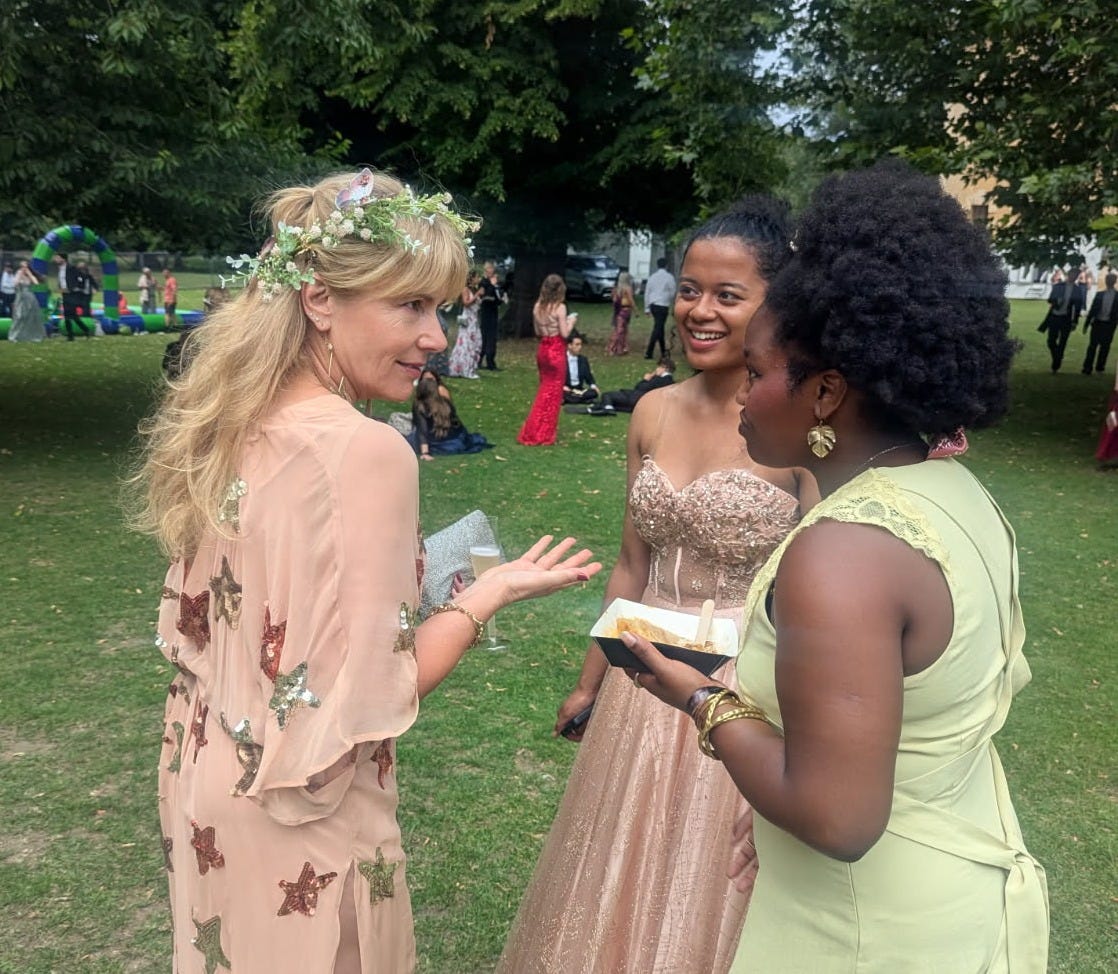
Here’s a picture of me at the Magdalen Ball in Oxford this weekend, lamenting the fact that no one else was exploiting the ball’s theme, “Arcadia.” These girls had just complimented me on my homemade crown of plastic flowers and sparkly butterflies.
Arcadia is a poetic term for an idyllic, unspoiled, and harmonious wilderness. It originated as an actual mountainous region in ancient Greece, which later evolved in literature and art into a symbol of simple pleasure, peace, and quiet.
Sometimes you just have to take a theme and run with it!
Comments
Nothing yet. Say the first thing.
Sign in to join the conversation.