
We begin this section of the reading with Moll financially independent and looking for love only on her terms. Her terms are financial not romantic. Nor is she interested in being a kept woman, observing that “a woman should never be kept for a mistress that ha[s] money to keep herself.”
Yet, upon saying this she admits that “my pride, not my principle, my money not my virtue, kept me honest.” By “honest” she means not sleeping around.
By the way, as I’m typing these quotes from the book, I’m modernizing by not capitalizing what is capitalized in my edition. The question about capitalization always comes up when reading works from the eighteenth century that have not been modernized. You’ll find when reading works from the early part of this century that all (or almost all) nouns are capitalized, not only what we now call “proper nouns.” Gradually over the course of the eighteenth century, new rules and customs calling for less capitalization evolved, along with (as was brought up in last week in a reply) more use of quotation marks. Here is an interesting short essay covering a number of elements of grammar and typology in the history of English and the changes made during the eighteenth century. It can take a while, but once you train yourself to ignore the differences in capitalization (and spelling) you don’t even notice them. In fact, if you work on reading more with your ear and not just your eye, it makes it easier.
Back to the story …
I want to point out three major developments from these pages: marriage as market, Moll’s character, and the incestuous marriage (and its significance).
First, the way in which marriage and women themselves are understood in Moll’s world as mere products of supply and demand is significant. As Moll begins in this section, she can afford to be picky about a husband (she will take a “tradesman” but she wants him to be part “gentleman,” too, a combination even she recognizes as “amphibious” in this world). She quickly learns that love as the basis for marriage may work in the country, but in London, “marriages were the consequence of politic schemes, for forming interests, and carrying on business” and that “money only made a woman agreeable.” So Moll proceeds accordingly.
She understands that this marriage market thing requires a lot of speculation (which is a stock market term, I believe?). So she works the system, first for another woman, then for herself. In a world where appearances are everything, you just have to present yourself in a certain way (and make no claims) and people—including potential suitors—will make their own assumptions.
Her courtship of/by the Draper is based on this strategy: have someone else spread rumors about your wealth so you can’t be accused later of misrepresenting yourself. This brings Moll husband number two. An amusing scene from their courtship consists of a parody of the “love dialogue” that is a tradition within the literature of the courtly romance. These dialogues consist of exchanges between the courtly lover (usually a knight) and the beloved lady, which serve also as tests of their love and virtue. The dialogue between Moll and the Draper is a parody because they follow the rules but are, of course, far from being nobility in either material goods or character. Indeed, husband number two ends up spending most of Moll’s money, going into debt, and fleeing to France to escape being put into debtor’s prison.
Moll’s character is being increasingly revealed as someone who is shrewd, good at what she does, and knows her limits and sticks to them. She may cross a lot of lines (intentionally and unintentionally to survive—including bigamy), but she is perceptive and self-aware. This is what makes her a really interesting and likable character.
She dwells for a time in the criminal part of London called the Mint (where money was once made) but recognizes the harm living here does to her. Merely living there gives her, she says, “the scandal of a whore, without the joy” (LOL). Waxing philosophical, she observes,
It was indeed a subject of strange reflection to me to see men who were overwhelmed in perplexed circumstances, who were reduced some degrees below being ruined, whose families were objects of their own terror and other people’s charity, yet while a penny lasted, nay, even beyond it, endeavouring to drown themselves, labouring to forget former things, which now it was the proper time to remember, making more work for repentance, and sinning on, as a remedy for sin past.
She continues,
There was something horrid and absurd in their way of sinning, for it was all a force even upon themselves; they did not only act against conscience, but against nature; they put a rape upon their temper to drown the reflections, which their circumstances continually gave them; and nothing was more easy than to see how sighs would interrupt their songs, and paleness and anguish sit upon their brows, in spite of the forced smiles they put on; nay, sometimes it would break out at their very mouths when they had parted with their money for a lewd treat or a wicked embrace. I have heard them, turning about, fetch a deep sigh, and cry, “What a dog am I! …”
This is such a keen psychological and spiritual insight. She uses the word “force” and “rape” to express the way sin acts against one’s own conscience such that one must work with force to silence that conscience. She calls this acting “against nature”—in other words, against natural law.
And, of course, it is natural law that brings Moll the greatest horror yet when she learns that her third husband is actually her brother.
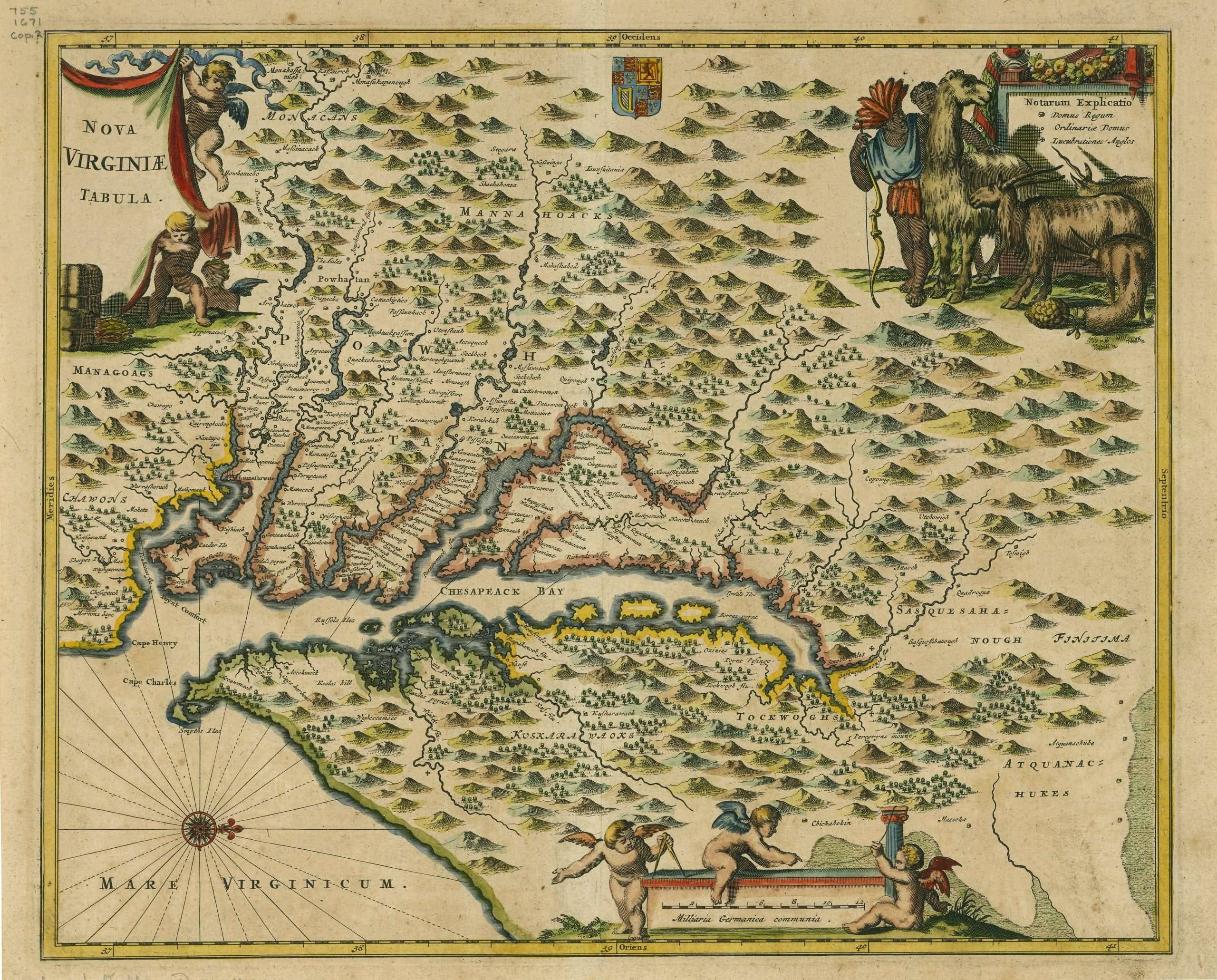
I don’t find this entire plot point that far-fetched, readers. The world of Moll was rather small and the world of the Virginia plantations was even smaller. Moreover, I’m sure you’ve seen from time to time as I have some strange news headline about some brother and sister or father and daughter who ended up romantically connected after being separated for whatever reason. It is rare, but it happens. There’s even a term for it: genetic sexual attraction.
As a side note, I don’t know if this is supposed to be funny, or satirical, or just matter-of-fact, but it is wild to read Moll’s mother tell her how the office-holding men in their Virginia colony are all convicts. I’m not sure that’s historically accurate, but it is funny. It is true, however, that
… between 1718 and 1775 over 52,000 convicts were transported from the British Isles to America, mainly to Maryland and Virginia, to be sold as slaves to the highest bidder. It is reckoned that transported convicts made up a quarter of the British immigrants to colonial America in the 18th century.
I grew up in New England. I’ve lived in Virginia for 27 years now. And I am still learning the vast differences between the New England colonies and the southern ones. A lot of the present is still unfolding from the past.
However, I think Defoe is concerned with other things in this part of the story.
First, he is showing once again the power of natural law and affirming Moll’s rejection of incest even when it requires her to sacrifice so much after she learns the truth. (She even compares incest to bestiality, which is a strong way to make the point.) Moll’s husband-brother’s attempt to kill himself out of despair is tragic. But note how strong Moll remains in the face of all that befalls her.
Second, Defoe is lamenting all the things that have brought Moll to this point that might have been prevented with better safety nets for people as poor and vulnerable as both she and her mother were. It’s moving to have Moll reunited with her mother, who has become penitent, pious, and religious. But it’s tragic that that reunion is abruptly ended.
In writing this story, Defoe is dancing that delicate balance between individual responsibility and social justice. I think he is doing so in exemplary fashion. What do you think so far?
Reading schedule for what’s ahead: Note that there are no chapter or other breaks in the text, so I’m giving the page numbers in the Dover edition along with the last sentence or phrase in each reading:
July 14: pp. 73-100, through the line, “…I know not whither.”
July 21: pp. 100-136, through the line, “… grew poor apace.”
July 28: pp. 136-189, through the line, “…contrived to appear in new shapes every time I went abroad.”
Aug. 4: pp. 189-end
BOOK GIVEAWAY:
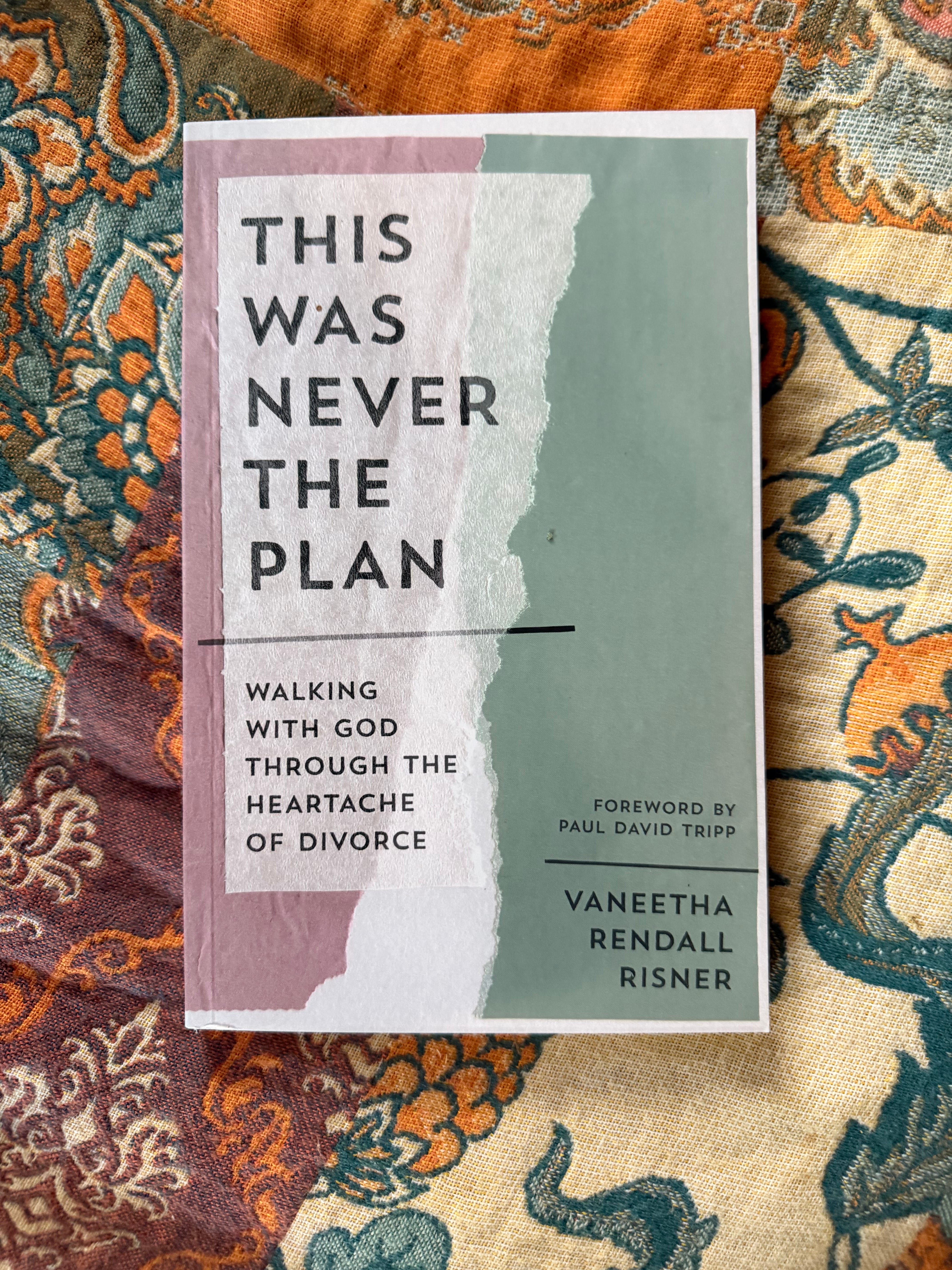
This week’s giveaway to a paid subscriber seems fitting for the subject of this week’s post: This Was Never the Plan: Walking with God through the Heartache of Divorce by Veneetha Rendall Risner (with a foreword by Paul David Tripp). Divorce is a complicated topic in the church, and this book tackles the subject thoughtfully and faithfully.
Write “Never the Plan” in the comments and I will choose one winner at week’s end to receive a copy of the book.
[Note: As an Amazon Affiliate, I may receive a small commission for qualifying purchases made through links here.]
***
LATEST PODCAST INTERVIEWS:
#12minconvos episode with Engel Jones. It was cool to have a short, free-flowing, no prep conversation. Listen here.
Unseriously with Holly Mackle:
“Maybe you've heard her before, but have you ever heard her like this?? Join the fun as our favorite Karen kicks up those fancy shoes and puts the cool back in "Karen." She may be one of this country's most notoriously well-read, but did you know Dr. Karen Swallow Prior also gave that envelope to that guy? We'll hear about her days in organized crime, plus the devolution of one of her dog's nicknames, her feelings on the mockumentary Best In Show, and how she's in her Neil Diamond era. Brace yourself as she and Holly discuss both Harry Potter and Lord of the Rings...when the villagers come for Karen and Holly with torches, it'll be because of this episode.” Listen here.
***
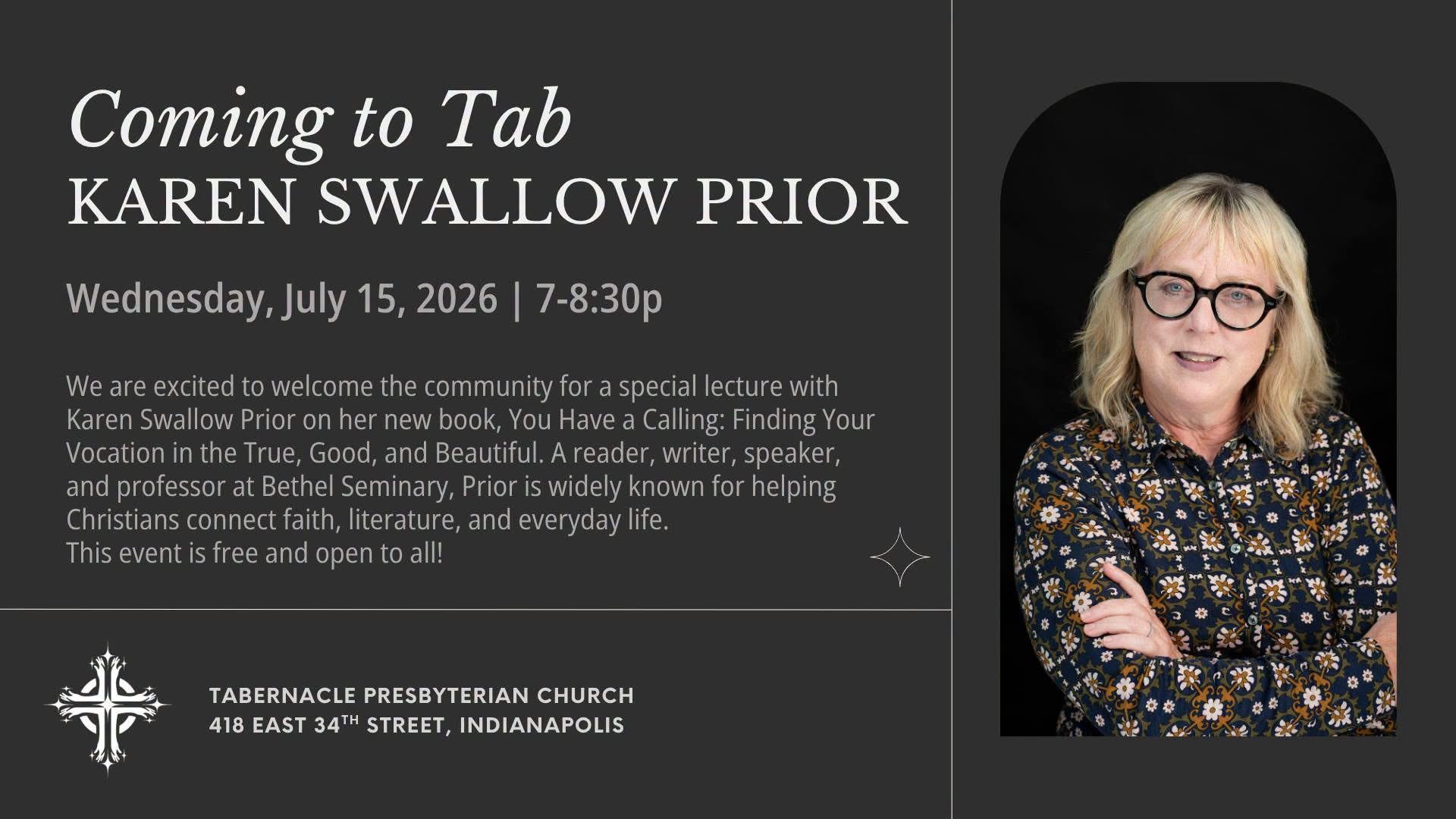
Come see me in Indianapolis:
***
I will also be speaking at the Winona Lake Christian Writers Conference which takes place July 16-18. Would love to see you there!
Details here.
“Absolutely unmixed attention is prayer.” – Simone Weil1
Simone Weil, Gravity and Grace, trans. By Emma Crawford and Mario von der Ruhr (London: Routledge, 2002), 117.
Comments
Nothing yet. Say the first thing.
Sign in to join the conversation.