
There is a sentence I keep seeing online:
it didn’t work out because you would’ve hated it.
Every time I read it, I smile a little.
Because it keeps proving itself true.
I have lived long enough now to realise how spectacularly wrong I have been about my life.
There were relationships I begged the universe to save. Jobs I thought would finally make me happy. Cities I never moved to but was convinced were my destiny.
At the time, losing them felt catastrophic. Now, looking back with the unfair advantage of hindsight, I laugh because:
I had no idea what I was asking for.
I think about relationships I once believed were my great love stories. People, I was convinced I had lost.
Years later, I can see what I couldn’t see then.
I would have settled.
Which is occasionally far more dangerous than terrible. The woman I am today wouldn’t survive in those relationships.
My imagination deserved an Oscar. It cast people in roles they never auditioned for. It gave emotionally unavailable men incredible communication skills. It saw potential everywhere.
Reality gave me maybe thirty percent.
I enthusiastically supplied the other seventy.
At the time, losing those relationships felt like losing my future. Now it feels more like narrowly missing the wrong one.
You see, potential is a dangerous drug. We don’t fall in love with reality. We fall in love with our projections of it.
When a relationship ends before it really begins, your mind doesn’t grieve the person. It grieves the future it had already started writing: the trips, the conversations under the night sky, the home you already decorated.
It is astounding how grief edits reality. It removes the ordinary Monday evenings. The repeated disappointments or the conversations that never really went anywhere. It leaves you only with the fantasy.
And fantasies are almost impossible to compete with.
I used to have this fantasy.
Every morning, on my way to a corporate job I absolutely hated, I would walk past the same little café.
It had warm lights, plants in the window, and people reading books. Somehow, I convinced myself I wanted to work there. I imagined myself making coffees, learning regular customers’ names, and going home smelling like espresso instead of stress.
Looking back, I don’t think I wanted to be a barista. I think I craved relief. Not the same dreams, right?
I didn’t actually want to steam milk at seven in the morning for customers who hadn’t had caffeine yet. I didn’t want aching feet. I didn’t want weekend shifts.
I thought changing jobs would change my life. It wouldn’t have.
I still would have carried the same exhausted nervous system into a different building. Only now, I probably would have hated the smell of coffee too.
That dream wasn’t wrong, but it was incomplete.
The café wasn’t my dream but my escape route. The café became a symbol of peace, slow life, and a regulated nervous system.
Fantasy is remarkably efficient at deleting inconvenience, which makes it a terrible architect for real life.
And it made me wonder how often I have confused rescue with desire. How often I have looked at something outside my current life and thought:
that’s the answer.
The relationship. The new city. The new career and fresh start.
What if they were never answers? What if they were just places where I stored my hope?
Psychologists call this affective forecasting, our tendency to imagine how future events will make us feel. The fascinating part is that we are surprisingly bad at it.
We overestimate how happy something will make us. We underestimate what we will adapt to. Which means the future has a strange advantage: it hasn’t had the chance to disappoint us.
We assume the object of our desire is the solution: the relationship, the house, the career. But often, those things are only symbols. They represent a feeling we hope they will finally give us, like peace, freedom, being chosen, or being enough.
We rarely want the thing itself but the emotional experience we have attached to it.
And because we confuse the symbol with the feeling, we become convinced there is only one path toward the life we want. But life has interrupted enough of my plans now that I have started trusting something bigger than my own imagination.
I have wanted things that would have made me miserable. I have cried over people who would have destroyed me. Jobs that would have trapped me.
It changes the way you look at disappointment.
We never have the whole picture. We stand inside one tiny moment of our lives, convinced we understand the entire map.
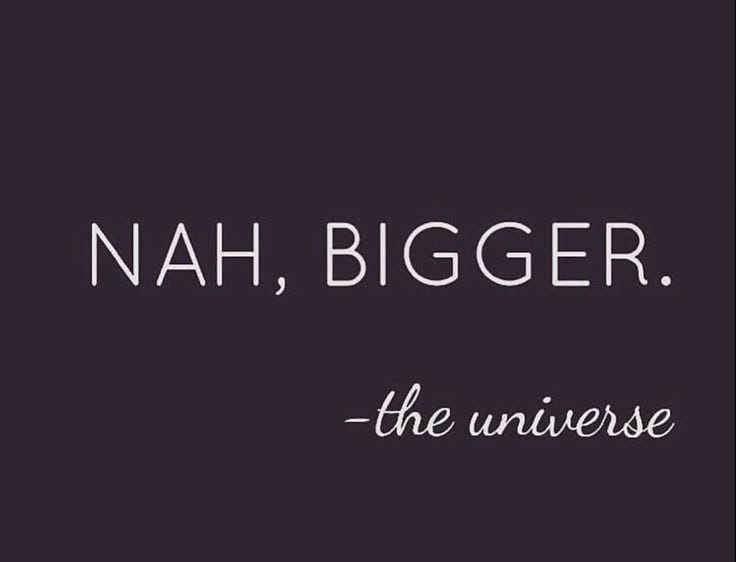
We see the closed door. Life sees the room behind it. We see the opportunity. Life sees the version of ourselves that would have had to shrink to sustain it.
Desire is heavily influenced by where we are emotionally.
We think we know exactly what we need. Most of the time, we only know what we are trying to escape.
When you are lonely, you will mistake attention for love.
When you are insecure, you will mistake validation for compatibility.
And when you are unhappy, almost any different life starts looking like your dream life.
So perhaps we do not have to worship every desire that passes through our minds. Some desires are information. They tell us something is missing. They do not necessarily know where we will find it.
We believe that because we want something so badly, it must also be good for us.
But want is immediate. Wisdom is patient.
And life, in my experience, has always been much wiser than my urgency.
Wisdom has nothing to do with getting what you want. But being more careful about declaring what your happiness depends on.
When you want someone, you imagine the best version of the relationship. The trips and inside jokes. You don’t imagine the conversations you would keep avoiding. You don’t imagine the relief you might feel years later when it finally ends.
Desire rarely gives you the whole picture. It gives you a trailer. And sometimes we build an entire future around two minutes of footage.
I know that sounds harsh. But think about how many people you once begged life to keep. How many situationships have you treated like unfinished love stories? You saw them as the dream. Now, with enough distance, you can see the ceiling.
Maybe the relationship would have given you seventy percent of what you wanted. Maybe it would have felt good enough to stay. And that might have been the danger.
Because we don’t settle for bad things. We settle for almost-good things. Things that make us happy enough to stop searching but unhappy enough to slowly disappear.
It doesn’t mean we stop wanting things.
Continue to desire things. Fall in love. Apply for the job. Move to the city. Dream impossible dreams.
I still do.
But I cultivate those dreams more freely now.
Life has embarrassed my certainty too many times to completely trust my own predictions anymore. There are people I would have married if they had asked. Today, I wouldn’t even date them. There are versions of success I chased because I thought they would finally make me feel like enough. Now they look exhausting.
I don’t mean every disappointment secretly becomes wonderful. Some things are just painful. Some losses remain losses.
But I do think I have underestimated how often I have mistaken my projection for reality.
I could only see the first chapter of that relationship. I couldn’t see year five.
I could only see the aesthetic of the café. I couldn’t see the nervous breakdown.
I could only see the relief. I couldn’t see the trade-offs.
It is strange how confidently we argue with lives we have never actually lived.
I don’t know whether life has a master plan.
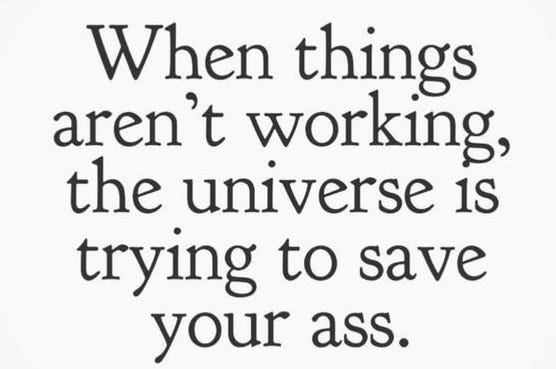
But I do think life has a perspective I will never have. It can see consequences I can’t. Timing I don’t understand.
There is a pattern I can’t ignore anymore:
Almost every chapter I once begged life not to close has become a chapter I am quietly grateful ended.
Do not get me wrong, endings did hurt. I was heartbroken.
But I eventually reached the part of the story I couldn’t see while I was still inside the previous one. We spend so much time grieving the lives we imagined, we forget to notice the one that is coming to life: a healthier relationship (with yourself, too), a work that fits you better, peace, the version of you who doesn’t chase anyone.
I still get disappointed. I still have moments where I think, this was supposed to work. I still imagine lives that never happened. I am still human.
But I have stopped arguing with closed doors so quickly.
Every time I have been absolutely convinced that something would have made my life better...
time has gently reminded me that I was only looking at thirty percent of the picture.
So these days, when something falls apart, I no longer assume I lost my only chance. I still let myself grieve. I think that’s important. Disappointment deserves space.
But I also assume there is information I do not have yet. I assume there is a version of this story I cannot see from where I stand.
Isn’t that what we call faith?
Not that everything will work out exactly as I planned, but believing my plans have never been the highest form of intelligence available to me.
And if hindsight has taught me anything:
The future I thought I wanted has disappointed me many times.
The future I never saw coming has been surprisingly generous.
So, perhaps it didn’t work out because you only saw the beginning. Life saw where it led. You only saw what you wanted. Life saw what it would cost.
And one day, you may look back at the thing you begged for, the relationship you tried to save, the job you thought would rescue you, and think:
Thank God it didn’t work out.
I would have hated it.
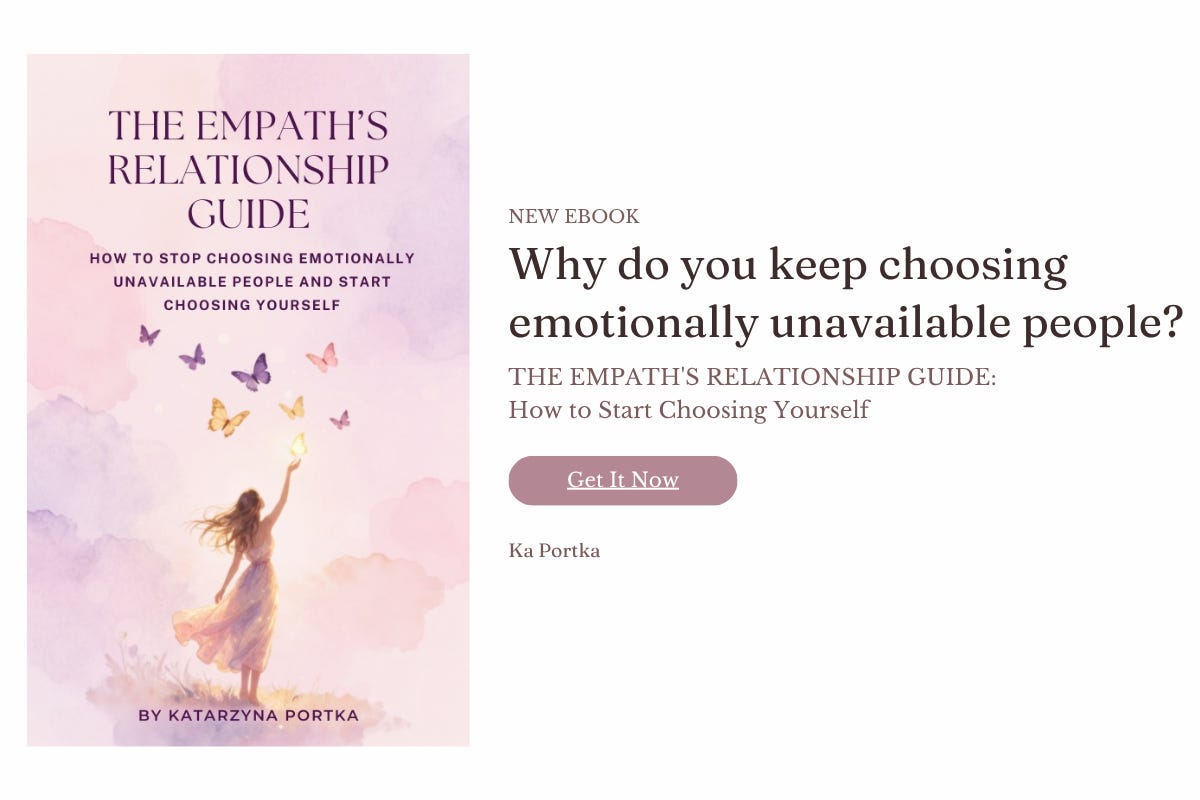
• You keep falling for emotionally unavailable people
• You see potential instead of patterns
• You confuse being needed with being loved
• You stay because you understand why they act that way
• You leave relationships feeling emotionally exhausted
I spent months writing the guide I wish I’d had years ago.
It is finally out.
No posts
Comments
Nothing yet. Say the first thing.
Sign in to join the conversation.