
Our soliloquies will not help Ariana Grande. Anorexia does not work that way. Anorexia persists through a kind of self-flagellation so painful and extreme that it feels like martyrdom. As though the underweight exists in a realm untouchable by the weaklings who do not share their discipline. It endures via layers and layers of abject denial that make concern feel like veiled jealousy, the kind that only spurs you on.
I know this because I am an expert - insofar as personal experience can make you an expert on anything - on anorexia. In 2016, aged twenty and standing at 5 ft 6, I weighed eighty eight pounds. I did not look dissimilar to how Ariana does now: emaciated collar bone, exposed vertebrae rippling as I moved, normal-sized people rendered enormous next to a vertically stretched borrower.
I was expedited to the top of the National Health Service’s eating disorder clinic for emergency treatment, NHS meal plans were shared then scoffed at by my Whole Foods snobbery, ominous warnings were made to eat before I went to sleep lest I didn’t wake up.
This, alongside the research one is wont to do when a disease is consuming them, is how I know that the anorexic is not listening to you. If she is listening, she’s filtering your comments through a cognitive bias shaped at the alter of thinness. Joan Didion once said that “we tell ourselves stories in order to live.” We also tell ourselves stories that grant us permission to keep living just as we are.
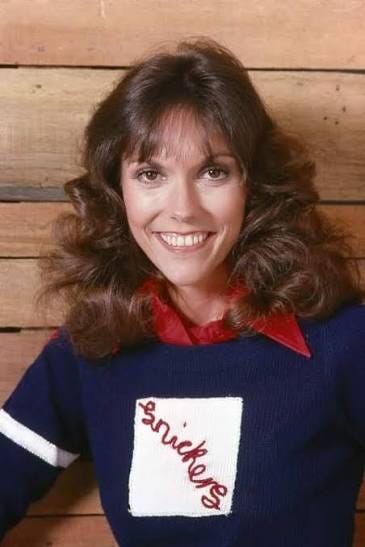
The anorexic protects her mission with a fortress of these tales. Anything at her disposal will be weaponized as defense. Society-wide criticism will be disregarded as anti-feminism: the commenting on woman’s bodies framed as a symptom of the patriarchy. She will maintain - both internally and publicly - that the drop on her scale is merely a body changing as the hand of time makes itself known. That to imply otherwise is ageism. She will claim better health than ever: that she’s more active, vegan, more conscious of her nutrient consumption, glowingly hydrated. She may point out that her body differs from the rules of others: her bones are smaller, her frame petite and leaving little allowance for fat. She may cite studies that the BMI calculator is flawed, outdated, no longer a viable means of assessing health. That she just prefers black coffee. That “it’s such a fucked situation.” That despite your zealous protestations, she feels better than ever. That she eats, vegan protein bars pouring on to the table on Vogue’s “what’s in my bag?”; the word snickers emblazoned across her jumper. At her worst, concerned comments may serve as nothing but confirmation that she’s on the right track.
So we do not comment on women’s bodies for Grande, who will not heed us, who is not ours to save. We speak instead for everybody else. For a collective consciousness that needs to be coaxed out of the hypnosis of deprivation. For the malleable brained children on TikTok, clips of the Eternal Sunshine tour not yet censored with “thinspo” thigh gaps. For the people of Fiji, who had anorexia thrust upon them with the introduction of TVs. For ourselves, who may have suffered at the hands of what ails Grande at one time or another; who may need a reminder that despite society’s well-spun tale, this is not to be tried at home. We speak to say - as we so supremely failed to in the past - that this body, propped up on the world’s stage by way of a booked-out arena, the comparisons to Karen Carpenter so easy to render, is a body weakened by sickness, both internal and society-wide. That aspiration cannot be part of this conversation, even if it’s everywhere else, even if it’s what powers the proverbial stair-master that leads to voluntary starvation. To say that anorexia and Ozempic allegations are not the highest praise a woman can receive. That even the warm halo of a sought-after compliment can’t sweeten unnatural self-denial, or a slow and painful descent into sickness.
Comments
Nothing yet. Say the first thing.
Sign in to join the conversation.