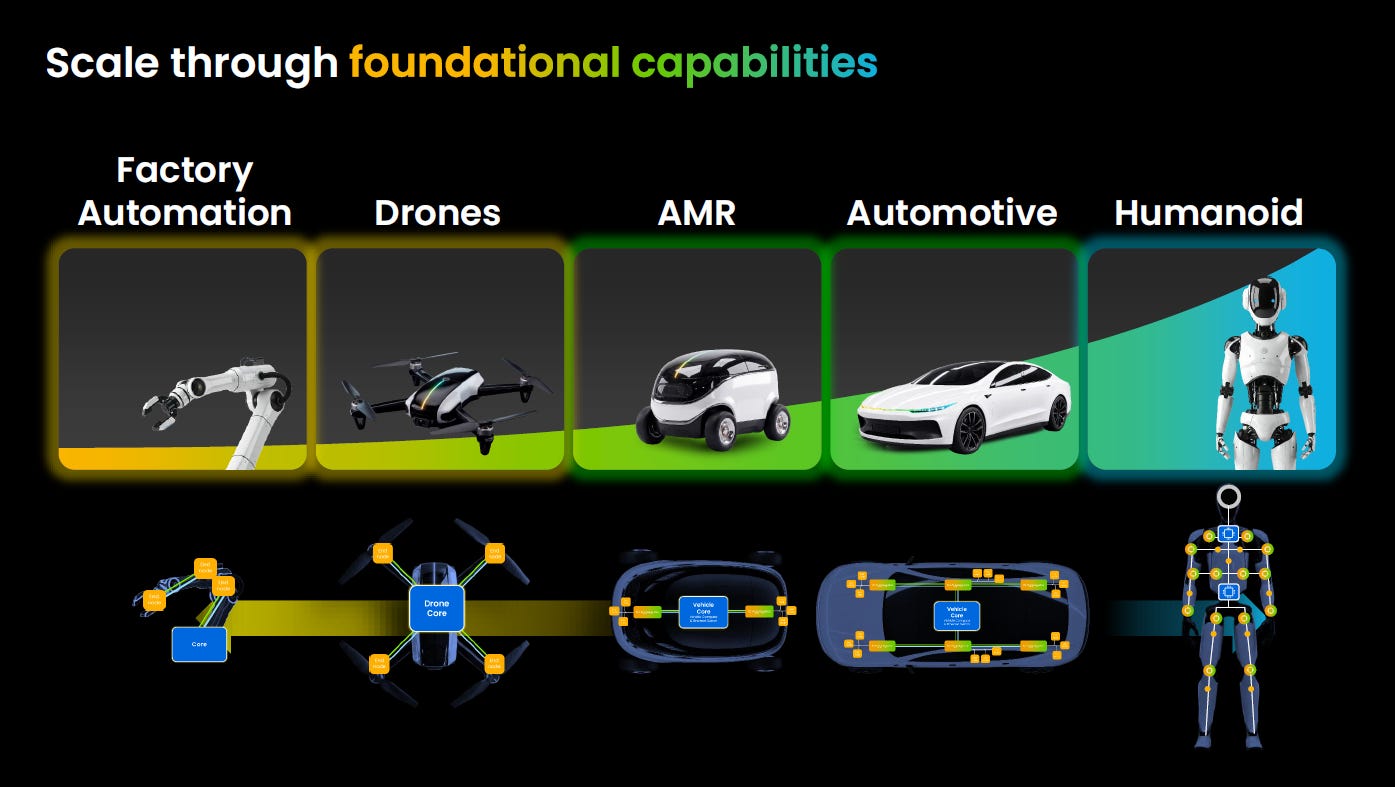
As NXP’s CEO Rafael Sotomayor succinctly put it last month during NXP’s Q2 financial call, “Physical AI is a system problem, not just a compute problem.” If so, what’s the company’s robotic plan?
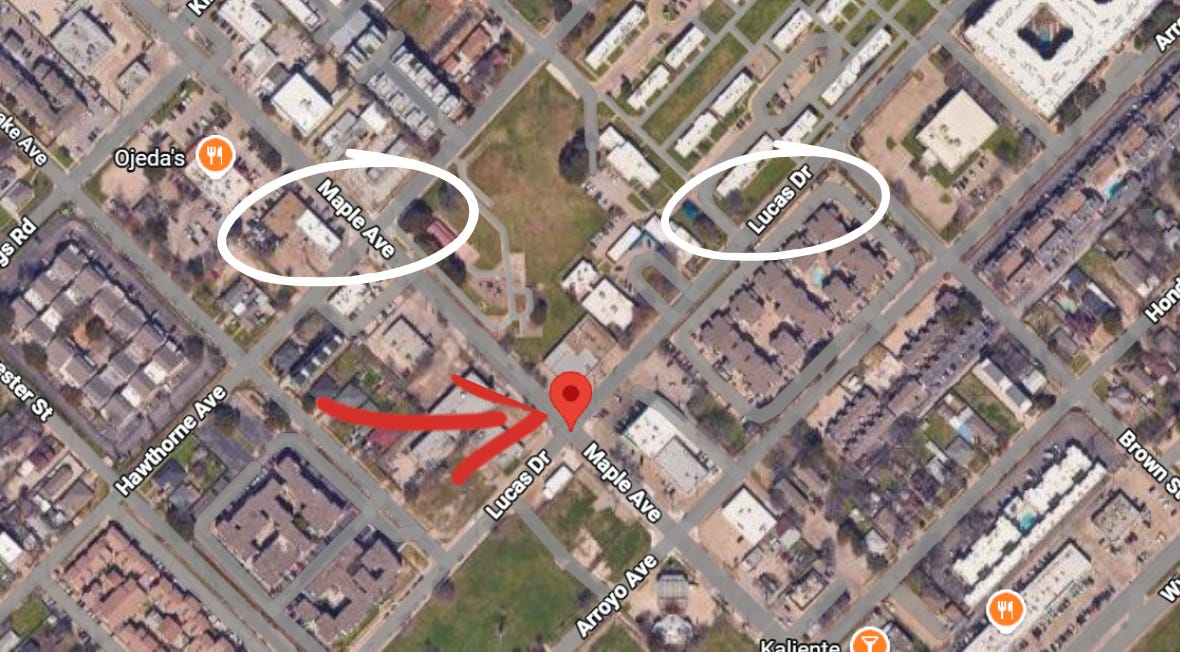
Lessons to learn from a Dallas crash involving a SUV and a Waymo aren’t about how to assign blames but how to hold human driver and AV's computer driver equally "accountable" when they break a law.
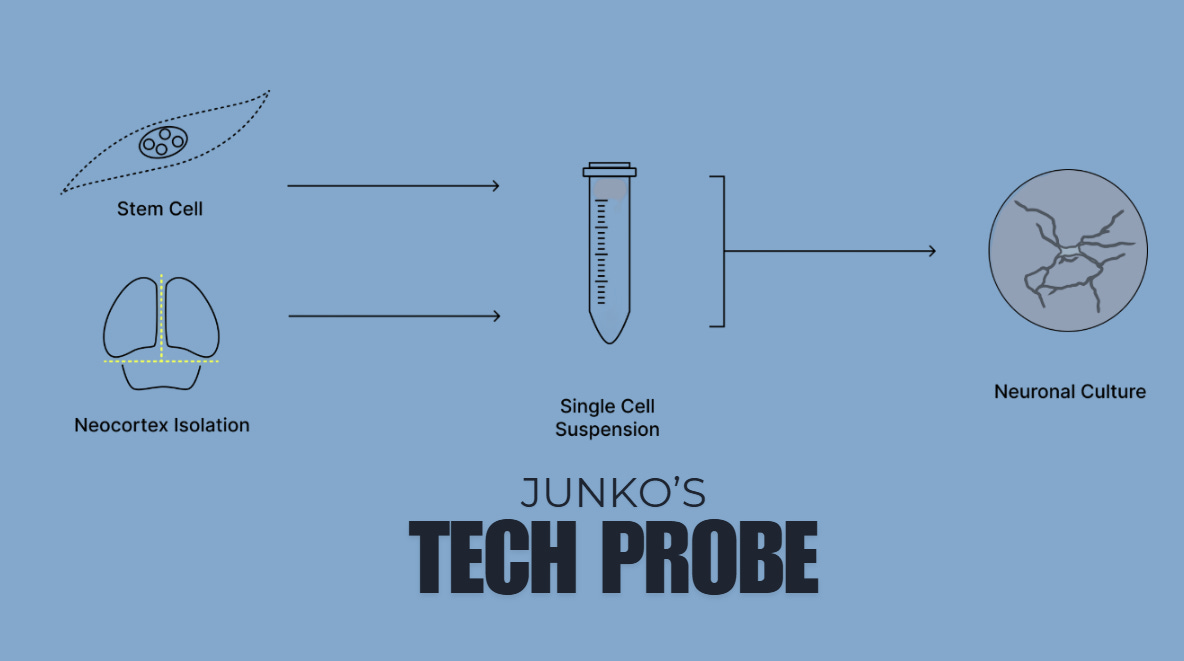
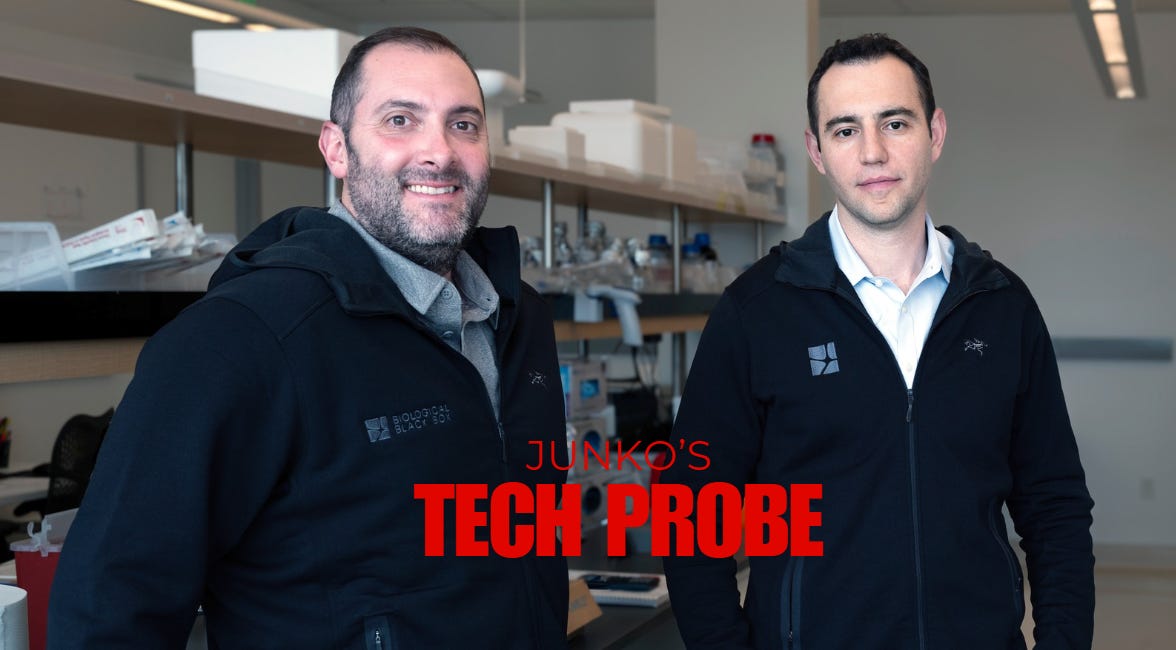
Is neurological research a good place to look for AI solutions? That premise motivated The Biological Computing Company to move into the undefined space between the brain and the software AI model.
What I picked up at my first "Automated Transportation Symposium," where close to 700 AV professionals and stakeholders of the AV ecosystem milled around.
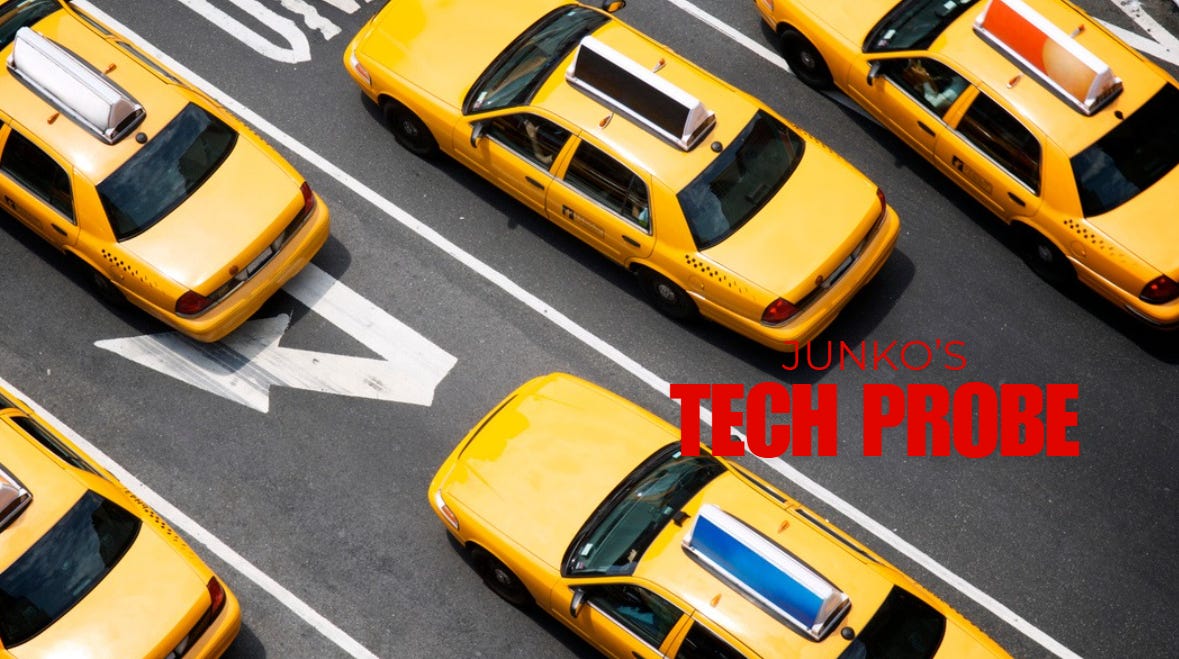
A new report compares Waymo’s safety record to professional yellow taxi, Lyft and Uber drivers in New York City, adding fresh insights to the AV safety discourse.
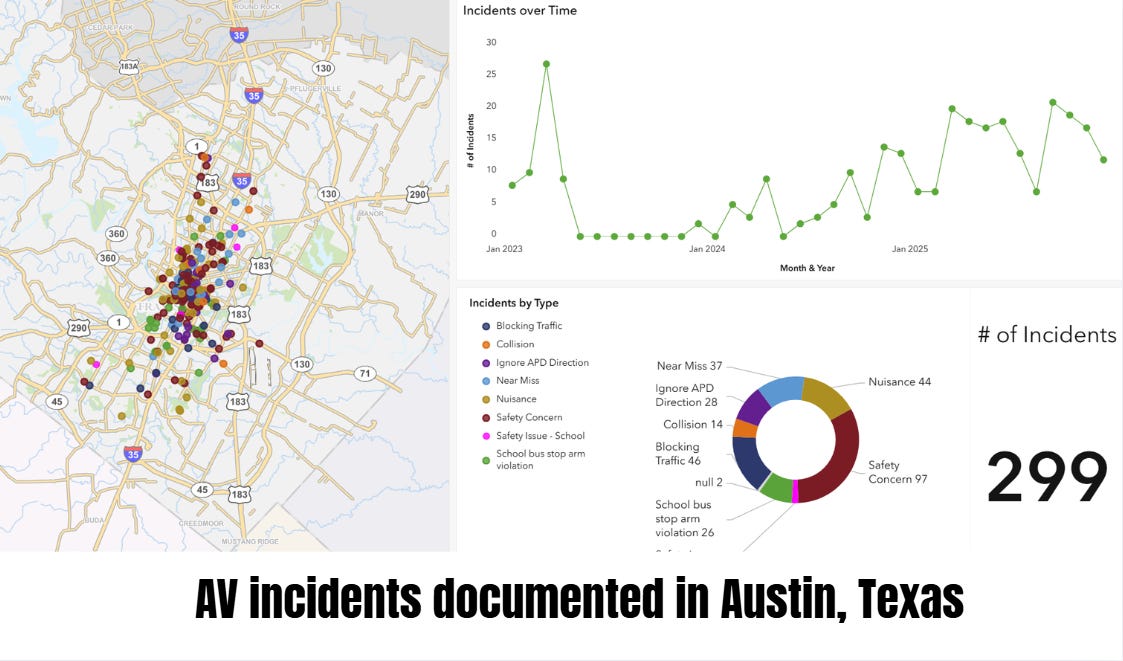
AV operations aren't scaling because their vehicles have gotten safer. In contrast, scaling is exposing AVs' weaknesses, as evidenced by each recall involving software updates that proved ineffective.
Full autonomy is AV devlopers' holy grail—by human removal. Glidance lives by a different design principle: How well can their intelligent cane know when and how to involve people?
In question is the autonomous vehicles' operational maturity. Can AVs recognize uncertainty, respond appropriately when conditions change, and improve when failures recur?
With the recent NHTSA letter, AV companies are asked to go beyond basic technology (measured in crash rates) and demonstrate tangible social and economic responsibility.
Brain-inspired computing has always been a "five years away" lab project. A startup in San Francisco hopes to change the narrative. Its first product is not a piece of hardware but software.