
Buying a used boat is an excellent way to get off the bank and on the water without spending 10’s of thousands of dollars. Alternatively, it might be the biggest waste of money you have ever spent.
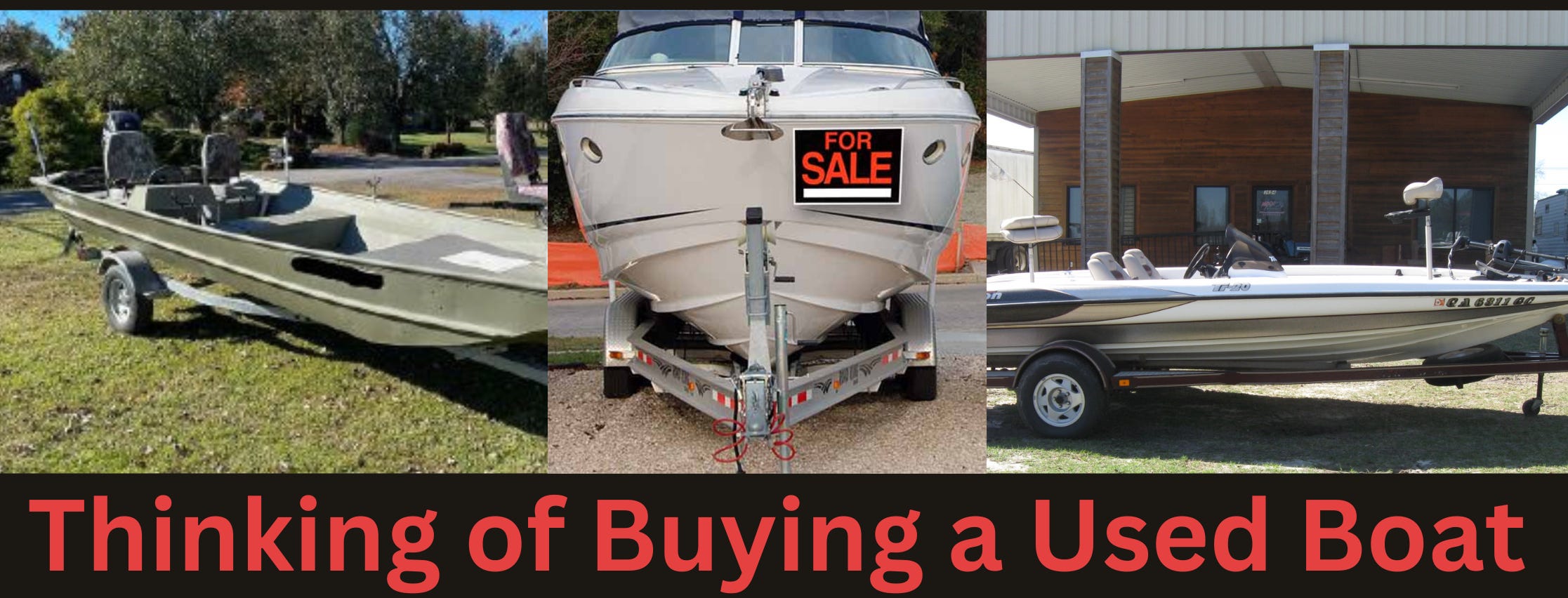
Here are my suggestions for what to look for when buying a basic used boat.
When buying a boat that is more than $10k or something that you plan on taking into big water or on the ocean, I highly recommend you have a complete inspection report done by a local boat shop.
It’s important to know potential problems that can cost thousands to repair.
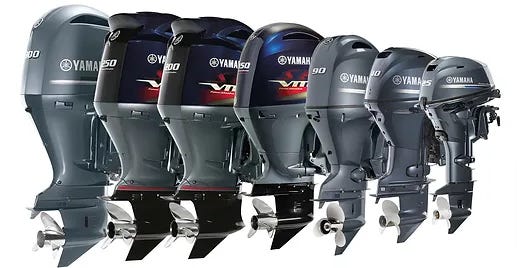
Pop off the engine cover (cowling) and look for any visible corrosion.
Have the owner start the motor and look for it smoking, running noisy / rough sounding or visibly loose / shaking.
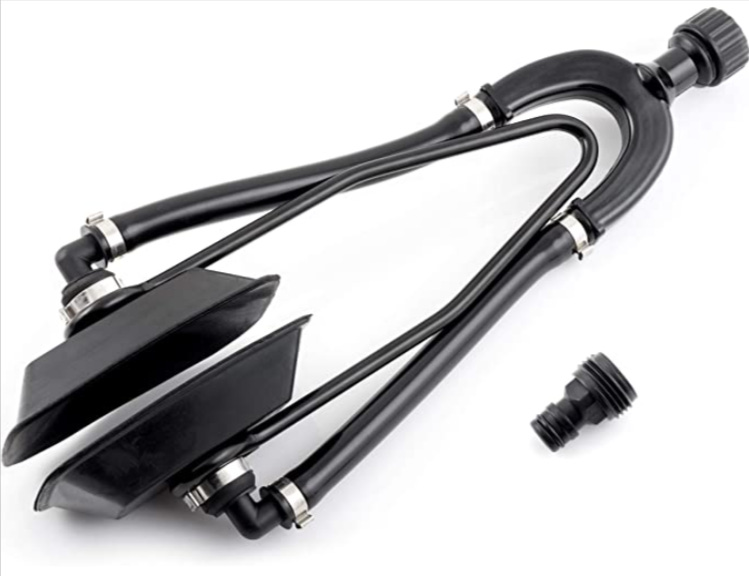
Going to a lake for a test run is a must-do. However, you can also use a set of engine muffs to connect to an outdoor hose to do a motor check at the owner’s house before even doing a float test.
When spending more than $3,000 on a boat, I would recommend getting a motor check from a boat mechanic. They will quickly be able to tell if the motor and the rest of the boat have received regular maintenance or not.
A boat mechanic can easily run a compression check to make sure the engine is functioning properly. A compression test measures the amount of pressure built up inside each cylinder and is rated in pounds per square inch (PSI).
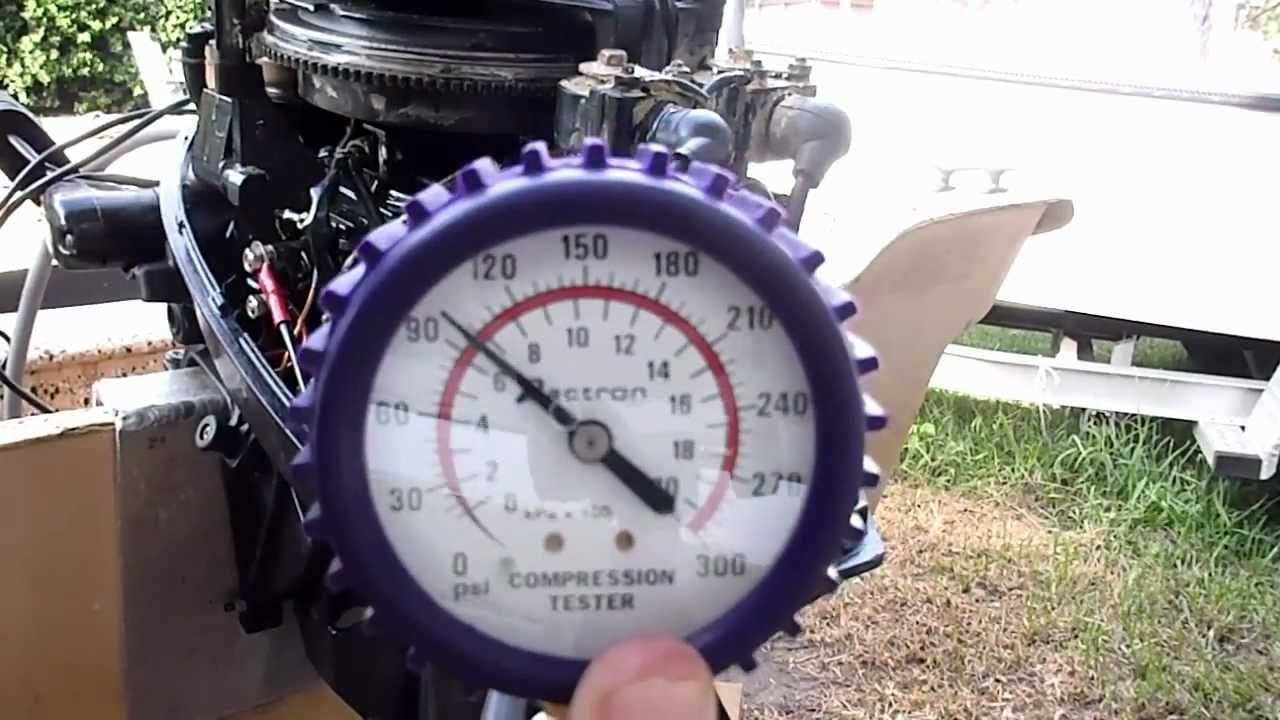
When looking at the report you want all cylinders within 10 lbs of each other.
Generally readings below 90 will indicate a problem and the mechanic can tell you specifically what it should be running at for the motor you are looking at. Many motors are in the 120lb range when working properly.
While compression issues can be fixed with products like Ring Free, the worst case is a complete engine rebuild in the near future.
Why buy yourself into that problem? Either move on or negotiate the price for the boat as if the motor didn’t exist as a motor replacement or rebuild is likely.
A mechanic checking the engine oil for grit, moisture, or metal dust is another safety measure to avoid a big expensive repair in the near future.
Listen for loud banging and clanging noises when starting the engine.
If the plugs look oily or have any metal shavings it’s a sign of potential problems.
Boats use the water to keep the engine cool. You never want to run a motor dry.
The easiest way to check that the impeller is working properly is to see water coming out the pee hole from just under the engine cover when it is connected to the water with engine muffs or when on in the lake.
https://twitter.com/bowtiedhalibut/status/1603102365741350912
The motor is a huge part of the purchase of any used boat so it is important to take the time to check it out before purchase.
I’ve never owned a boat with an inboard engine so I won’t comment on them.
Depending on if the boat is an aluminum hull or a fiberglass hull makes a difference in checking for issues.
Look for any obvious damage and spots that are leaking.
Dents, gouges, and holes whether repaired or not are important to spot.
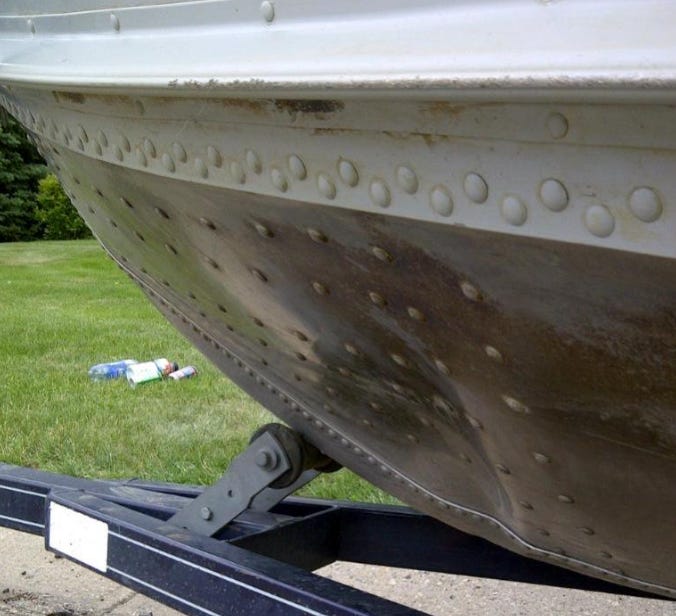
This kind of damage is often caused by collisions either with docks, boats, or underwater objects like trees and rocks.
Even though a repair may have been made, a collision can cause other cracks and weaknesses in the boat.
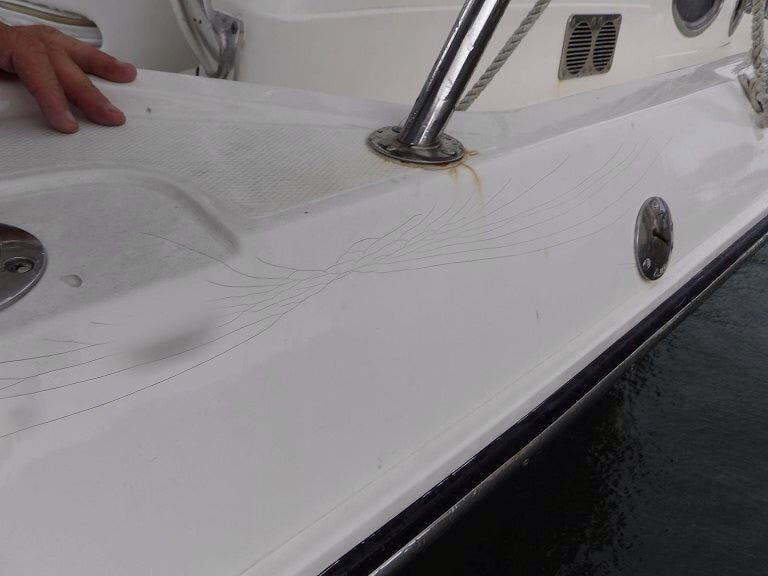
Look for thin long spider cracks from any damaged area on fiberglass boats. Aluminum boats tend to be easier to repair smaller issues whereas fiberglass boat problems can start small and spread into big issues down the road.
Older fiberglass boats often have wood transoms at the rear of the boat on the inside. Check it out for any soft spots that are indicative of internal rot.
Batteries are essential to starting your boat and running any electronics such as an electric trolling motor, fish finder and GPS, lights, and radio. Look for obvious corrosion. Or any cracks in the case.
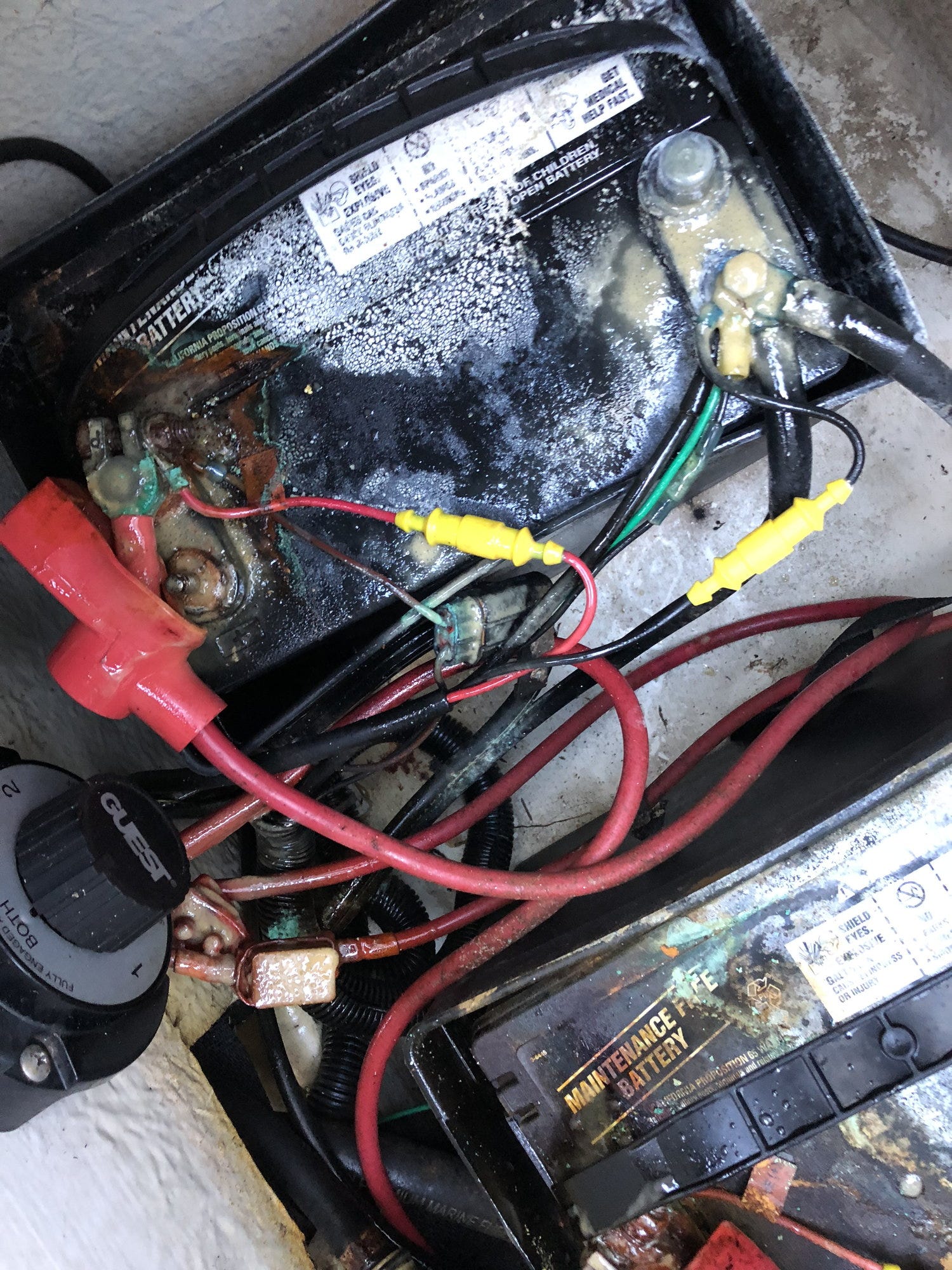
Unless a battery is very new I recommend replacing the battery. This is what I have done each time buying a used boat.
You never know if the previous owner let it drain completely down multiple times. Nothing worse than being far from the launch and sit down to crank on the motor and the battery is dead.
If they all work out the gate upon turning them on that is about as good as it can get from a used boat perspective. This tells you at least the wiring to these devices all function. Similar to a battery replacement plan on changing out your trolling motor at some point and you will likely consider a fish finder / gps upgrade if the boat is really old and you want to take advantage of the latest technology. Alternatively, if they all work and function, go fish and enjoy as much life out of them as you can.
The wiring for a simple aluminum boat will be straightforward. Even if you need to replace all the electronics and steering cables they are easily accessible.
On the other hand, if you need to replace all the wiring on a typical fiberglass boat you are in for a huge chore or a big expense.
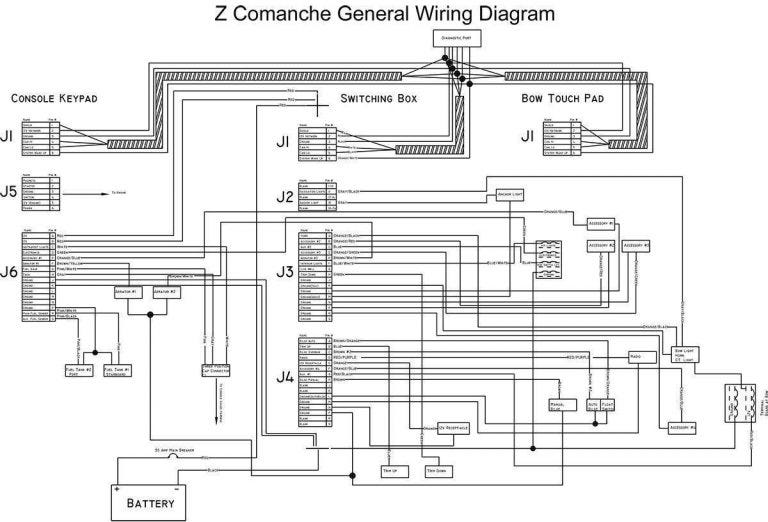
It is difficult to reach all the places you need to reach in order to get the wires changed.
The review you can do when looking to purchase is looking for corrosion on the battery and wire connections, and anywhere you can look inside of the boat by opening hatches and looking behind the dash is possible. This will give you an idea of the potential issues within the boat. If all the electronics are functioning properly that is a good sign, check all the lights as well.
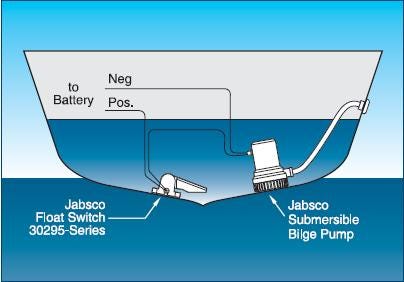
Most bilge pumps are set to automatically bilge once the float is tripped due to water getting into the boat. However, most also have a switch to manually turn it on to confirm it is functioning.
Do not trust the bilge pump though if you buy the boat. They are cheap to replace and just like a battery is something you want to know 100% is in good condition.
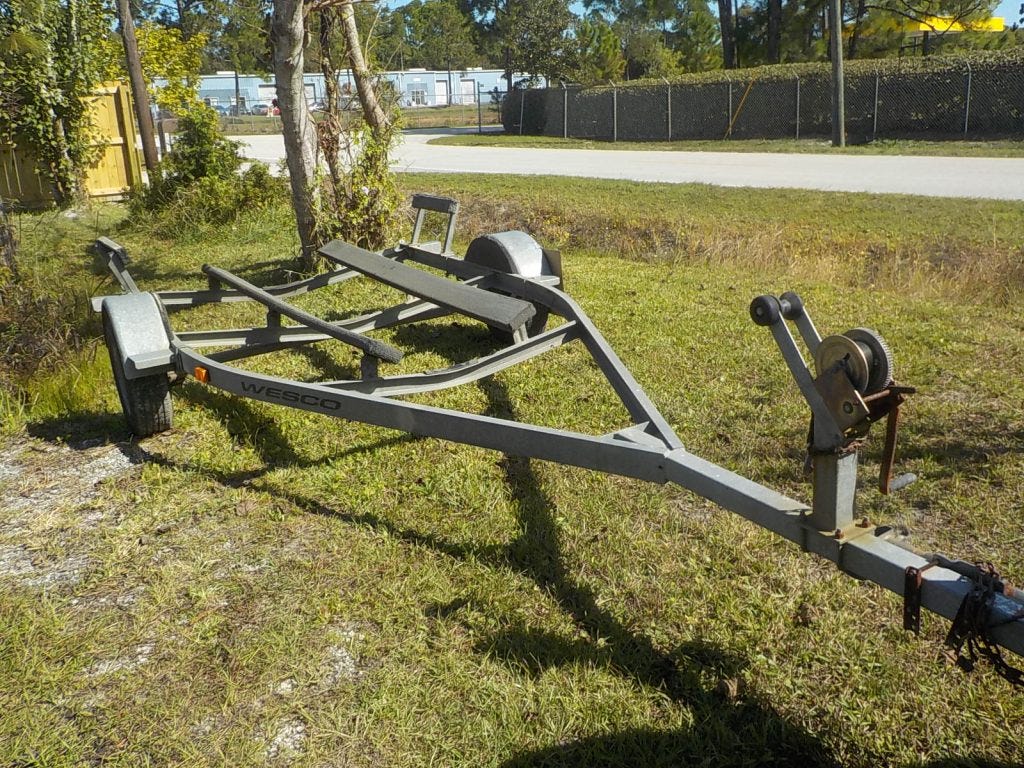
The boat trailer is what gets you to and back from the water. Connect the trailer to your vehicle and check the running lights and turn signal lights.
When doing a test ride after dropping the boat in the water inspect the trailer up close. Look for any rot or damage to the bunks where the boat rests on the trailer. Look for any serious rust on the suspension and brake system if the boat and trailer are large enough to have trailer brakes.
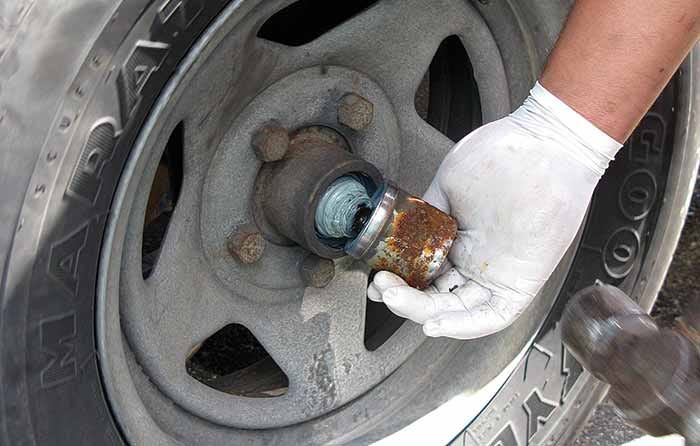
The hubs on the wheels can be inspected by removing the wheel bearing grease caps. Silver bearing grease indicates some damage has occurred with the wheel bearing and a milky color means water has penetrated into the bearing hubs
The trailer in many states needs to be registered and can come with its own title along with the boat title. Check your local state regarding registering a trailer.
If the overall inspection of the boat looks good take it for a test ride.
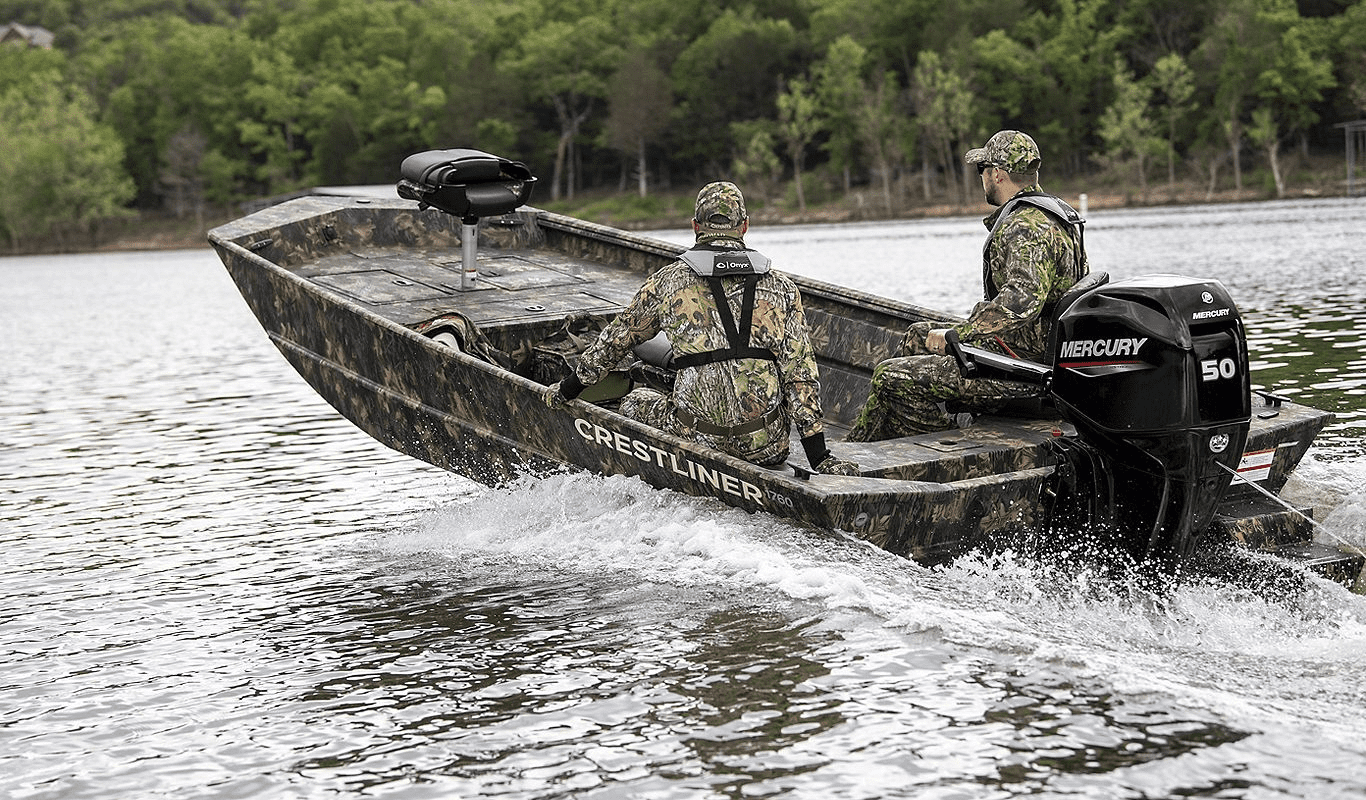
Watch for any water in the bottom of the boat. Check for water when you are done with the test ride.
Open up the hatches and look at the bottom of the boat if the boat has a deck. A basic test ride should not accumulate much water at all in the boat.
If the boat has live wells turn them on during the test ride and make sure they pump both water in and out properly.
Look at the motor for any unusual movement rocking forward and backward indicating an issue with the back of the boat (transom) and the motor brackets attaching it to the boat.
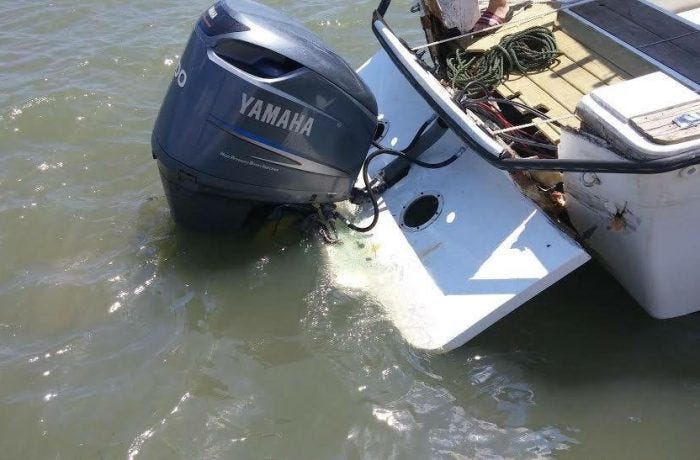
When buying a used boat from a private seller the process is similar to a used car. Make sure that they have the title. Look at all the details on the title and confirm that they match the seller and the boat. The same goes for the trailer if you are in a state that requires trailer registration.
There are always deals to be found on the used boat market. Good luck out there finding the right boat for you and your family to enjoy cruising and fishing on the water.
While they don’t say BOAT stands for Break Out Another Thousand for nothing. If you take the time to look closely you can find a quality boat that you can enjoy for years to come.
No posts
Comments
Nothing yet. Say the first thing.
Sign in to join the conversation.