
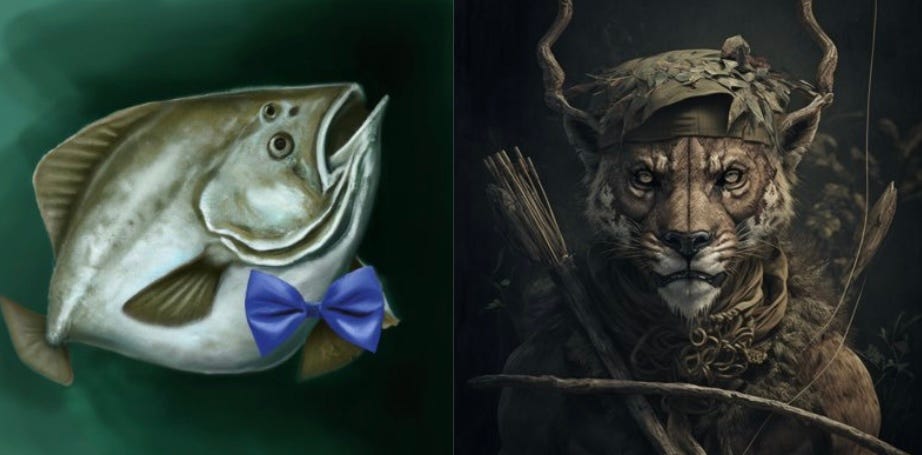
We have received a bunch of questions between the two of us via DMs and on countless posts about hunting and fishing. In our first edition of Q&A, we’ve answered a few of those questions here. Leave us a comment if you have additional questions to be answered down the road or would like an expansion on any of the questions answered below.
Again, our goal is to get you our in the field and on the water as quickly as possible.
That it is just about sitting by the lake with a cooler full of beer and being lazy.
That certainly is fishing for some people. However, the fishing I enjoy is standing on the trolling motor all day long slinging swimbaits and frogs picking apart every fishy-looking piece of cover or running the back of a tuna boat managing the spread, or jigging iron all day long. None of which is for the lazy man out there.
Fishermen don’t care about the fish or the environment since some people kill everything they catch and leave trash behind at the lake.
The vast majority of anglers that I know release way more fish than they keep, some rarely keep a single fish all year long. Also, a little-known fact is that specific laws require money from fishing and hunting licenses and taxes on the gear associated with the sports to go directly into conservation. Without hunters and anglers, there would be significantly fewer resources for conservation and habitat protection and restoration projects.

BowTiedHalibut@bowtiedhalibut
100% of license fees for fishing go directly toward conservation and restoration projects. The Federal Aid in Sport Fish Restoration Act, commonly referred to as the Dingell-Johnson Act makes it so.

11:40 PM · Feb 14, 2023
1 Repost · 11 Likes
Smilodon note: Similar to the Dingell-Johnson Act, The Pittman-Robertson Act was enacted in 1937 and places an excise tax on all firearms, ammo and hunting license sales that go directly to the state for wildlife conservation efforts. The proceeds go towards advancement of hunters safety courses, maintaining state/national parks, and other broad conservation efforts. Majority of sportsmen have no problem paying this excise tax, as it goes directly towards enhancing their hunting experience. Many anti-hunting and anti-gun folks don’t understand that the maintenance of the parks and trail that they take for granted are maintained using the proceeds from these activities and things would look a lot different without. There is some political opposition on the excise tax, however broadly speaking it is seen as good from hunters.
That you need a ton of gear to go fishing.
While certain types of fishing such as offshore ocean fishing do require more gear than simple pond or stream fishing, there are countless opportunities to enjoy the great outdoors with a rod in your hand on the cheap. A simple 6-foot spinning rod and a few hooks and weights or spinners will catch you a ton of fish and can be purchased for under $50 at a Walmart near you.
Halibut:
I’ll speak to my own experiences. Little Halibut was holding fish and crab that I brought home as early as 3 years old. I certainly showed him fish when he was 2, but as a 3-year-old anytime I come home with a cooler of fish he wanted to see them. Daddy, I touch an eyeball (laugh emoji)
The first time he saw me open a fish up was when he was like 3.5 years old. I cut open a salmon and he watched as I removed the eggs, and placed them in a bag so we could make bait. He knows where his food comes from. I wanted to have him be around as we processed fish and crab because I know sooner than later he will be out on the boat and we will catch a fish and it will get bonked in front of him. When that happens it won’t be the first time to see fish getting processed.
Smilodon:
It’s important for your kids to understand where food comes from. For my kids, I always told them that the meat on their plate comes from a living animal and because of that you shouldn’t waste food. Whether is was game meat that I harvested or meat from a store, they always asked what animal it was from and frankly, never has been an issue. When they got a bit older, maybe 3-4, I would talk the them about successful hunting trips and explain very casually what the process is once you shoot an animal, so they understood that you had to cut it open and take out the insides to prevent the meat from going bad - something they were already aware was not good. At 5 years old, I felt my oldest was old enough to see the whole process, but was completely wrong. Before I even started cutting into the deer, I could see how uncomfortable he was and ultimately decided to not force anything. The year after though, he was right there with me and I was explaining each step, showing him different organs and he even “helped” me by holding one of the legs. It was incredible to see how interested he was and how so much changed within the year.
With that said, I think each kid is different and no one knows your kids better than you. You should understand how they are and feel them out on when a good time to introduce them is. The biggest thing to getting them ready though is explaining all of this stuff in advance and instilling the importance of knowing where your food comes from.
From a rod and reel perspective, the best option for a total beginner will be a 6’ to 7’ spinning rod and reel. If you have an idea about the type of fish you want to catch that will make the choice much easier to figure out. Expect to spend around $150 for mid-grade combo, however, you can get started for bluegill, bass, and trout for $50.
Most freshwater fishing can be done with 10lbs line. If you are fishing for trout you can go down to 8lbs, if you are fishing for bass you can go up to 12lbs, and if you are targeting catfish even 15. Ocean fishing generally requires heavier lines and really is more specific to the area and fish you are targeting.
I always recommend a complete beginner visit a local tackle store. While the big box stores will have everything you need if you know what lake you will be fishing at and what fish you want to target go into a store and talk to someone. They are used to helping people get set up with basic gear, tell them that you don’t want to get anything high-end, you are starting out and want just a few options for lures / bait rigs to get started so you can enjoy a day out on the water.
If you want the gear to take your kid fishing for their first fish, here is the rod every dad needs to have in the garage.
BowTiedHalibut@bowtiedhalibut
The little kid fishing rig every dad needs: -push button spincast reel with short rod (Spider-Man or Barbie are Halibut approved) -red / white bobber -split shot -small hook -night crawlers, meal worms, or anything from the bug section at the supermarket

11:11 PM · Dec 26, 2022
5 Reposts · 21 Likes
Every hunter will, at some point, have to deal with the scenario of tracking an animal for an extended period of time. On a perfect shot with a bow, an animal can run 100-200 yards plus before falling over. If your shot is slightly off the mark, they will run even further and you will need to track them down. Before diving in, make sure you understand what what you should be doing right after shooting an animal with your bow.
BowTied Smilodon | Hunting Chad@Bowtiedsmilodon
Long thread on recovering an animal after a bow shot: When you are gun hunting, the animal you hit will generally fall over within a few yards of impact
5:46 PM · Sep 2, 2022
2 Likes
There are many factors that you should consider before even starting to look for the animal. The first being, how did the shot look, feel and sound. If you’ve been shooting and hunting for a while, you will know exactly where the arrow went as soon as it is shot. You will see it hit the animal, notice how the animal reacts, and hear the sound the arrow makes as it hits the animal. You should always give the animal a few minutes at least before getting up and starting to look. The last thing you want to do is spook them and have them run further away if they’re wounded.
After getting down, you should look at the point of impact for blood. If it was a good shot, there will be red/pink blood where the animal was hit. Take a look at the color of blood on the arrow too. This will tell you more or less where the animal was hit. Also, the hair color can be an indication. If everything is pointing to a perfectly placed shot, you should be able to follow the blood trail and recover the animal easily.
There are times, however that it isn’t clear and your blood trail is minimal. Many factors come into play when determine when you should begin looking. If it is raining, you should do it ASAP or the blood will be washed away. If it’s getting late and dark, maybe give it overnight before looking.
The law states you should give a reasonable effort to retrieve game, but what does that mean? And what is the ethical thing to do? Again, this varies based on the situation, but you should exhaust all options before giving up. If the animal runs onto adjacent property, contact the landowner to continue your tacking. If they deny, contact a game warden who will escort you.
You may need to venture into hard to reach places - thick brush, swampy waters, etc. - which you should do your best to access as long as you’re safe. If you need to, get tracking dogs to help locate game that traveled far. If you don’t know one personally, many fish and game websites have lists of people with dogs to help. Often times, it is illegal for them to charge money for it, though tips are standard.
Despite your efforts, sometimes the animal cannot be recovered. It is a terrible feeling when hunting, though the consolation is that you tried everything in your power to retrieve it. And that does help lessen the burn a bit.
No posts
Comments
Nothing yet. Say the first thing.
Sign in to join the conversation.