
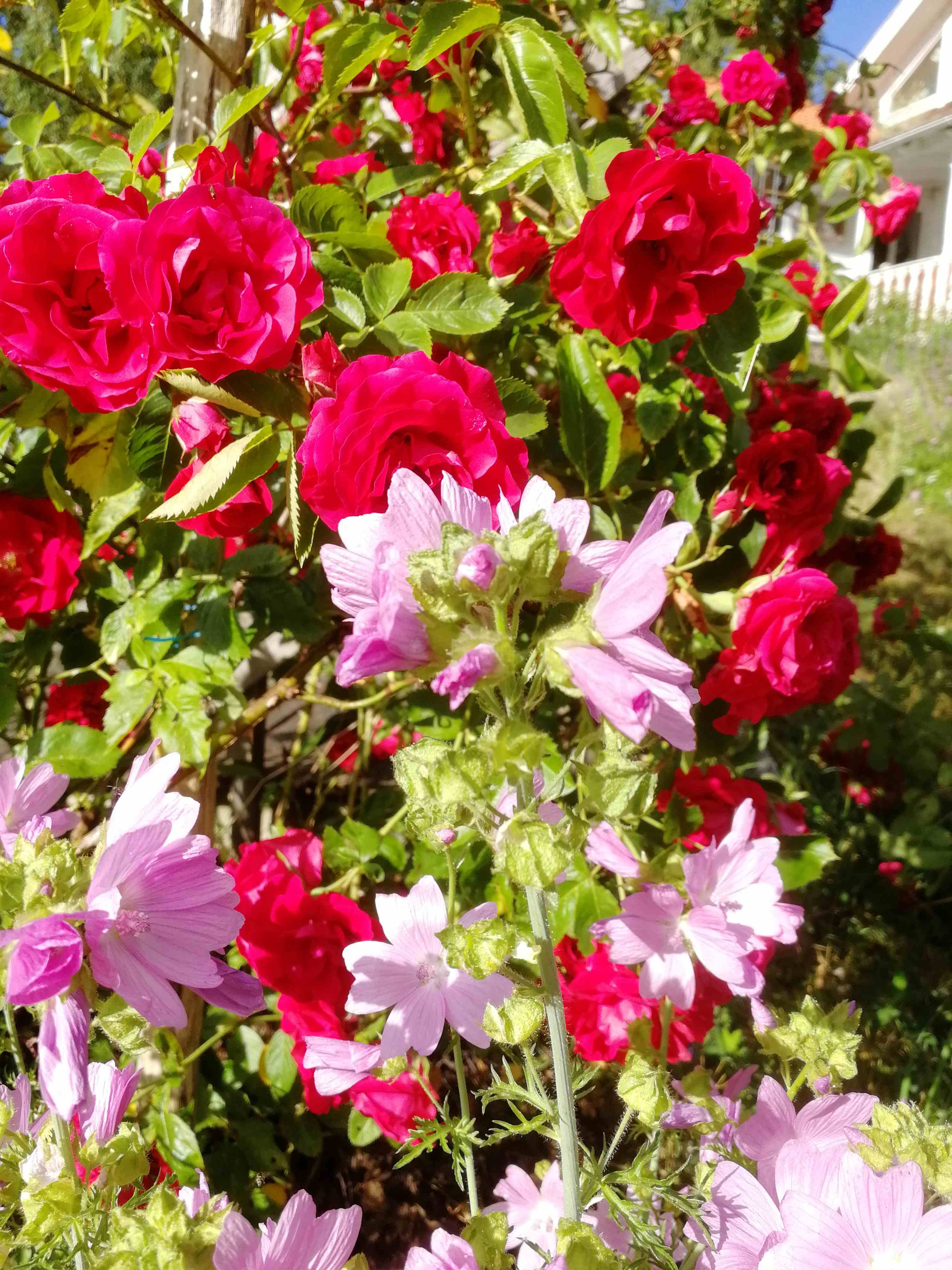
They’ve lined the house with flowers, vases everywhere, full of whatever is available from the garden, especially in summer, but even as autumn and winter, nature’s slumbering time and therefore his time for writing, approaches. Neither he nor his wife likes to make statements or protest loudly; they can’t afford to because it could endanger their daughter. However, under the circumstances, one could see this house, with its many flowers, as a protest. The soft petals in many colors counter the monolith of steely strength that the regime would like to portray itself and the nation it has hijacked as. It seems effortless—putting flowers in vases around the house—but in a world where unbearable dreams weigh down the days, it is a triumph.
Their routines, including an elegantly set table at mealtimes, no matter how sparse the offerings, their intensive letter-writing to friends, book and article writing, and the maintenance of this home and its garden, elude the regime’s goal of undermining the sanctity of the personal realm. Everywhere, there are the signs of an unquenchable thirst for spiritual nourishment—the Mannborg piano where composers have set his poems to song, the library full of new and old classics, and the antique Christian icons collected on travels through the years. The latter, especially the figures of Jesus, represent transcendence and the idea that no man is greater than God, which the regime attempts to quash with its leader cult. The house wears the Church year—Christmas, Easter, and Pentecost—like a colorful feather in a hat. The Party flag is notably absent. He calls the dining room a “refectory” after the dining hall in a monastery. In it, they break bread with the few visitors they try to help, even as they are persecuted themselves, a ritual that honors the bonds of charity and solidarity among friends.
However, in his diary, a work which will one day be considered by some as “an immense existential achievement,” he admits to the difficulty of making progress with his new book, “The Eternal House.” He seems to have lost his capacity to immerse himself in his work and write for hours, even during the indoor season. The figurative wolves are at the door, howling for his attention, threatening his family. It is any person’s nightmare, let alone a professional writer’s.
Perhaps this house will never be more than what both he and she call a “tragic idyll,” a small paradise destined, with its inhabitants, to succumb to what he senses are end times. Some say their refusal to let it go and to leave early enough doomed the family to take their own lives. And yet, reading of how they lived in it over the years, one cannot help but be moved by the immense existential achievement of the way they carried on, filling the vases, putting pen to paper, reading, playing and listening to music, setting the table, welcoming friends in need, breaking bread, celebrating the church year and their birthdays.
The regime ended, its leadership met a fittingly sordid end, but this story of a family in their cherished house amid the storm has an eternal quality about it; a lantern that stays lit through the tumult of all time, always so close to anyone who cherishes their life at home.
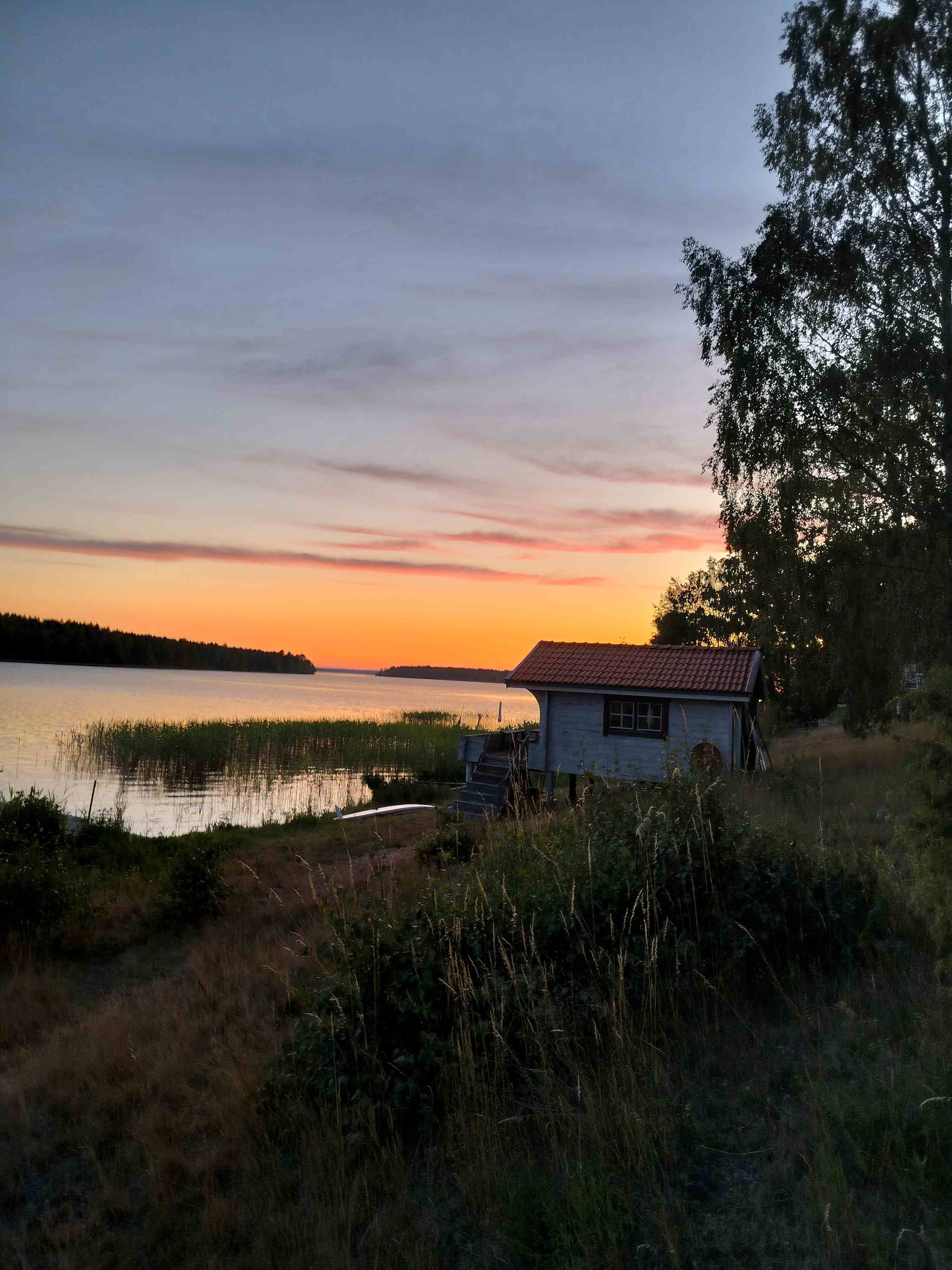
You can tell that I am back working on my manuscript about my discovery of the Kleppers and their experience of living in their beloved home in Berlin during the 1930s and early 40s until their deaths by suicide in December 1942. The more I delve into their story, the more multifaceted its relevance becomes to my own life (though hopefully I can avoid their end).
Recently, when trapped in a small one-room cottage at the water’s edge on my summer island in the worst gale in memory, too far away from the main house to leave, I thought of them and the meaning of house and home in a stormy world. So often, in my own rootlessness, I’ve struggled with the idea: for the longest time, forming attachments to places seemed to me at best irrelevant, at worst painful, because the moving boxes were always at the door. I’ll leave explaining why to future missives.
Yet, as those sharp, sometimes heavy, large objects hurtled past the window, I couldn’t but help be calmed by the warmth of my nine-month-old pup in my arms, the sturdiness of the wooden beams, the protection of the shingled roof, and the compartmentalization of the wild weather by the squares of the latticed windows. The intimacy of it was like an anaesthesia that stopped time.
The Kleppers were often criticized for endangering their daughter’s life by clinging to their treasured home in Nikolasee, Berlin, for too long. While the argument is simplistic, even if it were so, I sympathize deeply with them. Living in what feels ominously like an “end time,” Klepper’s words for describing the age in which he lived, makes having a place where we can hold one another, wrap ourselves in the security of our cherished routines and nourish our spirits with our books, music, and the symbols of our faiths and beliefs, like the transcendence of a collapsing old world.
The Eternal House was never written, except in fragments; however, perhaps each of us, with the privilege of inhabiting a protected space with our loved ones in good times and bad, is writing it all the time by living this most ageless of ideas.
Enjoy, Letting Go, a poem I wrote this Midsummer, realizing that I’d soon probably have to leave a home I’ve loved living in for many years.
No posts
Comments
Nothing yet. Say the first thing.
Sign in to join the conversation.