

An eleven-year-old boy receives a postcard dated 8 December 1942, from a well-known German author and poet, a close friend of his parents living in Berlin. Just three years before, the boy and his family fled Germany for neutral Sweden because of his mother’s Jewish heritage and his father’s work as a pastor, both reasons for persecution under the Nazis. The author and his family are unable to leave because the German authorities have so far refused to issue the necessary permits.
He feels a special closeness to the author, not only because their families were persecuted for the same combination of reasons, but also because they have a common artistic calling. “When I was your age, I also wrote plays for my puppet theater; I’d very much like to read your play sometime,” the postcard says unassumingly, free of any reference to the author’s desperate situation. By the time the boy receives it, the author and his family are already dead because the alternative would have been separation and deportation of his daughter and maybe even his wife, who are Jewish.
The boy never forgets that postcard or the fate of the family. In fact, those few precious words—mustered in unimaginable conditions, when the author and his wife had already set in motion plans to end their lives—strengthen the boy’s determination to pursue his unusual passion. At first, like his author friend, he’d wanted to become a novelist, but the postcard is a calling to heed his own inner calling. It is a personal message but also the author’s signum: through his novels and poems, he has helped so many to defy outer pressures and heed their inner voices.
The boy knows he is fortunate. As he gets older, thinking of what might have been sends chills down his spine. The school he attends in Viggbyholm, Sweden, is uncommon for its time: a place run by people concerned with human rights and the integrity of the individual, even before these ideas became an international standard under the United Nations. Apart from encouraging creativity, it also instills a keen awareness of ethics. But the postcard from the persecuted author is unlike any other catalyst. It is an arrow to the heart that cannot be removed, and out of the pain, the lifelong pursuit of his passion emerges.
Over the years, the boy becomes one of the world’s leading marionettists, establishing a theater that travels the world performing pieces inspired by classical myths and legends. As if this weren’t enough, later, he establishes a museum for the many striking marionettes he and his colleagues have made, the faces of which have evoked humanity’s most enduring questions.
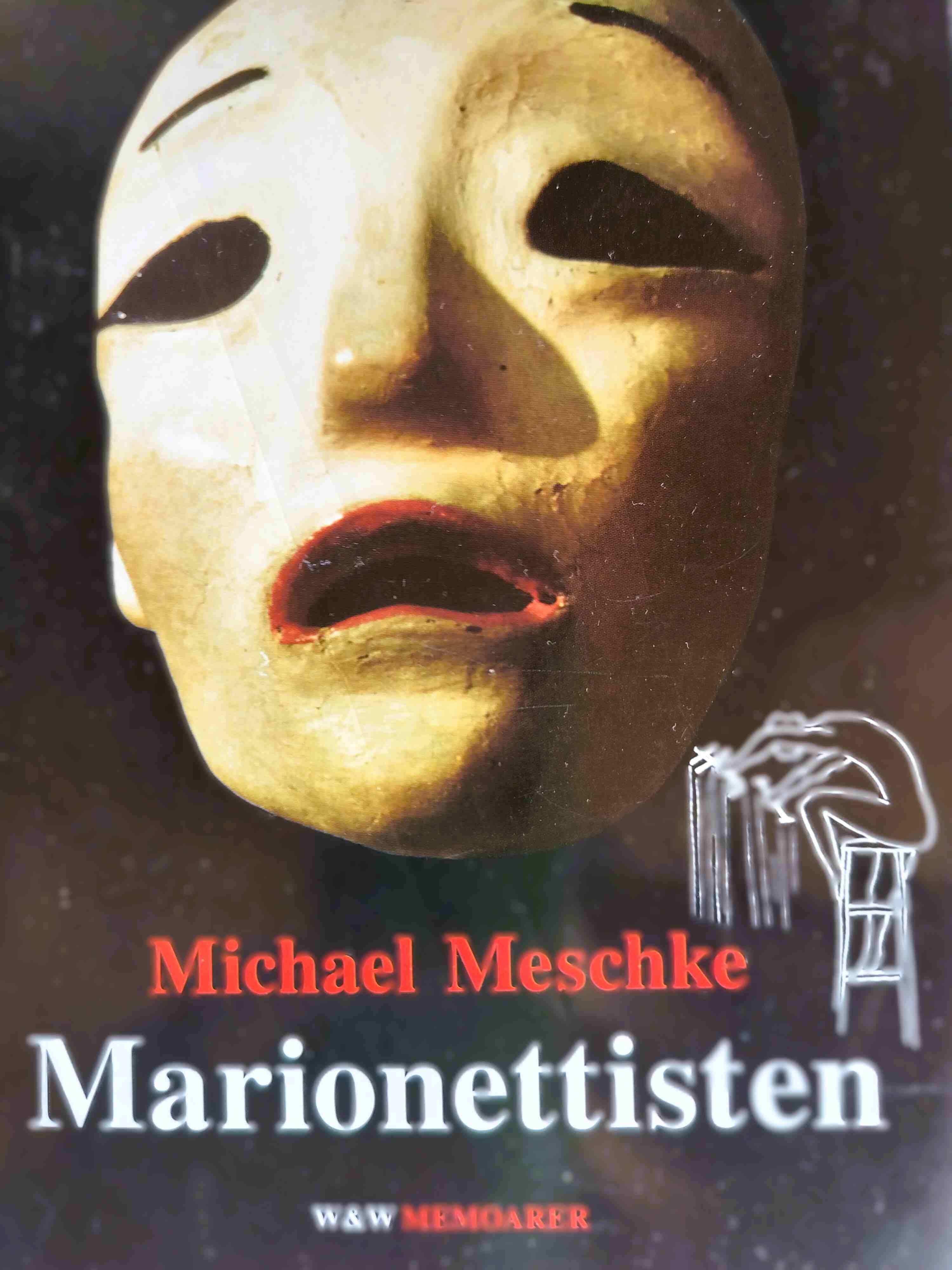
The author, with no future, helped a boy to grasp his bright dreams. The simple act of writing a postcard was an extraordinary act of overcoming, but it must have benefited him as well. Exhausted from years of fighting to provide for and protect his family in an increasingly hostile environment, he had lost the ability to write, save penning the necessary letters and keeping his diary. The postcard was a chance to recall a more innocent time, his own childhood days of unselfconscious creativity before the struggles and the self-doubt began.
Moreover, even if he did not intend it as an act of resistance, this was resistance at its most poignant. Handcuffed by the shackles of persecution, he wrote some of the most impactful words of his life. The words were so clear and simple that, like quiet spirits, they passed through the shouting, the lying, and the censors to reach someone who, with all his life’s might, would work for a different kind of society.
This true story, woven into the book I am currently writing, has a timeless quality: amid its tragic end, an earlier generation has the foresight to leave a calm note of faith for the new, encouraging one life, which will inspire many others and thereby build a better society.
The postcard was expressly written in 1942 to a boy, a person I have had the pleasure of meeting many years after his retirement from a long and most unusual career. Yet, when I read the words, they speak to me too. Pursue your creative calling, they say, not despite the adversity that anyone in the creative arts encounters, but because it means something to others and is the foundation of a free society. They also urge me to look beyond myself, between the cracks of the darkening clouds in our world, to ask what I can do and what I might leave behind that will inspire a new generation in a better world when I am gone.
What better gift, what better example, can there be for a young boy in 1942, for a writer in 2025, for all of us for all time?
Afterthoughts:
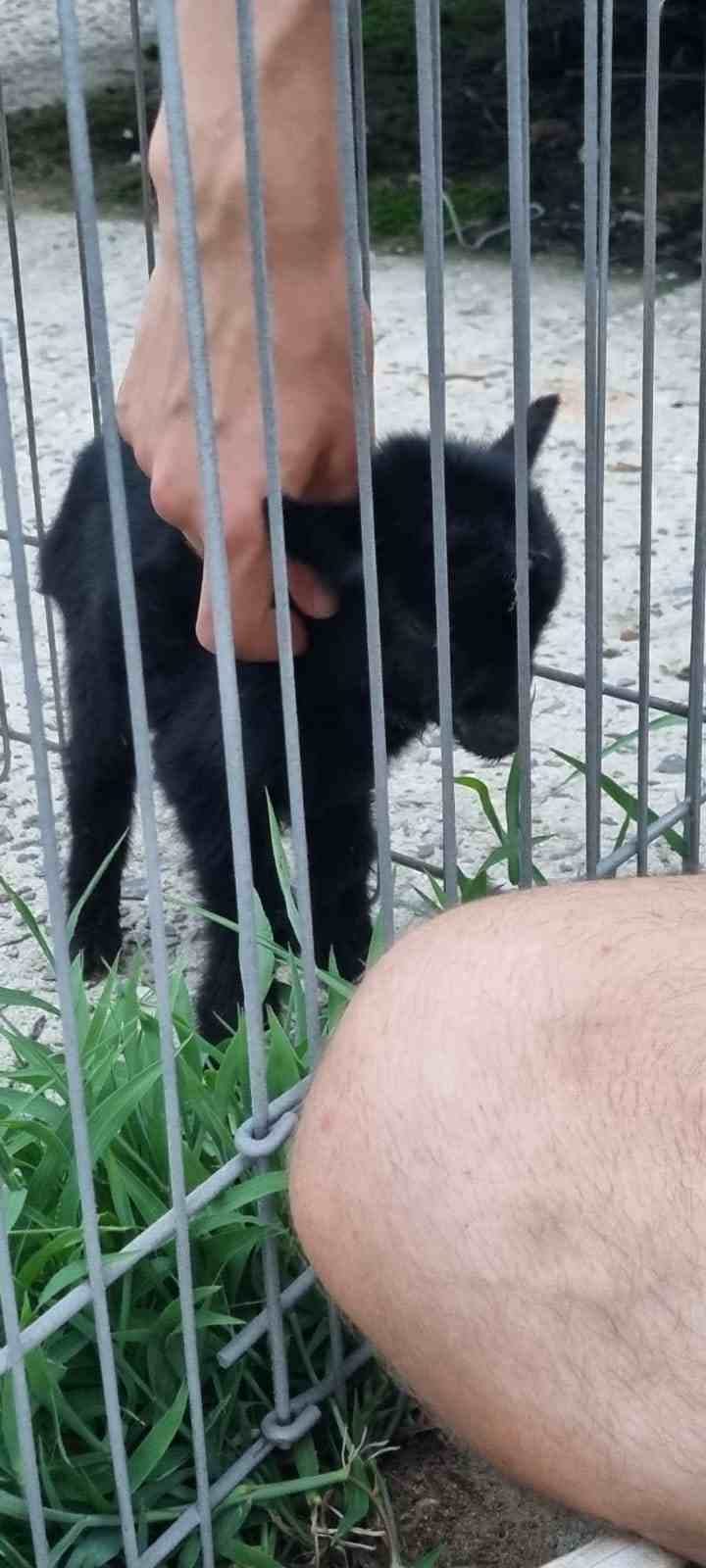
Kid is a poem I wrote this summer based on a different and, in some ways, more tragic story because, in it, the young have no future. I could not help but write it when my son, traveling in the mountains of South Korea, told me of his experience of keeping a young goat company during its excruciating week-long life. Writing it, I was reminded of the wars that continue to rage in our world, in which the youngest always suffer the most.
An old friend, with whom I have recently been debating, has publicly opened up the question of how we can create a world without war. He is engaging many people in the discussion, and all good thoughts are needed. You can hook up with him to join this urgent debate at LinkedIn (look for Sundeep Waslekar, President of the Strategic Foresight Group). I’ll provide a review of his book by the same title in a future posting.
No posts
Comments
Nothing yet. Say the first thing.
Sign in to join the conversation.