
Sabbath is a religious word. I'm spiritual but not religious. And yet, a few months ago, I started practicing sabbath—and it has been nothing short of life changing.
Prompted by a growing awareness of what modern life does to us, I went looking for solutions. One came in the form of John Mark Comer’s book, The Ruthless Elimination of Hurry, which suggests four practices for a spiritual life: sabbath is one of them.
Comer is an evangelical pastor who speaks to it from a Christian lens. The roots, though, lie in the rich Jewish tradition. Shabbat comes from the Hebrew verb shavat, which means to cease, to stop. Not to rest in the sense of recovering for more work, but to stop, full stop. As the story of Genesis goes, God created the world in six days and rested on the seventh day. The deeper framing in the Torah ties shabbat to liberation: the Israelites, freed from generations of slavery in Egypt, are commanded to rest—because slaves don't get days off, and free people do.
In secular terms: rest is the mark of a free person.
And I'm not interested in spending my precious time as a slave to the modern world.
Sabbath is not just a day off. You take a day off when you’re exhausted. Sabbath is a day you take to remember why you are alive. A day to remember that you did not come here to work every minute of every day, make as much money as you can, spend every free minute consuming brainrotty or agitating media, or optimize every area of your life.
You came here to enjoy the improbably rare gift of human consciousness and the uncontainable beauty of creation. You came here for long meals, nature strolls, and slow mornings. You came here to explore and create and love. That's what sabbath is for. We may aspire to have these things sprinkled into every day, but sabbath makes them a definitive priority. That means anything in the way of enjoying life must go.
While religious sabbath centers not only on rest but worship, the pillars of secular sabbath are rest and delight.
Here are the guidelines I’ve been following (which borrow from the religious roots):
A fixed 24 hours, same time every week. We don’t take sabbath when we can or when it’s convenient. We plan for it and design the rest of the week around it. We’ve chosen Saturday. Sabbath begins Friday after dinner. It can also be Sunday, but what I love about Saturday sabbath is that when it ends, you still have Sunday.
No work (absolutely none). Work here does not just include your job and the obvious culprits such as email, laptops, or calls. It also includes errands, chores, inbox cleaning, or any efforts related to productivity or self-improvement. I usually (and happily) spend some time on Friday afternoons to take care of any final chores that will allow us to fully relax for the next 24 hours.
No phone (or minimal screens). Digital sabbath has gained momentum as an antidote to screen overload, and for good reason. If you can, put your phone away in a drawer for the full 24 hours. I have a Brick setting for sabbath that disables most apps on my phone, but I can still look stuff up and use Maps if needed. The absolute minimum here is no email or social media.
Limited media. In addition to no social media, I like to add in the rule of no media—period. Sabbath is not the day you want to immerse yourself in the worries and aches of the world. It will not help you rest, or be delighted. The world can wait. A day binge watching Netflix on the couch is also not an ideal Sabbath activity, it may be restful but it will not spiritually fill you up.
No commerce. This is a day to cease, which includes consumption. I’m not strict with this guideline. I won’t do grocery runs, errands, or online shopping, but if my sabbath activities happen to take me into a cute boutique, I might treat myself.
Small rituals to mark the beginning (and end). You could light a candle or play a song to ring in sabbath every week. Comer’s family makes the same cookie skillet after family dinners on Friday, an image that’s stuck with me. We started naming gratitudes at the end of the 24 hours, which feels like tying a bow on this beautiful gift we’ve given ourself.
Now, this is a long list of what not to do during Sabbath. So what do you do instead? In short, anything that promotes rest or delight. Here are some examples:
Long, delicious meals
Time with the people you love
Walks in nature and general time outside
Reading, board games
Creative activities (that don’t feel like work)
Listening to music or attending live concerts
Exploring new areas of town or taking day trips
If you’re not sure about whether something is a good fit or not, just ask yourself: will this feel restful and delightful? If the answer is yes, you’re good to go.
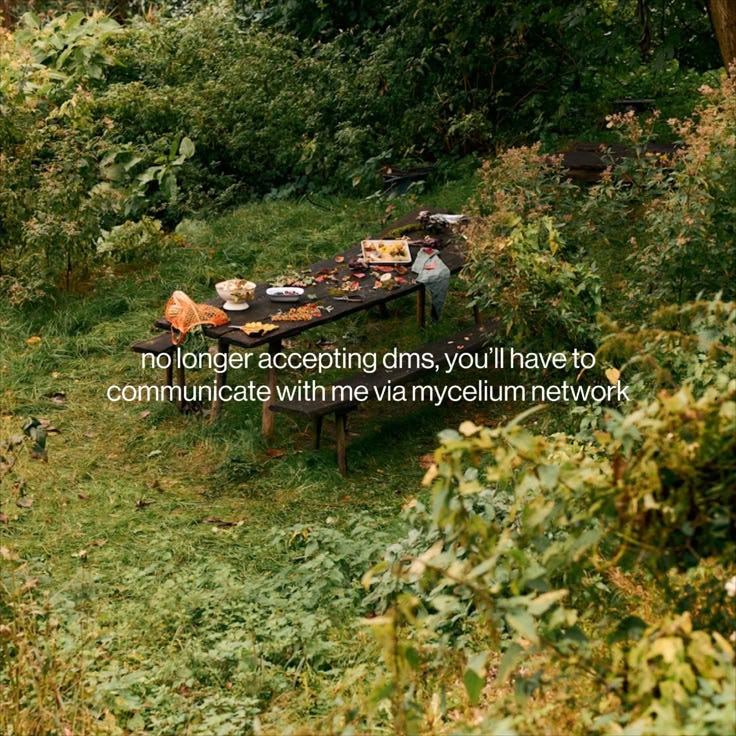
Sabbath is a practice of reclaiming your birthright of joy. It is one day a week where you say no to all that makes modern life hard—the work, the productivity, the overconsumption—and YES to all that makes life rich—relationships, play, pleasure, joy, and aliveness.
The point of sabbath is the day itself—not what it does for the rest of your week. But the spillover is real and worth naming: you'll probably feel more rested, more grateful, less reactive. The screen break tends to make the other six days of screen use more intentional. Looking back, sabbath may become your favorite part of the week. As Comer puts it, it's basically like having a full day of Christmas with your family—every single week.
Most of us are already making an effort to enjoy our weekends. To do fun things and relax. But there is a subtle but profound nuance I’ve observed in intentionally making one day a week holy. Take it as spiritual or as secular as you will: the truth is, life is meant to be enjoyed. When we clutter our days too much with duties and constant stimulation, we lose sight of that fact. When we stop the doing and drop into being, we remember why we are here.
May you rest and be delighted this week,

Download Atoon for musical journeys to help you feel more and think less
Get on the waitlist for upcoming yoga and medicine retreats
Download my free psychedelics beginners guide or integration workbook
No posts
Comments
Nothing yet. Say the first thing.
Sign in to join the conversation.