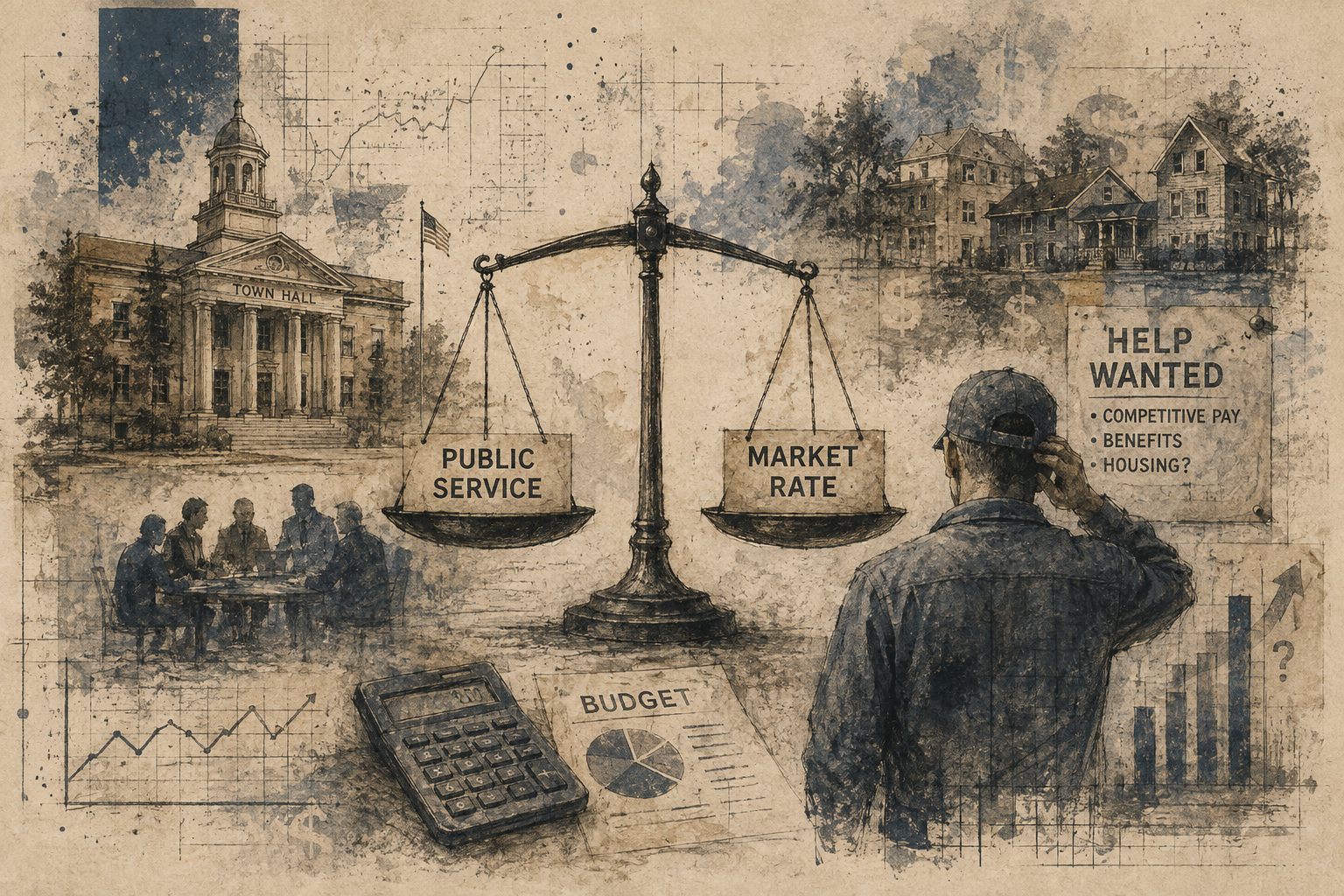
What happens when municipalities can't afford market rate?
Towns, cities, and villages can’t call it savings when low pay, chronic vacancies, and unaffordable housing leave taxpayers paying full price for half a service.

Columnist and former journalist writing about the issues facing communities in decline.
Live Last read · last published · next check
Towns, cities, and villages can’t call it savings when low pay, chronic vacancies, and unaffordable housing leave taxpayers paying full price for half a service.
It's easy to complain about the world around us. But, caring enough to act, over the years it takes to create change is much harder.
When millions of people are struggling with the same problems, blaming their choices becomes a convenient way to ignore what the data has told us for years.
As attention spans get shorter, creators are learning how to reach people faster. The harder and more important task is giving them a reason to stay.
The coverage was there. The harder truth is that most people did not want it badly enough until the results were already in.
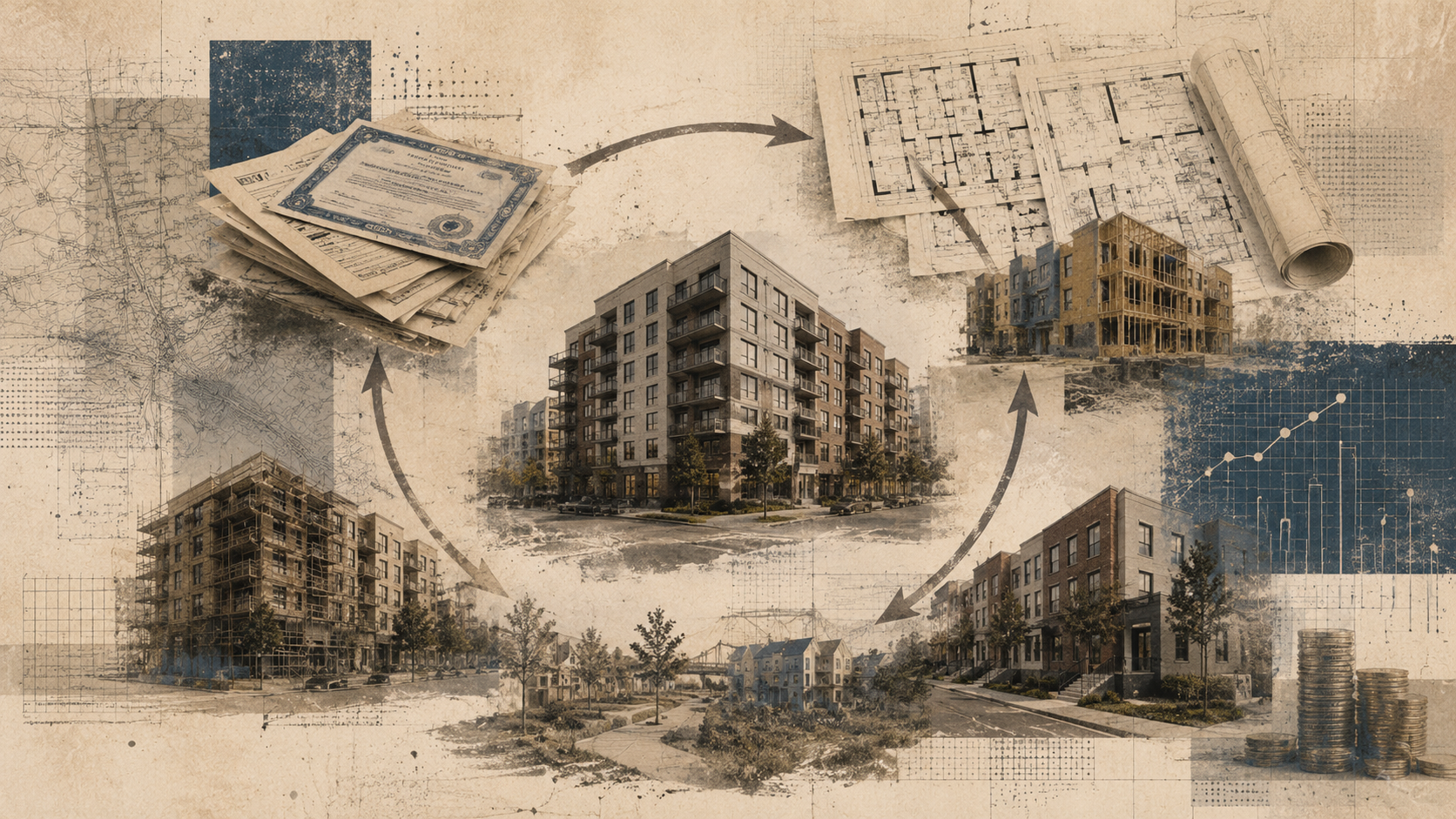
The state already deploys revolving loan funds, but what if better execution were paired with all of the efforts we've seen to align zoning and land use so more housing could be built in scale?
The real path forward requires elections, comprehensive planning and better rules before the next controversial project arrives.
Why removing Planning Board members, employees and consultants over an unpopular outcome would create more legal risk, not less.
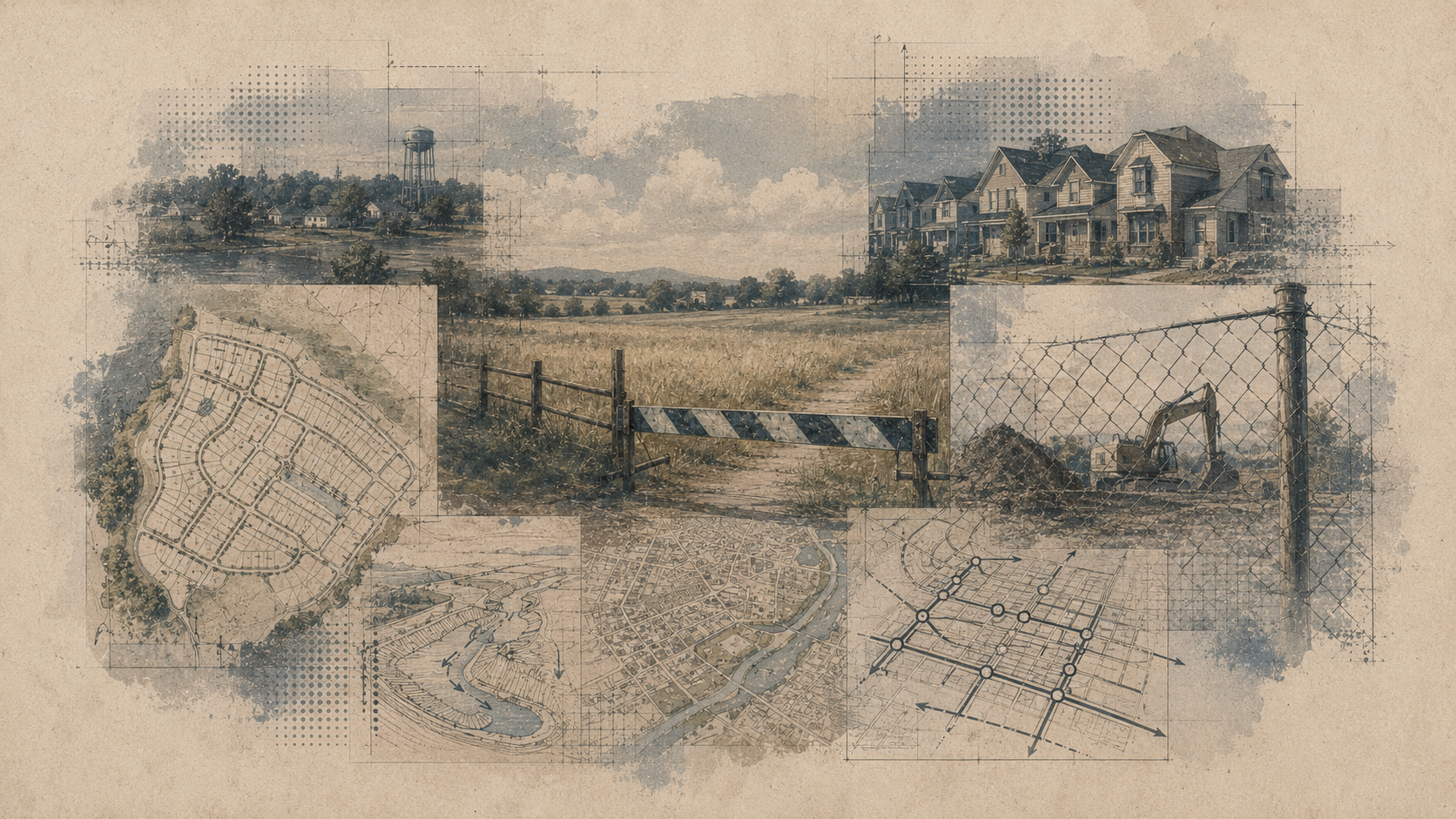
Why a townwide development freeze wouldn’t erase existing approvals — and could leave Walworth taxpayers footing the legal bill.
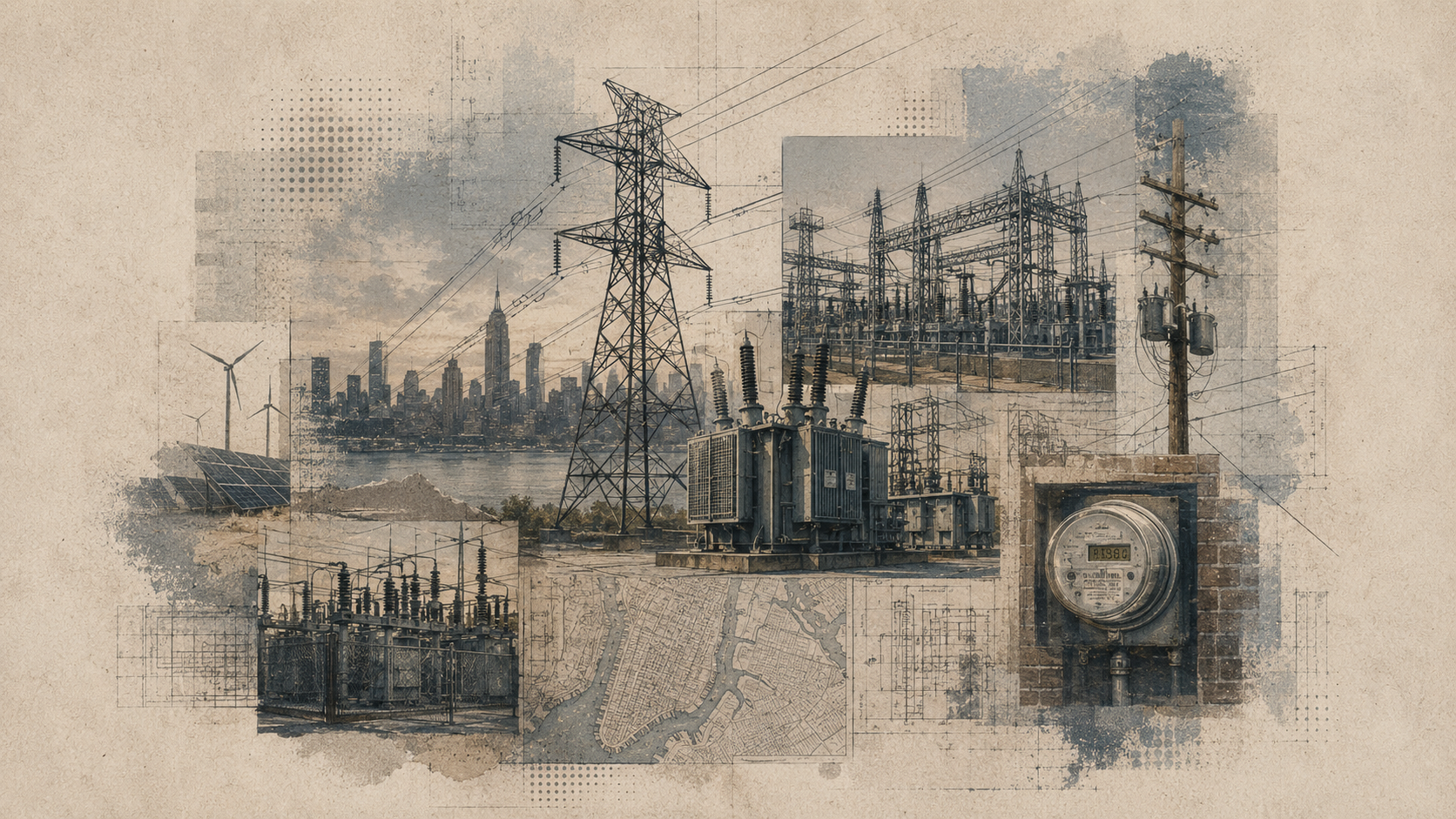
NYISO’s latest outlook shows how rising demand, transmission bottlenecks and unproven technology could leave households and small businesses carrying the financial risk.