
In the first three parts of this series I have written about the cold. The first minute in the fjord, the cold that follows you out onto the bike, and the lungs. That is what Norseman is famous for. Very few talks about the heat.
They should.
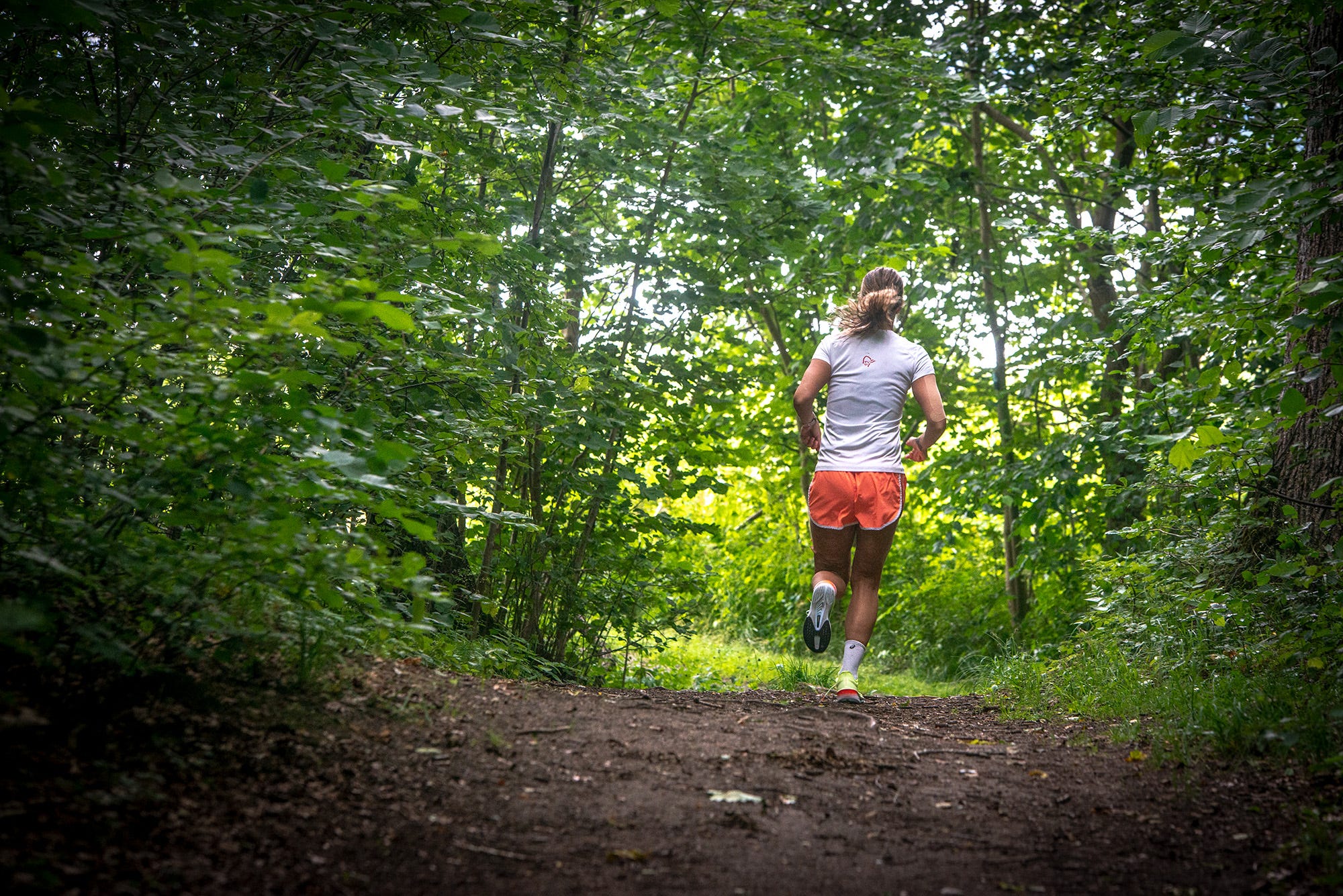
Because here is a strange thing about one of the world’s most extreme triathlons. Many of the medical situations we deal with the whole day do not happen in the cold fjord at all. They happen many hours later, in the sun, out on the run. The same athlete that jumped off the ferry shivering in the morning can be badly overheated by the afternoon. A race everybody think of as cold is, more often than people expect, beaten by the heat.
The warm stretch is no mystery to us. It is the first 25 kilometres of the marathon, from T2 in Austbygde and inn along the valley, and then the beginning of the long climb we started to call Zombie Hill many years ago.
That stretch is a heat trap, simply because of the geography. It lies low, it is often sheltered from any wind, and you run it in the middle of the day when the temperature is at its highest. Put many hours of hard effort on top of that, add an athlete who has not been drinking enough, and you have the perfect recipe for trouble. In our own risk planning, heat illness on this section is one of the most likely medical events of the whole race. At this years Crew Race, our own dress rehearsal, the valley pushed past 30 degrees. The same people who started the day shivering were now trying to get rid of heat as fast as their skin could manage.
The physiology is worth understanding, because it explains everything else.
Your muscles produces heat. Running makes a lot of heat, and your body gets rid of most of it in one single way, by evaporating sweat off your skin. That works fine, until two things go wrong at the same time. If the air is hot, and if you are dehydrated and can not afford to keep sweating freely, the heat does not leave fast enough, and your core temperature starts to climb.
A rising core temperature during hard exercise is normal, up to a point. Triathletes run at 39 degrees all the time, sometimes touching 40 and more. But when the core temperature get to warm and the brain starts to be affected, now you are into heat stroke, and heat stroke is a real emergency. It is one of the very few things that can kill a young, fit and healthy athlete within an hour. And here is the tricky part, an athlete with exertional heat stroke is often still sweating. That is exactly what makes it so easy to miss.
There is one more trap in this. Just like your body keeps cooling after you come out of cold water, it keeps heating after you stop running. I have swallowed a temperature sensor several times before a hard training myself, and watched my own core temperature keep rising for about ten minutes after I had stopped, because the heat I already made had to go somewhere. This is also something we have seen in several studies. So an athlete who stumbles to a halt in the valley is not safe just because he has stopped. The heat is still building inside him.
So, we do not only watch this happen. We measure it.
At this years Crew Race I wired the crew up with muscle oxygen sensors, expecting them to tell me about effort. One of the signals, the amount of blood pooled in the working muscle, did something I did not expect at all. It did not follow how hard they were working. It followed the thermometer. As the run heated up into the thirties, the blood pooling in the muscle climbed steeply, because the body was busy doing its other job, opening the vessels near the skin and turning the muscle half into a radiator to get rid of heat. And at the same time their pace fell away. You could actually see it in the data, the body quietly giving up performance just to stay cool. The heat was winning, and the sensors caught it.
Because we know exactly where the heat bites, we prepare for it.
When the forecast is warm, we set up a line of manned cooling and drink stations along those first 25 kilometres. Local people let us use their garden taps, and our crew rig up garden hoses with a soft, wide spray. You run through, we spray your head, neck and torso, and we fill your bottle. The cooling from a spray is real but it is short, this is why we have a whole string of stations and not just one. Water on the skin pulls the heat straight out of you, and keeps pulling as it evaporates.
So here is my ask to you. Use them. All of them. Even when you feel fine, and especially when you feel fine. Let us spray you, drink at every station, and do not try to save a few minutes by running past the cooling. The athlete who runs the valley proud and dry is very often the one we meet again later, in the medical tent. Cooling and drinking is not weakness. It is how you get to the mountain with something still left in you.
And a word about your own preparation. Drink before you get thirsty, and take electrolytes, not only plain water. Dress light and airy on the run. And run the valley by the temperature, not by your watch.
As always, the support crew is vital. You are our extra eyes out there, and in the valley you might see the first signs before we do.
You can also cool your athlete yourself, and you should. Keep a small spray or mist flask in the car, and every time you meet your runner, offer to spray the head, neck and shoulders if they want it. You do not have to use our stations. A few seconds of water on the skin in between keeps the cooling topped up, and on a hot day this makes a real difference over 25 kilometres.
Watch your athlete for the early warnings of heat illness:
Confusion, unsteadiness, slurred speech, or behaviour that is out of character
Nausea, a pounding headache, dizziness, or a stumbling walk
An athlete who stops sweating, goes strangely flat and sleepy, or collapses
If you see any of this, do not wait, and do not push your athlete on. Start cooling straight away, before anything else. Get water onto them at once, over the head, neck and torso, and keep it coming. The water does not have to be ice cold to work. For much of the run you are right beside a huge lake, so use it. Lake water, bottle water, whatever is nearest and wettest, poured or sprayed over the skin, it pulls the heat straight out of the body. Any water beats standing around waiting for the perfect cold water. While you cool them, call us. Or the emergency service, if it is really bad (national emergency number is 113). Our principle on the course is simple, and I want you to remember it. Cool first, everything else second.
So this is the whole shape of a Norseman day. You start it fighting the cold, shivering off a ferry into a dark fjord. And you can finish it fighting the exact opposite, overheating in a still, hot valley with a whole mountain still to climb. One body, one day, both ends of the thermometer. The athletes who respect both of them are the ones I get to meet up at the summit.
There is more Norseman physiology and research still to come. But this one mattered enough to say it plainly. Do not let the cold reputation fool you. Prepare for the heat too.
See you in Eidfjord. And enjoy it, this is a day you will remember for the rest of your life.
Jørgen
This blog post represents my personal views and does not necessarily reflect the opinions of my employer or any organizations. I have no affiliations with any companies relevant to this.
I’d love for you to join my Substack blog!
If you find this interesting and want to support my work, consider selecting the monthly paid option.
No posts
Comments
Nothing yet. Say the first thing.
Sign in to join the conversation.