
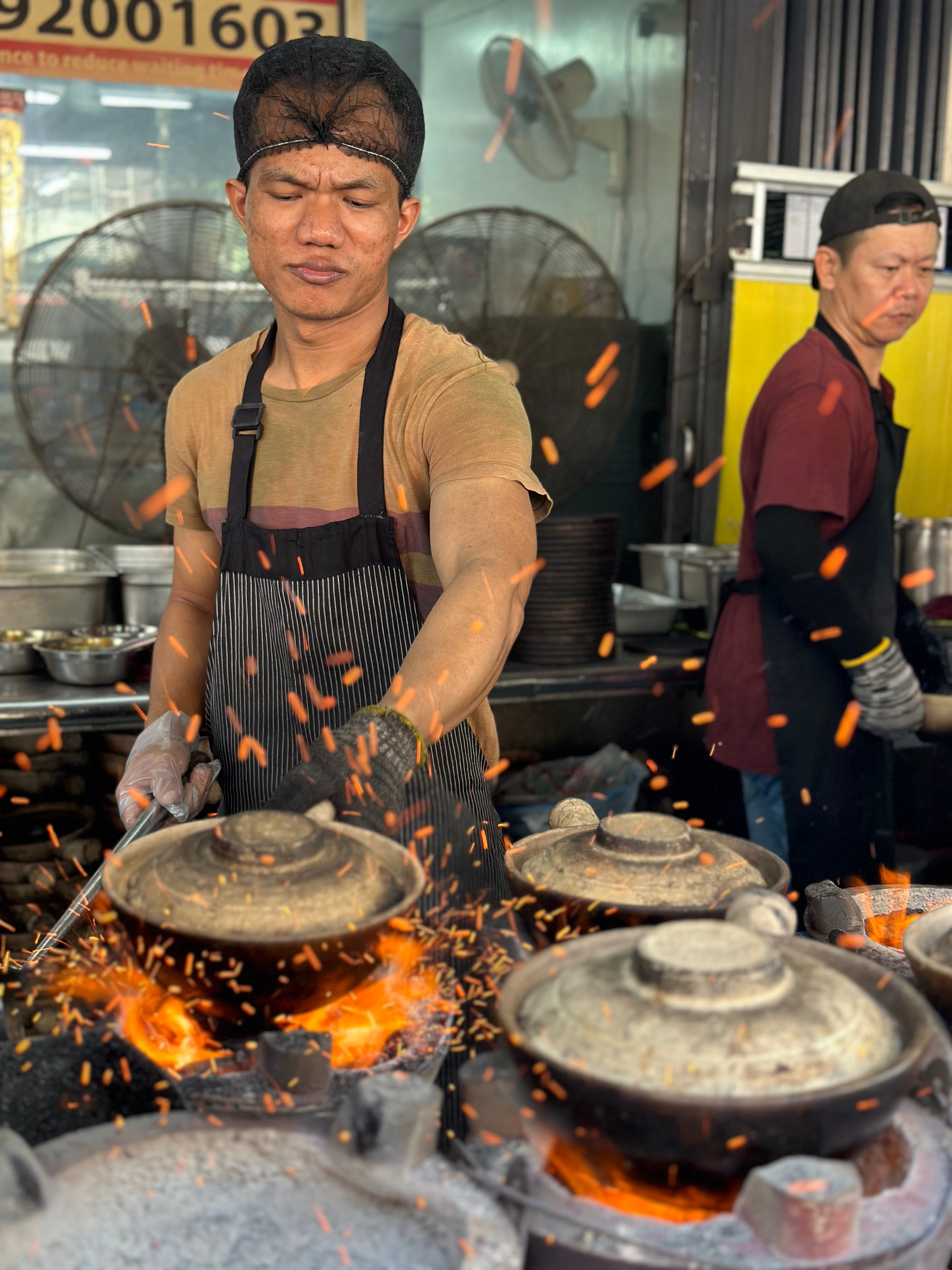
Anthony Bourdain may not primarily have changed what we eat. More importantly, he changed whom we consider worthy of cooking for us. Few people did more to move the Chinese takeaways, Vietnamese noodle shops, Mexican taco stands and Middle Eastern eateries of Western cities away from the gastronomic margins and present them not merely as cheap, filling alternatives, but as representatives of another culture.
This may seem almost self-evident today, but for a long time it was anything but. For decades, many Western customers visited so-called exotic restaurants mainly because they offered a financial advantage: the food was quick, generous and relatively inexpensive. The culture, family history, technical knowledge and historical experience behind it rarely became the focus of their interest.
One of Bourdain’s greatest achievements was changing this. In his programmes, a bowl of soup eaten on a plastic chair was not presented as a cheaper, more primitive version of “real” gastronomy, but as a cultural achievement in its own right. Viewers did not simply see what people ate in Hanoi, Mexico City or Singapore. They also saw who cooked the food, where its flavours came from, and what a particular dish meant to a family or community.
This is Anthony Bourdain’s true legacy, and its importance is difficult to overstate.
That is precisely why it feels uncomfortable to argue that his programmes should not be treated as gastronomic guidebooks. Not because they were worthless or dishonest, but because they were television productions, and their choice of locations was shaped not only by culinary quality, but also by the demands of narrative, visual impact, exoticism and stories that could be told easily on screen.
I do not say this merely as a viewer.
In November 2014, I was contacted by one of the directors and producers of Parts Unknown. They wanted me to be Anthony Bourdain’s local guide for the Budapest episode. For weeks, we worked on possible locations and themes, while the original concept gradually changed. By the end, they were looking for something very different from what I considered gastronomically valuable.
The programme was eventually made without me.
In the full article, I explain how our collaboration began over fish tacos in New York, how Budapest’s genuinely exciting restaurants were gradually pushed aside, and how communist retro, grotesque spectacle and easily marketable Eastern European exoticism became more important than the food itself.
I also describe why a workers’ canteen that I considered genuinely bad ended up in the programme, what the experience taught me about the mechanics of television, and why, despite all this, I still believe Bourdain did more than almost anyone else in modern food media to raise the social and cultural standing of ethnic cuisines.
Comments
Nothing yet. Say the first thing.
Sign in to join the conversation.