
THE FIT & FOCUSED FILES: Body Composition Series
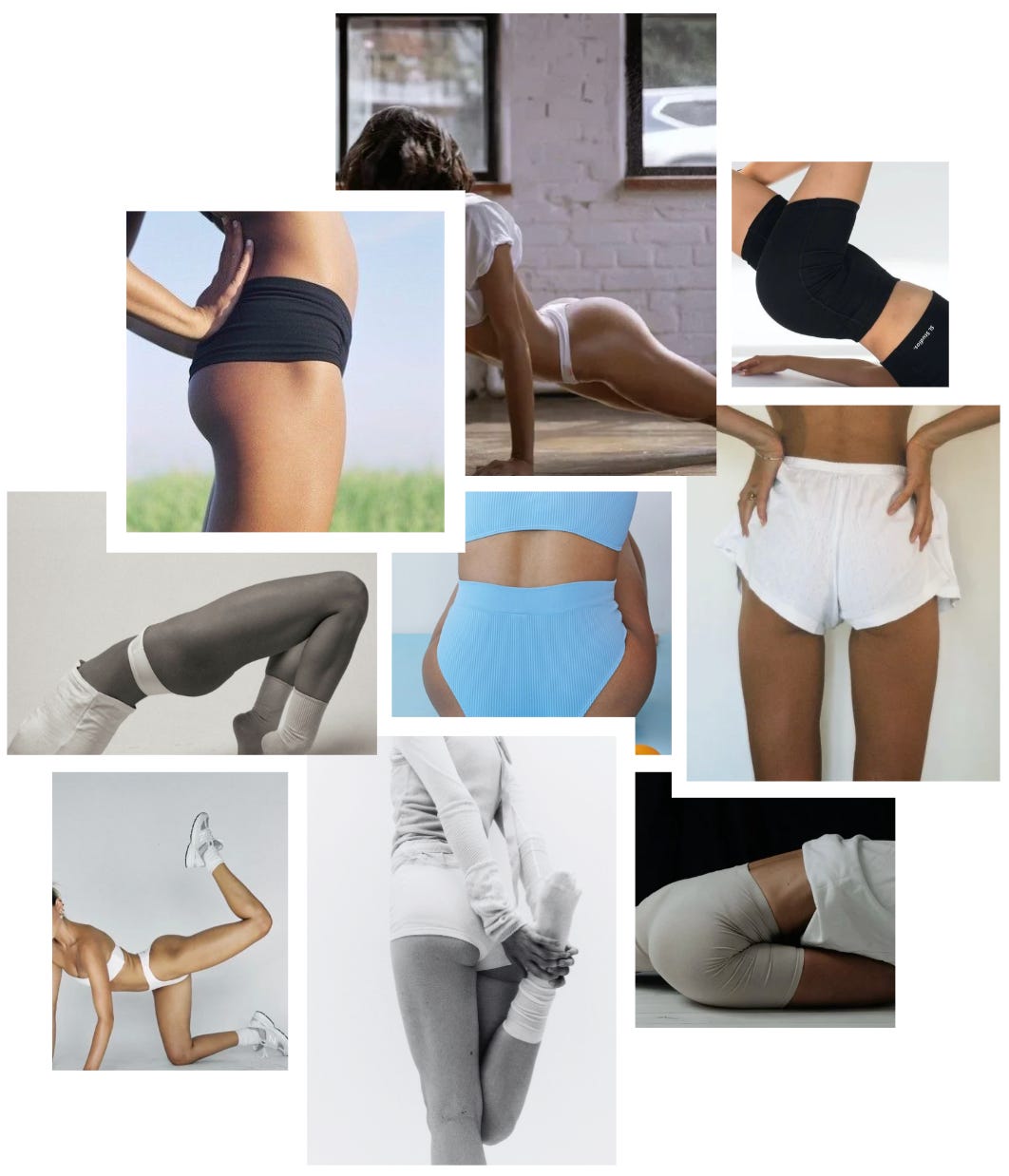
It’s been a minute since the last Body Composition guide, but we’re back in it and I’m determined to wrap up the rest of this limited series by the end of August, so you’ll be getting a new edition every Monday for the next few weeks as we finish building out the foundation of a strong, lean, well-put-together body!
If you’re just joining, we’ve already covered arms, legs, and core (links are below if you need to catch up). Each edition in this series breaks down what actually creates that “defined” look without overcomplicating it. Today, we’re getting into glutes!
CATCH UP HERE:
I know there’s a lot of noise and a lot of extremes out there on this very loaded topic. On one end, you have the “grow your glutes at all costs” approach. On the other, some are avoiding training them altogether because they don’t want to look bulky or overly built. I think most of us are probably stuck somewhere in the middle, just trying to feel a little stronger, a little more toned, and a little more confident in our own body.
So let’s keep it simple today! This isn’t going to be a guide on how to build a dramatic, BBL-style look or make your life revolve around growing a “booty.” There’s nothing wrong with that goal if that’s what you want, but that’s not what we’re doing here. Today’s guide is going to follow a much more grounded approach (which is honestly my favorite kind fo fitness routine!).
In this post, we’ll be focusing on how to build a tight, toned, naturally lifted look that supports your posture, balances your lower body, and helps you feel good in things like shorts, dresses, and swimsuits — without overtraining, overthinking, or turning this into a full-time project.
We’ll also get into what actually creates that toned look, why a lot of popular advice falls flat, and how to train in a way that feels intentional, sustainable, and realistic (especially if you’re just getting started)!
What Do We Actually Mean By “Lifted Glutes”?
When we picture “lifted glutes,” it’s usually not just about size. It’s that slightly higher, more supported look, a bit of roundness, some upper glute fullness, and just enough definition to feel put-together in fitted clothes. It’s actually more of a vibe than a measurement.
Where it gets confusing is that “lifted” doesn’t automatically come from doing more glute exercises. You can build muscle and still feel like nothing is sitting quite right, while someone else looks naturally lifted without doing anything extreme. Shape, position, and proportion tend to matter a lot more than just making them bigger!
If you zoom out, it really comes down to a few things working together: muscle (what gives structure) + body fat (what you actually see) + genetics (how everything is shaped and placed) + posture (how it all shows up day to day).
Once you understand that, a lot of the random advice out there starts to make way less sense.
This is the part most of us skip… and then end up doing a lot of work for very average results.
Once you understand how your glutes are actually built, everything starts to click. Certain exercises suddenly make sense, others feel like a waste of time, and you stop relying on random “booty workouts” that look good online but don’t really do much for your shape.
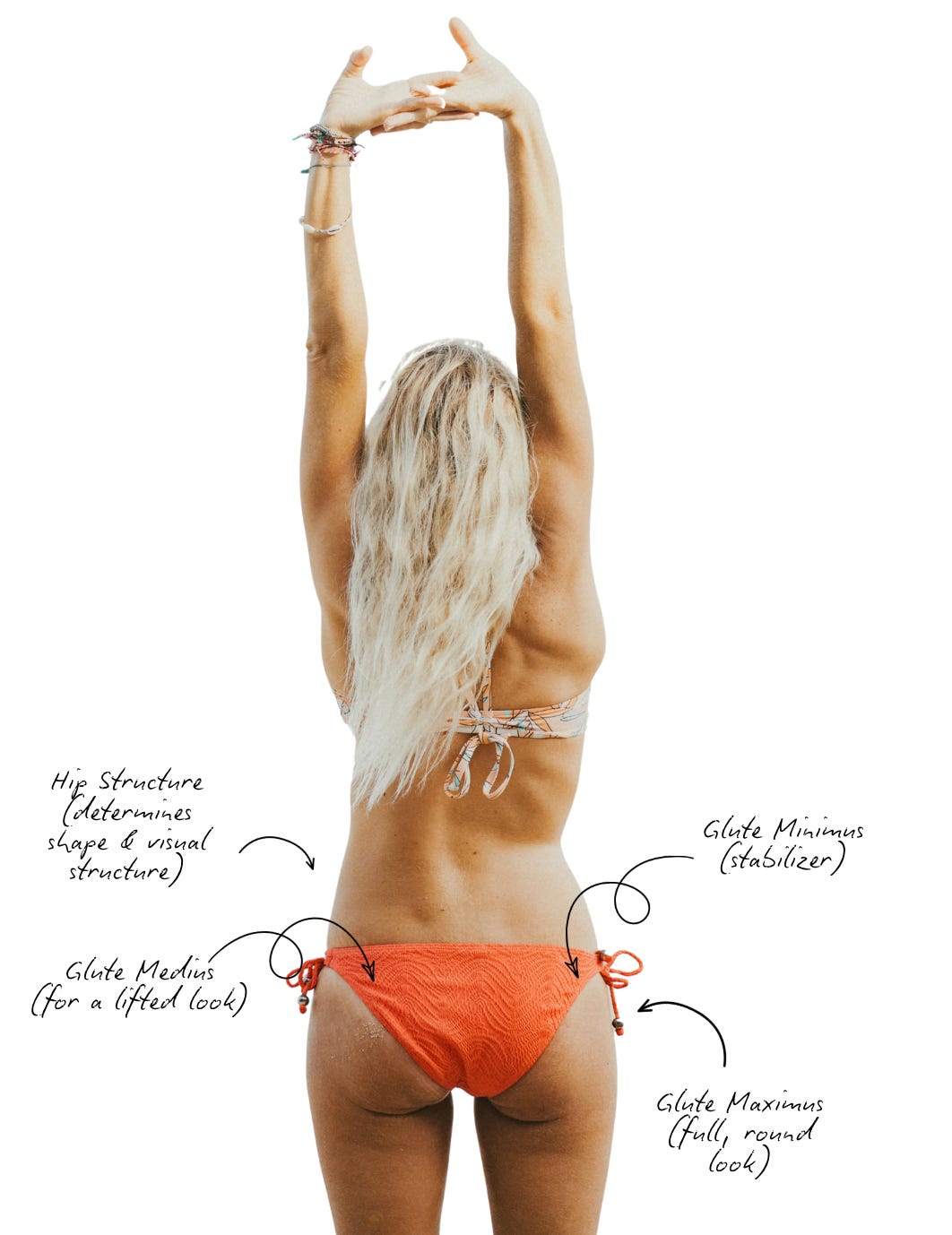
Inside this section, I’m breaking down the three main glute muscles and what each one is responsible for, including how they contribute to lift, roundness, and overall balance with your legs. It’s not complicated, but it does explain why some of us can train consistently and still feel like nothing is changing… while others make small tweaks and see a completely different result.
Glute Maximus: The glute max is the primary driver of hip extension, which is why it carries most of the responsibility for overall size and shape. It contributes heavily to that rounded, full look, but only when it’s actually being loaded through a meaningful range of motion. A lot of people think they’re training it simply because they feel something in their glutes, but without enough tension (especially in lengthened positions), it will underperform relative to its potential.
Glute Medius: Positioned more laterally, the glute medius plays a key role in hip abduction and pelvic stability. Visually, this is what contributes to upper glute fullness and that “lifted” look from the side and back. It’s also highly active in single-leg work and stabilization patterns, which is why slower, controlled movements tend to be more effective here than heavy, bilateral lifts. When it’s undertrained, the glutes can look flat or bottom-heavy, even if overall strength is decent.
Glute Minimus: The minimus sits deep to the medius and functions primarily as a stabilizer, assisting with abduction and internal rotation of the hip. It’s not a muscle you’ll see directly, but it plays a key role in how efficiently the entire system works. When it’s not contributing properly, other muscles compensate, which can affect both movement quality and how well the larger glute muscles are recruited.
Hip Structure: Your skeletal structure also sets the framework everything sits on. Pelvic width, femoral angle, and hip socket orientation all influence how your glutes are positioned and how they visually present. This affects where you naturally carry volume, how high or low your glutes appear, and even which exercises feel most effective. Training can absolutely enhance shape and improve muscle development, but it’s always working within the boundaries your structure provides.
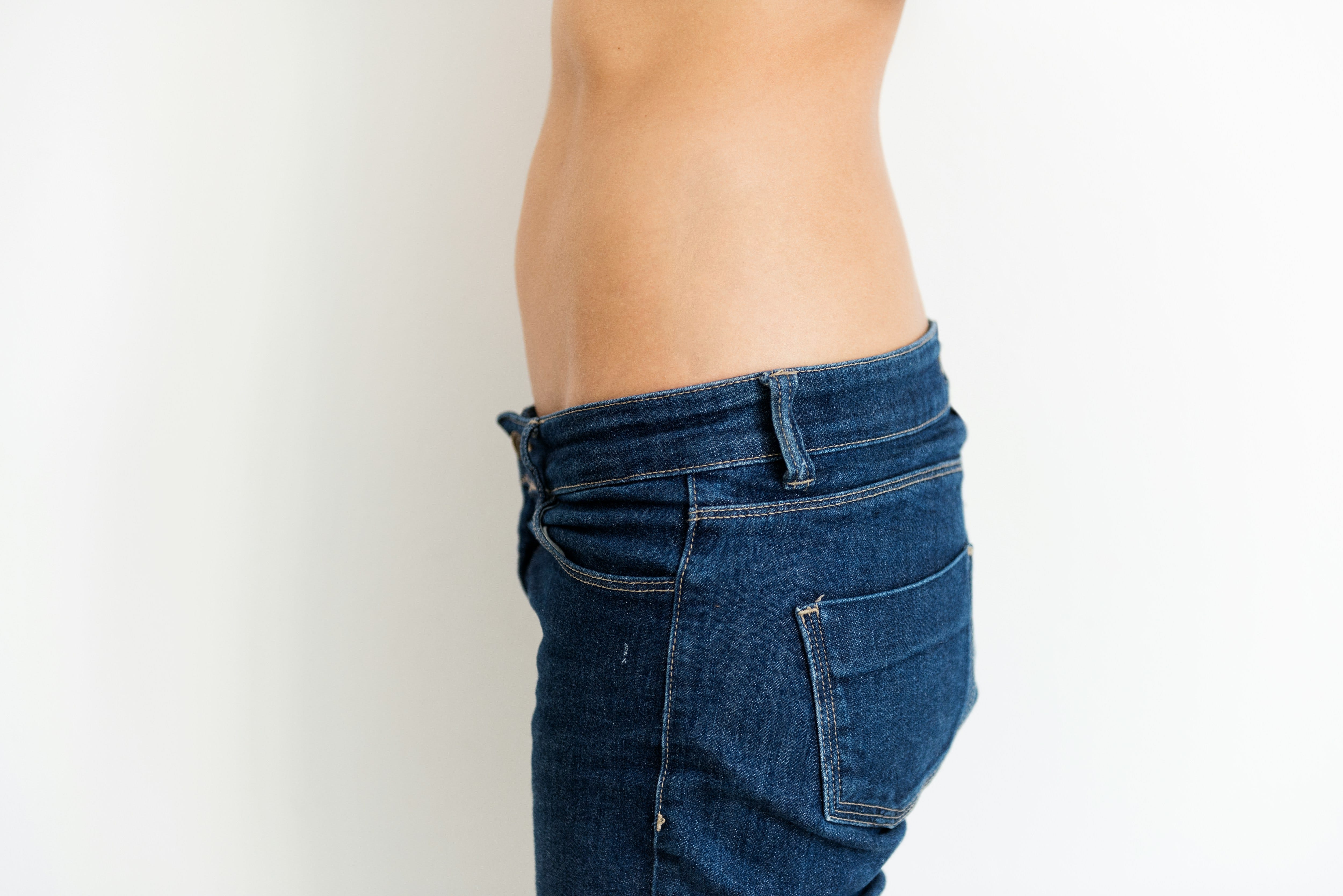
Before we get into how to train, we need to take a closer look at what not to do, because this is usually where things first fall apart.
A lot of routines out there can feel like they should be working. You’re consistent, you’re doing the classes, adding in “glute-focused” exercises, maybe even feeling the burn in the moment…but over time, your glutes don’t really change in the way you expected. The shape stays more or less the same, and the backs of your legs still feel like the area that never quite tightens up.
For most women, that back area is already slower to respond, especially if it’s where your body holds onto weight (hormones + genetics). So when your training isn’t fully aligned, it becomes very obvious, very quickly. It can start to feel like you need to do more, or push harder, when in reality the issue is usually more specific than that.
What’s happening in most cases is that the glutes aren’t being trained in a way that actually challenges them enough to change. The work looks right on the surface, but it’s either too passive, too repetitive, or dominated by other muscles stepping in and taking over.
Once you start to notice these patterns, it becomes a lot easier to understand why things have felt stuck, and what needs to shift moving forward. Let’s go through the most common mistakes next:
Squats get treated like the answer to everything, so it’s easy to default to them and assume you’re covering your bases. The issue is that for a lot of people, squats are driven more by the quads than the glutes, especially depending on how you’re built and how you perform them. So you end up building strength and maybe even size in your legs, but the actual shape of your glutes doesn’t change much. They’re a solid movement, just not enough on their own to create that lifted, defined look most people are after.
A lot of these workouts are designed to feel effective, not necessarily to be effective over time. You get a burn, maybe a bit of soreness, and it feels like you did something productive. But there’s no real structure behind it! Without progression (more resistance, better control, longer range), your body adapts quickly and stops responding. Jumping from one routine to the next keeps you busy, but it doesn’t give your muscles a reason to actually change.
Glutes are one of the strongest muscle groups in your body, so they need a certain level of challenge to respond. Staying in the comfort zone with very light weights or only bodyweight can feel “toning,” but it usually isn’t enough to create visible change. This doesn’t mean you need to lift heavy in an intimidating way, but there does need to be enough resistance that the last few reps actually feel like work. That’s where the shift starts to happen!
It’s very possible to do an entire lower body workout and barely train your glutes. If your setup is off or you’re rushing through reps, your quads, hamstrings, or lower back will step in and take over. Over time, that becomes your default pattern, and your glutes stay undertrained even though you think you’re targeting them. Feeling a slight burn isn’t the same as fully loading the muscle. There needs to be control, alignment, and intention behind it.
There’s always that temptation to keep things fresh by constantly switching workouts, especially when you’re not seeing results right away. But muscle development doesn’t work like that. It comes from repeating the same patterns, gradually increasing the challenge, and giving your body time to adapt. When you change everything every week, there’s nothing for your body to build on. It’s effort without direction, which is why it feels like you’re always starting over.
Your workouts are only a small part of the picture. If you’re sitting most of the day, standing with your hips pushed forward, or moving in a way that keeps your glutes “off,” that carries into your training. The body gets used to certain patterns, and it doesn’t suddenly switch just because you’re in a workout. When posture and daily movement aren’t supporting good glute function, it becomes much harder to actually engage them properly when it counts.
Now that we’ve covered the foundations and the patterns that keep your glutes stuck, it’s time to get into the part that actually changes how your body responds.
From here, the focus shifts from understanding why things haven’t been working to building glutes in a way that’s intentional, realistic, and actually effective. You’ll walk away knowing exactly what to focus on, what to stop overthinking, and how to train in a way that supports the shape you’re trying to create.
Premium RCLM members get access to:
The principles that shape your glutes, so you know exactly what drives change
A breakdown of different training styles and what they’re really doing to your body
Exercises that target each part of the glutes, so you’re not just going through the motions
Full beginner and intermediate workout plans, already structured so you can follow them without overthinking
A realistic timeline, so you know what to expect and don’t lose momentum halfway through
Nutrition and recovery, and how they directly influence how your glutes look
And a closer look at genetics, so your expectations match your actual potential
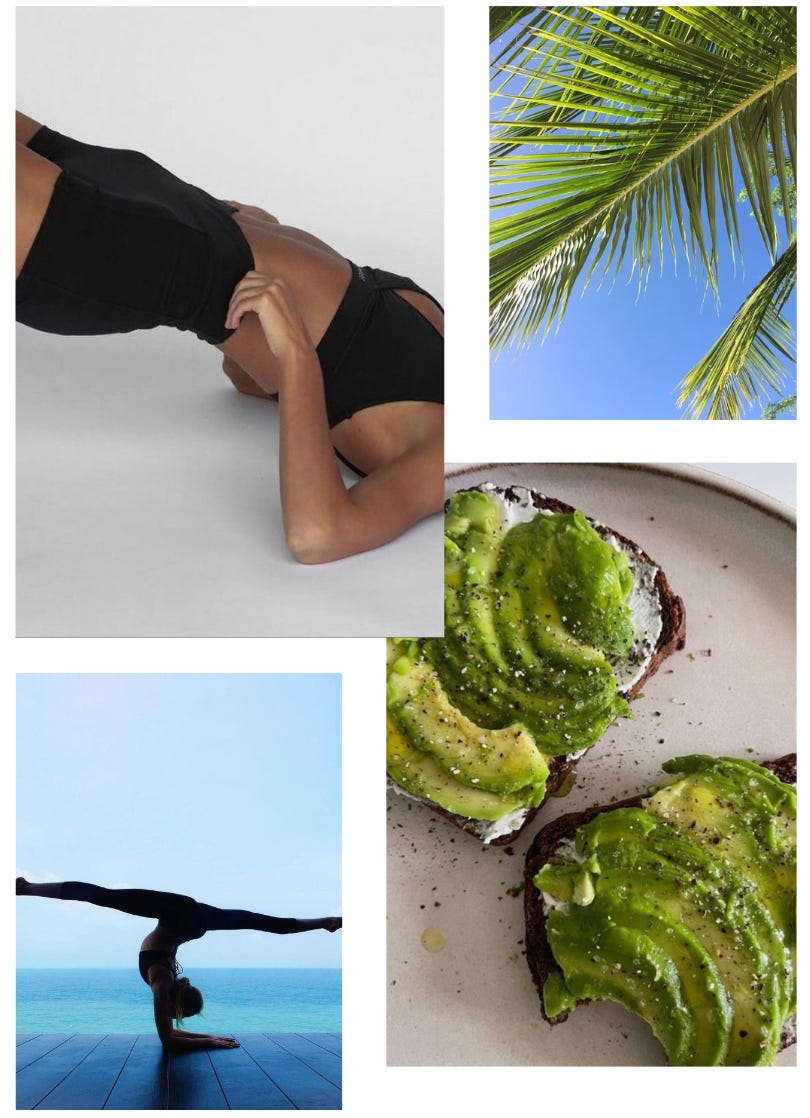
I’ve tried a lot over the years, from targeted classes, random “glute days,” higher reps, lower reps, lighter weights, to just adding more weights. And for a long time, it all blurred together. Some things made me feel sore, some made me feel strong, but very few actually changed how my glutes looked. It took a while to realize (and learn) that there are a few specific things your glutes actually respond to… and everything else is just extra fluff.
Once that clicked, my workouts got a lot simpler, and a lot more effective. These are the principles everything in this guide is built on. If you understand these, you won’t need to keep second-guessing your routine or wondering if you’re doing the “right” exercises, you’ll know what matters and what doesn’t!
This next part is for paid readers 💌 Upgrade your membership to unlock the rest of this post, including the 7-day mental reset at the end, and all other paid RCLM guides!
Comments
Nothing yet. Say the first thing.
Sign in to join the conversation.