

In our previous post, we reviewed the Presidential libraries of FDR, Ike, JFK, LBJ, Nixon, and Ford. Let’s continue with Harry Truman.
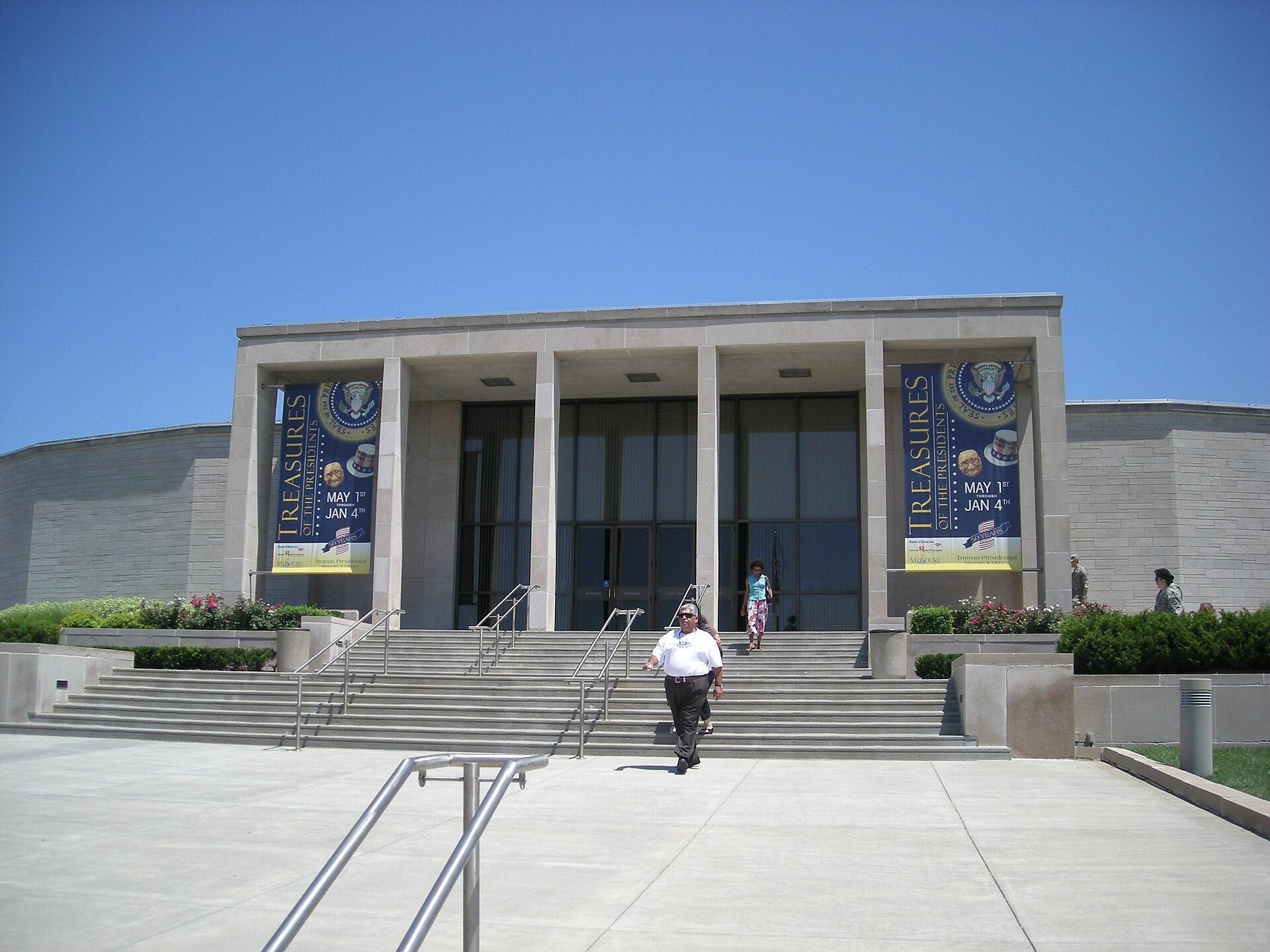
The Truman Library is located in Independence, Missouri, the town where President Truman was raised. It was constructed with private funds that Truman himself helped raise; the city of Independence contributed by donating the land. The library also serves as the final resting place of the President, his wife, and his daughter.
Truman’s choice as design architect was Edward F. Neild, a man from Louisiana, with whom he had previously worked on miscellaneous projects in Jackson County, Missouri, and on a significant renovation of the White House during his term in office.
The library reflects the Truman ethos:
Do your best, history will do the rest
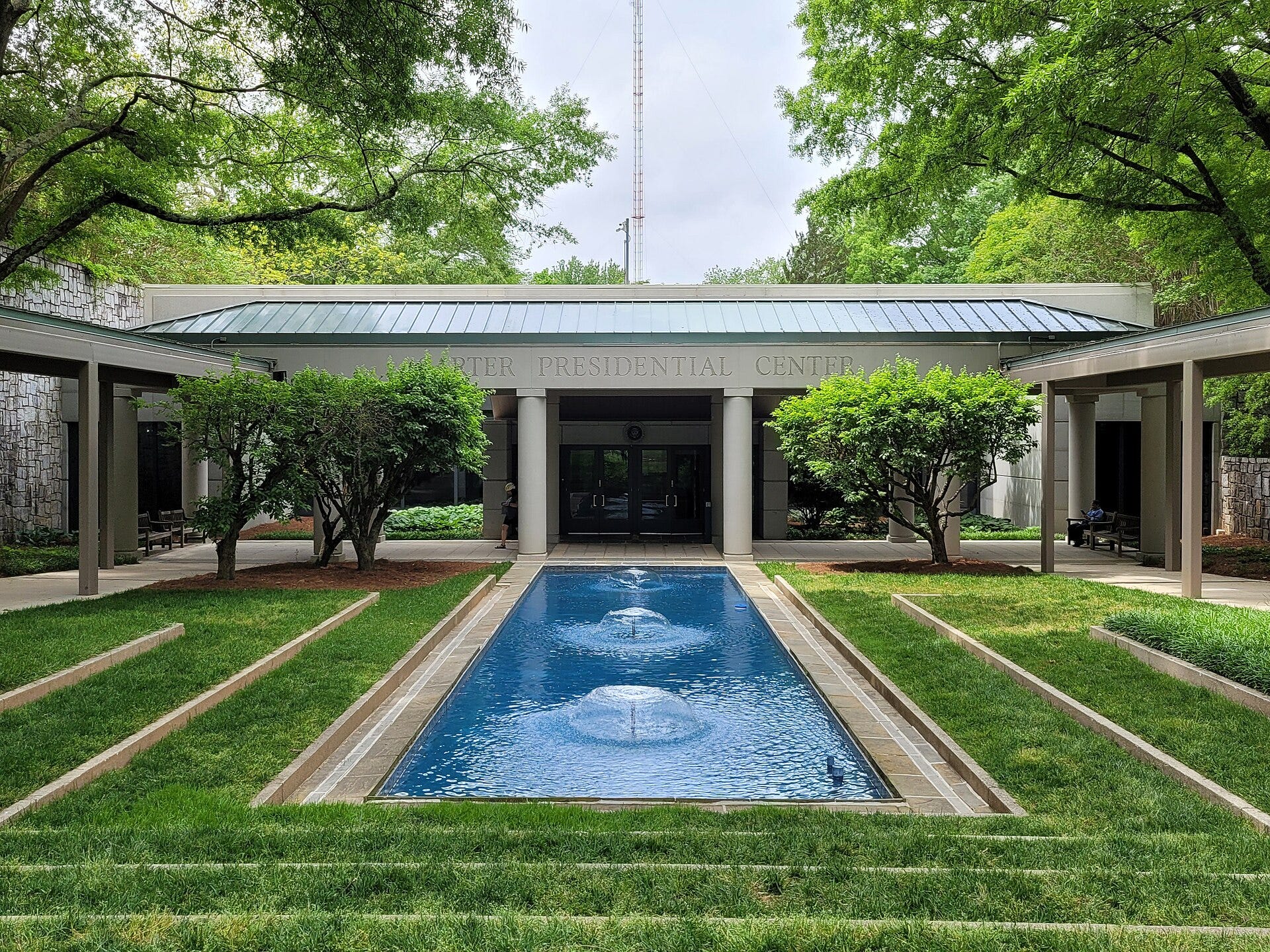
The Carter Library, unlike many of our other examples, was built in an urban setting in Atlanta. The local architects were Jova, Daniels, and Busby, who worked with President Carter to produce a low-key building that allows visitors to focus on Carter’s voluminous papers from both his Presidency and his personal life.
At the dedication of the library, President Carter said:
We appreciate the past. We are grateful for the present and we’re looking forward to the future with great anticipation and commitment
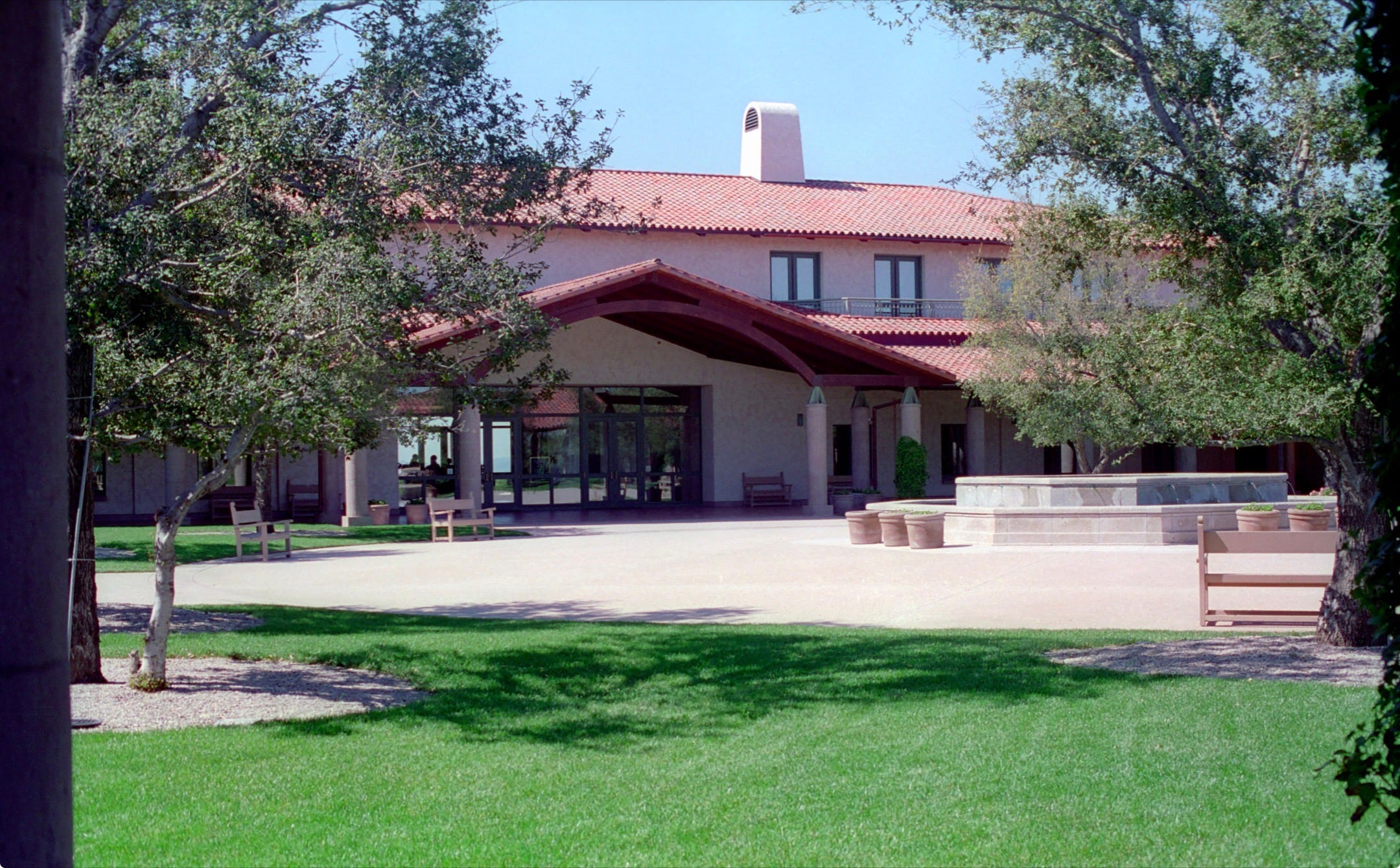
My first thought is, how does a Modernist architect, such as Hugh Stubbins, design a structure that could be a set on the old “Death Valley Days” TV show? A show that was once hosted by Ronald Reagan.
A very intriguing website, dailyjstor.com, said this:
Reagan wanted his library to play an active role in public policy discussions in the years following his retirement, and an early plan for it included a highly ambitious Center for Public Affairs.
Presidential Libraries have become a key piece in how Presidents hope to craft their Presidential legacies. The original site intended by the Reagans was reportedly at Stanford University. However, the Stanford faculty and students pushed back, and the next choice was Simi Valley in Southern California, which had the additional benefit of the Reagan “Western” image.
Reflecting on this work, Stubbins said:
The building is one, we hope, that reflects the personality of the president
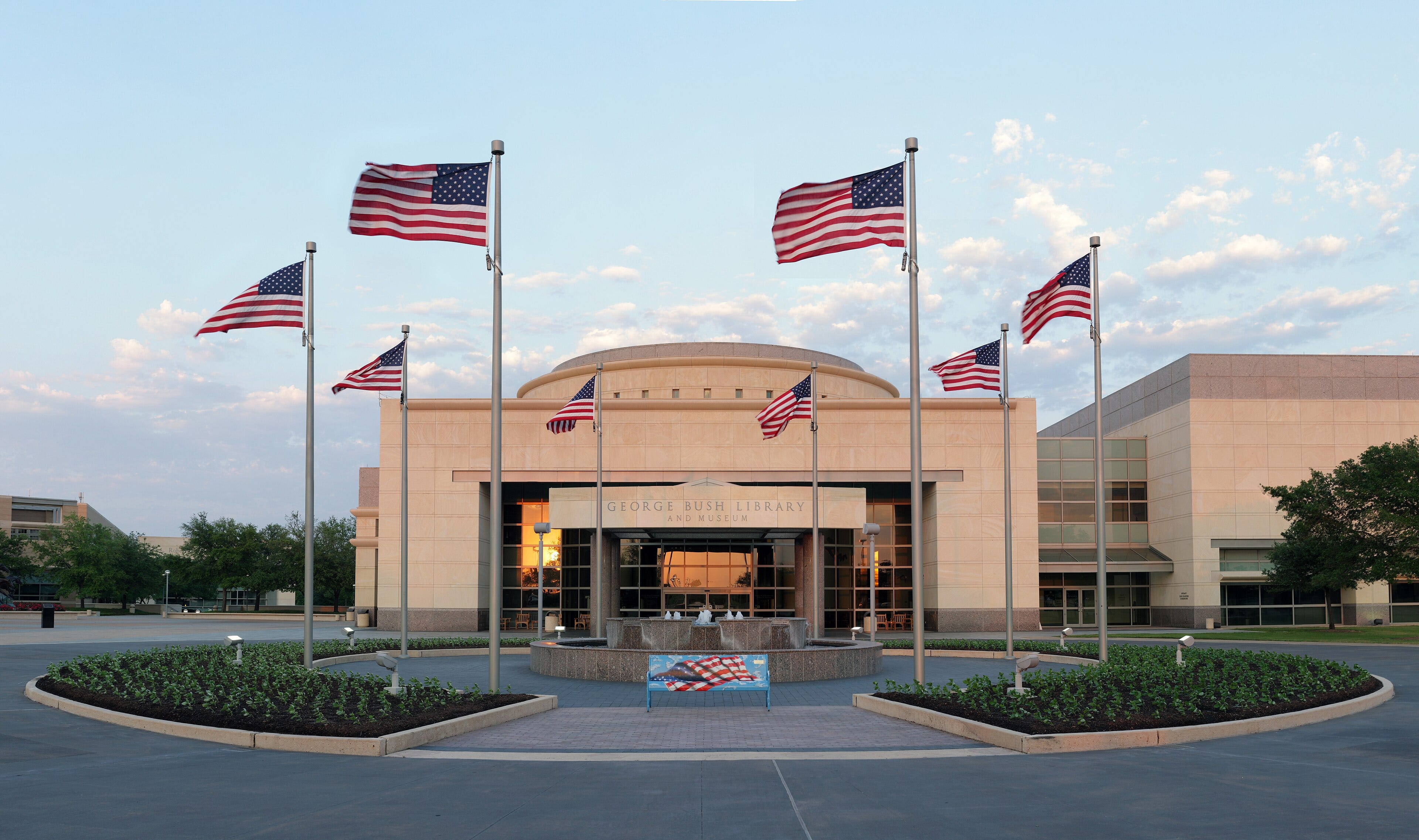
The George H. W. Bush Library is located on the campus of Texas A&M University in College Station, Texas. The grounds also serve as the final resting place for both the President and his wife, Barbara.
The library was designed by the firm, Hellmuth, Obata + Kassabaum.
Writing in Dezeen, Ellen Eberhardt explained the building:
It has a neoclassical style, seen in its massive rotunda, mixed with modern elements, such as spans of glass connecting the different elements and unadorned surfaces. The architecture studio sought to utilise local materials, seen in the reddish stone cladding, aligning it with the dominant materials of the adjacent campus.
The Clinton Library, opened in 2004, sits adjacent to the Arkansas River in the greatly underappreciated small city of Little Rock. It was designed by the New York-based architect James S. Polshek and features a theatrical cantilever over the river, meant to pay homage to all the bridges built to cross the Arkansas.
When it opened, the New York Times said this about the architectural work:
With its sleek horizontal form hovering at the edge of the Arkansas River, the new William J. Clinton Presidential Center has been called by promoters a "bridge to the 21st century," a trite allusion to one of the former president's favorite themes. Locals snicker that it looks like an enormous double-wide trailer. Actually, its best elements fall somewhere between those two extremes.
I saw the building in 2005, and my thoughts were not from an architectural textbook. I thought it was “cool as hell.”
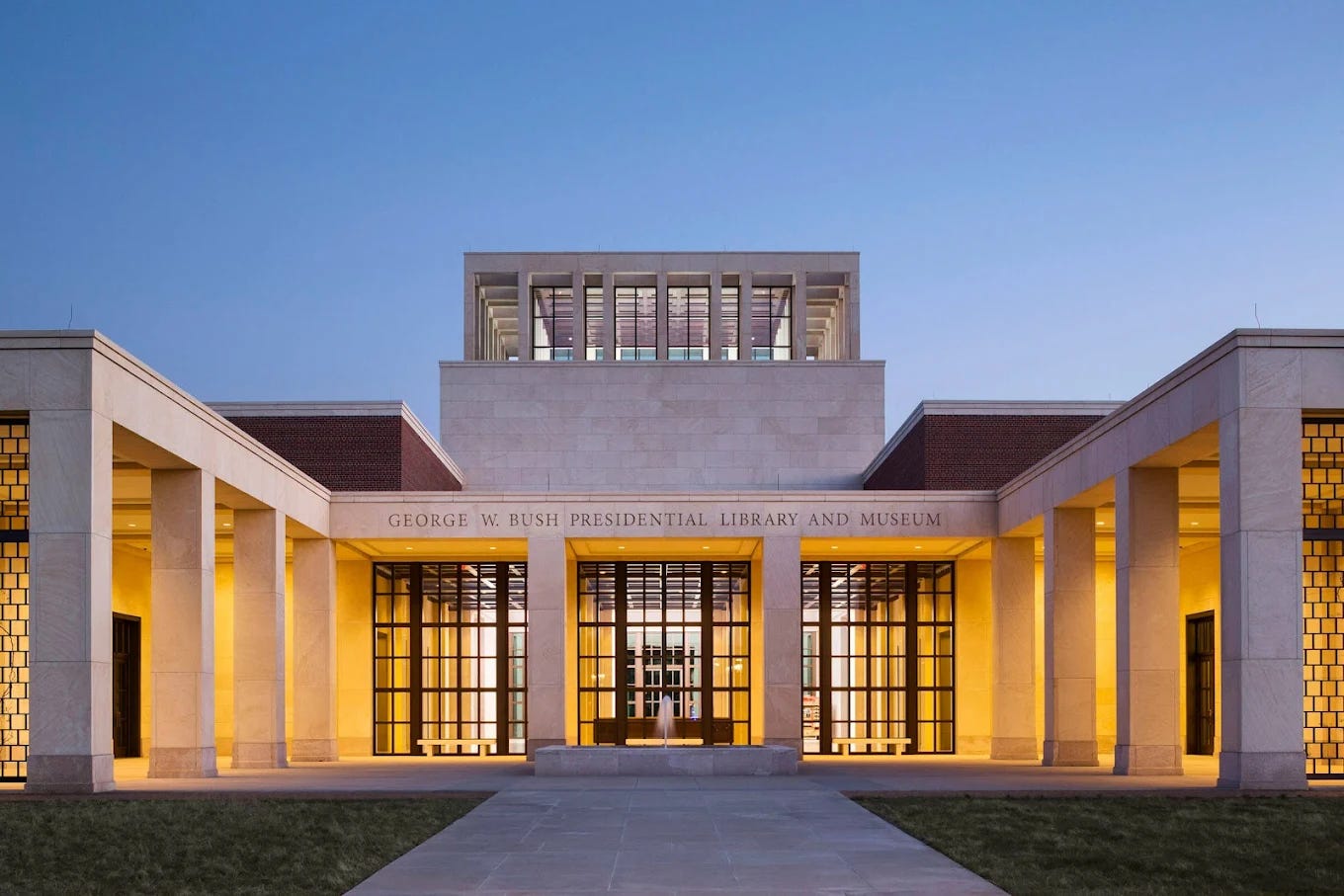
The George W. Bush Library, on the campus of Southern a Methodist University in Dallas, was designed by Robert A.M. Stern Architects. Reportedly, the architectural cooperation between the architects, the President and the First Lady was closer than typically between architect and client in a positive manner. In my experience, “increased involvement by the owner does not a better project make.” However, in this instance that dictum may be inappropriate.
The architects indicate below a compromise of sorts:
The brick and Texas Cordova Cream limestone building complements the historic American Georgian character of the Southern Methodist University campus which it adjoins.
During the design development for the library, the President was deeply involved with the problems of his office. Hence, much of the interaction with the architects fell to the First Lady. Somehow, all the stakeholders persevered, leading Architectural Digest to describe the completed work:
The structure Stern has created is both modern and classical. Columns of beige limestone have been reduced to a square, minimalist essence, spacious terraces are shaded by dark aluminum brise-soleils, and walls of glass impart a sense of clarity. The Bush center “is not a Georgian building—it’s the essence of Georgian,” Stern says. “It’s carefully proportioned. It distills elements from the past but makes them respond to expectations of what a building in the 21st century should be.
The First Lady was quoted on more than one occasion as saying that during her involvement, the President asked that the building should not be about him. Times change!
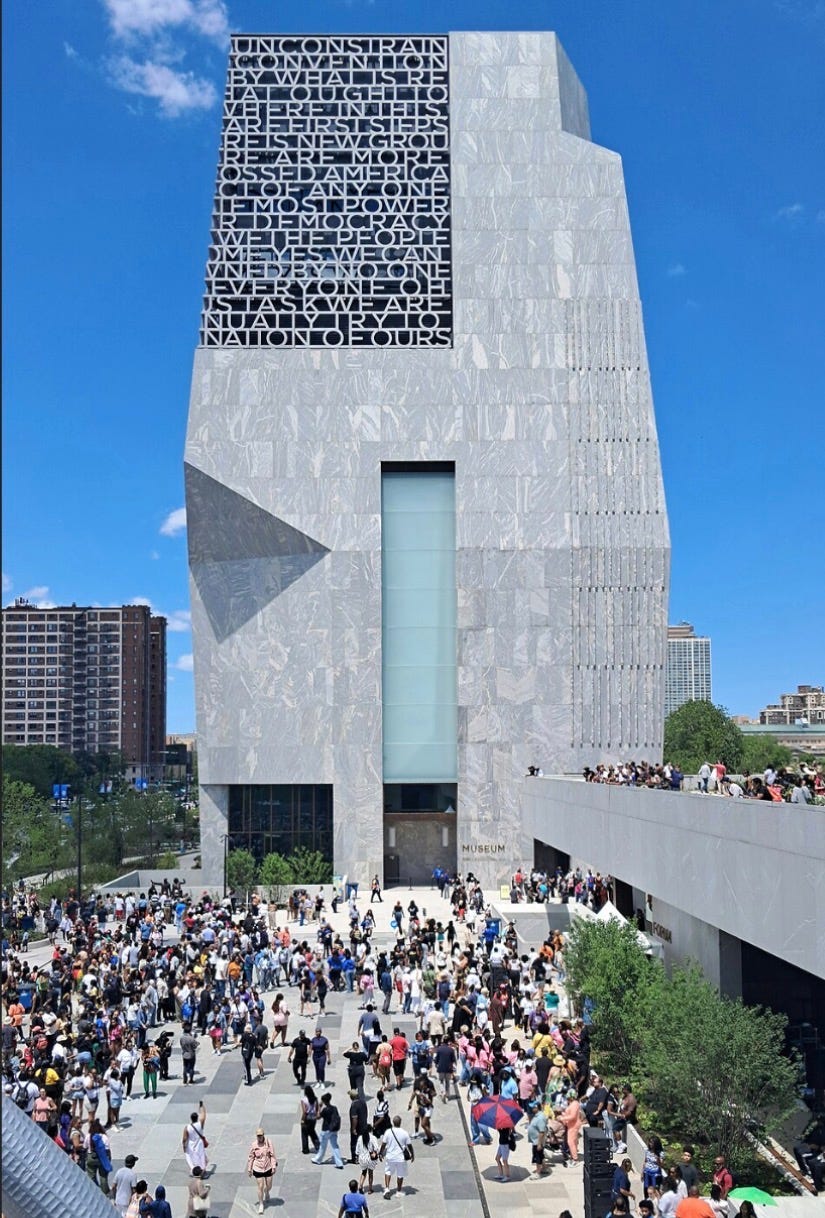
In 2016, the Obama Foundation announced its selection of the New York-based firm Tod Williams Billie Tsien as the project's lead design architects. Of note, this project is not a single structure but rather an entire campus, including a branch of the Chicago Public Library, a presidential reading room, and a full NBA-sized basketball court, known as Home Court (shown below).
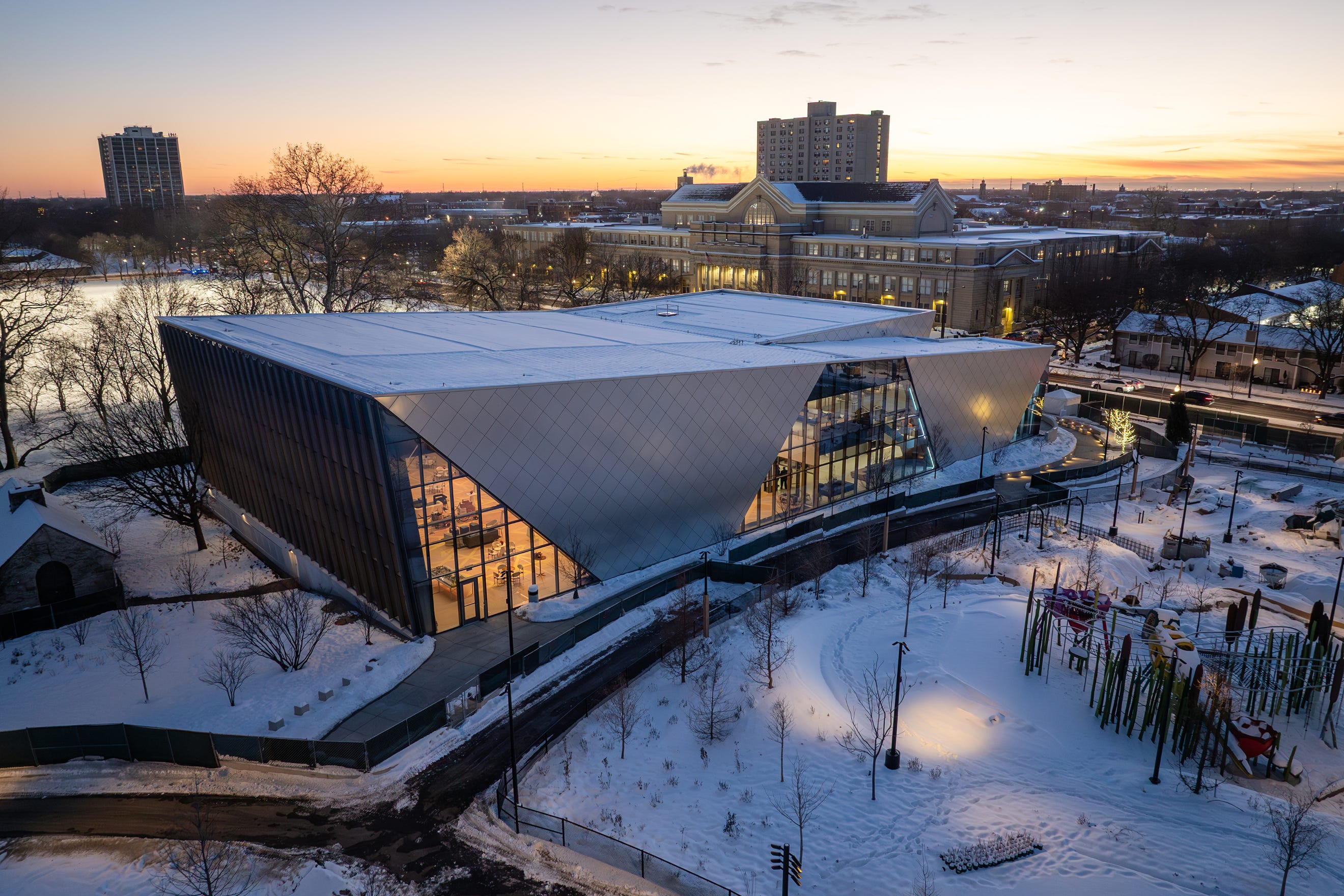
The signature building on the campus will ultimately be the 425-foot-tall museum, clad in New Hampshire granite. The tower reminds me of the Whitney Museum in New York. Both of them, in my view, tend towards the brutalist style that is not my favorite. Below are the two structures for your consideration:
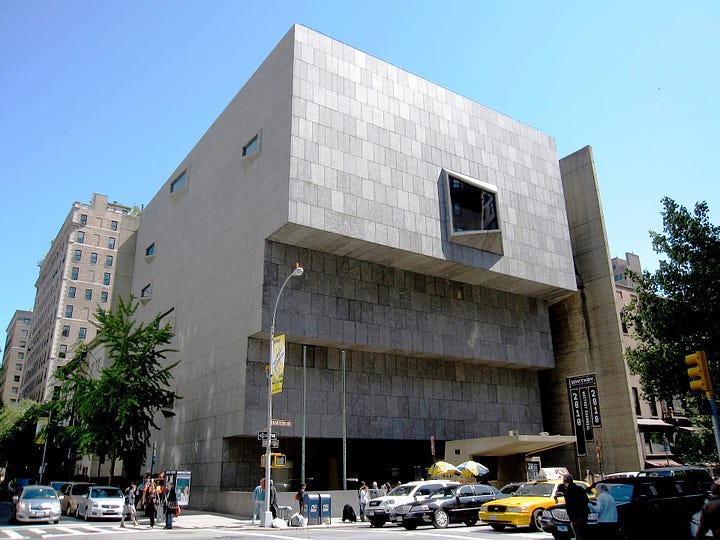
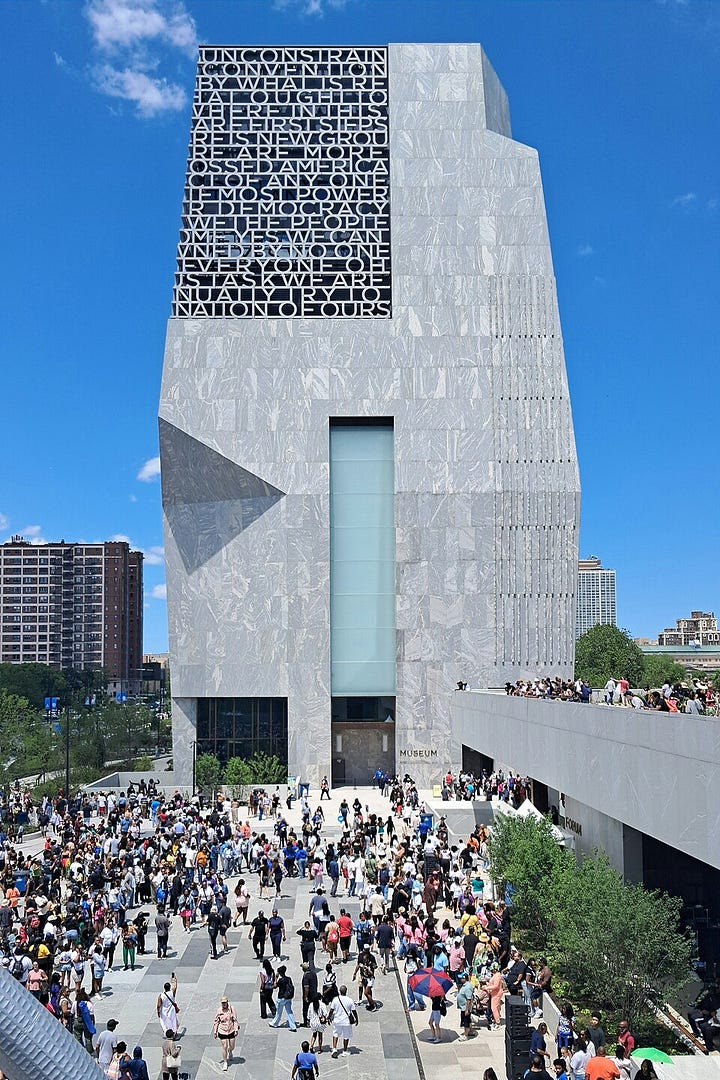
As President, Barack Obama cut a cool, slim, sartorially resplendent silhouette in his typical dark presidential suits. Of course, he took a lot of “stick” when he ventured away from that and famously wore the tan suit. I wish this project were more adventurous, like the tan suit. However, from where I sit, this tower seems to be the gray suit
Architecture for the Soul is a reader-supported publication. Please consider becoming a paid supporter. WE NEED YOUR HELP!
No posts
Comments
Nothing yet. Say the first thing.
Sign in to join the conversation.