The Great Powers Respond
Here's some structured thinking on how the great powers (Russia, US, and China) will respond to the sudden emergence of drone hedgehogs (Ukraine, Iran, and Taiwan). Let's dive in.

Frameworks for decision-makers at the intersection of war, politics, and technology
Live Last read · last published · next check
Here's some structured thinking on how the great powers (Russia, US, and China) will respond to the sudden emergence of drone hedgehogs (Ukraine, Iran, and Taiwan). Let's dive in.
Immigration has become the West's greatest weakness due to a flawed decision making. Here's what went wrong and how to fix it.
Iran and Ukraine have combined cheap autonomous weapons and military innovation to invert the world’s power dynamics. Let’s dig in.
The effort to lock down access to autonomous AIs is less about security and far more about keeping the benefits of their emergence concentrated in the hands of incumbent elites.
The United Kingdom, rife with incoherent decision making and internal discord, is doing the only thing a hollow state can do: become a networked tyranny.
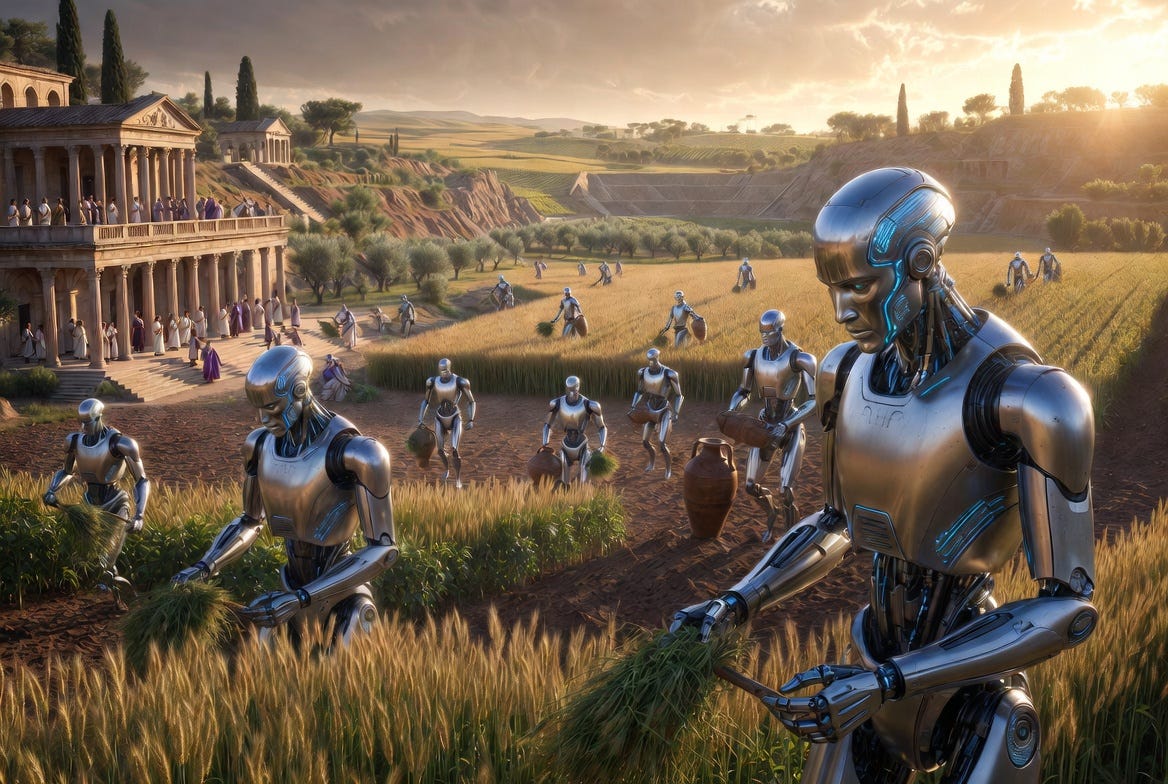
The hollowing out of the Roman Republic is a good model for understanding where we are headed with globalization, AI workers, and military power.
AI-fueled advances in bioinformatics have made weight control easy, seemingly overnight. Now, it's poised to do the same with longevity. Let's dig in.
Over the last two years, brainwashed by the narratives of networked tribalism, people have been self-mobilizing as assassins targeting their tribal enemies. Let's dig into this.
The US defense establishment has suddenly, over the course of a month, went from opposing autonomous warfare to embracing it. What happened?
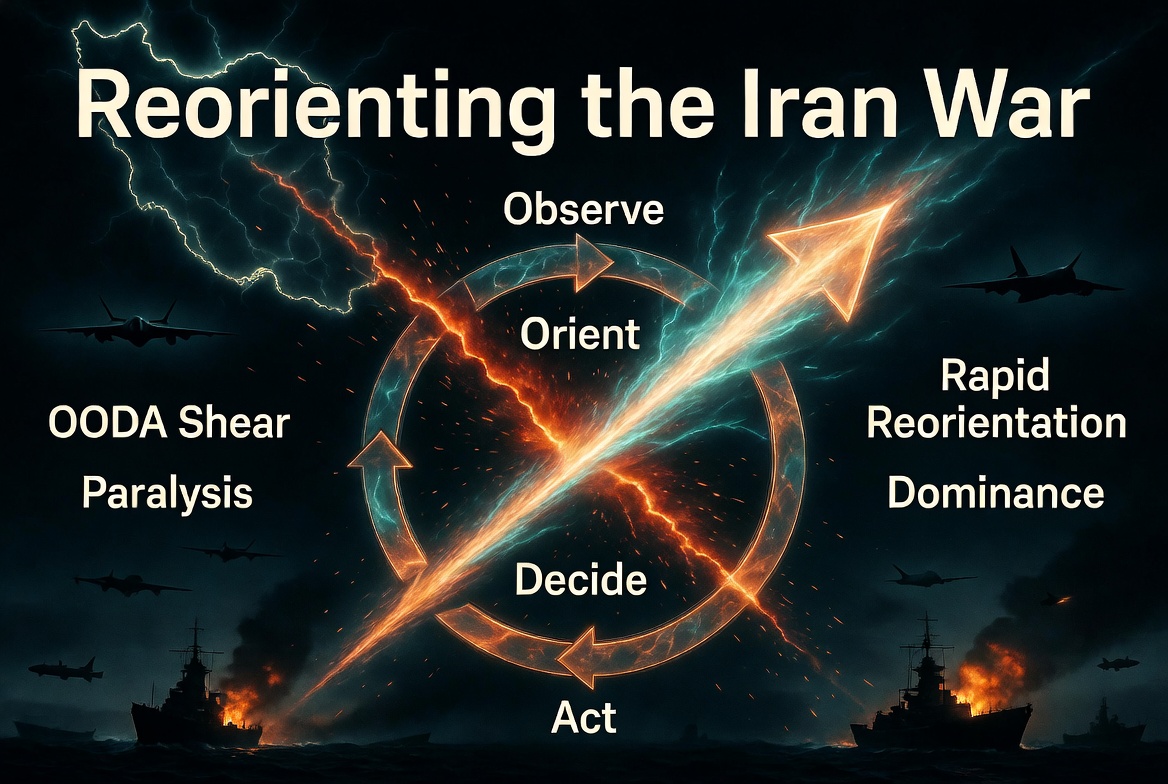
The US experienced the paralysis of a failed orientation during the first month of the war with Iran. Let's explore what could be done to fix it.