
In this post, I’m sharing an email exchange that dives deep into the nature of “will,” exploring its deterministic roots, its connection to happiness, and how subjective experiences shape our understanding of the world. This conversation reflects on key philosophical questions, like whether we truly have free will, how our unique blend of influences defines our responses, and the role storytelling plays in connecting us through shared perspectives.
I touch on ideas central to my philosophy of Selfish Determinism while reflecting on how will adapts to life’s ever-changing conditions. Through personal metaphors like a kaleidoscope and anecdotes like a night at an Eagles concert, I aim to make these complex ideas relatable and engaging.
A Note to Readers: This exchange delves into some abstract and philosophical territory, and parts of it may feel challenging to fully grasp at first. If you choose to read further, I encourage you to take your time with the ideas and let them unfold. For those who don’t read on, this introduction highlights the key takeaways: will is not free but shaped by a unique blend of influences, the pursuit of happiness drives all human actions, and shared narratives help bridge our subjective experiences.
I hope this exchange resonates with you, sparks new thoughts, and maybe even shifts how you view your own will and pursuit of happiness. Let me know your thoughts in the comments—let’s keep the conversation going!
Hey Guy,
It seems we agree on most, if not all, the points and ideas of will. I think I arrived at my ideas a bit differently, though. I searched for simple, relatable answers: no free will and live to be happy. Your ontological approach has me thinking more holistically about will.
I categorized your points like this:
· Ontology of free will or any type of “will”
· Subjective Experience
· Communication of Subjective States
· Impact on Behavior
· Malleability and Chaos
You mentioned you’re interested in how “will” works—its ontology and mode. Sometimes I feel like I’m answering the same question in different ways, but please let me know if this makes sense.
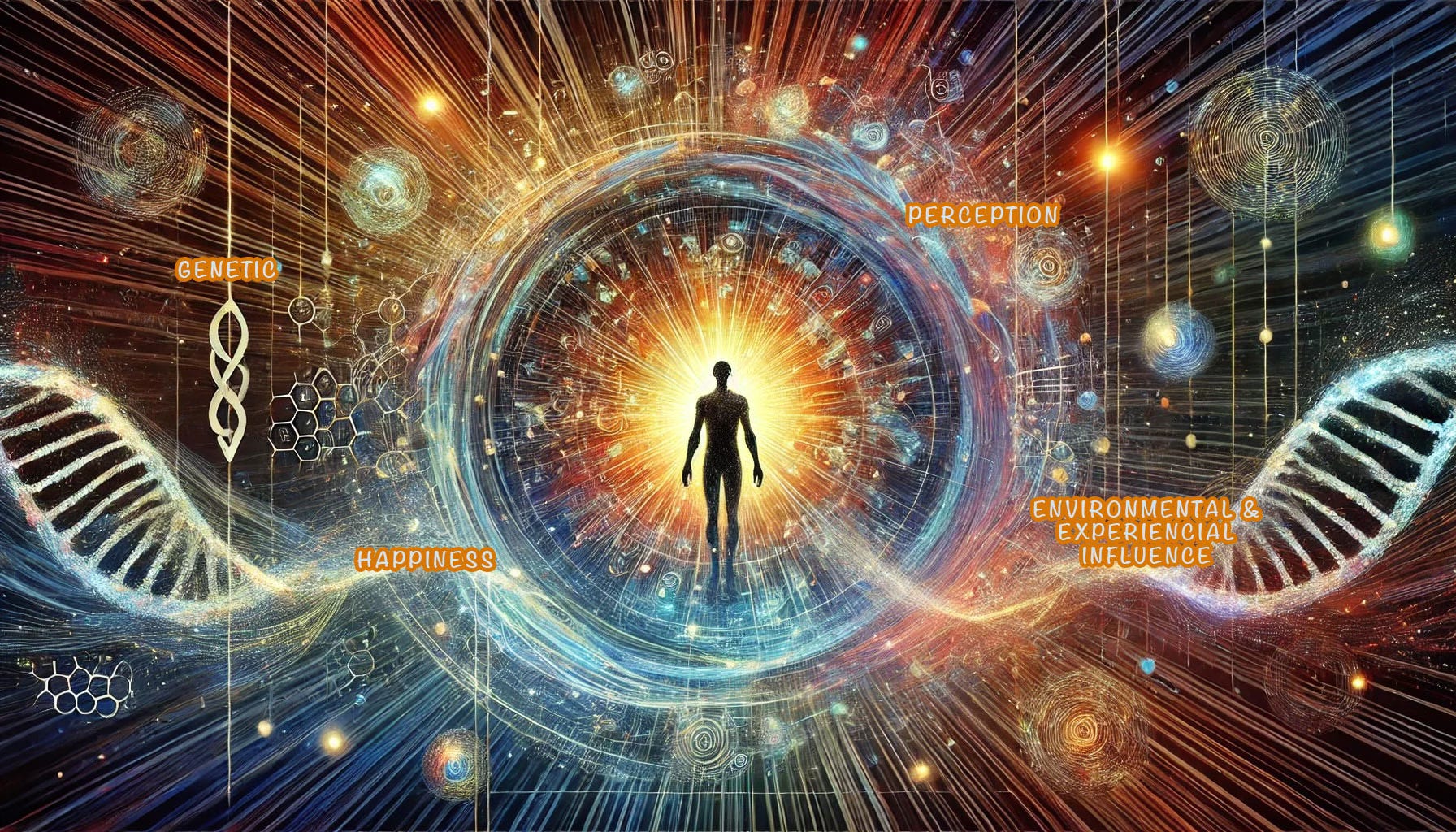
The ontology of will in my philosophy revolves around its deterministic nature and self-interest-driven characteristics. Our will isn’t free in the traditional sense; it’s shaped by a mix of genetic predispositions, environmental factors, upbringing, and life experiences, which determine how we react to different situations. Each person’s will is unique due to the distinct blend of influences affecting them, creating a sense of individuality in their responses. The main drive behind our will is the pursuit of happiness; every action and decision we make is aimed at achieving personal satisfaction and well-being, even if the paths to get there are sometimes complex and varied.
The mode of will involves how we respond to stimuli, our perception of choice, and our pursuit of happiness. Our will generates automatic reactions based on pre-determined influences, such as past experiences, current mood, and personal goals, and these responses are adaptive, changing as we integrate new experiences. Although our actions are determined, we often have the illusion of free will because we don’t see the complex influences shaping our choices, giving us a sense of agency and responsibility. We engage in conscious deliberation, making decisions within the boundaries set by these determinants. Our will is goal-oriented, constantly working towards enhancing our happiness, shaped by our preferences, societal norms, and personal experiences. It operates through feedback loops, where positive outcomes reinforce behaviors, and negative outcomes lead us to adjust our actions, all aimed at optimizing our happiness.
When you wrote, “putting experiences together into a narrative, have enormous impact on real empirical behavior,” you highlighted an essential point we both agree on. Stories, storytelling, and relatable experiences are powerful ways humans learn, whether or not that is the storyteller’s intent. We have Subjective Experiences and, in an effort to understand them, much like me writing my memoir, we try to Communicate Subjective States.
Regarding the malleability of subjective experiences and how they adapt to changing conditions, I completely agree. Another way to communicate this might be: consider each person as having a unique lens through which they view the world. Imagine this lens as a kaleidoscope rather than a simple telescope.
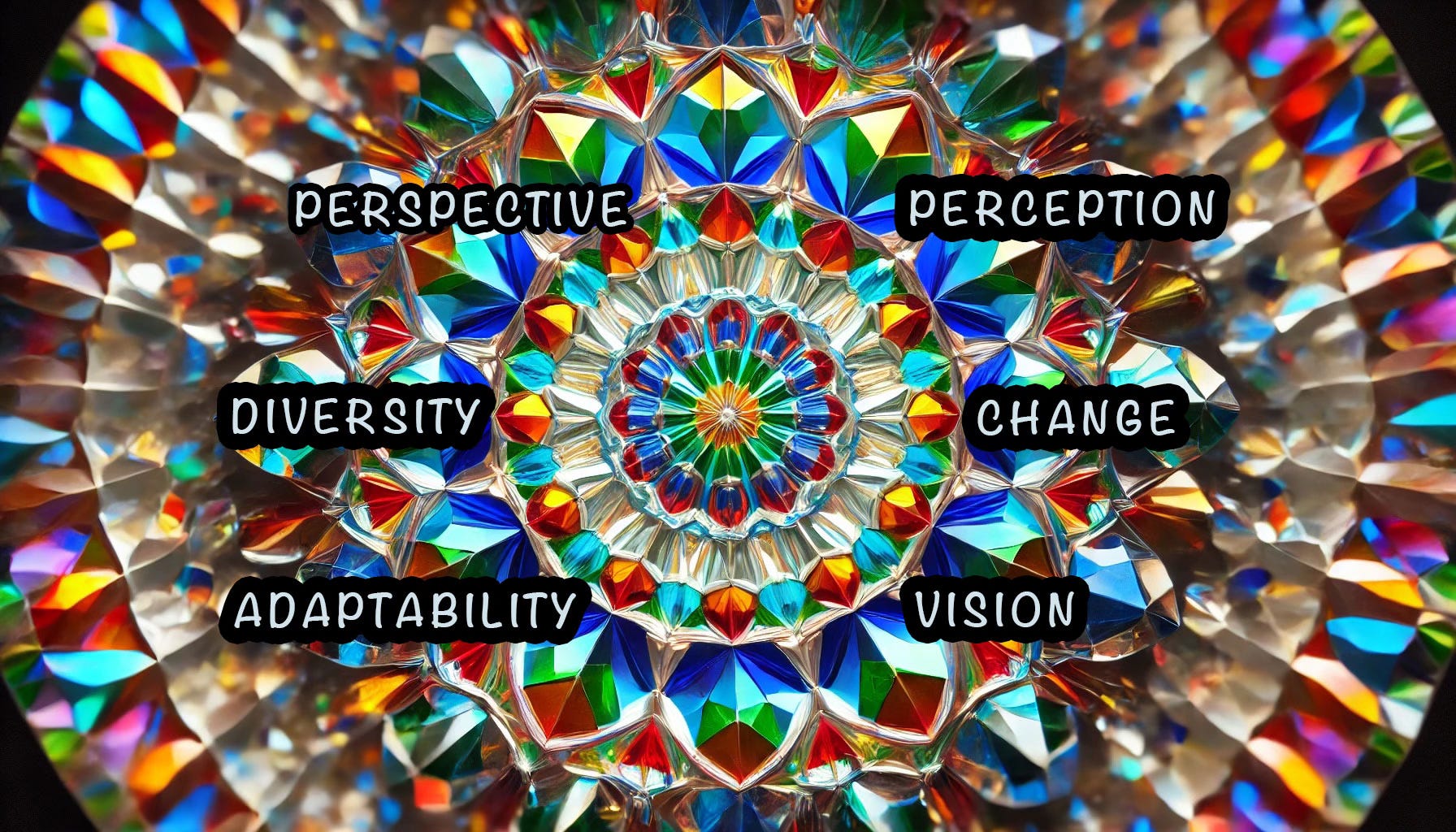
A kaleidoscope takes in light and patterns, refracting and reflecting them in unique ways based on its internal structure. Each twist of the kaleidoscope changes the pattern you see, just as each new experience, piece of information, or environmental change alters our perception and response. No two kaleidoscopes are the same because the internal mirrors, the shapes, and the colors of the pieces inside are different for everyone. Similarly, every person’s will is influenced by their own specific blend of genetics, environment, and experiences.
As we look through our personal kaleidoscope, our view is limited and unique, shaped by countless factors that affect what we see and how we interpret it. This unique, ever-changing perspective guides our behavior and decisions, driven by the underlying pursuit of happiness. The brain’s neuroplasticity plays a crucial role here, as it allows our brains to adapt and rewire based on new experiences and learning. Humans often learn by copying the behavior of others, both good and bad, integrating these observed behaviors into our own actions and responses. Additionally, much of this learning happens unconsciously, as we absorb and mimic the behaviors and attitudes of those around us without even realizing it.
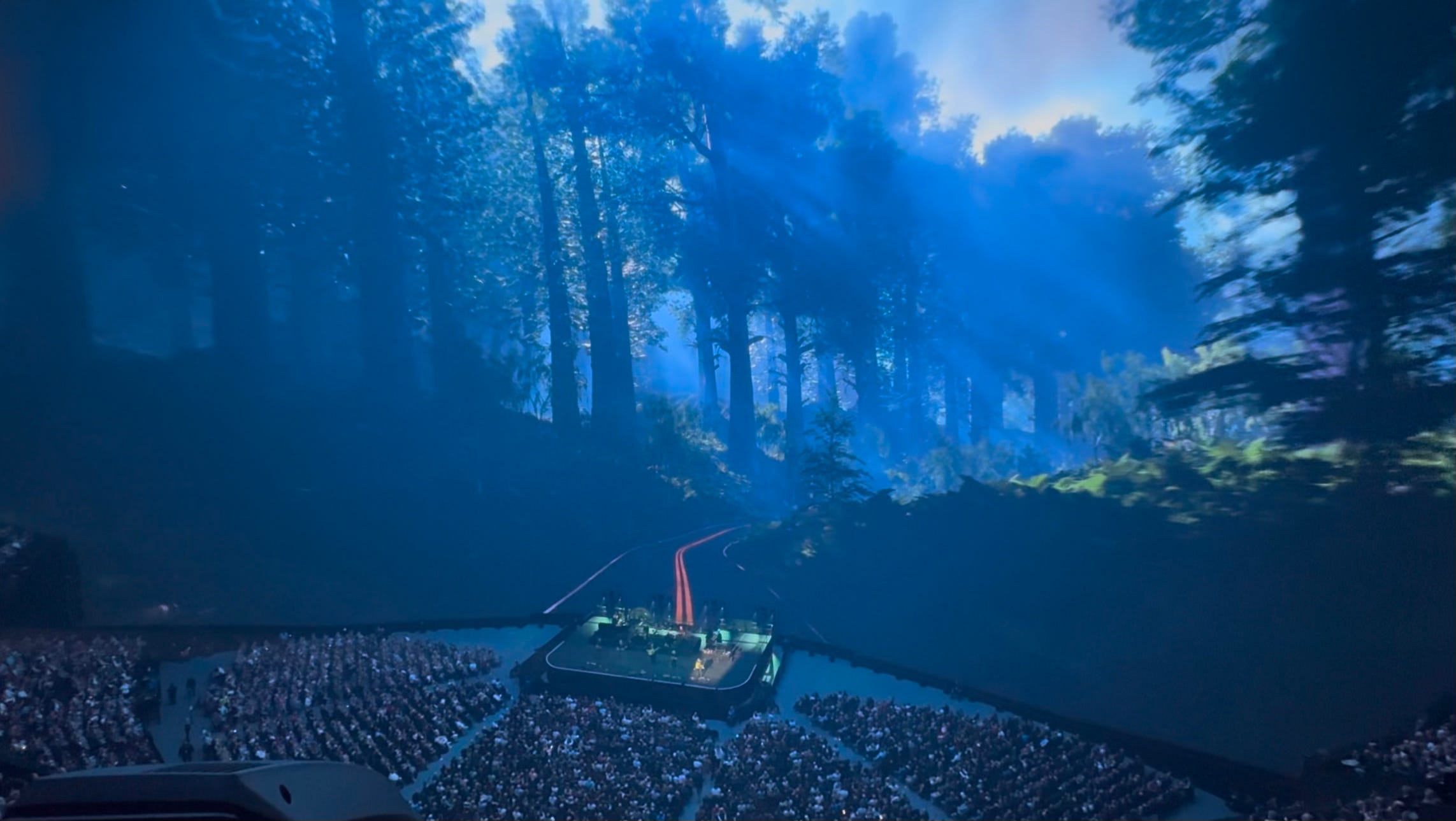
On a tangential note, Tina and I went to see the Eagles a few months ago. For many songs, most of the audience was standing, singing along, and dancing at their seats. I realized that over the past sixty-plus years, we all heard the Eagles’ music through different mediums—radio, 8-track, cassette, albums, CDs, and digital. Each version was slightly different, and the speakers we used to listen to them were different too. That night, the Eagles were playing an entirely new version of every song—older voices, one band member gone, different instruments. Yet, everyone knew the songs and sang them as if they were the same ones they’d heard all these years. This shared experience of reality, despite our disparate past experiences, blew my mind. It’s significant to the human experience. Our experiences (like the stories we tell) don’t have to be identical, but if there are enough perceived shared points, we accept them as genuine.
Looking forward to hearing your thoughts!
Thanks for reading Accidental Motivation! This post is public so feel free to share it.
Comments
Nothing yet. Say the first thing.
Sign in to join the conversation.