
In the first post in this series, “Writing Across Difference Is Just Writing Well,” I argued that this work at its core is an act of empathy and, as fiction writers, part of the job. In the second, “Research Starts With You,” I said the research begins by examining the stories that shaped you first. That’s step one. Step two is harder to see because it’s not about you at all. It’s about complicating the story that already exists in the culture.
Before you write a character from a marginalized group, you need to know what the dominant culture has already been saying about that person. Not because you should repeat it. Because you can’t complicate—or at times push against—something you haven’t identified.
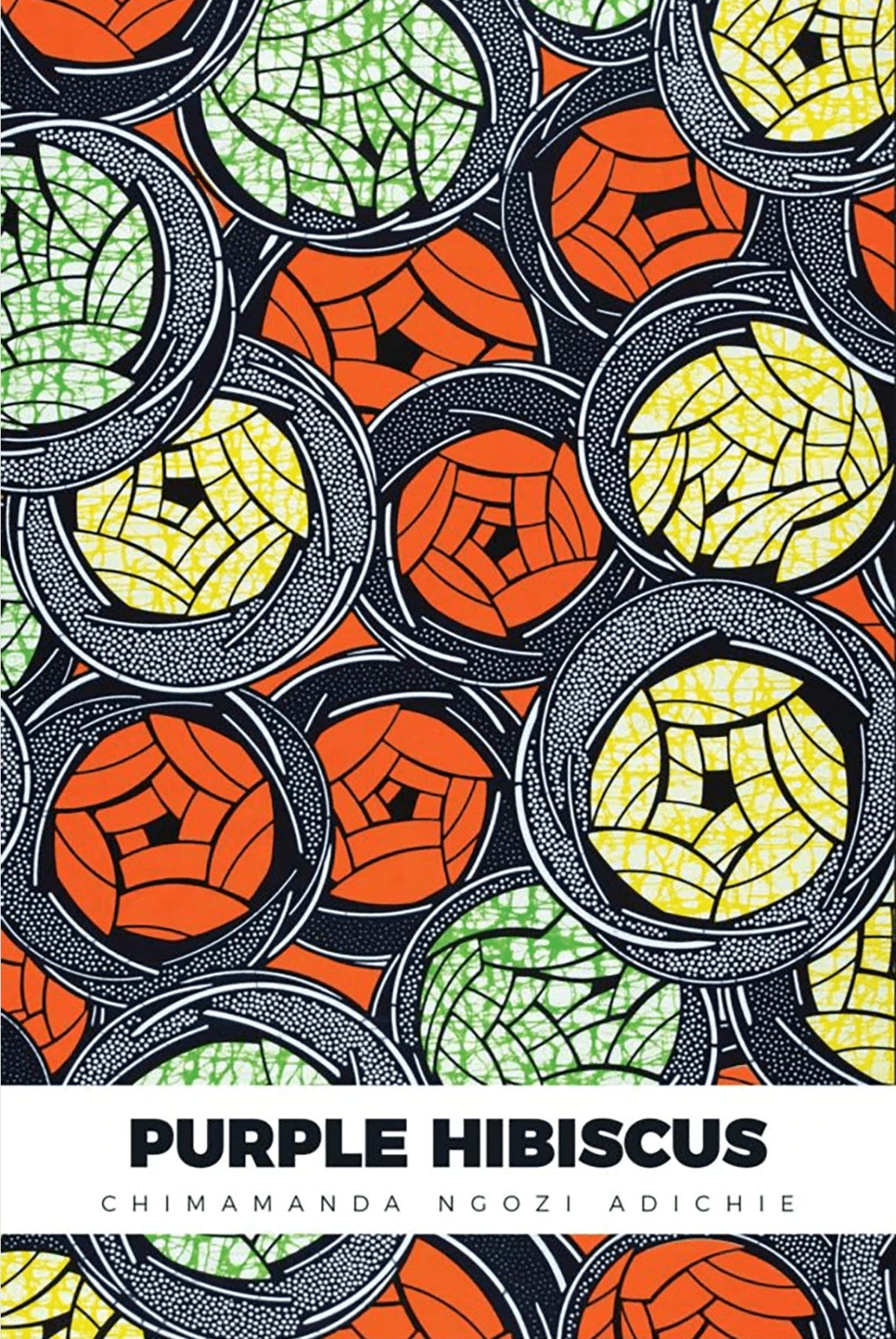
Novelist Chimamanda Ngozi Adichie lays this out in her now-famous TED talk, “The Danger of a Single Story.” Growing up on a university campus in Nigeria, she read almost nothing but British and American children’s books, and by seven she was writing the same kind of story back—white, blue-eyed characters playing in snow she’d never seen, eating apples instead of the mangoes she actually knew. The colonizer’s narrative was so pervasive that she did not initially see her own life as material worth writing about. She had to fight her way toward the truth: that a story about a girl growing up in Nigeria in the 1980s was just as worthy, just as necessary. Purple Hibiscus and Americanah are what she wrote once she stopped repeating the story she’d inherited and started answering it with novels that don’t just add another account to the record, but correct the one that was already there.
That’s what a counternarrative does. It doesn’t pretend the dominant narrative isn’t there. It engages the narrative directly and complicates it.
So your first practical task, when you sit down to write a character from a historically marginalized group, is identification: What’s the default story? Where did it come from? What does it leave out? Then: refuse to reproduce it without thinking. This isn’t about avoiding offense. It’s about accuracy. A stereotype is reductive by design. It flattens a person into a set of attributes, and nobody experiences themselves that way.
I’ll use my own group as the example. Popular culture has a fairly settled list of claims about gay men: we have good taste, we’re neurotic, we’re sassy, we’re promiscuous, we’re better at relationships, we’re not homophobic. And now, apparently, we’re good at hockey. Some of that sounds complimentary. None of it holds up as a universal, and every item on the list trades a person for a trait—or, dare I say, a trope.
At different points in my life, I’ve been self-loathing, self-accepting, chaste, promiscuous, neurotic, healthy, good at relationships, and bad at them. I’ve had good taste, and I’ve had bad taste. Before my first cup of coffee, I am not, under any circumstances, sassy. In the evening, after a glass or two of wine, I’m still not sassy. That’s the point: I contain the whole list and its opposite, sometimes in the same week. A stereotype can only hold one item at a time. A person holds several, often contradictory, all at once—and so does any character worth writing.
That’s a craft principle, not just a personal one. Eric McDowell, in an essay called “Counternarratives: The Power of Narrative” for Michigan Quarterly Review, addresses why this matters on the level of craft, not just ethics.
[W]e must attend to the ways craft itself can create opportunities for constructive and responsible representation. Many misrepresentations, for example, speak to lazy characterization. Characters, after all, are people as far as we’re concerned, and so we must work to ensure our characters, our people, have the richness and complexity readers require in order to care about, inhabit, and empathize with them.
McDowell quotes Tobias Wolff, from a Paris Review interview called “The Art of Fiction No. 183,” on what’s at stake when a writer gets this right:
And the most radical political writing of all is that which makes you aware of the reality of another human being. Self-absorbed as we are, self-imprisoned even, we don’t feel that often enough. Most of the spiritualities we’ve evolved are designed to deliver us from that lockup, and art is another way out. Good stories slip past our defenses—we all want to know what happens next—and then slow time down, and compel our interest and belief in other lives than our own, so that we feel ourselves in another presence. It’s a kind of awakening, a deliverance, it cracks our shell and opens us up to the truth and singularity of others—to their very being. Writers who can make others, even our enemies, real to us have achieved a profound political end, whether or not they would call it that.
That bond between reader and character is exactly what a stereotype destroys. A character built from half-truths gives a reader nothing to hold onto, because no one thinks of themselves as a stereotype, so how could a reader identify with a character who is all stereotype? The bond forms when a writer challenges the reader’s assumptions, most of which come from the same mainstream messaging the writer is supposed to be pushing against, and offers a complete personality in its place. You can’t empathize with a type. You can only empathize with a person.
So ask those same three questions about the character in front of you right now. Then write toward the gap, not to be contrarian, but to be complete. A counternarrative isn’t a correction imposed from outside the story. It’s what you find when you look closely enough at any actual human being.
Next time: the difference between an archetype and a stereotype, and why one gives you a skeleton to build on while the other gives you a corpse.

Comments
Nothing yet. Say the first thing.
Sign in to join the conversation.