
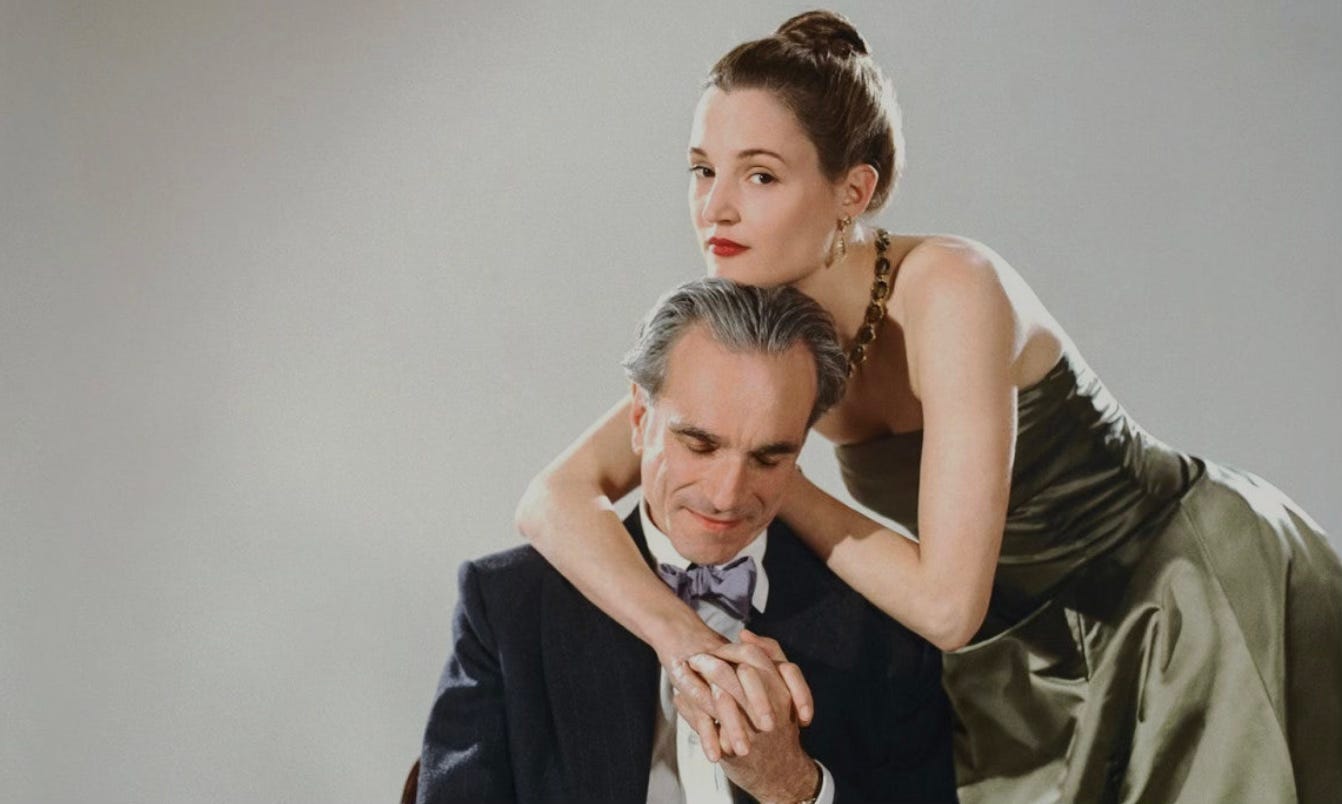
Paul Thomas Anderson’s The Phantom Thread explores the power dynamics between the British fashion designer Reynolds Woodcock (Daniel Day-Lewis) and his muse and lover, Alma Elson (Vicky Krieps). Reynolds is brilliant at creating exquisite gowns for his posh, aristocratic clientele. He is also neurotic, obsessive and controlling of Alma, to the point of abusiveness.
Alma goes from being an inspiration to a disruption, in fairly short order. She disrupts the sanctity of Reynolds’ morning silence by buttering her toast. She disrupts the notion of his unerring artistic instincts by questioning his fabric choice. And when she prepares Reynolds a surprise romantic dinner, she disrupts not only his strict schedule but seemingly the entire order of his universe. He responds with the kind of unleashed, vicious contempt that would make most women leave.
Alma, however, isn’t most women. She’s a woman with a female savior complex — an urge pop psychology refers to as “white knight syndrome” or “hero syndrome” when applied to men. It’s the feminine compulsion to rescue a romantic partner from his own destructive tendencies, fed by the belief that he’s “fixable” via motherly, nurturing love. Alma’s female savior complex is what gives the film its poignancy and resonance, particularly in its ending.
The Phantom Thread concludes on an ambiguous note. Despite this ambiguity, the vast, vast majority of reviews I’ve read take the ending literally, meaning — spoiler alert! — Reynolds knowingly and willingly subjects himself to a second poisoning and nursing to health by Alma.
Reynolds and Alma consent to this arrangement, the argument goes, because it’s mutually beneficial, albeit weird. Reynolds benefits because his controlling nature masks a fundamental yearning to be helpless and taken care of by a doting maternal figure. Alma benefits by recalibrating the balance of power in her favor, enjoying Reynolds’ dependency and affection, temporary though it may be. And Reynolds’ art benefits, as being nursed by Alma “settles down” his psyche and restores Alma as his Muse, such that he’s inspired to create new fashion upon his recovery. In this sense, The Phantom Thread is a daringly unconventional love story, built on themes of dominance and submission.
I understand this reading of the film. As I understand it, this was Anderson’s reading, and there’s plenty in The Phantom Thread to support it. But for me, the far more powerful interpretation is the unintended one: that Reynolds does not knowingly and willingly eat those toxic mushrooms, because there is no second poisoning to begin with. The scene depicting Reynolds’ consumption of the omelette and everything that follows is Alma’s wish fulfillment, a riff on her delusion that she can control Reynolds and reap his love and devotion. It’s false, a fever dream of the female savior complex.
I think my interpretation is not only defensible, but makes a much better film. Let’s examine the evidence.
When we first meet Alma she’s unremarkable. She’s tall, slender, and lovely, to be sure, but wearing the same drab waitress uniform as her co-workers. She first attracts Reynolds’ attention through her clumsiness, stumbling over her own feet. He responds to her fresh-faced lack of guile; as he orders an enormous meal, he stares at her with charmed intensity, as if envisioning her possibilities. For her part, Alma immediately steps into maternal role-play, bringing Reynolds his food and calling him “the hungry boy.”
Reynolds takes Alma to dinner, then home to his country estate. There, he tells Alma, in no uncertain terms, exactly who he is:
Alma: You must be around many beautiful women . . . Why are you not married?
Reynolds: I make dresses.
Alma: You cannot be married when you make dresses?
Reynolds: I’m certain I was never meant to marry. I’m a confirmed bachelor. I’m incurable . . . Marriage would make me deceitful, and I don’t ever want that.
Alma: You sound so sure about things.
Reynolds: I’m sure about that.
Alma: I think you’re only acting strong.
Reynolds: No, I am strong.
Alma: For who? Not for me, I hope.
Reynolds: I think it’s the expectations and assumptions of others that cause heartache.
As Reynolds, Day-Lewis delivers these lines with unhesitating directness and sincerity. Reynolds may be a difficult man, but he knows at least this much about himself: His art will always come first (“I make dresses”) and he’s incapable of the “deceit” of pretending otherwise. Yet instead of taking Reynolds at his word, Alma is already choosing to disbelieve him. Krieps, as Alma, delivers her lines coyly, somehow certain Reynolds can’t be serious. She smiles and laughs to herself when he describes himself as "incurable,” cleverly foreshadowing her role in his poisoning.
Even at this early stage, Alma is heady with the thrill of being Reynolds’ Chosen One, his Muse. Formerly, she was inconspicuous and unseen. Now, a man who is around “many beautiful women” has selected her as his inspiration, her status cemented when Reynolds asks her to undress so that he can take her measurements for a new gown.
Yet it’s clear she’s not the first woman he’s picked. The Phantom Thread opens with Joanna, a former lover and Muse, beseeching Reynolds for attention over the breakfast table. Reynolds icily rebuffs her, and later his sister Cyril (Lesley Manville) indicates she’ll ensure Joanna leaves the house and troubles Reynolds no more.
Cyril is Reynolds’ fixer, so it’s telling when she lets Alma know she’s Reynolds’ “ideal type”, since “he likes a little belly.” With those words, Cyril deftly punctures the notion that Alma is somehow special. Instead, Alma is of a sort, one of several women who have “expected” and “assumed” Reynolds could love them, only to have their hearts broken — the very predicament Reynolds warns Alma of.
On some level, of course, Alma recognizes she’s not unique. She confides to Dr. Hardy: "I never really liked myself. I thought my shoulders were too wide, that my neck was skinny like a bird… But in his work I become perfect. And I feel just right.” But then she’s careful to add: “Maybe that's how all women feel in his clothes." Maybe, she realizes, Reynolds hasn’t designed gowns for her as Alma, with all that being Alma entails, but rather as a fantasy, an ideal of feminine beauty.
That’s enough to make a Muse a mite insecure. And that insecurity is why Alma doubles-down on the delusion that Reynolds secretly needs her — particularly and especially her — despite all evidence to the contrary.
Reynolds is as fussy and petulant as a little boy. And like a little boy, he eventually grows tired with his new toy. He can’t tolerate Alma voicing her own opinions about his dresses or his behavior, or the distraction she causes while he’s working. Her very presence begins to vex him.
Things culminate in the most disastrous surprise romantic dinner ever captured on film. Daniel Day-Lewis is by turns hysterical and terrifying, one minute peevishly complaining about his asparagus, the next badgering Krieps like an aggressive dog:
When Alma flees the dinner table, one expects it’s the last straw, that she will pack her bags and be through with Reynolds. Instead, she stays on to poison his tea with mushrooms — and on the day before Reynolds must ship off the bridal gown he’s designed for a princess.
But why?
Because Alma is Jane Eyre: an obscure woman, chosen by a powerful but difficult man whom she’s fiercely in love with. But unlike Jane Eyre, Alma has no madwoman in the attic to conveniently disable her love interest for her. So Alma has to disable him herself, engineering his dependency upon her and her own psychological empowerment and self-aggrandizement as his savior. Her poisoning of him resembles Munchausen Syndrome by Proxy, only instead of harming her child, she harms her man-child of a lover.
Once poisoned, Reynolds trips over the gown, ruining it, then passes out before his alarmed staff. And then Alma activates female savior mode, ushering Reynolds to bed and playing nursemaid while he detoxifies. Many reviewers contend these scenes reveal not only Reynolds’ profound need to be lovingly mothered, but his realization that it’s Alma alone whom he needs, desperately, to lovingly mother him.
Well, not so fast. How, exactly, does Alma’s “mothering” go?
When Alma gets him to bed, Reynolds tells her not to “fuss” over him. As always, he desires her to be quiet and unobtrusive — but this time, Alma doesn’t challenge him. Her help consists largely of sitting by his bedside in silence as he sleeps. It’s Cyril who tries to see that Reynolds receives actual medical care by bringing in Dr. Hardy. But when Reynolds refuses to be examined, Alma briskly tells the doctor he’s not needed. The type of “mothering” Alma provides, then — the only “mothering” acceptable to Reynolds — is ensuring he’s left alone and untouched, just the way he likes it.
During Reynolds’ detox, he sees a vision of his dead mother, wearing the bridal gown Reynolds designed for her. We know little of her, save that she taught Reynolds his craft. Presumably she was a demanding instructor to have cultivated such excellence. But as for tender and nurturing? The film gives no clues Reynolds received this type of mothering. He’s a narcissist, and narcissists are born of excessive praise and spoiling, but also of excessive criticism and/or neglect. He does allude to being raised by an “evil nanny” nicknamed “The Black Death”. As for Reynolds’ father, it appears he never knew him as he died early on.
It’s not unreasonable to assume, then, that Reynolds’ parents were absent, either through death or emotional remoteness. This is supported by Reynolds’ dream interaction with his mother’s ghost: She’s frozen silent when he professes how much he misses her, how much he wants to “tell her everything.” And then she disappears, just as Alma enters the room.
This edit, followed by Reynolds’ heartfelt proposal to Alma in the next scene, suggests Reynolds wants to let go of his yearning for his mother — an embalmed yearning for the dead — and replace it with a vital, living love for Alma. And in that moment, I believe that’s true.
Unlike most viewers, however, I believe this is ultimately impossible. Alma will never fill the gaping need for his mother at Reynolds’ core. Knowingly or not, The Phantom Thread makes this fairly clear. In no time at all, in fact — just days later, on their honeymoon! — Alma is already aggravating Reynolds’ misophonia with her cereal chomping, and irritating him with her sub-par backgammon skills.
But he really loves her! reviewers insist. No, Reynolds loves the idea of Alma. He is incapable of loving any woman who needs — particularly one who needs emotional reassurance or validation. Such a woman disgusts him, which is why he’s so incensed at the American heiress Barbara Rose wearing one of his designs. Rose is insecure about her looks, relationships and status, and drinks too much to quell that insecurity. In other words, Rose is horribly human, and only self-contained, self-sufficient goddesses are entitled to don Woodcock’s gowns.
If Reynolds loved Alma, it’s doubtful he would allow Countess Henrietta to bitchily insult Alma as “rude” and malign her for being German. And it’s a certainty he would not disparage Alma to Cyril as a “terrible mistake” and an intruder in the house that he and Cyril built (disturbingly implying a brother-sister marriage):
Reynolds doesn’t need Alma as a stand-in for his mother, because he has Cyril for that, and she’s far superior. It's Cyril who indulges Reynolds’ idiosyncrasies — his demand for silence, his rigid schedule — like a mother indulging her autistic son’s tics because, well, he’s a savant. It’s Cyril who backs Reynolds’ artistic decisions like a mama defending her child’s genius. It’s Cyril — along with her squad of seamstresses — who orchestrates the repair of the bridal gown that Alma indirectly destroys. Cyril is the female savior Alma fancies herself to be, saving Reynolds’ creation and reputation.
In fact, Cyril is a stand-in for both Reynolds’ parents — and his tough nanny, to boot. While she indulges Reynolds, she also circumscribes him, laying down the law with stone-cold precision. When Reynolds balks at attending Rose’s wedding, it’s Cyril who tells him: Suck it up, Buttercup. She pays our bills. When Reynolds tries snapping at her like he snaps at Alma, she quickly nips it in the bud with a threat to destroy him, knowing full well the House of Woodcock cannot function without her. She’s mother and father — and quasi-wife, too. Why else would Reynolds address her as his “old so-and-so,” echoing “the old ball-and-chain” or “my old lady”?
In summation, the movie is a competition between Alma and Cyril over Reynolds, and Cyril wins. But Alma is Reynolds’ Muse! reviewers argue. But how’s that working out? The bridal gown Reynolds designs for the princess is, by his own admission, “ugly.” And by the end of the film we learn clients are dropping Reynolds in favor of more “chic” designers. Are the clients’ tastes frivolous or is Reynolds creatively stuck and in need of a new muse?
But Alma feeds Reynolds’ soul! reviewers protest, pointing out that “Alma” translates to “nourishing” and “soul” in Latin and Spanish, respectively. Fair enough, but Cyril isn’t a name typically given to females, and it derives from the Greek word for “lord” or “master.” Clearly, she is someone Reynolds must obey. And during the “quiet death” scene, she tells him she will not entertain his “moaning” about Alma because it “hurts her ears.” In other words: Put up or shut up. Either get rid of the girl or live with her and stop complaining.
My bet is he chooses the former.
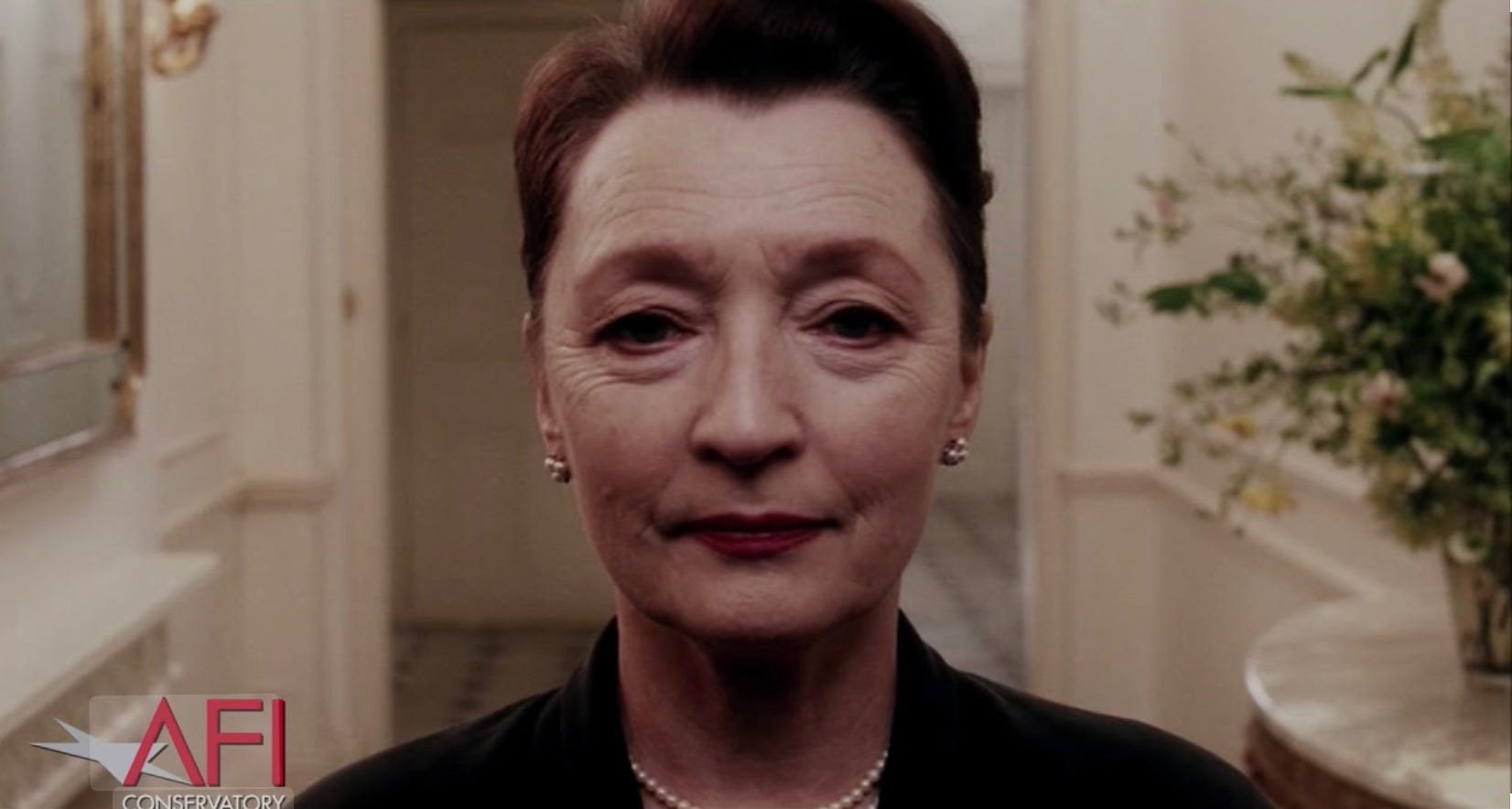
Much is made of Alma’s comment to Reynolds at the beginning of the relationship: “If you want to have a staring contest with me, you will lose.” Cyril wins the staring contest with both Reynolds and Alma. The film hints as much in its opening sequence, when Lesley Manville walks directly towards the camera with a long, unwavering gaze, staring down the viewer. She is entirely self-contained and self-sufficient, and thus the only woman Reynolds could ever truly live with.
After Reynolds’ disparagement of her to Cyril, Alma determines he needs another “settling down” and serves him an omelette she’s prepared with bad mushrooms and copious butter (another one of Reynolds’ peeves). He takes a mouthful then stares at her expectantly. She tells him: “I want you flat on your back, helpless, tender, open, with only me to help. And then I want you strong again.” At which point Reynolds agrees to the bargain and swallows.
In an instant, he turns passionately loving, kissing Alma like a man, then changing into his jammies so she can tend to him in the bathroom like a little boy. Oddly, he requests Alma bring in Dr. Hardy on stand-by, just in case she overdid it on the shrooms. We see Alma, oddly, explaining her romantic rationale for poisoning Reynolds to Dr. Hardy. Oddly, Dr. Hardy takes in Alma’s confession looking pretty unperturbed — funny, since most doctors would be freaked out by an intentional poisoning.
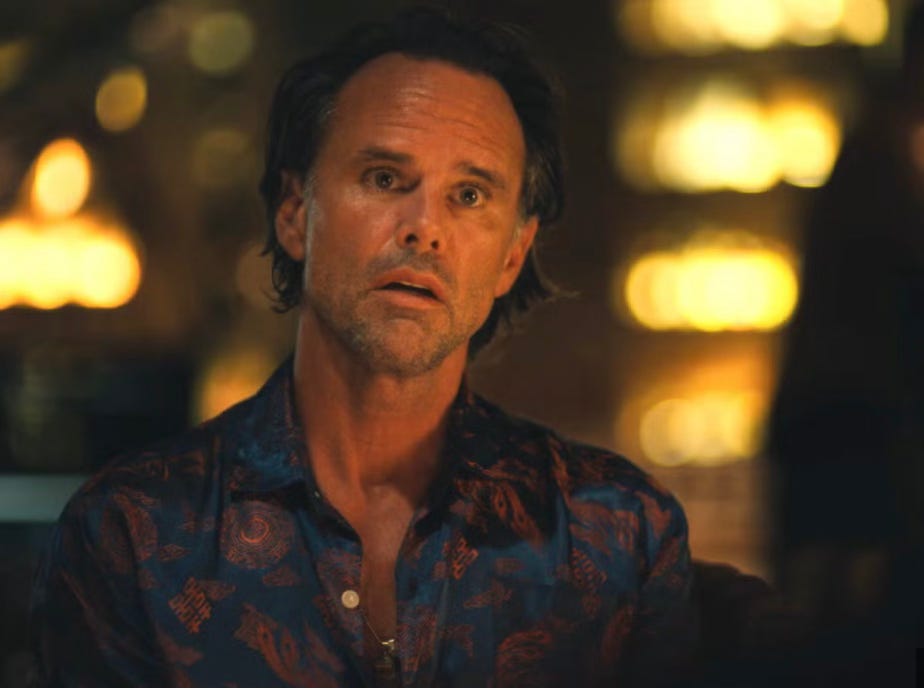
The film concludes with Alma describing to Reynolds her dreams for their future, when all their “lovers and children and friends come back, and are welcome” at their “large gatherings where everyone is laughing and playing games.” It’s an odd vision, as Reynolds isn’t a big-party, fun-and-games kind of guy. We see Alma leave a pram, presumably holding her and Reynolds’ child, with Cyril as she walks off with Reynolds for date night. Also odd: The man that has a meltdown at the sound of water being poured is going to accept a crying baby? A stone-cold killer like Cyril is going to babysit?
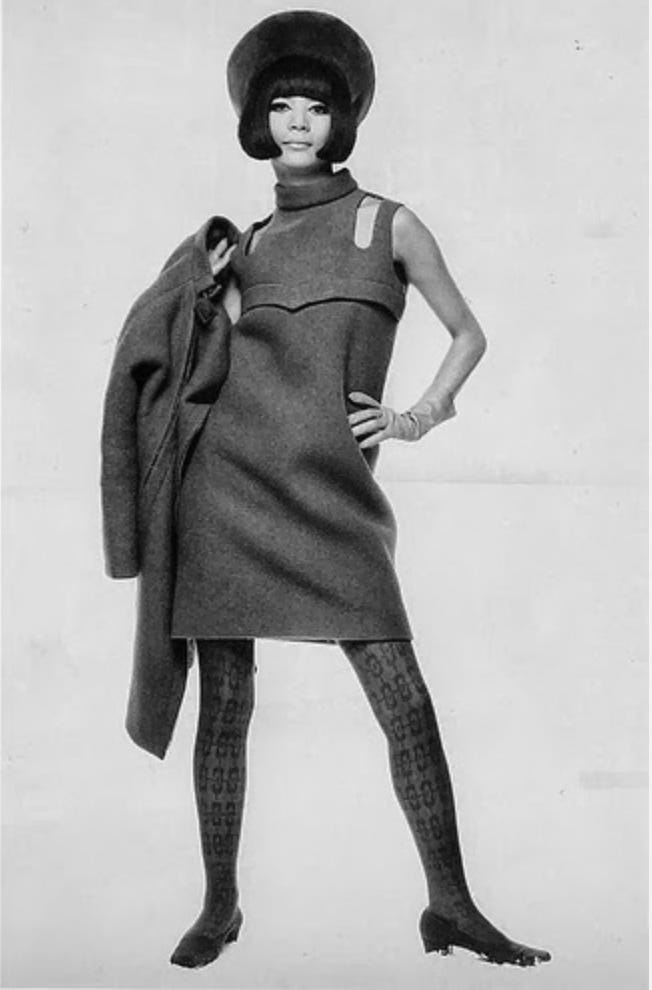
Further oddness: We see Alma working as Reynolds’ co-designer — as she puts it, “taking care of” his dresses, “keeping them from dusts and ghosts and time.” Meaning keeping them “fresh” — but is Reynolds truly capable of ceding any degree of creative control? His dresses are gorgeous, but they strictly adhere to a specific post-War look: nipped waists and fitted bodices that create an idealized female silhouette. Yet as the memory of World War II recedes and prosperity returns, designers are starting to have a little fun. The New Look is giving way to 60s playfulness and the beginnings of androgyny.
Are we really to believe Reynolds, even with Alma’s creative input, will be able to make whimsical dresses that don’t emphasize and even hide the female form? When he specifically told Alma his job as a designer was to give her form (if he “chooses to, that is)?
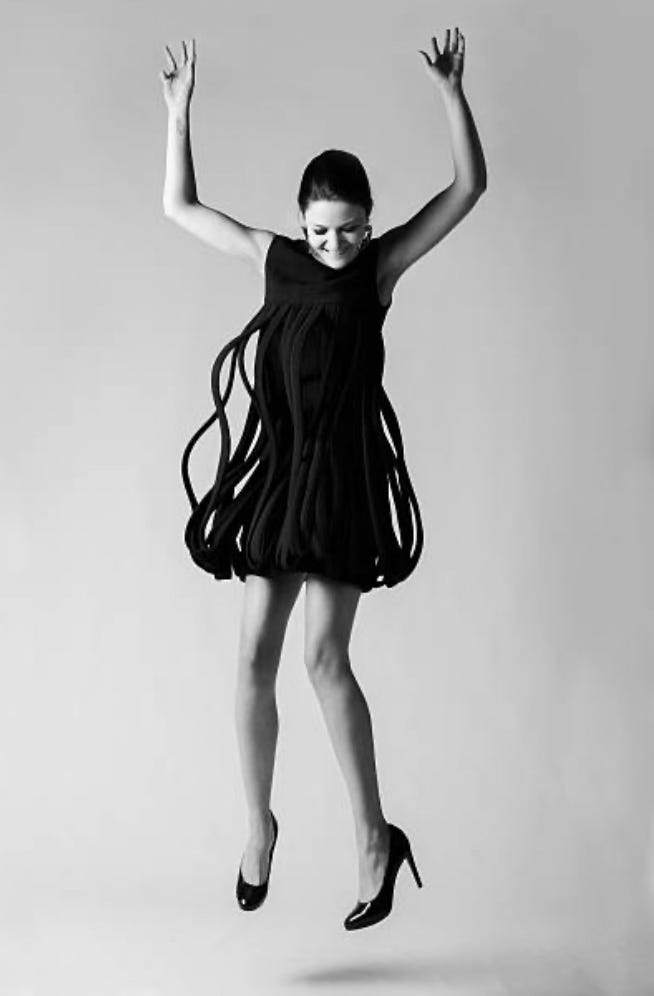
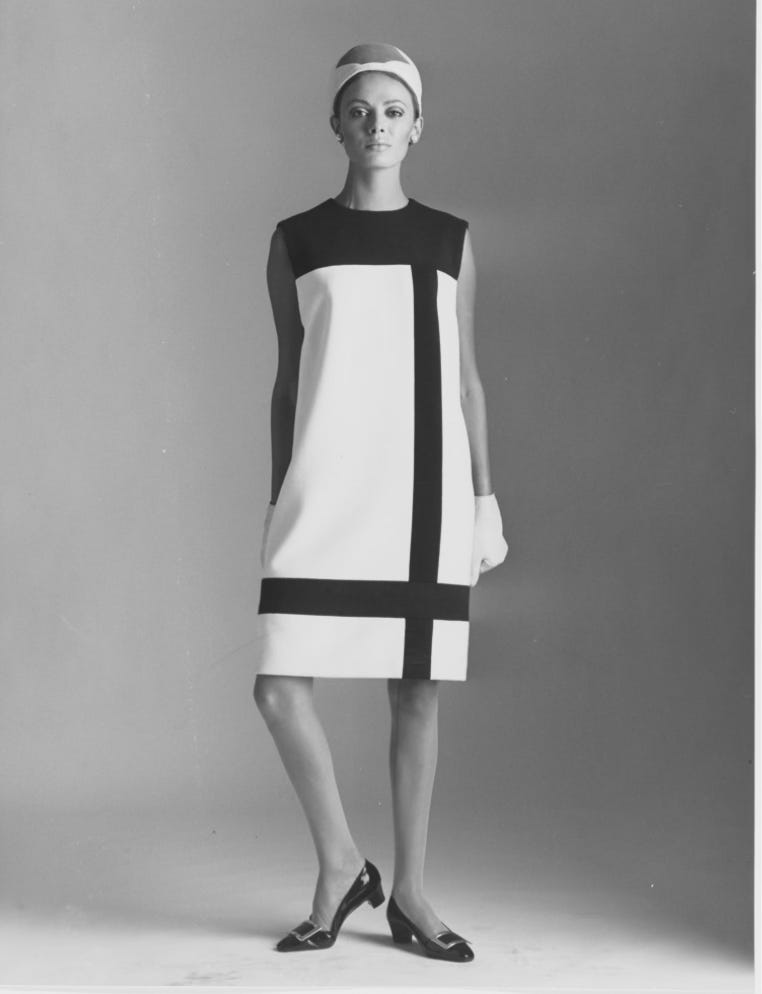
I mean, the guy’s name is “Woodcock”, suggesting he’s not only horny but creatively rigid.
Odd, odd, odd. The whole ending is odd. And the reason that it’s odd is that it never happens.
The omelette scene, Alma’s revelations to Dr. Hardy, her predictions of their future to Reynolds — it’s all in Alma’s mind, which is awash in the female savior complex. The film winks at this when Reynolds kisses Alma after swallowing the omelette; the soundtrack surges so dramatically as to be comic. It’s the type of musical surge that could only accompany the fantasy of a desperate, vulnerable woman, terrified she’s losing the one man who made her feel “perfect.”
How could it be otherwise? Taking the ending literally is ridiculous on its face. What happens after Reynolds recovers from this second poisoning and no longer needs Alma’s mothering? Eventually he’ll turn impossible again, in need of “settling down.” So what then: another round of shrooms? Interminable, cyclical poisoning over the life of their relationship? Or will Alma and Reynolds be forced to change tack? Maybe Alma could tie Reynolds up and club him in the ankles à la Kathy Bates in Misery, then blame it on a fall down that marble staircase. But that seems like an awful lot of work.
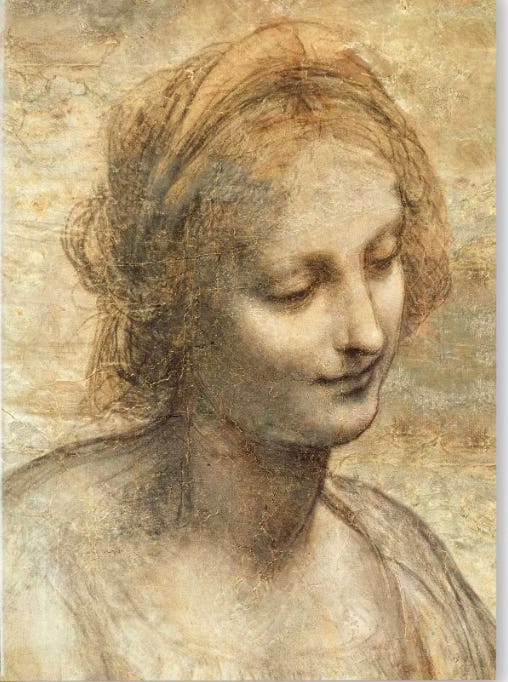
If we aren’t to believe Alma has a female savior complex — one that warps her view of her status vis-a-vis Reynolds — how to explain Alma’s confession to Dr. Hardy that, even if she accidentally kills Reynolds, it’s all good! She’ll just see him in the next life, and the one after that! No: The only explanation for such craziness is that Alma is delusional. She believes her mothering of Reynolds will not only change him for the better, but exalt her into the realm of the Divine, outside of time. Why else would the filmmakers cast the Alma role with Krieps, whose beauty is strikingly similar to a Da Vinci Madonna?
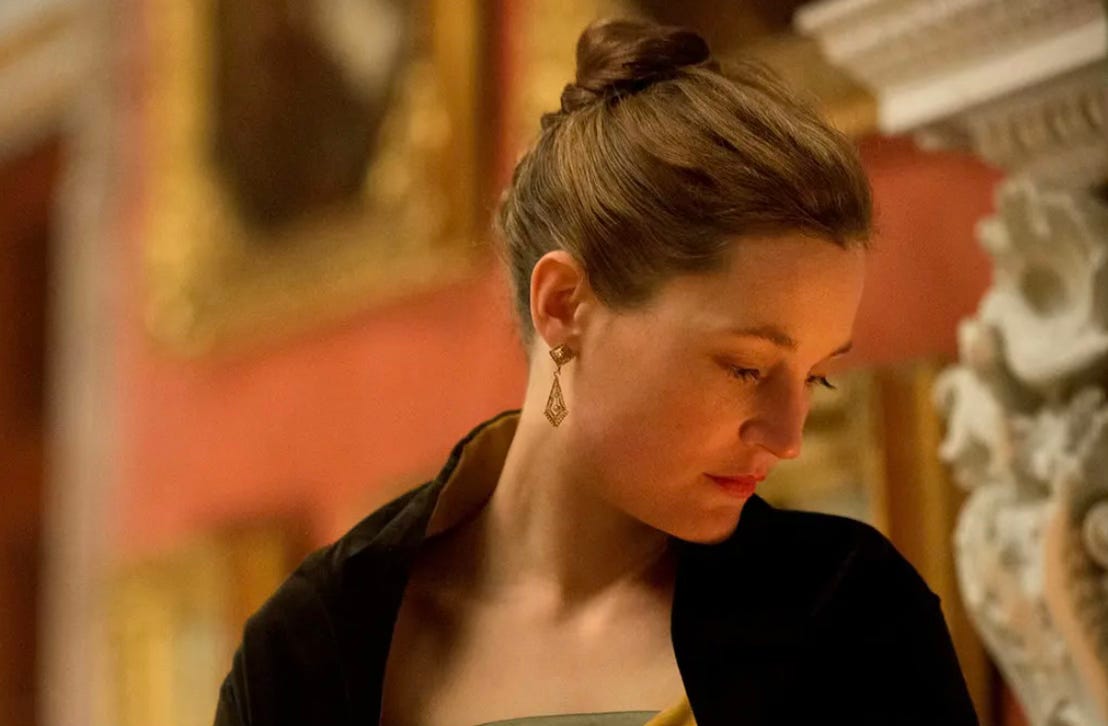
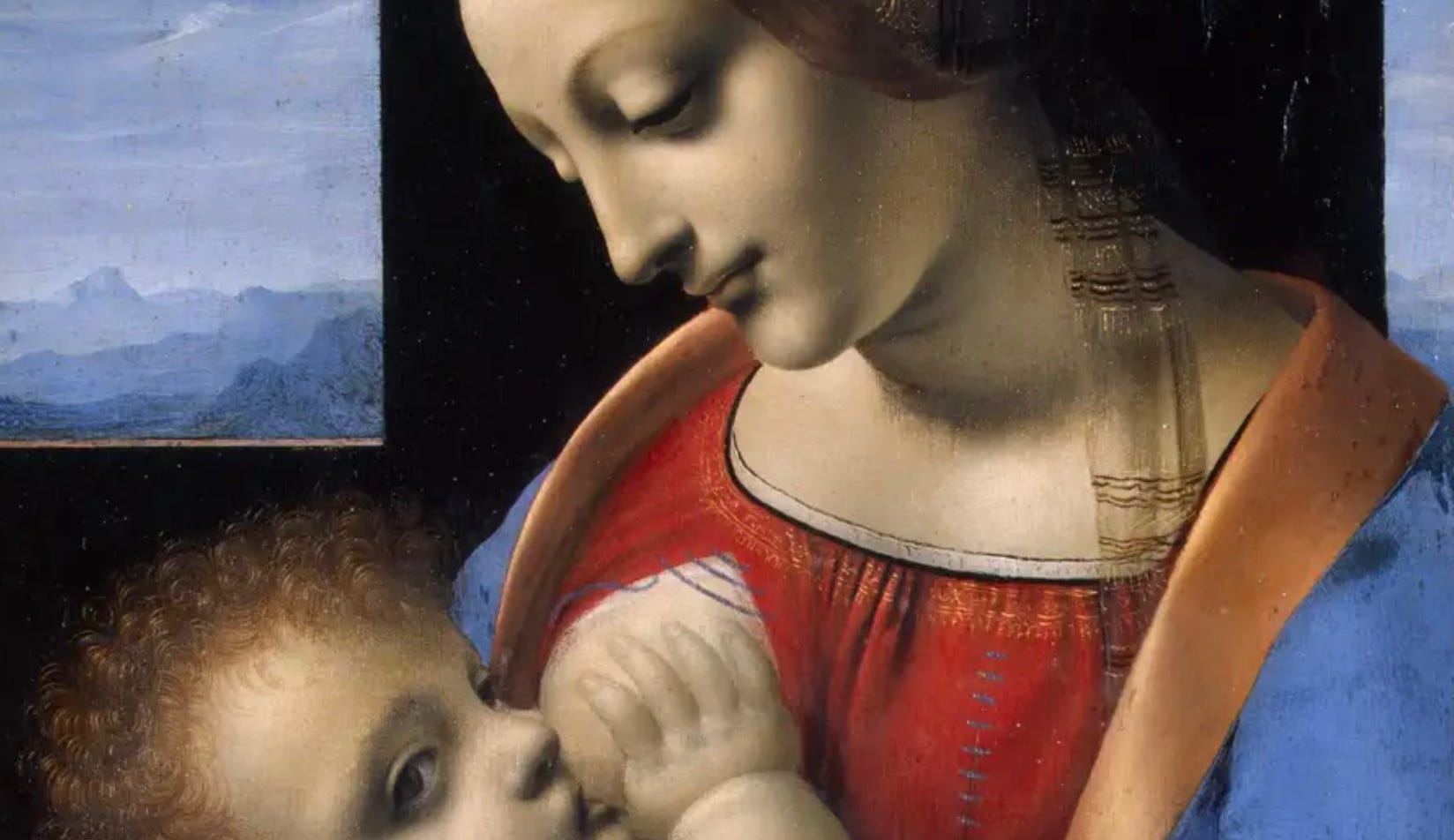
Still, the consensus opinion is that Reynolds does consent to be poisoned, that this does settle him down into tenderness (plus arousal) towards Alma, and that Alma does thereby reclaim power and continue as Reynolds’ equal. Reynolds’ cruelty is followed by his chastening is followed by his love and desire for Alma. Lather, rinse, repeat.
I’m sorry, folks. Cruelty + chastening + fawning tenderness, repeated ad nauseum, is not a love story. It’s the romanticization of the cycle of abuse. If Alma’s means to empowerment requires that she physically debilitate Reynolds, then she’s really not all that “empowered.” She only thinks she is.
The idea that the right woman, the Chosen One, can save a flawed, difficult man from himself is baked into culture. In fairy tales, it’s Beauty and the Beast. In literature, it’s Jane Eyre. In film — well, there’s too many iterations to count. Dramas where the love of a good woman enables the addict to sober up (The Man With the Golden Arm, Tender Mercies), or the depressive to heal (As Good As It Gets, Garden State). Rom-coms where the adorable priss reforms the inveterate playboy (pretty much every rom-com since at least Pillow Talk). Musicals are full of the trope. The Sound of Music, for example, has taught successive generations of little girls that you can tame a militaristic control freak with a dog whistle by sheer force of cutesy quirk.
Here is the hard, uncomfortable truth: Some women choose to stay with difficult, impossible, even abusive men. Ask any couples therapist or any attorney who has dealt with allegations of domestic violence or sexual harassment. They do so for all sorts of reasons, including the psychological boost that comes from thinking they have the capacity to transform their partner and rescue him from his own worst impulses. Believing oneself to be a savior is quite the headrush.
But this wasn’t something people felt comfortable saying out loud at the height of the Me Too movement, when The Phantom Thread was released. Perhaps that’s partly why I’m in the minority on this one, why nearly every reviewer saw The Phantom Thread as a story about a non-traditional love/erotic relationship and a twisted form of female empowerment.
Taken literally, The Phantom Thread is a very good movie with an awkward ending that feels as if it’s trying to shoe-horn in a message about dominance and submission in romantic partnerships. But taken as Alma’s wish fulfillment, The Phantom Thread becomes a great movie with an achingly sad and poignant ending. It is achingly sad and poignant because, like all great art, it’s drawn from the wellspring of human truth.
Did you find this interesting? If so, it’d mean the world to me if you passed it along to anyone who might enjoy it!
No posts
Comments
Nothing yet. Say the first thing.
Sign in to join the conversation.