
Hello and welcome to my weekly newsletter about how football explains global politics, money and power. I usually send it every Friday morning but am mixing things up during the World Cup.
Throughout the tournament I’ve been writing about the political and historical connections behind each World Cup game:
I’ve also been making videos about all this on Instagram too. We’ve had 100 World Cup games now and there are just four left.
Onwards, to the semi-finals!
🇫🇷 France v Spain 🇪🇸
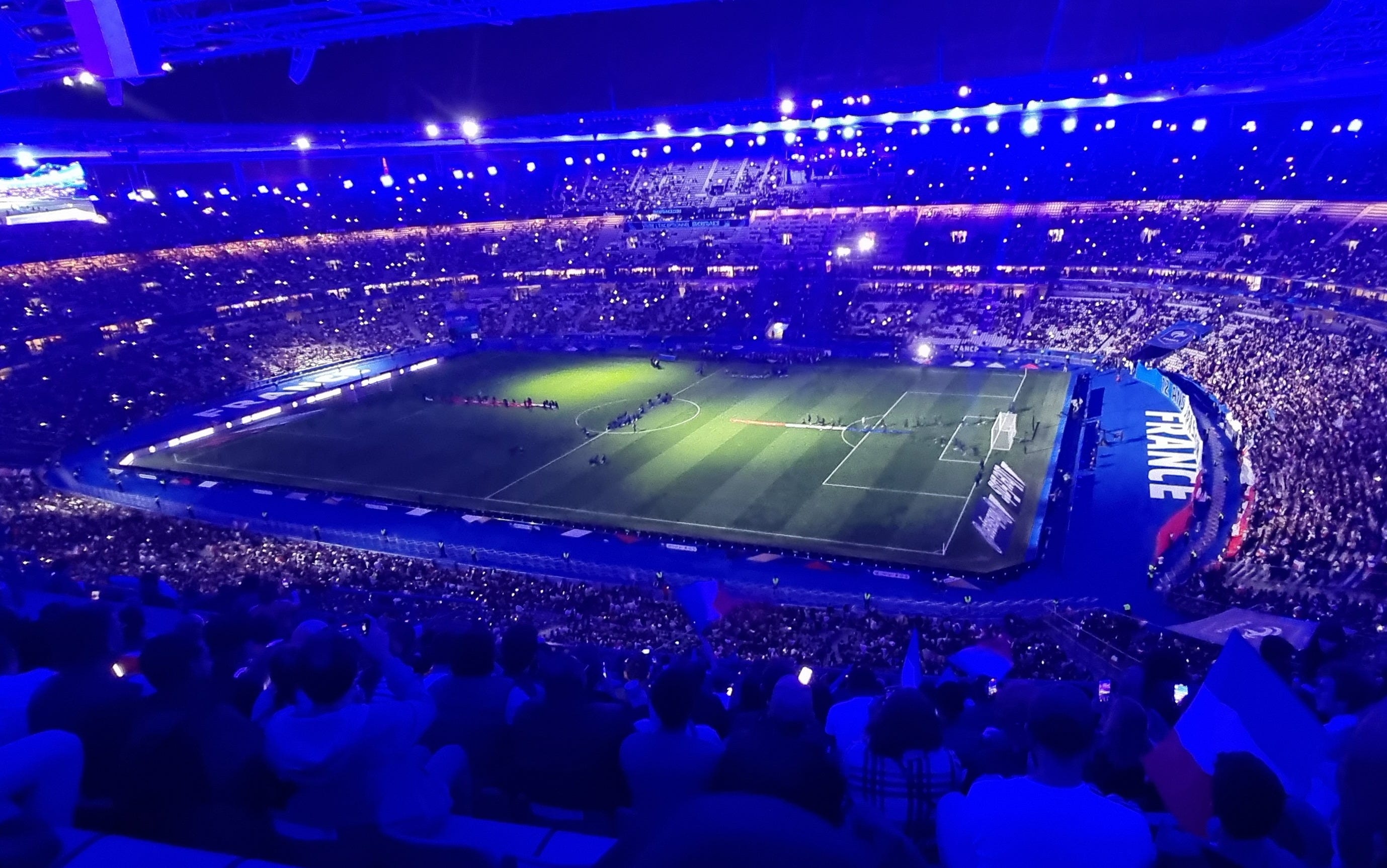
We need to talk about Pheasant Island. This is a place between the two countries that is Spanish today, and on the day of the World Cup final, but in three weeks’ time it will become French. This happens every year on a schedule.
Pheasant Island is an uninhabited island, 200m long and 40m wide, sitting in the Bidasoa river, which is right on the border between Hendaye in France and Irun in Spain. You can’t easily visit it and there are no pheasants at all — as the novelist Victor Hugo found out, to his chagrin, when he turned up in 1843.
Let’s go back to 1659, when France and Spain were still fighting after the end of the Thirty Years’ War. It was time to negotiate peace but neither side would set foot on the other’s territory. So they quite literally met in the middle.
Lots of talks were held between the two on the island and they eventually came up with the Treaty of the Pyrenees, which drew the Franco-Spanish border that still exists today, interrupted only by Andorra and one stranded Spanish town called Llívia.
Part of the deal was a royal wedding. In 1660 on the island, the Spanish King handed his daughter, Maria Teresa, over to King Louis XIV, which helped cement the peace. Her descendants sit on the Spanish throne today.
Neither side would give up the island, so a couple of centuries later, they agreed a deal to share it. Spain runs it from February 1st to July 31st, and France from August 1st to January 31st.
When control changes hands, naval officers from both countries hold a formal ceremony, with flags raised and lowered. This has continued through revolutions, regime changes and wars.
Pheasant Island is the only territory on Earth that changes hands according to a rota.
This semi-final might be taking place on Bastille Day, France’s national day, but Spain has control of Pheasant Island, just as it has all tournament — although that will change soon.
I recently enabled paid subscriptions. If you like my work and want to help ensure I can keep doing this, please upgrade for just £6 a month or £60 a year. Annual subscribers get a free signed book, posted anywhere in the world.
🏴 England v Argentina 🇦🇷
I’m sure there will be plenty of Falklands chat in the next few days, so I want to focus on something else.
Britain never colonised Argentina, but Argentine football has deeply British roots. I’m using British rather than English because the Scots played a big role too.
River Plate are one of Argentina’s big two alongside Boca Juniors. I saw both play when I visited in February. They’re ‘River Plate’, not “Río de la Plata”, the local name for the patch of water between Argentina and Uruguay, and the wider region that was so important to the development of football.
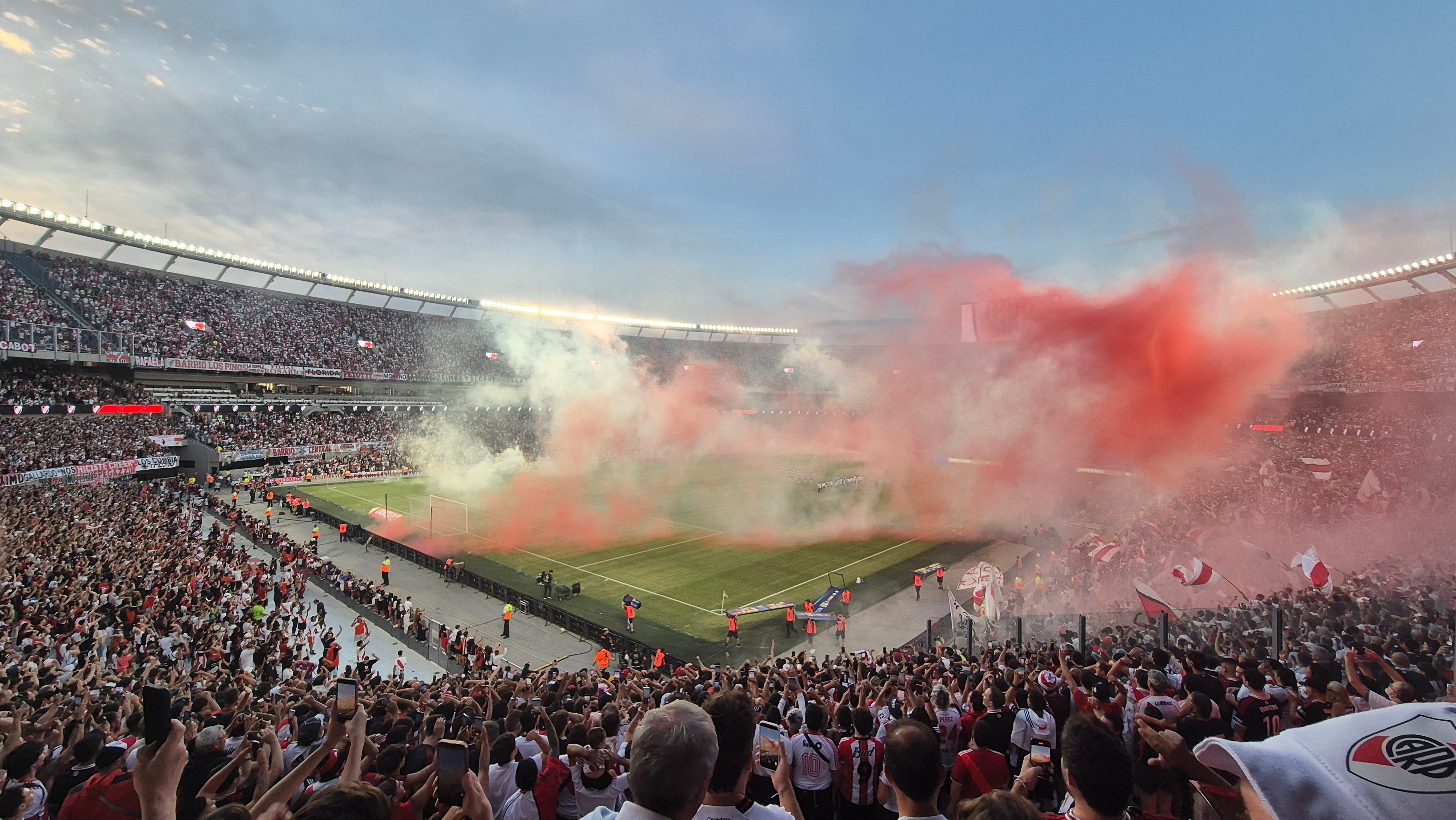
There are lots of other club names too, like Banfield and Newell’s Old Boys, Lionel Messi’s boyhood club, named after an English teacher from Kent, involved with railway administration. This all happened early: Argentina’s football league was set up in 1891, just three years after England’s, and the first outside Britain and Ireland.
English was the language of early football globally, which can be seen in club names outside Argentina like Albion and Liverpool in Uruguay, Corinthians in Brazil, and Italy’s AC Milan (the city, to Italians, is ‘Milano’, but not the club).
This is all because of Britain’s informal empire, which spread football around the world. Counter-intuitively, places that had been part of the British Empire, like Australia, Canada and India, took to the game less enthusiastically than South America and lots of Europe, which were never under British control. (Britain did try to invade Buenos Aires… but failed.)
But the informal empire was crucial — businessmen, sailors and merchants, who travelled around the world, bringing British capital in exchange for goods. In Argentina that was largely beef and wool. Argentina was known for a while as the “sixth dominion” because it had a larger British community than anywhere outside the Empire.
Things changed quickly though and Argentines were soon beating Brits at their own game, adopting a more creative style of play, and the notion of viveza criolla, meaning cunning or cleverness, ignoring rules and being willing to exploit loopholes, counter to British notions of “fair play”.
The economic links between the two were unravelling before a symbolic break in 1948, just as the British Empire was crumbling after the Second World War. Juan Perón took power in Argentina and nationalised the railways, which had been in British hands for decades. Crowds filled the streets, seeing it as a victory over imperialism.
But the Brits left one big thing behind — football. It had been spread by railway clerks and schoolteachers, but quickly took on a distinctive local character.
Since then, meetings with Argentina and England at the World Cup have been imbued with meaning. England beat Argentina in 1962, 1966 and 2002, while Argentina have two wins: in 1998 on penalties, and in one of the most famous games of all time, the ‘Hand of God’ game in Mexico in 1986.
On to Tuesday and Wednesday, then…
No posts
Comments
Nothing yet. Say the first thing.
Sign in to join the conversation.