
I grew up with James Bond, Dr. Strangelove, I Spy and Get Smart. It was the height of the Cold War and in elementary school we had weekly practice drills where we ducked under our desks to protect ourselves from Russian nuclear bombs. None came. And it was a small bit of disappointment to me.
I was bullied throughout school because of my shyness, kind nature, and intellectual curiosity (translation: I was a pussy weakling nerd.) I sought refuge in sci-fi fantasies of apocalyptic nature.
In my fantasizing, I was the only boy left on the planet. I searched across the ravaged landscape and found the only girl. In my six-year-old Catholic schoolboy mind we became the space-age Adam and Eve, lying next to each other, hugging close, until the sex thing happened.
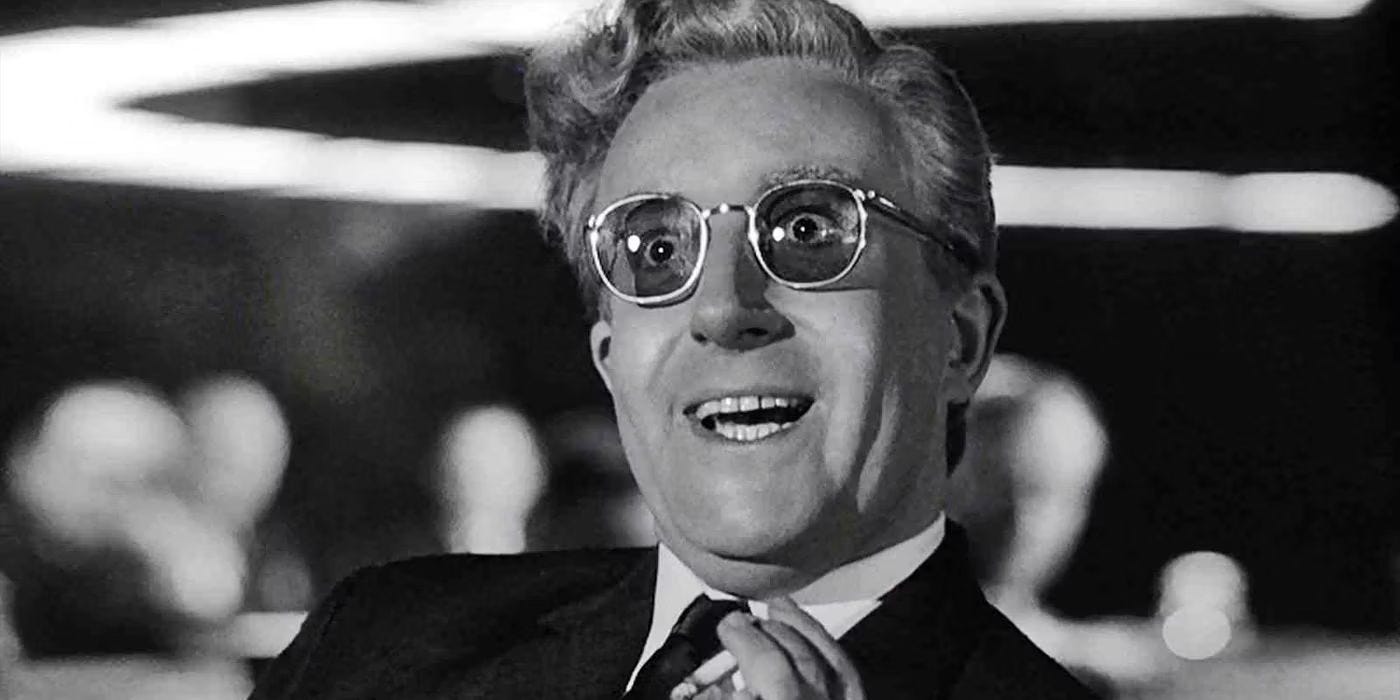
Peter Sellers as Dr. Strangelove
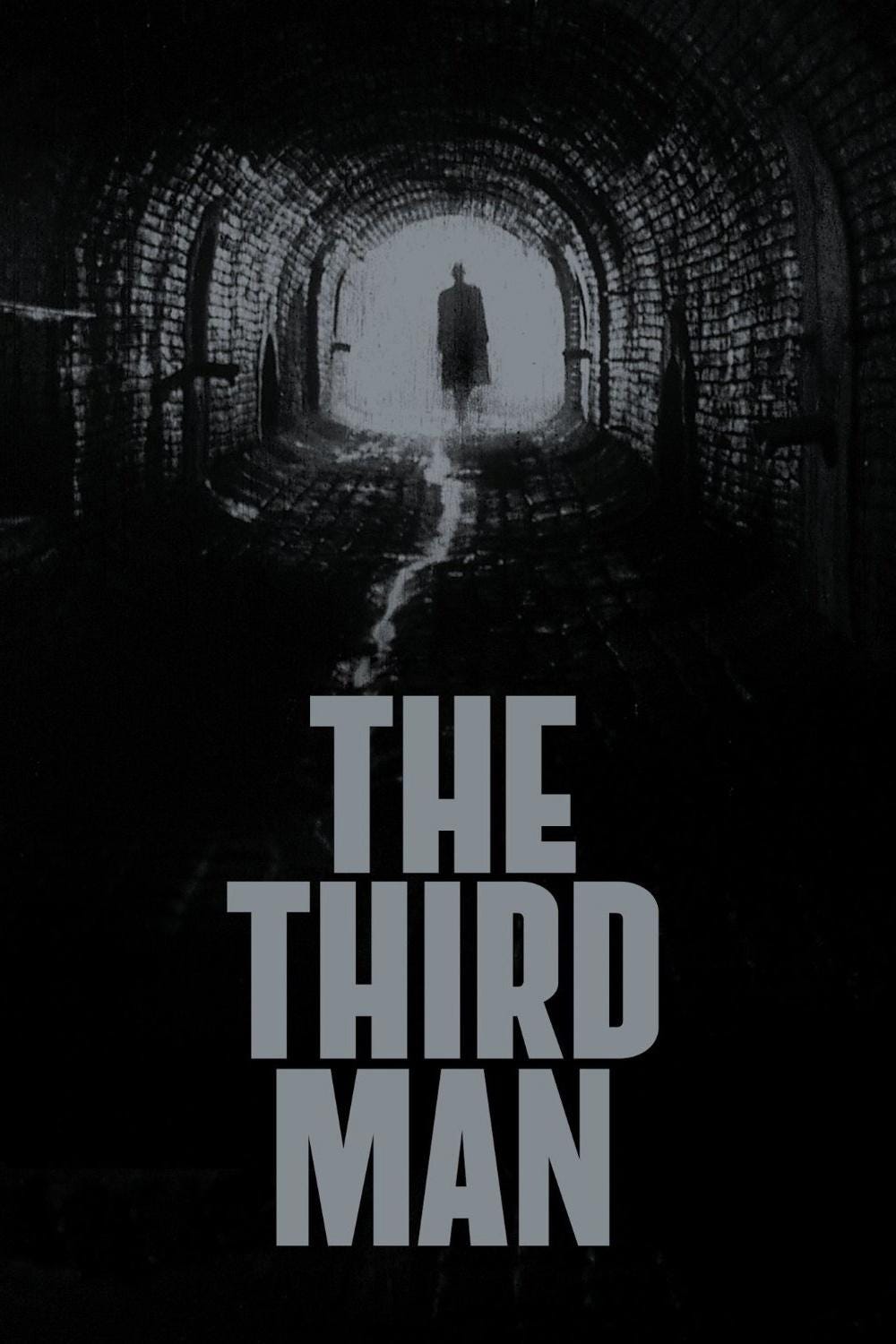
In my teen years I discovered The Third Man playing on TV, and it propelled me into the real world of adult spy stories. No romantic happy endings, no lone hero who saves the world, or crazed psychopath who burns it all down. This gem of a film taught me about hubris and politics in a narrative where the protagonist is brought down not with a bullet but with rejection and humiliation. And with no indication that he had learned his lesson.
The Third Man was released in 1949. Written by Graham Greene and directed by Carol Reed, it featured Orson Welles as the mysterious third man Harry Lime and his friend Holly Martins played by Joseph Cotton. To my teen eyes, the setting was as exotic as the story.
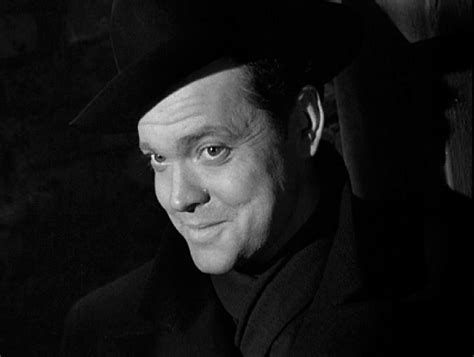
Orson Welles as Harry Lime
Set in post-World War II Vienna, a country occupied by the Allies and divided into four sectors controlled by the Americans, the British, the French, and the Soviets. Because of my experience in the Balkans, it wasn’t hard to make parallels to the Balkans in the 1990s.
The Dayton Peace Agreement ended the Bosnian War but created something stranger than peace: a nominally unified state designed to be governed more from the outside than within. Bosnia and Herzegovina got a weak rotating presidency, robust ethnic vetoes, and two semi-autonomous entities: the Serb-dominated Republika Srpska and the Croat-Bosniak Federation. Real power sat elsewhere: with the Office of the High Representative, backed by the US and EU, which could impose decisions on everything from the national flag to the currency.
Another parallel to the film, this one personal, related to the story of the two principal characters. Holly is a down-on-his-luck American author of pulp novels. In 1997, I wrote a sci-fi humor book about alien abductions that did nothing to prevent my personal slide into bankruptcy.
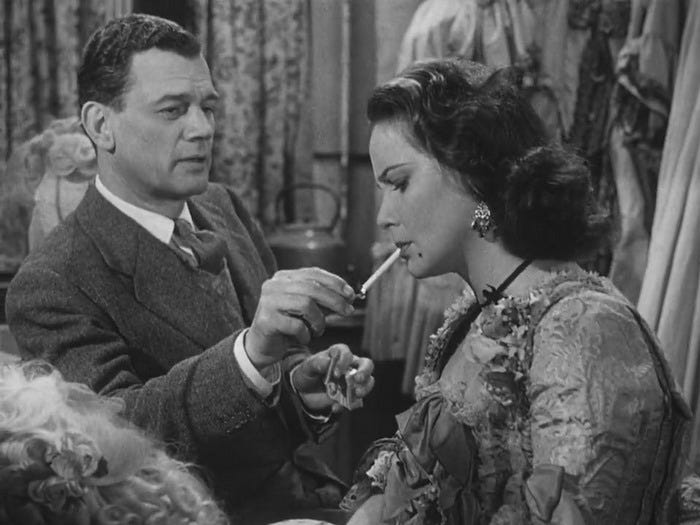
Joseph Cotton lights Alida Valli’s cigarette
Holly receives an invitation from Harry to come to Vienna, where a job is waiting for him. I was invited by a man named Jakov (”YACK-off”) Sedlar to come to Croatia to write the official biography of its president, Franjo Tudjman.
Holly arrives in Vienna only to learn that Harry has died. I arrived in Croatia, but Jakov (no friend of mine) did not die. Instead, I found compelling information that Tudjman was a war criminal.
Holly meets Harry’s girlfriend Anna (Alida Valli) and becomes enamored with her. I met a Bosnian woman named Aida and became enamored with her. Anna rejects his advances as Aida did mine.
Holly is pressured by the British sector’s policeman Major Calloway who provides evidence that Harry was involved in black market penicillin. During COVID, several Bosnian criminals were involved in forging vaccination records.
Holly is put into a predicament once Harry reveals himself. When Calloway learns that Harry is alive, he enlists Holly to entrap him so that Calloway can arrest him.
I had put myself in an unwinnable position. If I wrote the book Jakov and the Croatian government wanted me to write, I would be known as a paid propagandist -- a label I was not comfortable wearing. But if I wrote the truth, I would become their enemy of the state -- a mark that caused more than one journalist to experience their cars being bombed.
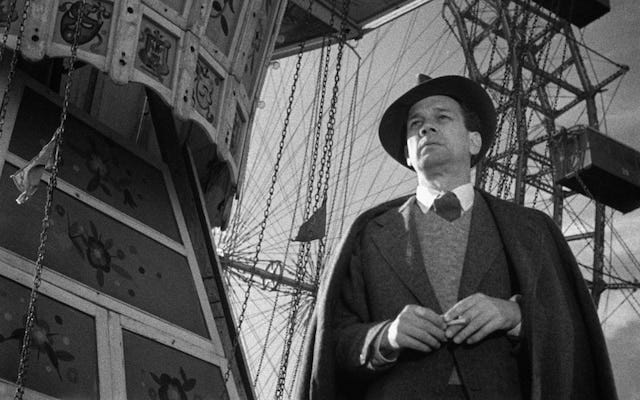
During a ride on a 200-foot Ferris wheel, Harry comments to Holly how the people they see below are insignificant, and how much money Holly can make joining his criminal enterprise. During my interview with Tudjman, he spoke how the Croatian Bosnian indicted war crimes suspects “could not control, could not curb their feelings of revenge, their wishes to retaliate.” Jakov paid me a sizable sum of money, thinking it would buy my loyalty, despite my warnings to him that I would only write the truth as I saw it.
Holly has arranged to meet Harry at a café, but just as Harry appears so does Anna and the police give chase in the sewers of Vienna. Harry dies and both Anna and Holly attend his second funeral.
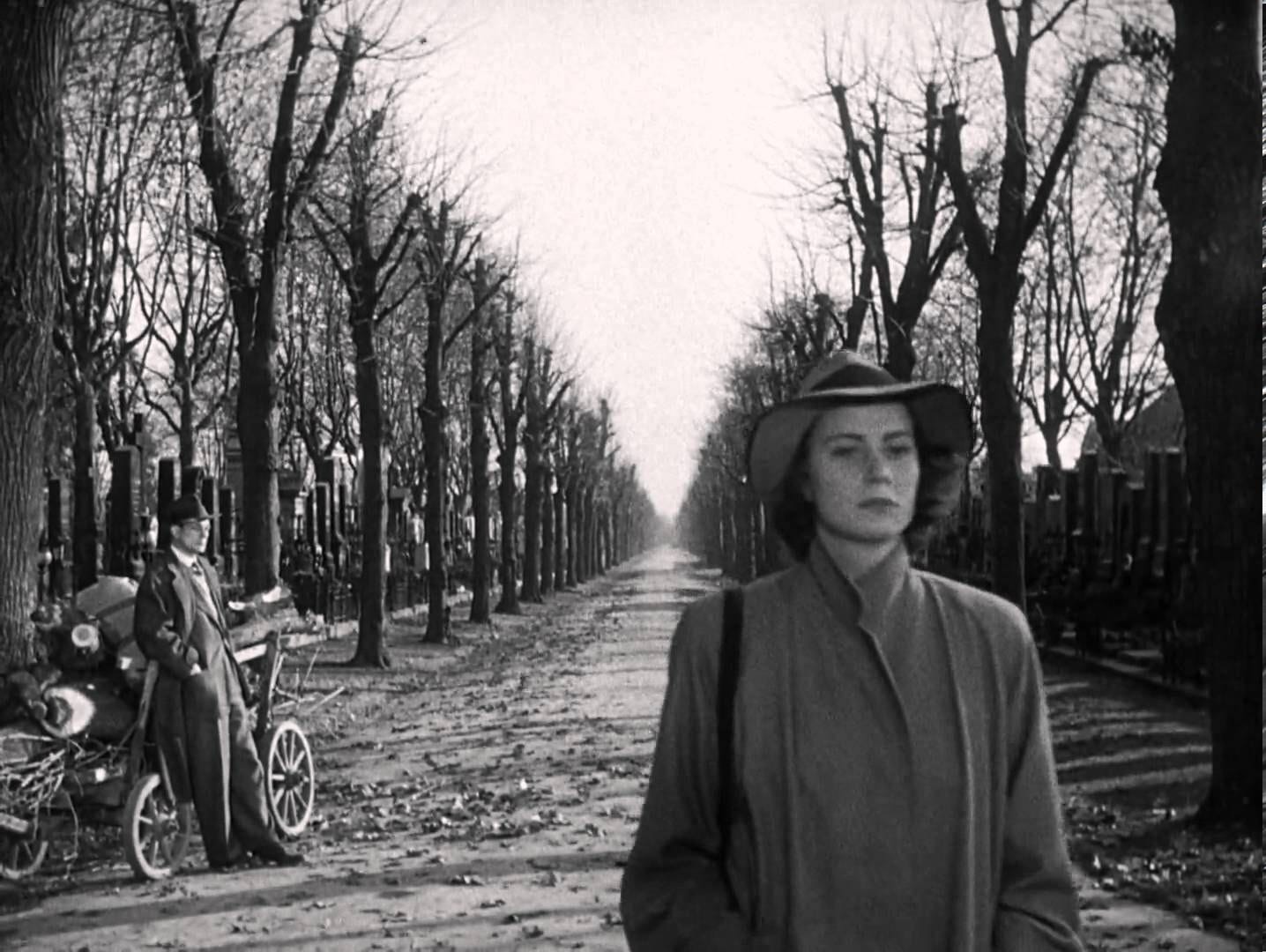
In one of the most famous end scenes in all of cinema, Holly waits on the road to the cemetery, hoping to speak with Anna, but she ignores him completely as she walks past, and he is left alone with his newly increased regrets.
I loved The Third Man the first time I saw it. And I repeat viewings on DVD more often than I can count. But after my experience in the Balkans, I get shivers thinking about these parallels. I’m currently completing a documentary about my story and will have it available at festivals and streaming later this year. Keep up with the news here:
https://www.iwasapaidpropagandist.com/
Do you have any favorite films that resonate so close to your own life?
No posts
Comments
Nothing yet. Say the first thing.
Sign in to join the conversation.