
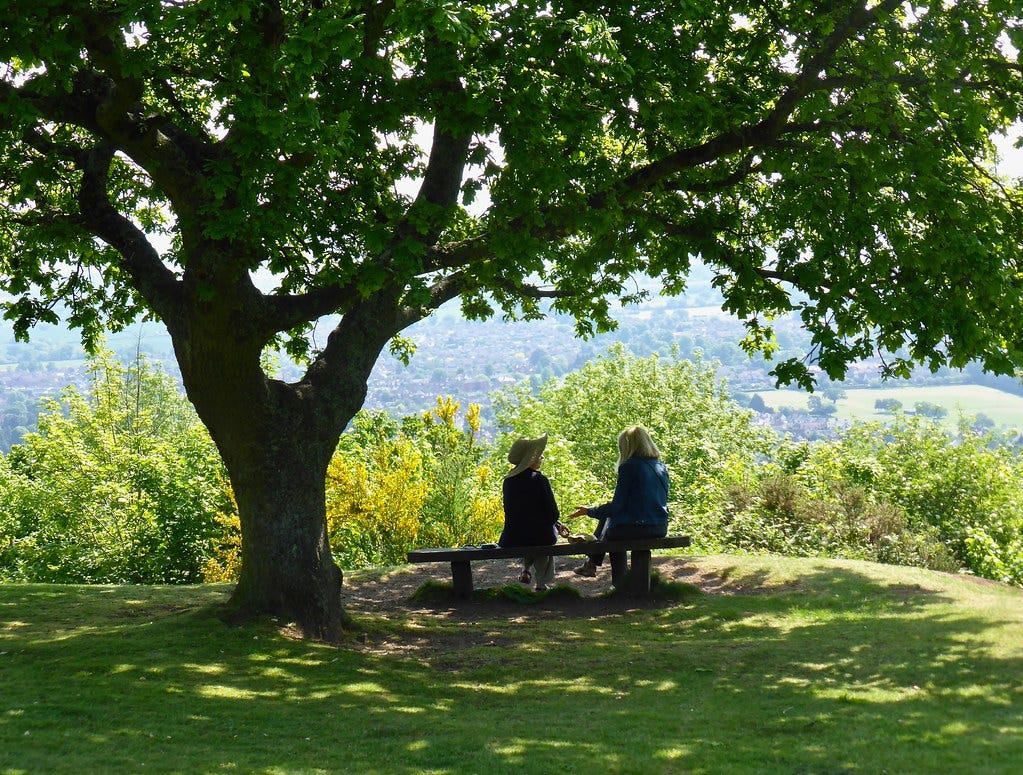
The idea of “microclimates’ starts with breaking down the bigger climates into smaller (“micro”) climates based on environmental conditions within a measured zone. The practicum for the gardener, then, is about selecting the right plants for those right places (one of my three gardening mantras).
Many (most?) gardeners consider this idea common (garden) sense. Beginners might be unfamiliar with it. A few often dispense with this idea — thinking it’s irrelevant or it’s carte blanche to “push the envelope” — and jump into the “trial and error” mode. The latter begs the question: is doing so an easy flex or just an unrealistic stretch? Let’s find out by reviewing the parameters.
The USDA created a “climate-based gardening [and agriculture] map” many years ago, with some tweaks over the decades, that puts the country (less Alaska and Hawaii) into eleven or twelve climate zones (originally just ten). The original single determining factor was winter low temperatures; nothing more. In 1997, the American Horticultural Society produced a companion “Plant Heat Zone Map, that was based on 1974 to 1995 National Weather Service data; it is not part of the USDA’s official system but is sometimes used alongside USDA hardiness zones. The USDA system did not nor does not include snowfall, wind, rainfall patterns, humidity, nor amount of sun or cloud cover, all influential factors in garden processes and practices.
The Sunset Western Garden Book’s* zoning system, originally created for gardeners west of the Rockies, more finely hones the USDA’s climate system by employing additional environmental factors not considered by the USDA. The SWGB’s climate zones can be broken down even further, of course, to include even finer details of the environment on a specific site. The zone map was divided into 24 garden climate zones instead of only 10, and it was just for the west, not the entire country. In a sense, they microclimatized the map. A little more, anyway. But then there’s “micro” and there’s “micro-micro;” herein lies the ludicrous and biased part.
[* The SWGB system was influenced by the Köeppen-Geiger classification scheme, a system originally developed in 1884 based on the several climate factors that dictate the types of vegetation that grew in a given region. For gardeners, the practical value of this scheme is the ability to compare one’s own gardening pocket to areas of the world with close-to-identical or at least similar climates.]
In any garden, these are the areas of the property with unique combinations of environmental factors — the sun, the soil, the moisture, the wind, and all that — that differ enough from the general area to make a potentially significant difference in plant choices. These differences often offer the opportunity to extend the limits a bit, to go beyond generally accepted boundaries when it comes to actual climate zone matching, maybe enough to have success with plants that would prefer a site just one zone colder or, in most cases, just one zone warmer/milder. Microclimates can be used to the advantage of those gardeners who plan wisely. When it boils down to it, gardeners don’t make gardens in “climate zones;” they make gardens within their “microclimates.”
If we take this reasoning down through the logical next steps, reductio ad absurdum, theoretically every square inch of one’s garden is a microclimate. Each has its own unique combination of environmental factors. The question becomes “at what point is it a microclimate and at what point is it simply an insignificant variation on a theme?”
Many gardeners misuse the idea. These gardeners like to claim “microclimates” to justify skipping a zone and, more often than not, planting the wrong plant in the wrong place. This is what is known as “zone denial” or, for the calculating experimenters, “pushing the zone envelope.” Microclimates are, in a sense, every spot that is slightly different from the overall, including the areas of deep shade, the wet low spots, etc.; each of these areas has an impact on plant growth. But it takes some significant differences in a single spot in the garden to justify pushing limits.
One’s climate, then, is certainly the biggest, and more or less dominant, factor that sways a plant choice. But other features of a garden’s environment can make some to enough difference.
.
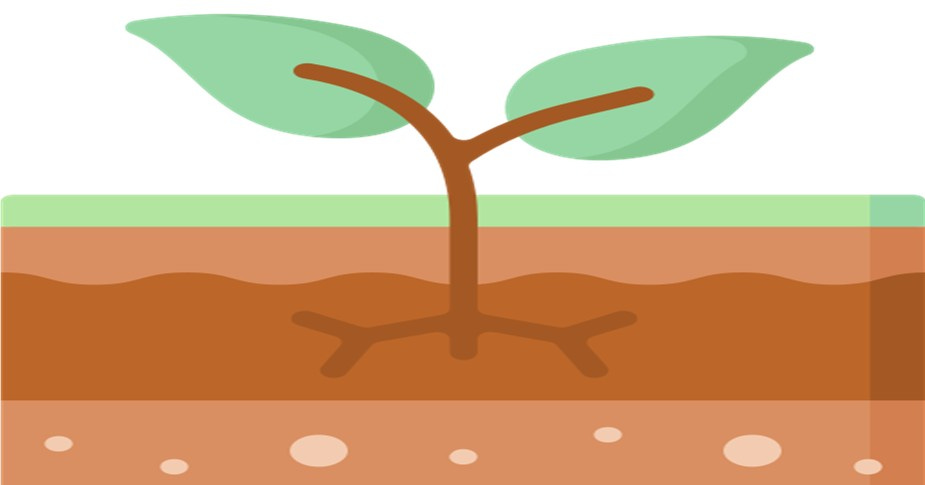
Soil — real soil, not “soil mixes” — is the most important part of a garden. For the obvious reasons (I’ve written at least a dozen articles on Substack about this subject) and for a vast array of subtle reasons. The obvious (yes?): different types of soils, from pure sands to solid clays and all the “loams”* in between, have different impacts on water retention and drainage, transport of dissolved nutrients and nutrient exchange, overall temperature, root penetration, and, most importantly, the development of the edaphon, the living community within the soil.
Among the subtle, albeit often not too subtle, are the following that relate to their effects on microclimate:
The soil texture (sizes of primary soil particles) may bear the greatest influence on a soil’s impact on the neighboring environment. A heavy soil (fine particles, usually densely packed) acts much like pavement, heating up slowly but retaining heat longer, creating more constant temperatures. Heavier, especially unstructured, soils also maintain moisture longer, reducing evaporation and stabilizing humidity.
A lighter, sandy soil, on the other hand, has many air pockets, so it doesn’t trap nor sustain heat, hence why such soils are more prone to severe frosts at ground level. The soil’s porosity does help insulate the warmer subsoils, though. These soils also warm up earlier in the growing season. Undoubtedly the most noticeable property of sandy soils is that they drain quickly, which causes them to dry out frequently and this influences local air temperature and wind patterns near the surface.
Texture (the soil particle sizes such as clay, silt, and silt) isn’t the only factor that gives soil its effects on the garden environment. Structure — when the soil particles clump together with organic matter — also plays a role. Clay soil without structure warms significantly and holds water longer; both qualities are good news and bad news. Sandy soils are the least capable of holding warmth or moisture for any length of time; that, too, is both good news and bad news.
Wet soils, too, create a colder environment and dry soils keep the surroundings warm (to hot). The “bio’” part of bio-organic material (primarily roots and living organisms) is another soil dynamic that moderates temperature changes, tempering highs and lows. Even the color of the soil matters. Light-colored soils reflect more solar radiation and heat up less, while dark soils absorb more heat.
Organic mulches and/or plant covers maintain stable soil temperatures and keep microbial activity steady year-round even during heatwaves or cold spells. Any above-ground vegetation also increases humidity through transpiration. Below ground root systems, along with a trickle-down of organic matter, create microhabitats that act to stabilize soil moisture and temperature levels. Such stabilized soils also better support more diverse microbial communities. Greater soil biome diversity leads to a wider range of plants species that can thrive in a given location.
[* The term “loam” is defined by the USDA and refers to various natural combinations of sand, silt, and clay particles. This textural balance of sand, silt, and clay usually gives loam soils the best of desirable properties, such as good drainage, nutrient retention, and “tilth.” In the practical gardening sense, it should not to be confused with the romantic notion of loam.]
.
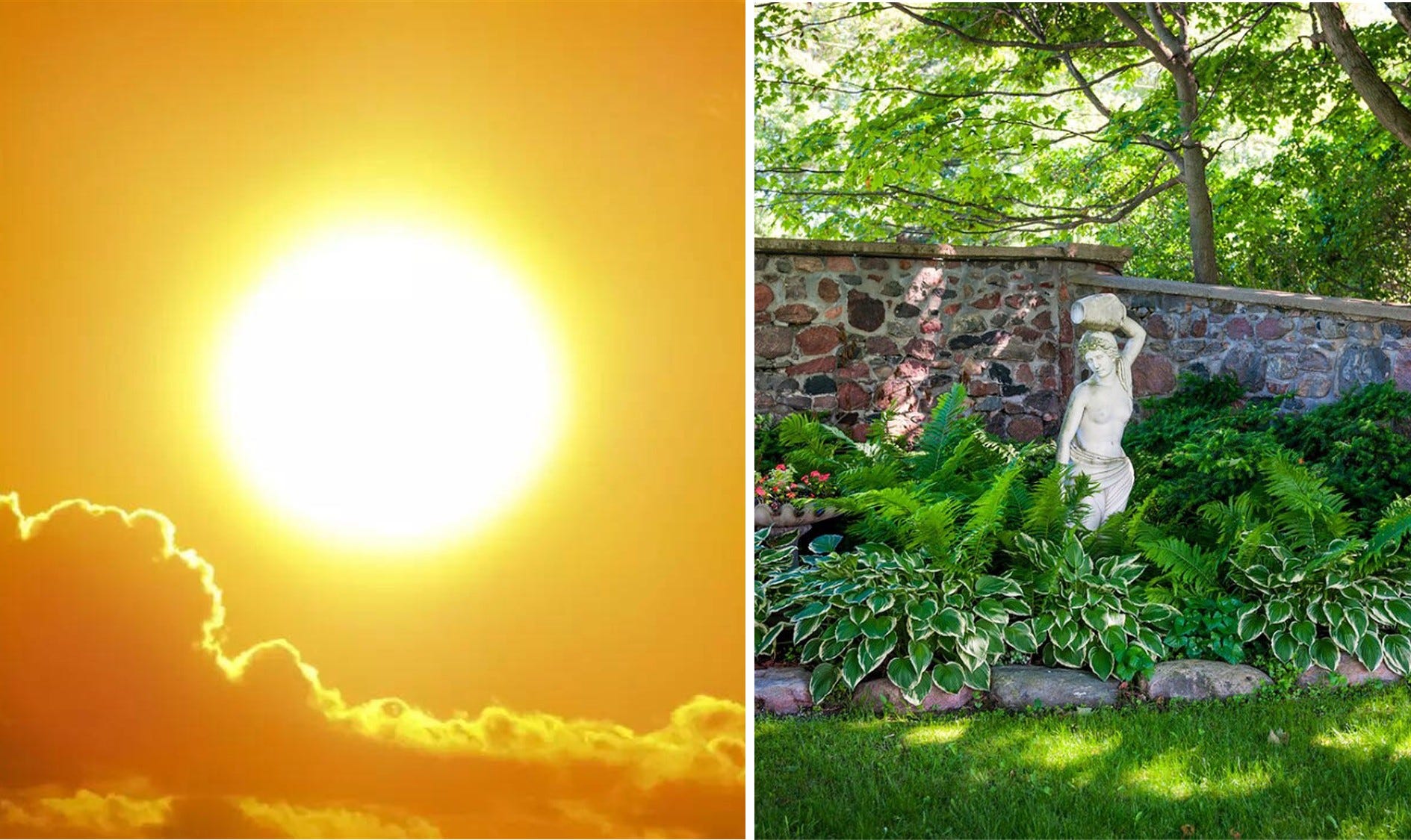
This is what almost every gardener works with when placing plants or knows how to manipulate to fit selected plants. Every gardening book addresses this. Everybody on social media expresses their understanding of the construct. And yet this basic notion is misused, abused, and cast aside more than any other factor here. It’s gone from the easy flex (kinda okay) to the unrealistic stretch.
Sun raises temperatures and dries up the plants and the soil. That’s a clearly recognized circumstance. The amount of raising and drying depends on the measure of sun in a day. As the sunshine of the day diminishes, temps drop and soils retain moisture. More than that, too little sunlight can cause pale, thin, weak leaves and reduced growth on plants that demand the rays of the sun. Too much radiation can scorch the leaves of non-sun tolerant plants and reduce their photosynthetic efficiency. This latter effect can also apply to any plants that have not been hardened off, the process of gradually allowing young plants to adapt to the sunnier environment.
Defining sun or shade is not so easy. We can go with the tricky and sometimes perplexing formulas of total hours or, as I do, the placement in the garden in relation to the sun in the sky, the “exposure.” That is, there are plants that grow well on the north side of the house (shade all day; the unquestionable “shade plants”), those for the south side of the house (sun all day; you can call them “sun plants” for comparison), plenty for the east side of the house (morning sun, afternoon shade; the, well, “confusing plants”), and a few for the west side of the house (the hot afternoon sun; the “almost but not quite sun plants”). Of course, there are those that love the sunshine out in the open with no house involved (the “solid sun plants” and yes, I made this up, but you get the idea). Additionally, there are species that relish the dappled exposure under a lacy shade tree and others that will do well in the darkest of corners such as a north-side that is also cloaked in the shadows of a dense evergreen tree.
.
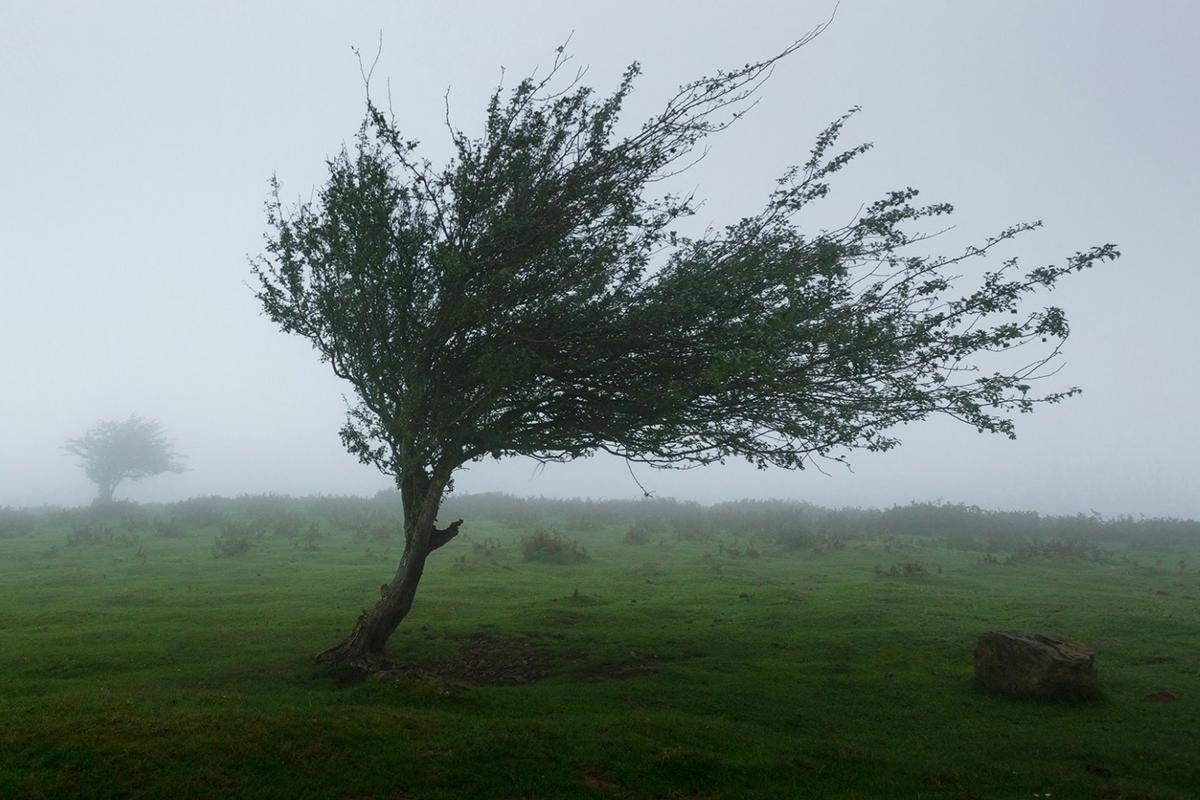
Gentle breezes discourage fungal diseases and moderate winds can keep cold air moving, preventing it from settling, hence keeping windy sites less frosty. Less wind also means more snow cover to protect hardy plants during winter. Wind-sheltered nooks against south-facing walls (see below) trap heat, creating warmer micro-zones.
On the other hand, moving air increases transpiration rates and accelerates soil evaporation, which is why wind-exposed areas act like desert environments, drying out soil much faster than protected spots. Strong prevailing winds also strip away the warm micro-layer of air that sits just on top of the soil, inhibiting the growth of heat-loving plants. High-velocity gusts and urban wind tunnels can snap stems, shred foliage, and topple tall plants. They can also blow away protective mulch and scatter seeds.
In northern climates, windy gardens usually have less snow and since snow is perhaps the best insulator for plants, holding in the ground heat and protecting buds on plant stems, less snow may mean colder soil temperatures and plant death or no flowering some years. Cold winds can dry out the foliage of evergreens in winter.
.
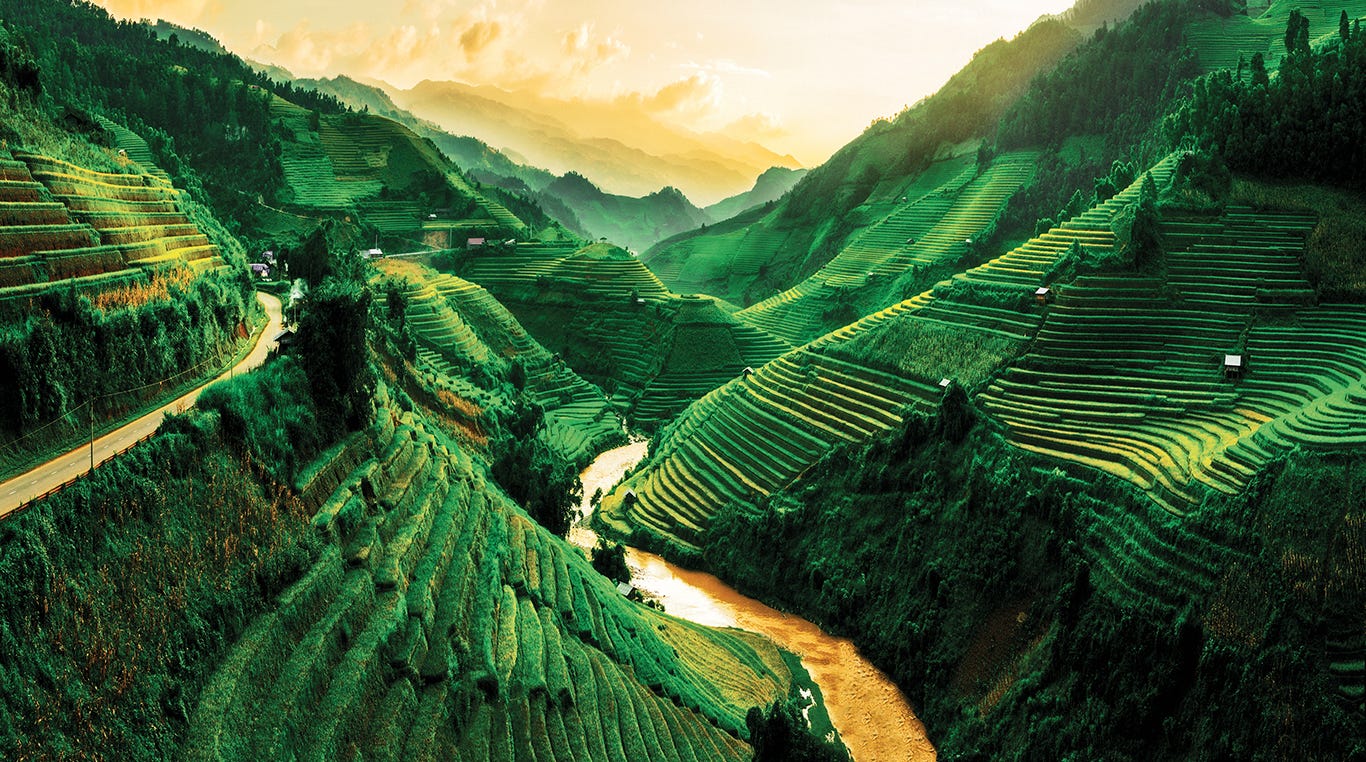
A garden’s sloping nature is as equally important as the other factors here but it isn’t well understood or appreciated by gardeners. Yet it directly influences temperature, wind patterns, and moisture availability.
From a geographic standpoint, hillsides are freer from frost than level ground. Low spots in the landscape, though, can get frosty (“frost pockets”); they’re also usually wetter (where water has drained). In mountain or highland gardens, cold air sinks to low points such as valley floors, where it collects and creates what are known as frost pockets; such pockets can shorten the growing season and damage tender plants. The higher ground, on the other hand, is generally cooler overall, but it, too, can have warmer micro-microclimates if sheltered from wind.
Gardeners pretty much know about the effects of a slope’s compass direction. In the Northern Hemisphere, south-facing slopes, particularly those at higher elevations, receive more direct sunlight, which warms (and dries) the surface and extends the growing season. North-facing slopes, conversely, are cooler and moister and that favors the cool and wet growers. South- and north-facing slopes, in general, tend to be warmer than the flatter part of the garden and less susceptible to frost. East-facing slopes are somewhere in-between — they warm quickly in the morning but cool down by afternoon. West-facing slopes heat later in the day and may stay warmer into the evening.
Increasing elevation changes the intensity of the sun. Higher ground catches sun first and so will warm up more quickly than surrounding areas. Even small changes in elevation — just a few feet — can shift temperatures by several degrees, giving plants a longer season of growth. Even the little bit of extra height in a proper raised bed offers plants a correspondingly longer season of growth.
In colder climates, the higher the elevation, the more snow and the greater chance of lasting accumulation in depressions (that insulation thing). Then again, snow may not accumulate on south-facing slopes or may not collect due to wind, leaving plants vulnerable to early frosts.
One little-known bit of physics: higher elevations regularly generate stronger winds, which increases evaporation and consequently dries out the garden. When that wind becomes excessive, it can be too much for many species in such areas.
.
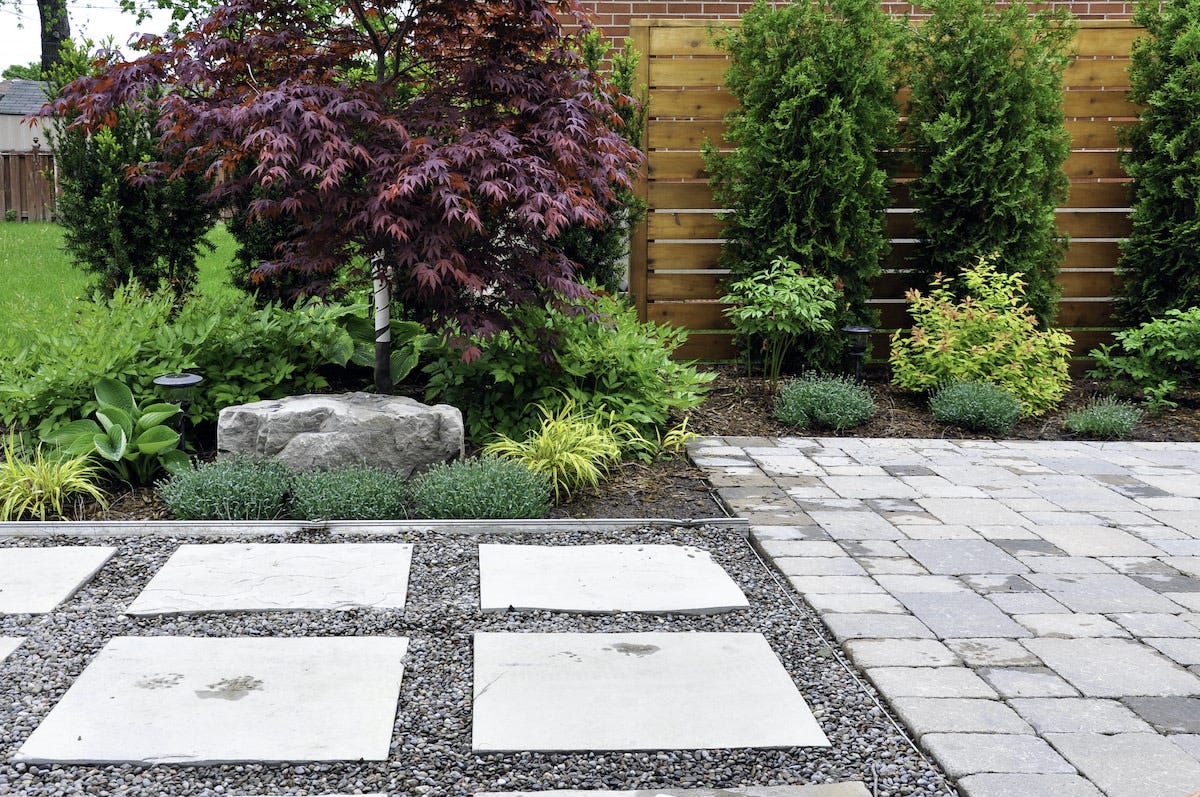
Hardscapes — the man-made stuff — can influence light, soil moisture, elevation, and wind.
A solid wall, for instance, pushes wind straight up, over, and straight down creating a very windy area on the leeward base of the wall. On the other hand, a fence that allows air to penetrate through it, or a hedge or tree that is not very dense, slows down and disperses the wind and is therefore more effective at retaining the heat generated within the garden without creating wind tunnel effects. Of course, ironically, hedges and trees are also considerably less effective at retaining heat than the solid walled structures.
East-west-running walls and fences reflect more sunlight towards their south sides, keeping them warmer, while creating shadier regions on their north sides, keeping that area cooler. Similarly, but to a lesser extent, north-south running walls and fences create warmer regions on their west sides and cooler regions to their east.
The material the wall is made of, and/or painted with, also can moderate or enhance the amount of sunlight and heat that is reflected back into the garden. Brick, block, wood, and concrete walls, too, absorb soil moisture.
“Walled gardens” are a time-honored garden entity of temperate climates, notably in Europe. The shelter provided by the enclosing walls can raise the temperature within a garden by several degrees. Most such walls are constructed from stone or brick, which, as mentioned, absorb and retain solar heat and then slowly release it, raising the temperature against the wall.
The walled garden is protected from harsh winds, as well. Some walled gardens in Britain have one hollow wall with openings in the stonework on the side facing towards the garden, so that fires could be lit inside the wall to provide additional heat; heat would escape into the garden through these openings, and the smoke from the fires would be directed upwards through chimneys or flues.
Snow fences (or open natural windbreaks) are a particularly altering and helpful hard element in colder gardens. They are put in place to trap snow that, in turn, boosts spring moisture.
The flooring of a landscape, too, influences the ambient temperature of the whole. White and pale-colored floorings, whether concrete, crushed gravel or painted decking, reflect light and consequently raise the daytime temperature. Black and dark-colored floorings, such as asphalt and dark pea gravel, absorb heat during the day and release the heat at night into the air and into the adjacent soil.
Relatively small water features such as backyard pools and ponds can create a garden microclimate that is cooler during the day and warmer at night than the rest of the garden. Even single large rocks, great passive solar radiators, impact a microclimate.
.
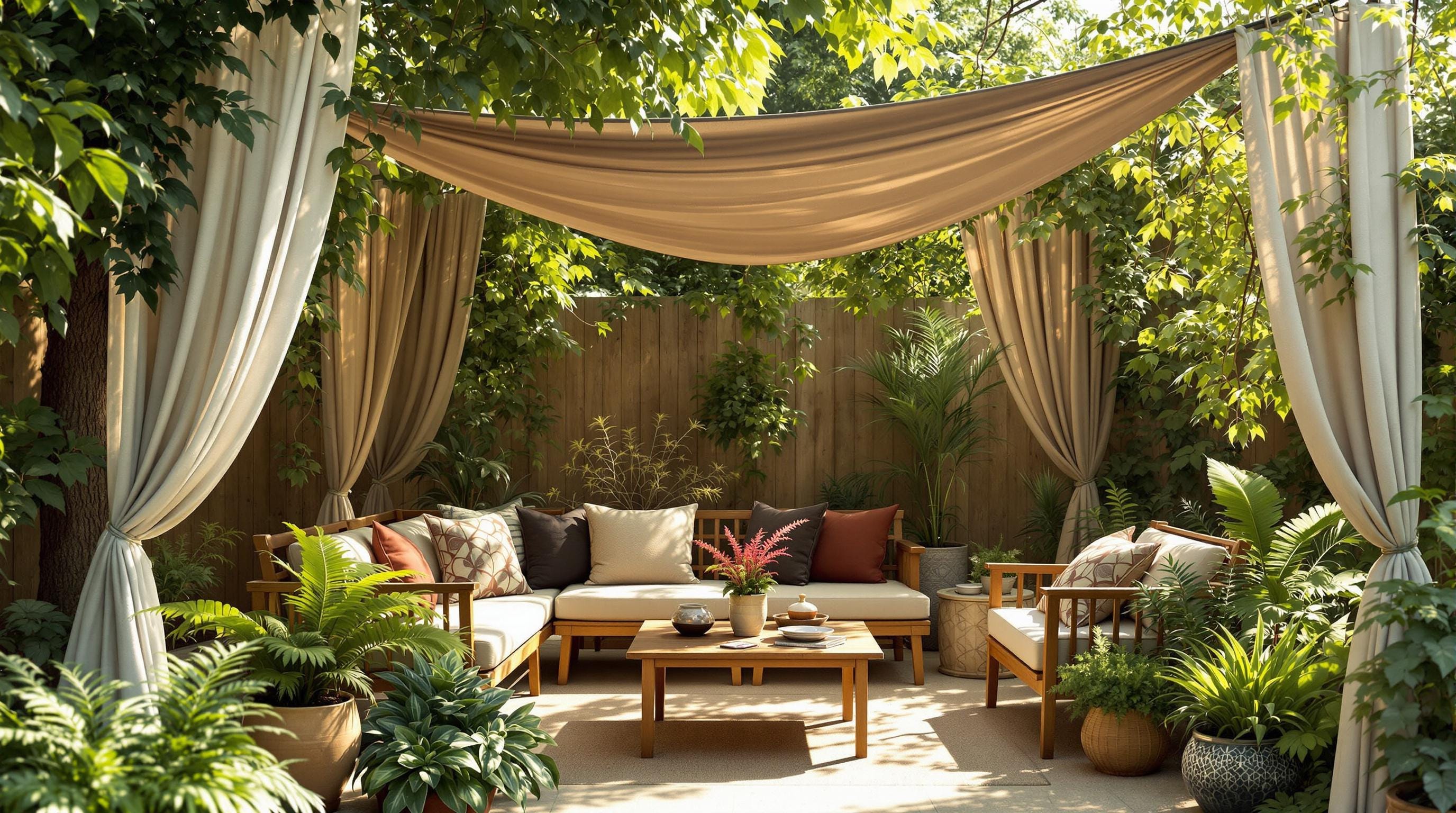
By acknowledging and working with well-defined microclimates, gardeners can extend their growing seasons, provide protection to selected areas to reduce frost damage and wind stress, reduce wind, and/or provide strategic shading to help retain soil moisture. At the least, understanding these effects allows the gardener to divide their garden into proper growing zones for most efficient management and maintenance.
What about the “flex,” the increased plant palette? Can a gardener grow species that might not thrive in their general climate? What degree of microclimate impact or manipulation does it take for a gardener to use plants that grow in one USDA zone warmer (or colder!)? The answer lies in knowing one’s microclimates well, first and foremost, and then applying a combination of alterations, if required. Working with the microclimate is, of course, the easier way.
.
.
© Copyright Joe Seals, 2026
No posts
Comments
Nothing yet. Say the first thing.
Sign in to join the conversation.