
Part 7 (of 7) – Into the 21st Century; modern introductions to the American table
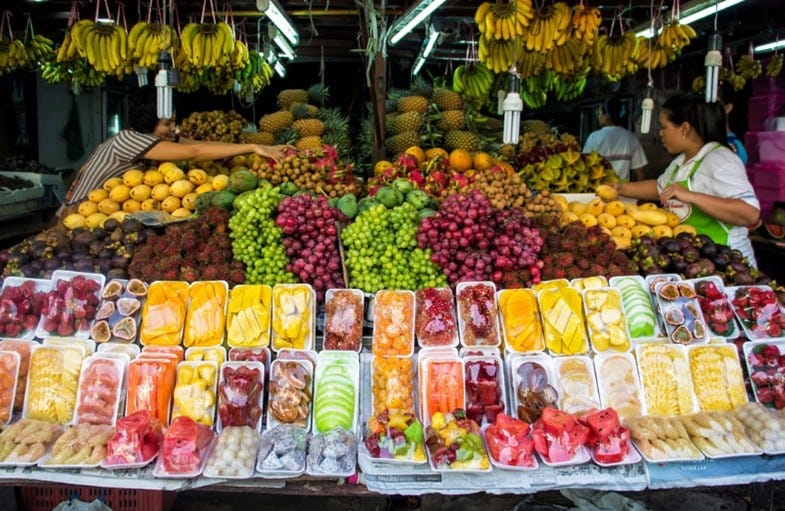
Remember David Fairchild? In 1941, The Country Gentleman magazine published an interview with Fairchild. Fairchild would say, “There are scores of tropical and subtropical fruits just as good, even better than fruits we know; but we humans are in too much of a diet rut to create a market for them. After all, the body’s first consciousness is of taste; and so, as children, we acquire food prejudices. Even if they won’t eat strange fruits, I wish people would be as curious about plants and other living things as they are about themselves.”
That gives us something to think about. It turns out that of the roughly 380,000 known plant species, about 30,000 are estimated to be edible, and yet we humans cultivate only about 170 plant species on a commercially significant level, and of those fewer than 20 species now provide 90 percent of our food.. Worst of all, just three (corn, wheat, and rice) provide about 60 percent of plant calories and plant protein eaten by humans.
To be fair, not all plants that are considered “edible” from a black-and-white technical aspect are “edible” from a practical standpoint. Some plants are difficult to grow, harvest, or process. Some just don’t produce enough for the space they take up. Most commonly, some plants, although they will fit into your mouth and make it out the other end without killing you, just don’t have the flavor (any flavor) to make it worth your while (I’m not talking about personal likes and dislikes).
With all those reasons accounted for, nevertheless, there’s still a few thousand plants that should be in the farm-to-table pipeline. As with almost every vegetable that made it to modern times, the potential candidates could be taken, if need be, through the whole improvement process (selection, hybridization, etc.) to better fit as a commercially viable, scalable crop. It’s been done before including those times where it didn’t work for one agricultural system but became a huge industry for another. Of course, maybe we need to rethink our whole agricultural system to better fit the new crops.
In many cases, a new food plant didn’t meet the requirements of success due to a lack of proper marketing. This just may be the biggest challenge for those who know everything there is to know about growing plants but nothing about promoting them. But that’s another story.
This final article in the series essentially covers four core general topics: the rise and expansion of plant hybridization, the further increase in processing our food plants, the shrinking numbers of introduction of new food plants, and the growing trend in the reintroduction of plants of the past. The timeline I’ve presented also adds considerably to that “20 [that] provide 90 percent of our food” but still doesn’t provide a good representation of what’s out there. I suppose that could be another multi-part series. But naw, I’ll do something like that in a smaller way.
This last part of my 7-part series on food plant history is very like the last six parts as it fittingly presents the newest stuff of the given era. Even this newest stuff, I confess, doesn’t much flesh out the palette that needs to be fleshed out. What it does do, though, is underscore the fact that we humans don’t much like change; that we humans require a “handle,” something to grab onto that is familiar. We are happy with new corn, new tomatoes, new potatoes, new berries that look like blackberries and raspberries, But holy smokes, especially when it comes to what we eat, we abhor change.
.
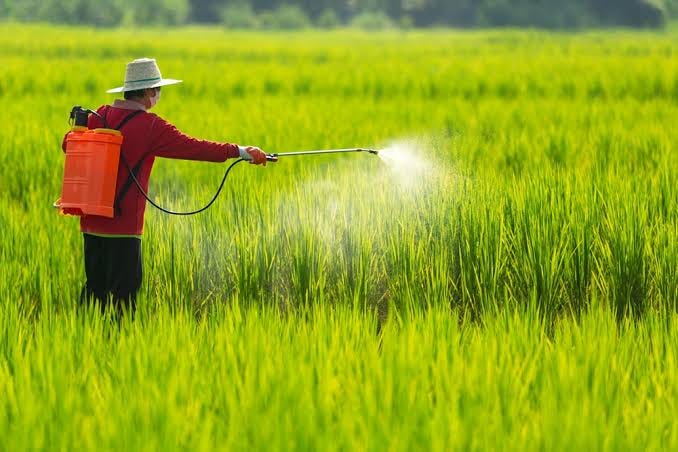
1943 – 1970s — The further development of (F1) (first-generation) hybrid seeds and several agricultural innovations of the “Green Revolution” were to revolutionize global food production. Scientists would fundamentally transform modern agriculture.
.
1945 — The W. Atlee Burpee Co. introduces the ‘Burbee Hybrid’ F1 cucumber. It would become the very first widely successful F1 hybrid vegetables sold to the public.
.
1949 — W. Atlee Burpee Co. introduces the F1 disease-resistant ‘Big Boy’ tomato.
.
1950s — Guar Gum (from guar beans, Cyamopsis tetragonoloba) first commercially produced, becoming popular for various applications, including being used to thicken and bind food products. Probably domesticated from C. senegalensis in Africa and then grown for centuries in India and Pakistan. Introduced to the United States in 1903 as a cover crop for grazing and green manure.
1991 — Because of its high fiber content, it was used in large quantities to enhance weight-loss products, particularly Cal-Ban 3000; it would swell up to give a “full” feeling. Unfortunately, it caused serious problems, including obstruction of the esophagus and small bowel and, in some cases, even death. These dangerous side effects ultimately led the FDA to ban the use of guar gum in weight loss products
.
1960s — Xanthan gum (produced by Xanthomonas campestris, a bacteria, while fermenting sugars). Discovered by Allene Rosalind Jeanes and her research team at the USDA. Produced then and now by CP Kelco under the trade name Kelzan. Xanthan gum is “generally recognized as safe” (GRAS) by the FDA for use in foods under specified conditions and good manufacturing practices. But…
2026 — If you’re concerned about your gut biome, very recent research at the Federal University of São Paulo, Brazil recently examined what happened when laboratory rats consumed xanthan gum over a period of 10 weeks. Their findings showed that regular exposure caused inflammation in the colon, weakened the gut’s protective barrier, and changed the balance of bacteria living in the intestine. No immediate warning other than take a hard look at long-term ingestion.
.
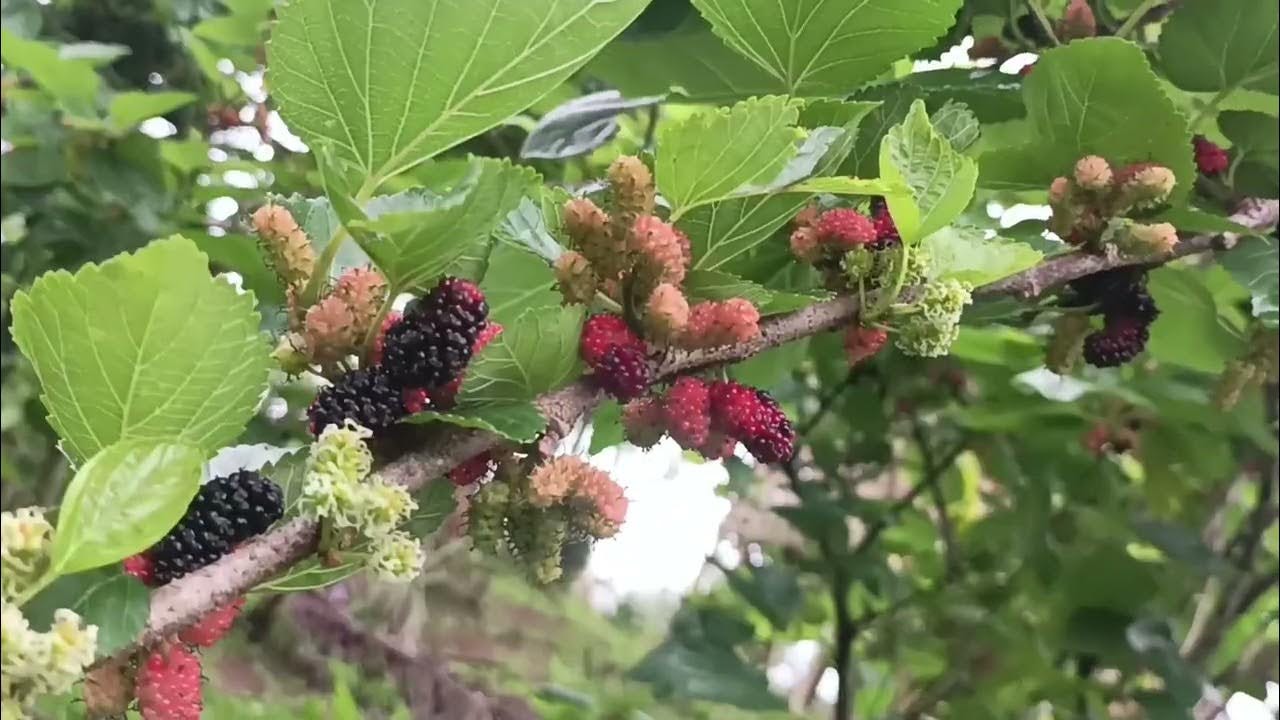
1830s to 2020 — Mulberry (Morus hybrids). Primarily natural crosses between the North American native Morus rubra and the Asian Morus alba. A third species, the Black Mulberry (Morus nigra) is generally unable to hybridize with other species due to a vastly different chromosome count. A serious potential drawback: extensive hybridization with the Asian Morus alba threatens the genetic viability of the native North American Red Mulberry.
In order of “discovery” date:
‘Hicks Everbearing’ — 1830s. Developed in Columbia, South Carolina by viticulturist Nicholas Herbemont.
‘Illinois Everbearing’. 1947. Discovered by Peter Glaser along the Wabash River in Illinois; a natural cross between M. rubra and M. alba. Commercialized in 1958.
‘Silk Hope’. 1980s. A naturally occurring hybrid discovered in North Carolina.
‘Orlinda’ >1990. Tennessee selection.
‘Stearns’ >2000. Discovered in New Jersey.
‘Shangri-La’ ca. 2005. “Developed” in Naples, Florida.
‘Northrop’ 2008. Introduced by St. Lawrence Nursery. The original mother tree, however, dates all the way back to the 1850s when it was planted on the historic Northrop farm near Potsdam.
‘Grovers Best’ ca. 2019. from Mississippi recognized.
‘Geradi [Dwarf]’ (‘Girardi’) Mid- to Late 2000s. Introduced to cultivation by Gerardi Nursery in O’Fallon, Illinois.
‘Highlands Red’ (renamed from ‘Varaha’) >2020. Introduced by Peaceful Heritage Nursery in Kentucky.
Mulberry Background: 1733 — General James Oglethorpe brought 500 white (Asian) mulberry trees to the then colony of Georgia. At the time, it was about “silk” (special caterpillars would eat the leaves and spin their silky cocoons). “Mulberry mania” would sweep the nation and millions of white mulberries were planted. When the silk boom collapsed, these white mulberries naturalized, aggressively hybridizing with the endangered native red mulberry.
General Oglethorpe would also introduce grapes, olives, apples, pears, peaches, plums, figs, oranges, pomegranates, indigo, hemp, flax, and seeds of the tea plant (Camellia sinensis).
Non-hybrid Mulberries:
1986 — Mulberry ‘Pakistan’ (Morus macroura; Long mulberry, Himalayan mulberry) introduced to the U.S.
1774 — Black Mulberry (Morus nigra) was first sold in the U.S. But there’s no evidence it caught on.
Odd fact: Research of genetic diversity of over 250 old black mulberry trees in their hypothesized native area of Turkey, Iran and Azerbaijan has found no genetic diversity. This suggests that all existing black mulberry trees in the area and also elsewhere in the world are clones. This might be the result of propagation exclusively by vegetative means.
But seed-grown variations would be produced much later…
‘Black Beauty’ >1980s
‘Superberry’ 2006
‘Bacchus Noir’ Mid-2000s.
Early 2000s — ‘Dwarf Everbearing’. (often sold as Morus nigra but actually a Morus alba).
.
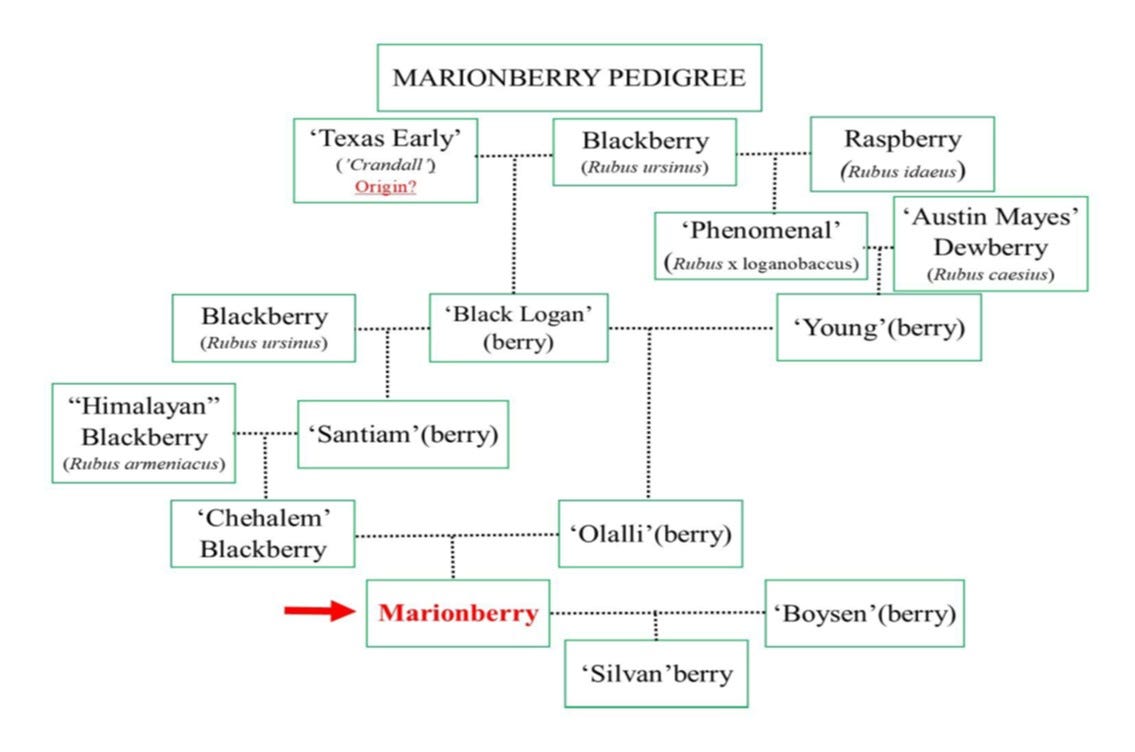
1956 —Marionberry (Rubus, complex hybrid). Developed by the USDA Agricultural Research Service at Oregon State University in Corvallis, Oregon. Bred by George F. Waldo, as a mix between the small, flavorful ‘Chehalem’ berry and the larger, better-producing ‘Olallie’ berry. It was tested in Marion County and elsewhere in the Willamette Valley.
.
1957 — Corn (Zea mays var. indentata). High Fructose Corn Syrup is produced. The enzyme glucose isomerase is used to rearrange the composition of glucose in corn syrup to turn it into fructose.
1964 — Commercial production begins.
1975 – 1985 — Introduced into many processed foods, including and especially soft drinks, in the U.S.
Today, the amount of corn grown in the US for the purpose of making HFCS is about 3 to 5 percent of total corn production. Other corn goals:
35 to 40 percent is used for animal feed
35 to 40 percent for fuel ethanol
10 to 20 percent for “international exports”
So, with 3 to 5 percent going to high-fructose corn syrup, that leaves:
The many other types/“varieties” of corn (Zea mays) today.
Flour corn: Zea mays var. amylacea (for making fine cornmeal, cornstarch [“cornflour” in the UK]; and actual corn flour)
Waxy corn: Zea mays var. ceratina (used in traditional Asian culinary dishes, as a food thickener, in industrial adhesives, and for manufacturing bioethanol)
Popcorn: Zea mays var. everta (used for, well, popping)
Dent corn: Zea mays var. indentata (this is the type used for flour, animal feed, and some ethanol production)
Flint corn: Zea mays var. indurata (used for flour, sometimes for animal feed)
Striped maize: Zea mays var. japonica (used in the ornamental garden for its colorfully striped leaves)
Amylomaize: Zea mays var. mays (high starch; used for industrial applications, dietary supplements, and specialized manufacturing)
Sweet corn: Zea mays convar. saccharata var. rugosa (for eating)
Pod corn: Zea mays var. tunicata (used for scientific research, drying for ornamental displays, and within traditional cultural practices and rituals in parts of Mexico)
Plus dozens of others kept alive in isolated growing areas outside of the U.S.
.
2000s — American persimmon (Diospyros virginiana).
2016 – 2020s — The Savanna Institute begins their Tree Crop Improvement Program to actively breed and select American persimmons for improved cold hardiness as part of its broader work to develop resilient, climate-adapted agroforestry species.
Other modern cultivars of Diospyros virginiana (in order of introduction date):
‘Early Golden’ (1880s; selected from the wild)
‘Cemetary’ (pre-1900; a tree collected from the wild)
‘Briggs’ (mid-20th Century; a wild-selected tree discovered in Bloomington, Indiana)
‘Brittain’s Blue’ (mid-20th century; by Leon Pounds of Nolin River Nursery in Kentucky)
‘Meader’ (Late 60s into early 70s)
“Claypool” series (late 1970s to early 1980s)
‘Elmo’ (aka Claypool A-118; part of the Claypool series)
‘Campbell NC‑10’ and ‘Campbell NC‑21’ (aka ‘Supersweet’) (1976 – 1990s; discovered and introduced by R. Douglas Campbell, in the Niagara region of Ontario, Canada)
‘John Rick’ (1980)
‘Killen’ (1980s; originated and collected in Felton, Delaware)
‘Dollywood’ (1980s – 1990s)
‘Bald Eagle’ (early 2000s)
‘Burlington’ (early 2000s)
‘Bradley Street’ (ca. 2000+; discovered and first introduced by persimmon enthusiast Eric Bina)
‘Cascade’ (2007, discovered; 2015, patented by nurserymen R. Jackson and C. Jackson of Belvidere, Tennessee. A weeping tree)
‘Catawba Treasure’ (ca. 2010, first propagated from a wild tree and shared)
‘Buck Kandy’, Butterscotch Candy (2012; both introduced by Cliff England of England’s Orchard & Nursery)
‘Prok’ (ca. 2021; introduced by horticulturist John Gordon of Amherst, New York)
One interesting cultivar: ‘Buck Bait’ was bred and selected specifically for wildlife and deer attraction; introduced by Rock Bridge Trees in Tennessee.
.
1959 — Persimmon hybrids (Diospyros kaki X D. virginiana). Interspecific hybrids, crosses between American and Asian persimmons are being explored to introduce desirable size, taste, and fertility from D. kaki while retaining hardiness and native American characteristics.
Background: 1851 — Diospyros kaki were introduced into the United States discovered the fruit growing on the coast of Southern Japan
1959 — The earliest hybrid is ‘Rosseyanka’ (aka ‘Russian Beauty’), bred by A.K. Pasenkov at Nikita Botanical Gardens in Russia. Developed for its incredible cold hardiness (to about -13°F). ‘Rosseyanka’ became the foundation for many later hybrids.
1975 — Ukrainian breeders V. Derevyanko and A. Kazas developed ‘Nikita’s Gift’ (‘Rosseyanka’ X open pollinated)..
ca. 2000 — Derevyanko also develops ‘Derevyanko’ (aka ‘Bozhy Dar’, meaning “God’s Gift”).
2006 — ‘JT-02’ (‘Mikkusu’). First bred in Japan using an advanced laboratory technique called embryo rescue. Imported into the United States in 2006 by persimmon breeder Jerry Lehman.
2014 — ‘Pamyati Chernyaeva’ (“Chernyaev’s Memory”) bred by V. Derevyanko and A. Kazas, is introduced to the public.
2025 — ‘Kasandra’ ([Great Wall × Rosseyanka] × D. virginiana). Bred by David Lavergne in Louisiana. It has become the new standard in hybrid persimmons.
.
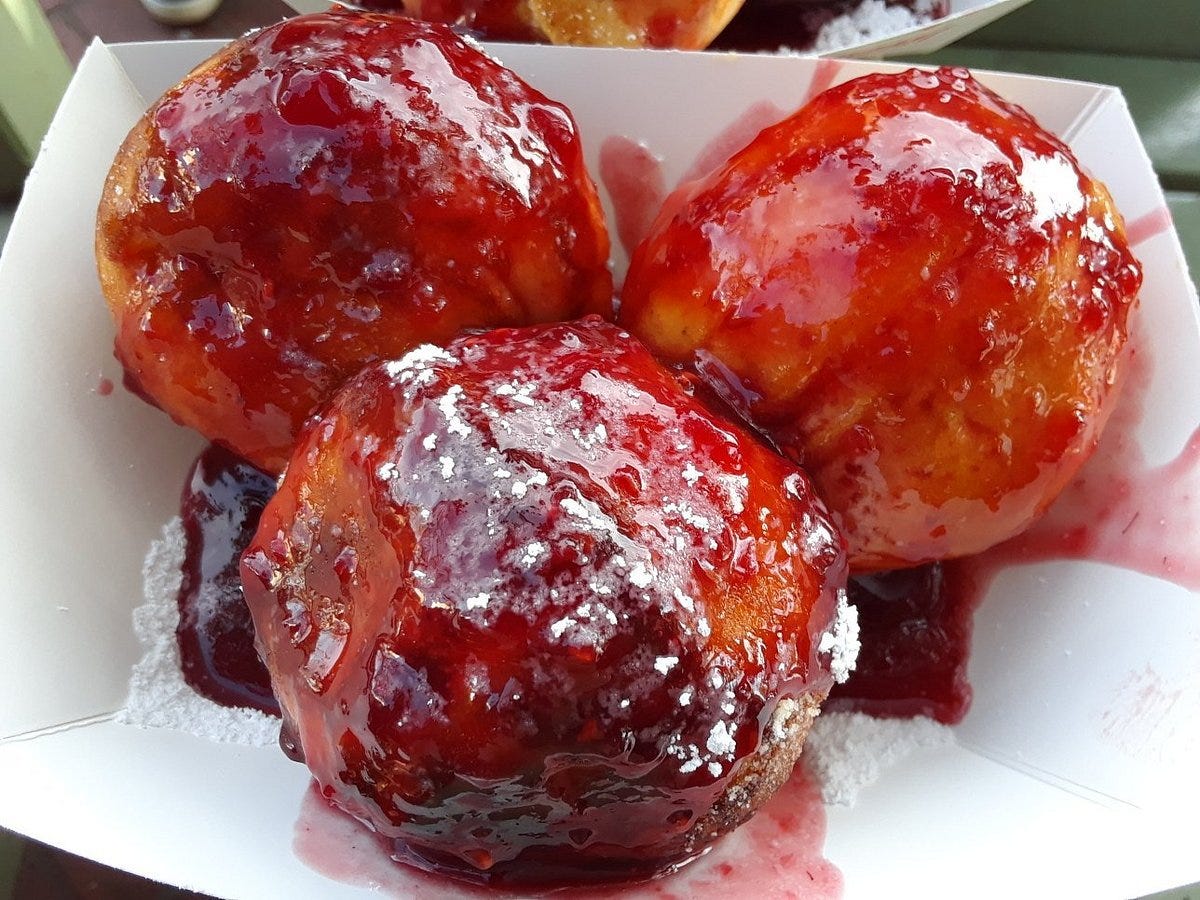
1960s – 1990s — Lingonberries (Vaccinium vitis-idaea). The Netherlands begins actual commercial cultivation in the ’60s.
1990 — Introduced into cultivation in Wisconsin.
1999-ish — Grown in the Pacific Northwest. PNW growers now produce about one quarter of all commercial lingonberries in the world. Breeding programs are still in their infancy.
.
1960s — Jostaberries (Ribes x nidigrolaria). The ORUS (Oregon + United States) Program at OSU generates a dozen cultivars beginning in the 1960s, some of which are still available (in order of introduction):
‘Orus 8’
‘RedJosta’
‘Orus 10’
.
1960s — Semi-dwarf wheat and rice — Developed by scientists including Norman Borlaug, these were hybridized for short, strong stalks that could support heavy grain heads without toppling over. These would become the cornerstone plants of the Green Revolution.
.
1960s — Dragon Fruit or pitaya (Selenicereus undatus, and other Selenicereus species). First documented use in the U.S., when it was first introduced to American markets and culinary contexts.
1995 —Vietnam became the first country to export it to the global market and with more consistent commercial availability (read: a drop in pricing), it would see a resurgence in popularity.
Background: Late 1800s — Indigenous to Latin America and was transported to Southeast Asia by the French.
.
1960s — Chewing gum. U.S. companies make chewing gum with synthetic rubber. Mexico still has thousands of acres of chicle (Manilkara chicle).
Sometime in the 2020s A dwarf variety of Manilkara zapota (commonly grown for its fruit, the sapote, but it does produce chicle as well) called ‘Pot’ is developed specifically for container growing.
.
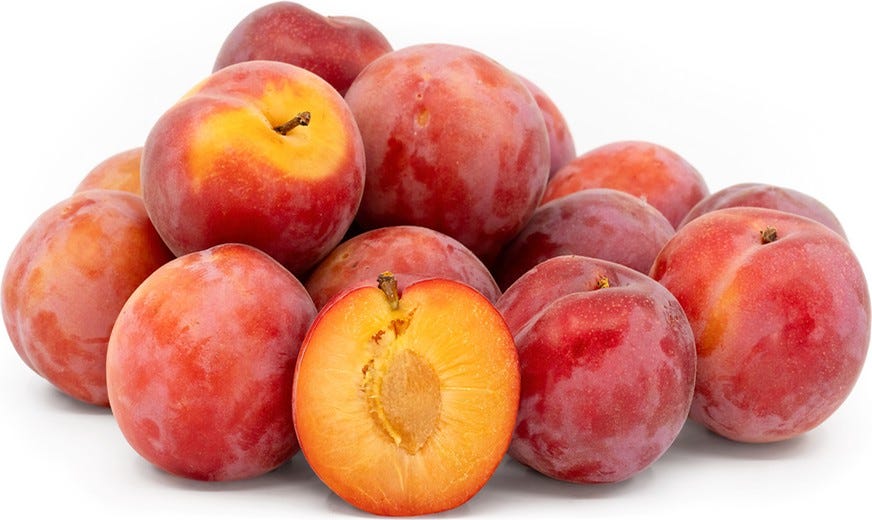
1961 – 1980s — Prunus hybrids. Floyd Zaiger would produce hundreds of interspecific Prunus hybrids in California.
Background: Natural plumcots (also called apriplums) have been known for hundreds of years from regions of the world that grow both plums and apricots from seed. The name “plumcot” was first coined by Luther Burbank. But none of Burbank’s interspecific hybrids would catch on. Floyd Zaiger as his team at Zaiger Genetics Inc. in Modesto, California, would change that. His list includes these several types, most types with several cultivars within them:
Pluot = (Apricot [Prunus armeniaca] X Japanese plum [Prunus salicina]) X Japanese plum, again. Developed in the 1970s – 80s.
Aprium = (Apricot [Prunus armeniaca] X Japanese plum [Prunus salicina]) X Apricot, again. They’re ~75% apricot, 25% plum. Developed in the late 20th Century.
Color-cot = Primarily Apricot (P. armeniaca) X Japanese plum (P. salicina). A color improvement over the Aprium. Introduced late 1990s to early 2000s.
Nectaplum = Nectarine (Prunus persica var. nucipersica) X Japanese plum (Prunus salicina). Bred in 1996, Introduced in 2003.
Peacotum = Peach (Prunus persica) X Apricot (Prunus armeniaca) X Japanese plum (Prunus salicina); a guess — the actual crossing entities are not disclosed. Patented in 2007, introduced in the early 2000s.
Cherry-plum* = Myroblan plum (Prunus cerasifera) X Japanese plum (Prunus salicina).
* Although called “Cherry-plum,”, there is no actual cherry in the genetic background; the myrobalan plum does, however, have a second common name: “cherry plum” but it is not a cherry. This cross is better known as “Russian Plum” or “Siberian Plum” (Prunus x rossica) having been developed for some time in Russia with current breeding still going on to develop hardier “Japanese Plums.” ‘Sprite’ (Bred in the 1970s and introduced to the commercial market around 1983.) and ‘Delight’ (Bred alongside the Sprite and introduced in the mid-to-late 1980s) are the sole American cultivars of this hybrid “Cherry plum.”.
Pluerry** = Sweet cherry (Prunus avium) X Japanese plum (Prunus salicina).
** This is a true “Plum-cherry” hybrid. Cultivars include ‘Flavor Punch’, ‘Sugar Twist’, and ‘Sweet Treat’.
The term “pluerry” occasionally refers loosely to the early-1900s Western sand cherry (Prunus pumila var. besseyi) X Japanese plum (Prunus salicina) crosses done by Dr. Niels Ebbesen Hansen. These, too, were often called “Cherry Plums;” confusing, yes?. The modern Zaiger pluerry is another hybrid cross, altogether.
Zaiger would also create low-chill cherries (cultivars adapted for cultivation in warmer regions). ‘Minnie Royal’ and ‘Royal Lee’ were introduced in the early 2000s while ‘Royal Crimson’ was added in 2016. And a self-fertile almond, ‘Independence’ almond in 2010.
As of 2020, Zaiger Genetics has patented 446 plant varieties.
.
1964 — Nutella (a hazelnut cocoa spread) is made by Ferrero in Italy. More chocolate — plus hazelnuts!
.
1970s — Jicama (Pachyrhizus erosus) is first grown commercially in the United States, with the earliest documented large-scale production occurring in California and Texas. It wouldn’t become popular outside the Latino community until the late 80s and early 90s. It becomes the new “water chestnut” and platter appetizer.
Background: The jicama originated in Mexico and Central America, where it was first cultivated, and has been found at archaeological sites in Peru dating to 3,000 BCE. In the 17th Century CE, the Spanish would introduce jicama to various parts of Asia.
.
1973 — Rapeseed (Brassica napus ssp. napus); one particular group of cultivars (probably hybrids of B. napus X B. rapa) = “canola.” Canadian agricultural scientists launched a marketing campaign to promote canola consumption. Canola was originally a trademark but is now a generic term in North America for edible rapeseed oil. “Can” from Canada and “ola” from oil (sort of).
.
1975 — The F1 hybrid ‘Early Girl’ tomato is named and debuted in the U.S. through Burpee Seeds.
.
1970s – 1980s — Romaine Lettuce Hybrids, often developed by such seed companies as Harris Moran and PetoSeed, transformed the lettuce industry and made bagged salads possible.
.
1980 — ‘Yukon Gold’ potatoes released to the market. Developed in the 1960s by Gary Johnston in Ontario, Canada, by cross-breeding a white potato called ‘Norgleam’ with a wild yellow-fleshed potato from South America. They were the first Canadian-bred potato variety to be marketed with its name.
.
Early 1980s — Cilantro (Coriandrum sativum) becomes popular in the U.S. This Mediterranean Basin native. Coriander may have been cultivated in Greece since at least the Second Millennium BCE. It was introduced to Mexico in the 1500s during the Spanish colonization. From Mexico, it found its way into the southwestern U.S. many years ago but didn’t really find popularity for some years thereafter.
.
1980 – >2000 — Chia (seeds) (Salvia hispanica). First popularized in the 1980s with the promotion of clay figurines that would grow hair. When “superfoods” became a thing in the late 1980s, chia seeds was among them. By 2000, chia seeds could be found in health food stores and supermarkets around the world. Production increased, with Mexico, Argentina and Australia becoming the main producers.
2011 – 2012 — New patented varieties of chia are developed at the University of Kentucky for growing in northern latitudes of the U.S.
.
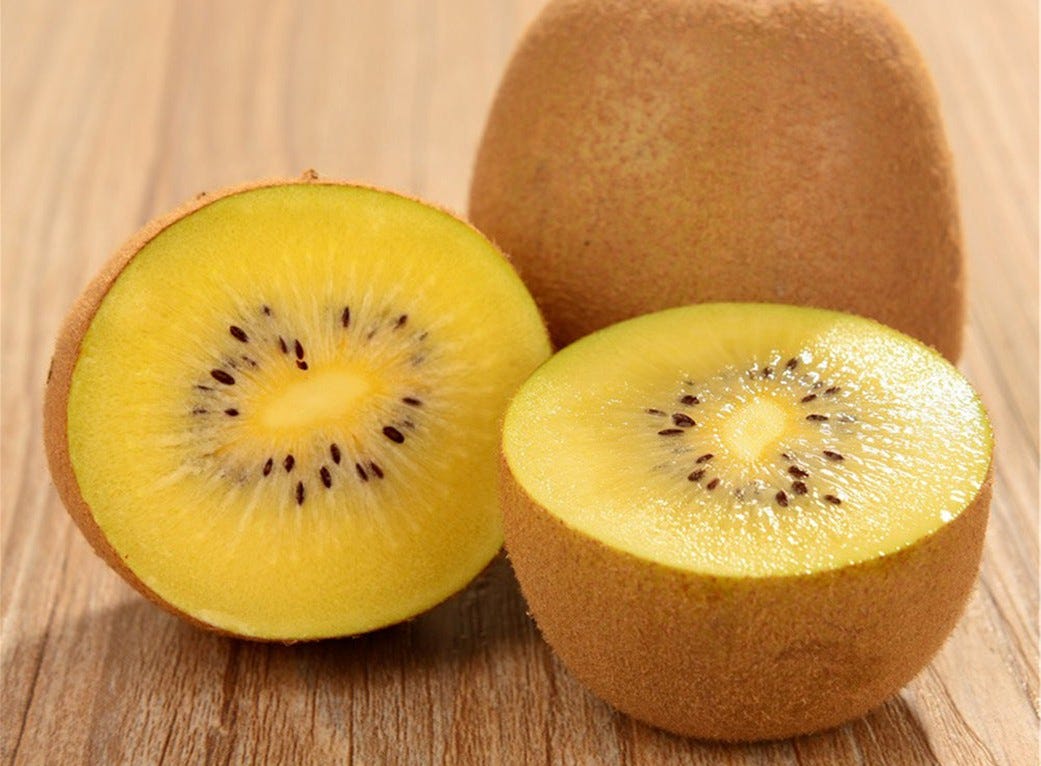
1980s — Kiwi fruit (Actinidia hybrids). China began shifting its focus from simply foraging for wild kiwifruit to highly systematic, scientific breeding programs.
1984 – 1985 — Yellow-fleshed ‘Jinyan’ (meaning “Golden Banquet”) is developed and becomes the first widely cultivated interspecific hybrid in China. It’s a cross of a naturally large-fruited selection of A. eriantha and a A. chinensis.
2010 — ‘Jinyan’ is introduced to the Chinese market.
2012 — It reached global markets through an exclusive international commercialization and patenting agreement with the Italian company Jingold.
.
1980s into 1990s — Marker Assisted Selection (MSA) is developed and refined. Unlike traditional breeding, which relies on observable characteristics that take time, sometimes considerable time, and can be influenced by environmental factors, MAS targets the genetic basis of traits, allowing breeders to identify superior genotypes early in development and accelerate breeding cycles.
Instead of waiting years to see if a new hybrid apple, for instance, is what the breeder hopes it will be, MSA can look at a 1-month-old seedling and tell what those characteristics will (should) be. It’s the detected DNA markers that point to desirable traits more efficiently and quickly than traditional phenotype-based methods (phenotype being the set of observable characteristics of an individual resulting from the interaction of its genotype with the environment).
The term “marker-assisted selection” was formally introduced in the 1990s by Russell Lande (theoretical biologist and bioinformatician) and Robin Thompson (geneticist and research scientist). They would define it as “selection based on markers representing quantitative trait loci.”
.
1986 — Senposai (an F1 hybrid created by crossing komatsuna ([Brassica rapa var. perviridis; aka Japanese mustard spinach] with common heading cabbage [Brassica oleracea var. capitata f. alba]) is introduced by Tokita Seed of Japan. It was launched in the U.S. in the late 1990s and early 2000s.
.
1989 — The hazelnut (Corylus avellana) is declared Oregon’s official State Nut.
1980s – 1990s — Various agencies throughout the world begin major independent breeding programs with hazelnuts. In Europe and Asia, breeders are crossing Corylus avellana, C. colurna, C. heterophylla, and C. maxima.
In the U.S., large-nutted European hazelnut hybrid cultivars (Corylus avellana X C. colurna) are crossed with the native beaked hazelnut (Corylus cornuta var. californica) and the eastern native American hazelnut (Corylus americana); both of the latter providing better disease resistance, poor soil tolerance, and hardiness. New cultivars have been introduced 2017 – 2025 (by year):
‘Aldara’, ‘Andrew’, ‘Marion’, ‘Frank’, ‘Dermis’ (2017/2018)
‘The Beast’ (2017/2018)
‘Grand Traverse’ (2017/2018)
‘Northern Blais’ (2018 – 2021)
‘Raritan’, ‘Monmouth’, ‘Somerset’, ‘Hunterdon’ (2021)
‘Thompson’ (2024)
‘Lagerstedt’ (2025)
2019 — Willamette Valley’s commercial hazelnuts make up 99 percent of hazelnuts produced in the United States. The remaining 1 percent is produced in Washington. Give or take.
In 2023, the U.S. was third in the world in hazelnut production with 85,000 tons. Italy was just ahead of that with 103,000 tons (they need to make all that Nutella). Türkiye leads the world in production of hazelnuts at an astonishing 650,000 tons in 2023.
[By the way, I live just up the street from OSU and I’m surrounded by dozens of huge hazelnut orchards, each within just a few minutes of me. Good thing I love hazelnuts.]
.
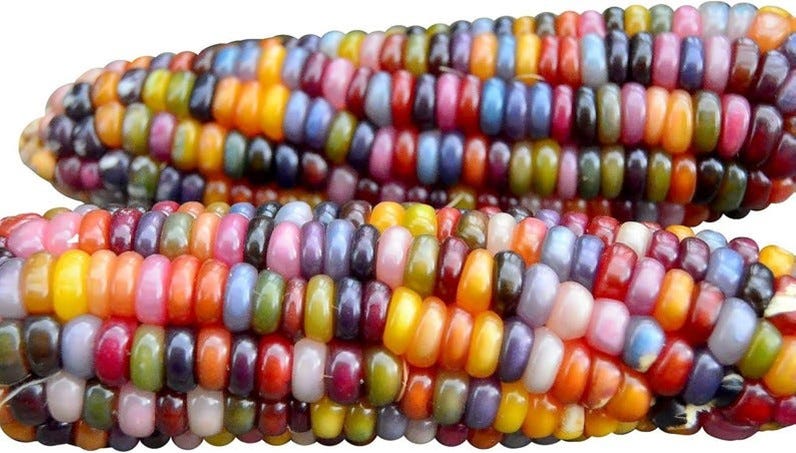
1980s to 2012 — ‘Glass Gem’ Corn. Created in the 1980s by Carl Leon Barnes when he cross bred a mixture of Pawnee miniature popcorn, Osage Red Flour corn, and Osage Grayhorse corn. This created a small-eared corn with jewel-toned, translucent kernels.
1995 — Barnes gave Greg Schoen a handful of seeds of the Glass Gem corn.
2005 — Schoen and his friend Jose Lucero began growing the corn among larger Pueblo and Spanish flour corns. This interbreeding gave the smaller rainbow corn deeper color and new robustness. Schoen began calling the rainbow corn “Glass Gem.”
2008 — Schoen gave seeds to growers in India, Israel, Kenya, Mexico, and the U.S. He also gave seed to Bill McDorman, former executive director of Native Seeds/SEARCH. McDorman used this corn in educational programs, which sparked interest in this corn.
2012 — A photo of Glass Gem went viral. Native Seeds/SEARCH is now conserving and making Glass Gem publicly available.
2025 — Pretty much every major retail seed company offers Glass Gem corn.
.
1983 — The American Chestnut Association begins backcross breeding to introduce Chinese chestnut resistance to the chestnut blight fungus. Over the following decade, hybrid saplings are planted across Virginia, North Carolina, and Tennessee are already producing thousands of chestnuts. The goal being to add millions of the engineered trees.
Early 1990s — A collaborative team at the State University of New York College of Environmental Science and Forestry at Syracuse “edits” lab-grown tree embryos with a gene from wheat that helps fight the Chestnut Blight fungus.
A full recap of the background story:
1904 — Chestnut blight is identified in New York City. It sweeps through the eastern U.S., reducing the keystone canopy tree to a functionally extinct level by 1950.
1909 – 1930 — The USDA and the Brooklyn Botanic Garden initiate early breeding programs, crossing American chestnuts with blight-resistant Asian species (Chinese and Japanese Chestnuts).
1950s – 1970s — Mutational breeding is explored. The Brookhaven National Laboratory exposes seeds to radiation in the hope of inducing a resistance mutation, resulting in over 10,000 trial trees.
1970s — The American Chestnut Cooperators’ Foundation (ACCF) identifies surviving American chestnuts, breeding among native specimens rather than using Asian genes.
1981 — Dr. Charles Burnham proposes a formalized backcrossing strategy to combine the blight resistance of Chinese chestnuts with the tall, straight timber traits of American chestnuts.
1983 — The American Chestnut Foundation (TACF) is founded to implement Burnham’s backcrossing hypothesis.
1989 — The New York Chapter of TACF in cooperation with SUNY College of Environmental Science and Forestry (ESF) begin exploring genetic engineering to introduce blight tolerance.
2006 — The first transgenic* American chestnuts — modified with an oxalate oxidase (OxO) gene from wheat to help the tree neutralize the fungus — are planted in field trials.
[* transgenic is when a genome is artificially modified by inserting DNA from another species, giving it new traits not achievable through natural breeding. It’s the basis of GMO/GE.]
2020s — TACF pivots heavily toward recurrent genomic selection (RGS). DNA testing accelerates traditional back-breeding by quickly identifying which hybrid trees contain the highest percentage of American chestnut genetics and the strongest resistance markers.
.
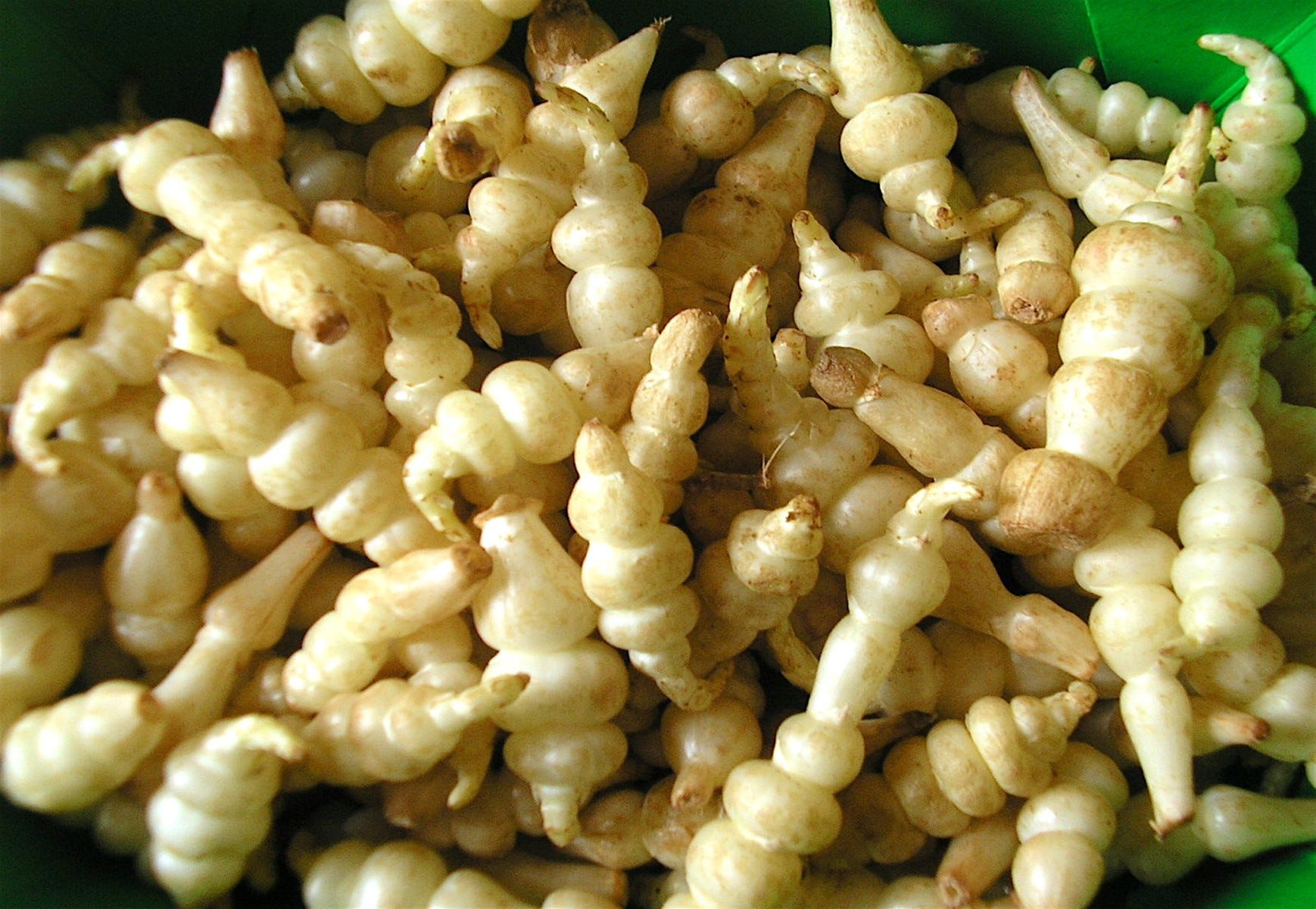
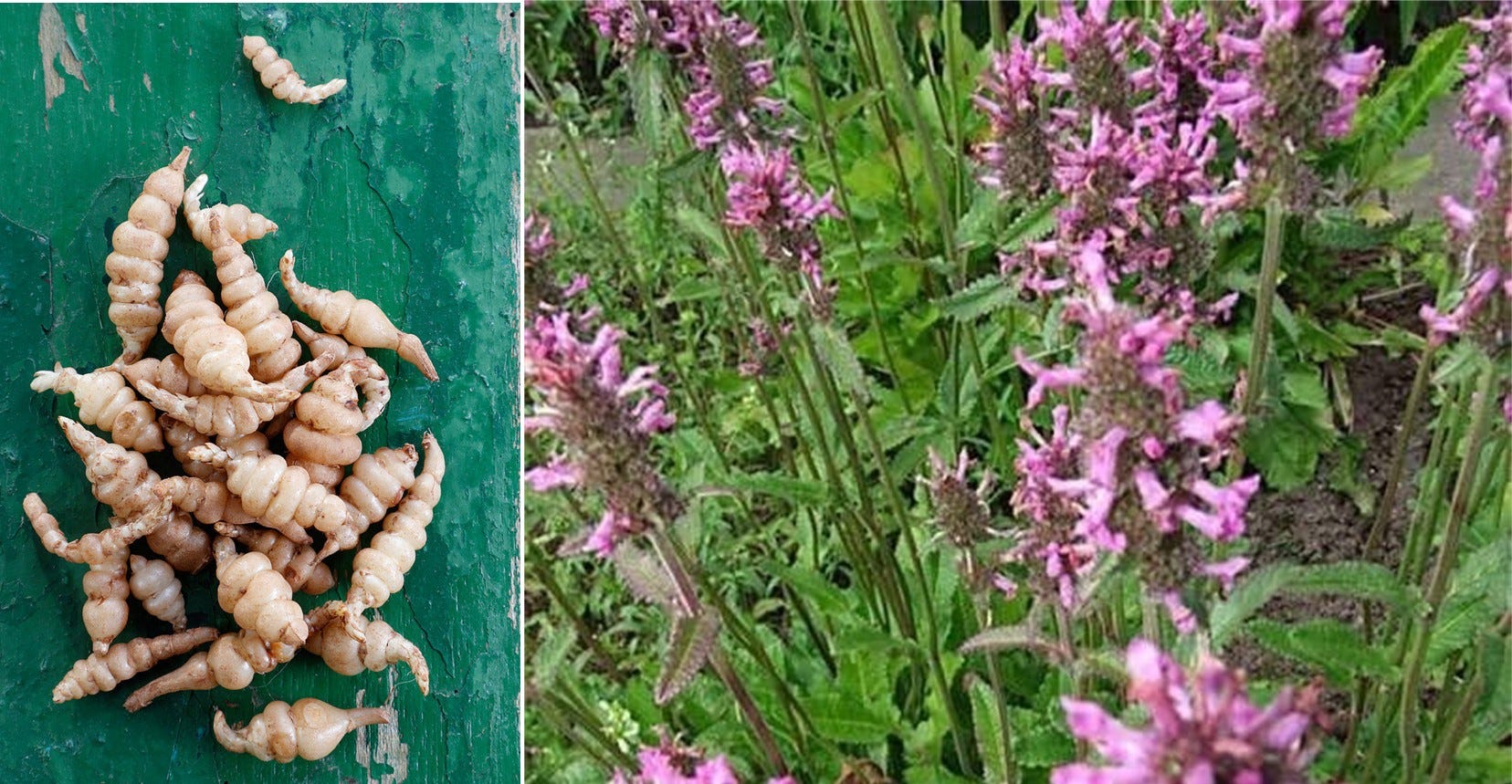
1990s — Crosnes (Stachys affinis) are introduced to the U.S., where they gain a following among chefs and specialty markets.
Background: >13th Century — Cultivated in its native China (also found in Mongolia). 1603 to 1867 CE (Edo Period) — Thought to have been planted in Japan.
1886 — Introduced into cultivation in Europe by Vilmorin-Andrieux et Cie, a French seed producer. Cultivation of crosnes quickly expanded across the continent.
.
1990s — Açaí (Euterpe oleracea) is marketed as one of the healthiest foods in the world and a cure for a great many ailments. This fruit from a tall, slender palm was eaten by the tribes of the Amazon Basin for thousands of years.
.
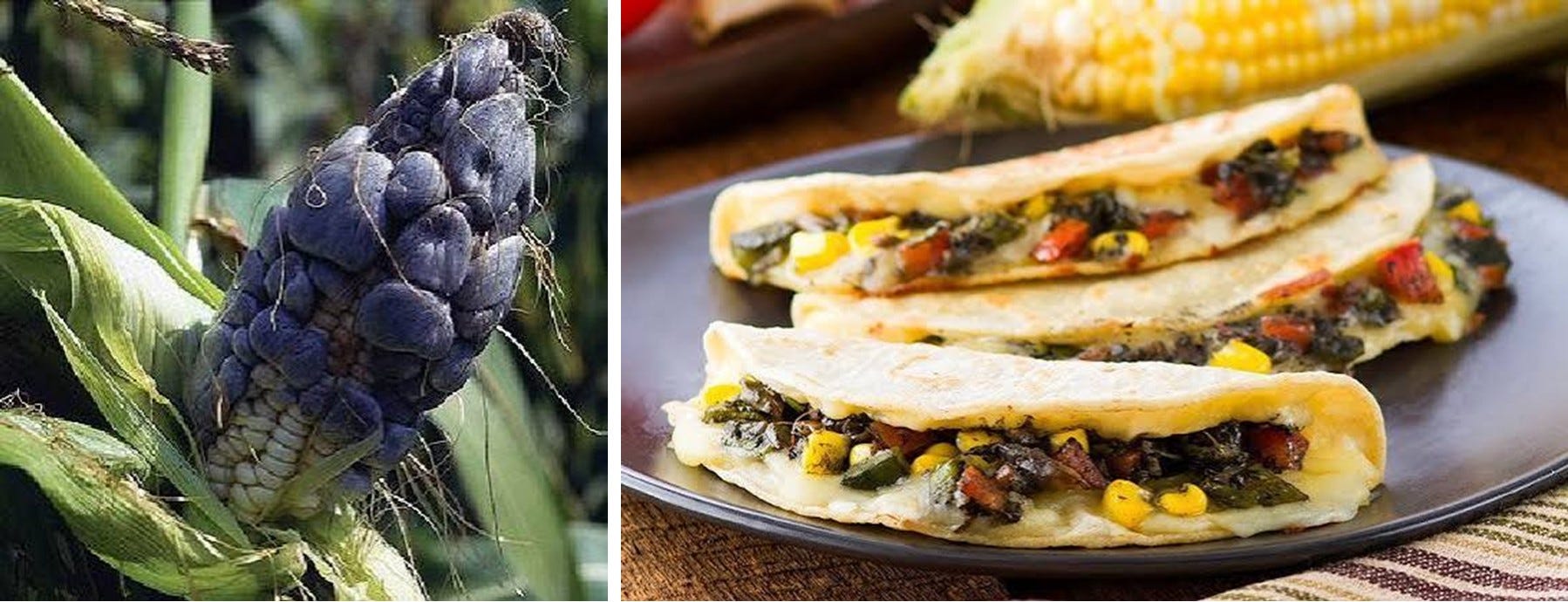
1990s — Huitlacoche, Mexican Truffle (Ustilago maydis) becomes another gourmet food in the U.S. Called “corn smut” (a disease) by U.S. corn farmers. One of the highest protein contents of any mushroom. More protein than corn itself, and it contains lysine, which corn does not. Used extensively in genetic research (it has led to the discovery of a method of DNA repair and how the breast cancer gene [BRCA2] functions).
It was a key part of the cuisine of the Aztec Empire (1340 – 1525 CE).
Late 1990s, early 2000s — Some U.S. farmers, particularly in regions with access to Mexican markets or chefs interested in huitlacoche, began to deliberately infect young corn cobs by wounding the plant and brushing or injecting spores.
Huitlacoche is currently priced at about 10X the price of corn on the cob.
.
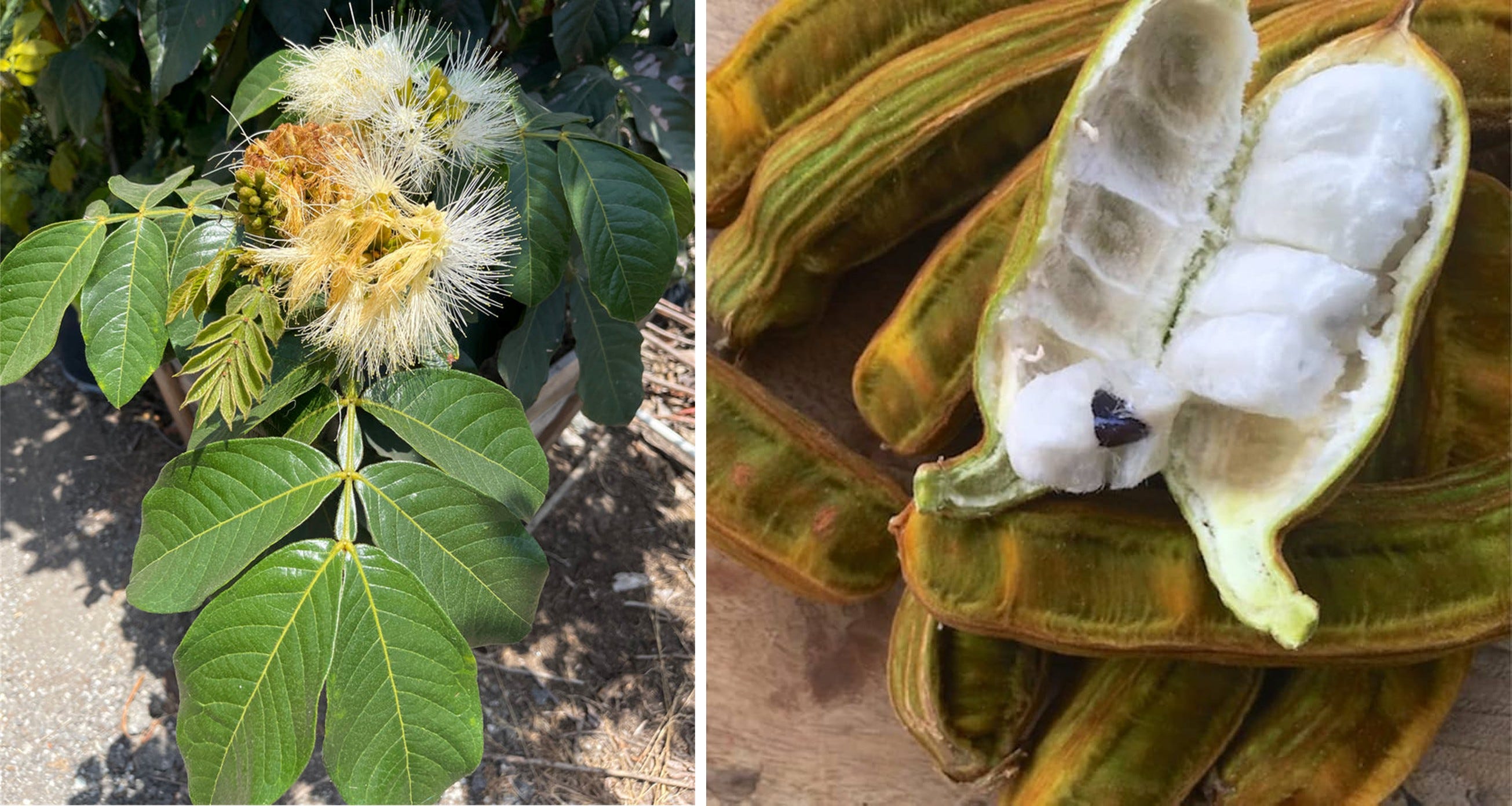
>1990s — Ice-cream bean (Inga edulis; aka paterna, whitey, padoo, cushín, joaquiniquil, cuaniquil, guama, or guaba) becomes a common plant in home gardens in the southern U.S.
Native to Central and South America and probably introduced into the U.S. by the USDA in the early to mid-1900s. It’s never been grown commercially. It is valued for its sweet edible pulp, highly nutritious seeds, and agroforestry benefits (fast growth, nitrogen fixing, shading for understory plants, and sometimes quick timber).
.
1990 — Pawpaw (Asimina triloba). Kentucky State University begins the world’s first (and only) full-time pawpaw research and breeding program.
KSU has maintained a Clonal Germplasm Repository for pawpaw since 1994, with over 2,000 trees from 17 states on 12 acres at the Harold R. Benson Research and Demonstration Farm. KSU serves as the USDA National Clonal Germplasm Repository (NCGR), or gene bank, for Asimina spp. as a satellite site of the NCGR repository at Corvallis, Oregon.
.
1991 — ‘Honeycrisp’ Apple is developed at the University of Minnesota. A cross between ‘Macoun’ and ‘Honeygold’, it would have a great impact on the commercial apple market.
Other notable 21st-century apple developments include (by introduction date):
2006 — ‘Kanzi’. Developed in Belgium at the end of the 20th Century by horticulturist Johan Nicolai in collaboration with KU Leuven University. Originally named ‘Nicoter’ before being trademarked by Greenstar Kanzi Europe NV (now Better3Fruits). A cross between ‘Gala’ and ‘Braeburn’.
2012 — ‘EverCrisp’. Developed by the Midwest Apple Improvement Association. A cross between ‘Honeycrisp’ and ‘Fuji’. Sweet, crunchy, naturally slow to brown.
ca. 2014 — ‘SnapDragon’. Released by Cornell University. A cross between ‘Honeycrisp’ and an advanced Cornell selection called “NY752.” Great crunch, sweet, spicy flavor, better storage life. Released in 2013, originally under the name ‘NY1’, but later marketed as SnapDragon.
2017 — ‘Rave’. Released to commercial growers by the University of Minnesota. A cross between ‘Honeycrisp’ and ‘MonArk’. Crispy, sweet-tart flavor, vibrant fuchsia-red skin, and earlier ripening season.
2019 — ‘Cosmic Crisp’. Bred at Washington State University. A cross between ‘Honeycrisp’ and ‘Enterprise’. Large size, juicy, perfect sweet-tart balance.
2023 — ‘Kudos’. Released by the University of Minnesota’s apple breeding program. A cross of ‘Honeycrisp’ and ‘Zestar!’. Crisp, juicy texture and a sweet, well balanced flavor, and outstanding hardiness.
2026 (to become available to commercial growers) — ‘Sunflare’. From Washington State University. A cross between ‘Honeycrisp’ and ‘Pink Lady’. Heat tolerant, tougher skin for storage.
.
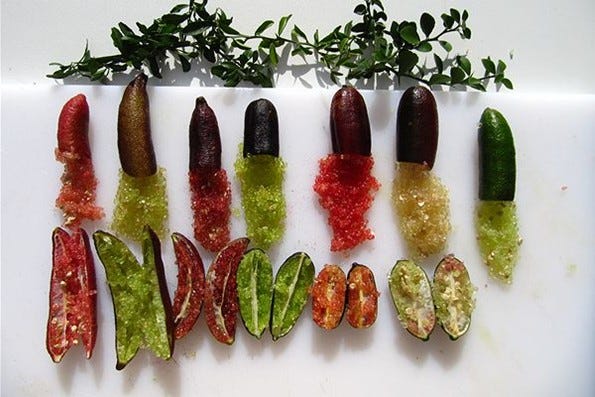
Late 1990s — Australian finger lime or caviar lime (Citrus australasica) becomes gourmet food in the U.S. Originally bush food of Australian aboriginals.
Background: 1988 — The earliest documented use of the Australian finger lime in a restaurant setting in Australia, when chef Jean‑Paul Bruneteau served it at the International Cooking Festival in Japan. The fruit had been known for more than a century as a native bush food. By the mid‑1990s, boutique marmalades and artisan preserves made from wild‑harvested finger limes appeared in specialty markets, and commercial cultivation began around 1990.
.
1990s and 2000s — Papaya gained widespread popularity in the U.S.
Background: From southern Mexico and Central America (may be a natural hybrid of two or more wild Carica species). Cultivated for over 500 years, with early use by indigenous peoples.
1910 — Botanist Dr. Garritt P. Wilder introduced the ‘Solo’ papaya, a yellow-fleshed variety that would become the dominant commercial type, to Hawaii.
On the U.S. mainland, papaya cultivation occurred on a small scale in southern and central Florida >1960s, but disease and pests limited production.
1998 — The USDA approved the ‘Rainbow’ papaya, a genetically engineered F1 hybrid resistant to PRSV (papaya ringspot virus), which would save the Hawaiian papaya industry that had been devastated by the virus in the early 90s.
.
2000s — Kangkong, Water Spinach, 空心菜 (Ipomoea aquatica), a popular Asian vegetable, becomes a popular American “superfood.”
Background: 1950s — First introduced into the U.S. Generally believed to be native to Southeast Asia and was first cultivated there. It’s now an invasive species in California and some southern states, where it is known as Swamp Morning Glory..
It’s closely related sister species, Ipomoea batatas, is commonly grown but few people know that it, too, has edible leaves (地瓜叶). It’s the sweet potato.
.
2011 — ‘Cotton Candy’™ grape (a complex Vitis vinifera X V. labrusca hybrid) is introduced. Its registered cultivar name is “IFG Seven.” Developed by horticulturist David Cain and his team at International Fruit Genetics (IFG) in Bakersfield, California.
.
1993 — Broccolini® (broccoli [Brassica oleracea var. botrytis] X gai lan [Brassica oleracea var. alboglabra, also known as Chinese broccoli, Chinese kale]). Developed by Sakata Seed Company in Japan. First called “Asparation” (to slyly imply the long tender stems something to do with asparagus).
2011 — Brokali is the result of the same hybrid cross between broccoli (Brassica oleracea var. italica) and Chinese kale (Brassica oleracea var. alboglabra) as is Broccolini. Unlike Broccolini, Brokali had two named cultivars (‘Apollo’ and ‘Atlantis’) initially with a third cultivar, ‘Tenderette’, introduced later.
2012 — Caulini (officially trademarked as “Caulilini” and also widely known as fioretto cauliflower or sprouting cauliflower). The original long-stemmed, open-headed variety was developed by the Tokita Seed Company in Japan after seven years of research and breeding and first released to commercial Asian markets. 2019. It was produced in the U.S. for the first time by Mann Packing Company in the Salinas Valley of California.
In the “Everything old is new again” category — this is identical to an ancient Chinese vegetable known as “song hua” (“loose-type cauliflower,” “stick-type cauliflower,” “green-stem cauliflower,” “loose cauliflower,” or “flowering cauliflower”).
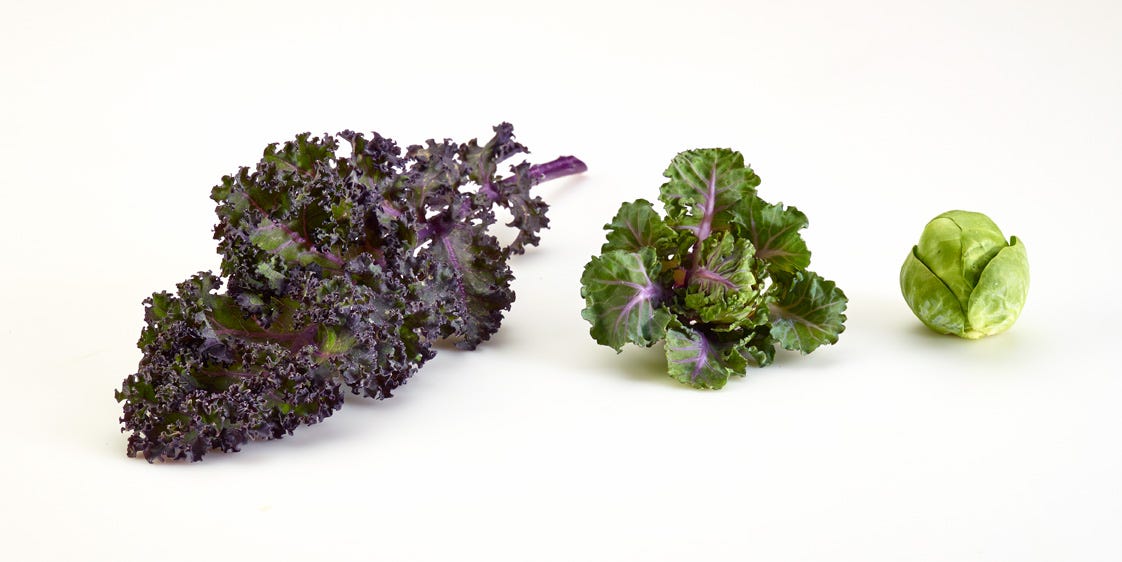
2014 — Kalettes (a hybrid of Brussel sprouts [Brassica oleracea Gemmifera Group] and kale [Brassica oleracea Acephala Group]; also called “brusselkale”) introduced into the U.S. Initially developed by British breeder Tozer Seeds (who first launched it in the UK as “Flower Sprouts” in 2010), this hybrid was renamed “Kalettes” specifically for American consumers to capitalize on the popularity of kale.
.
2002 — Pineberry (Fragaria x ananassa). Pineberry is not an oddball interspecific hybrid; it’s simply a strawberry cultivar that is white(ish) with red seeds and a flavor that MIGHT resemble pineapple. Pretty much the same genetic and historical background as the big red strawberries found in supermarkets.
.
2015 — The genome of the sweet potato (Ipomoea batatas) is assessed and the biggest surprise reveal is the presence of one or more Transfer DNA (T-DNA) sequences from Agrobacterium (a plant pathogen); evidently, it was an infection that occurred in the evolution of the cultivated sweet potato and came along with some beneficial traits that were selected during domestication. It’s apparently present in all cultivated sweet potato clones, but not in the crop’s closely related wild relatives.
.
2016 — Plant-based “meat” is introduced. Ingredients:
Water soy-protein concentrate
Coconut oil and/or sunflower oil
Natural flavors (?)
Potato protein
Methylcellulose
Yeast extract
Cultured dextrose
Food starch, modified
Salt
Soy-protein isolate
Various synthetic vitamins, minerals
Soy leghemoglobin (“heme”; produced by a genetically engineered yeast that harbors the DNA instructions from the soybean plant to manufacture this protein).
.
>2016 — Before the very contemporary plant-based “meats,” there was:
Tofu – 200 BCE, China*
Seitan (wheat gluten) – 500 CE, China
Tempeh (fermented soy) – 1,000 CE, Indonesia/Java
Falafel (fava beans or chickpeas) – 1000 CE, Egypt and/or Levant
Chopped almonds, grapes, bread (“mincemeat”) – Medieval Europe
Yuba (soybean curd skin) – >1600 CE, China, Japan, Korea
Nuts, grains, soy – 1877 CE, John Harvey Kellogg
TVP/TSP (texturized vegetable/soy protein) – 1960s, Archer Daniels Midland
Quorn (mycoprotein + egg albumen or potato) – 1985, Marlow Foods Ltd (a joint venture between Rank Hovis McDougall [RHM] and Imperial Chemical Industries [ICI] in Stokesley, North Yorkshire, England, UK
* 1916 — Frank N. Meyer, USDA agricultural explorer in China, first encounters fermented tofu in China. He sends samples back to Washington, DC. His first description reads: “Parcel No. 125c, contains first quality Chinese soybean cheese; please taste a little on the point of a knife; it is extremely appetizing.” In this future letters he also refers to it as “Chinese bean cheese,” or just “bean cheese.” He notes that there are several kinds of this soft cheese in China.
.
2018 — Perennial Rice (Oryza sativa X Oryza longistaminata) is introduced to growers in southern China. In the U.S., it is currently limited to controlled academic and experimental research.
.
2020 — Pinkglow™ pineapple (Ananas comosus), a pink-fleshed variety, developed and grown by Fresh Del Monte Produce, was released to consumers. It’s a bioengineered product created by suppressing the enzyme that naturally converts lycopene to beta-carotene.
2025 — Del Monte Foods Inc., which is owned by Singapore’s Del Monte Pacific, files for bankruptcy and sells off the three major pieces of their company. The buyers would be Fresh Del Monte Produce Inc. (the biggest piece and it keeps the name), B & G Broths, and Pacific Coast Producers.
.
2023 — ‘Finnberry’, a fall-fruiting hybrid raspberry developed at OSU. Less pests and diseases. Currently marketed through USDA for commercial production and trials in several countries including Egypt, Mexico, France, Japan, and New Zealand for a short time. A few selected U.S. retailers are selling small quantities to home gardeners.
.
Hanging onto “old-timey” seeds isn’t new. What’s new is the nationwide movement of orchardists, home gardeners, seed-savers, and even chefs who have united to resurrect the food plants that have been brought to the edge of “extinction” by modern agriculture’s monocultural leanings and the mass-market’s growing uniformity. They’re aligned to bring back nostalgic flavors, greater nutrition, and genetic diversity. Just a tiny few of the edibles that have been “restored:”
Ancient times (q.v.) — Einkorn, Spelt, and Emmer. Re-emerging in fields and bakeries. These grains are naturally lower in gluten and boast superior protein and micronutrient profiles.
Pre-Colonial — ‘Jimmy Red’ Corn. Historically, it’s been used for making hominy, grits, cornmeal, and probably best known as the base for moonshine. It nearly went extinct in the early 2000s until seed savers revived the entire modern crop from just two surviving ears in ca. 2010. Originally cultivated by Native American tribes in the Southeast, the corn ended up on the islands off Charleston, South Carolina.
Early 1700s — ‘Purple Straw’ Wheat. The only wheat cultivated continually in the South until the 1970s, when it was abandoned and replaced by more productive modern hybrids. In 2016, Clemson University harvested 145 pounds of this highly nutritious, low gluten wheat from less than half a pound.
1780s — ‘Carolina Gold’ Rice. Grown in the South Carolina Lowcountry by enslaved people; a staple of “Lowcountry Cuisine.” It dominated the British North American economy but nearly went extinct by the mid-20th Century. Seed stock was rediscovered in the 1980s at a USDA center on rice research in Texas, by Dr. Richard and Patricia Schulze, who were restoring rice ponds on their vacation property in Hardeeville, South Carolin. By 1988, they were producing about 10,000 pounds annually. It’s been re-popularized in South Carolina.
1800s — Apple, ‘Sierra Beauty’ (a hard cider apple) Originally discovered in the Sierra Nevada mountains in the late 1800s and was nearly lost until it was preserved by the Gowan family, who began cultivating it in 1906. It was again lost in time and only in the 1980s was it “rediscovered” and put into commercial production.
1816 — Kushaw (or Cushaw) Squash (Cucurbita argyrosperma). First cultivated in the U.S. by the (Abraham) Lincoln family. Would eventually have deep ties to the American South. Resistant to pests and summer heat, it features a sweet, rich flesh now widely used in artisanal Southern baking. Rediscovered in the 21st Century. The plant’s wild ancestors would come from southern Mexico and would reach the U.S. in precolonial America as far north as the Eastern Agricultural Complex (q.v.).
1820s — ‘Cocke’s Prolific White’ Dent Corn. John Hartwell Cocke, a brigadier general during the War of 1812, crossed a round-kernelled white flint corn with Virginia white gourdseed corn. Inexpensive commercial dent corn evaporated the market for Cocke’s Prolific during the 1900s. The Farmers (actual name) family in South Carolina kept the corn alive from 1945 on. Manning Farmer gave the seed to Clarence Gibbs in Landrum, South Carolina who would contact culinary historian and chair of the Ark of Taste Southern Region David S. Shields in 2017. Shields would “reintroduce” the variety to a host of seed-savers who, in turn, would propagate it.
>1840 — Apple ‘Junaluska’. Rediscovered in 2001 by Tom Brown in North Carolina. Brown is an American apple hunter and orchardist, focusing on discovering heirloom/heritage apple cultivars in North Carolina and throughout Appalachia. ‘Junaluska’ was used extensively for cider in the past. One legend says it was stabilized by Cherokee Indians in the Smoky Mountains and named after its greatest patron, an early-19th Century chief.
Brown’s first discovery was the ‘Yellow Potts’ apple found in very western North Carolina; in 1999. Since then, Brown has found some 1200 “lost” apple cultivars.
Note: In 1905, commercial orchards in the U.S. grew about 14,000 different apple cultivars. By the late 1990s, commercial orchards grew fewer than 100 apple cultivars and just 11 of them accounted for 90 percent of grocery-store sales. Experts estimated 11,000 heirloom varieties had gone “extinct.”
Late 1800s — Tomato ‘Brandywine’. The poster child of the heirloom/heritage movement. Originated in Chester County, Pennsylvania and listed in the Burpee seed catalog as early as 1886. Or possibly farmer Johnson Stokes’ “Garden & Farm Manual” catalog around 1882. There is no definitive evidence supporting the idea that is has Amish origins.
1870s — ‘Turkey Red’ Wheat. Brought to Kansas by Mennonite immigrants, it became the mainstay of early American bread. It was revived in the late 20th and early 21st Centuries by artisanal bakers and sustainable grain farmers.
1880s — “Palmetto” Asparagus. Grown extensively around Charleston, South Carolina and once the foundation of the state’s booming “asparagus belt” in the early 1900s. It was one of the country’s top asparagus producers before California took over the market in the 1930s when it would become functionally “extinct” in commercial markets. It’s now being revived by regional food preservationists and local farms in South Carolina.
1915 — Pepper ‘Beaver Dam’. Sweet, zesty, and a little hot. The veggie originally came to the town of Beaver Dam, Wisconsin, two years before the outbreak of the First World War, when Joe Hussli left the Austro-Hungarian Empire carrying several seeds. While it was never commercially cultivated, the pepper was passed down through the Hussli family and others.
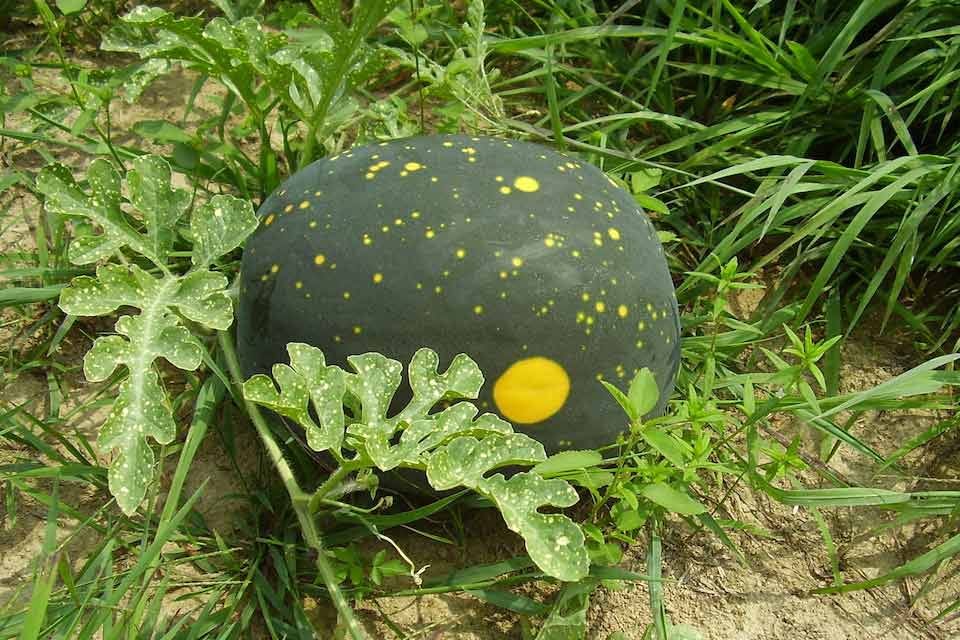
1926 — ‘Moon and Stars’ Watermelon was originally introduced as “Sun, Moon and Stars” when it was introduced by the Peter Henderson Seed Company. It vanished from commercial markets mid-century and was presumed extinct. This intensely sweet, yellow-spotted melon was revived in the 1980s by a Missouri farmer and now grows in heirloom gardens where they get 100 days of good summer heat.
.
I have bypassed pretty much all of the many hundreds of heirloom fruits and vegetables that have found their way back into home gardens and commercial production over the last many years, including the most familiar among them. What I did offer, as examples, are the fifteen items I’ve listed just above and the dozen or so others throughout the earlier parts of this chapter in the long history of plant foods.
There is one group of heirlooms and heritage plants that deserve just a bit more mention, though. Early on, there were several organizations formed to do the searching, the growing, and the reintroduction of the South’s food plants. A few of have already been described.
People such as Dr. Richard Shulze, Patricia Schulze, David S. Shields, Tom Brown, along with Dr. Robert Rhoades, professor of Anthropology, and Dr. Virginia Nazarea, director of the Ethnoecology and Biodiversity Laboratory in the Department of Anthropology at the University of Georgia (both would start up the Southern Seed Legacy in 1996 and, later, a small seed bank called Pass along Southern Seed), as well as hundreds of other, amateur and hobbyist seed savers together with chefs and bakers would all be part of a heritage food renaissance.
Here’s a Semi-Comprehensive List of the Almost-Lost Foods of the South, those currently being “revived” by the above-mentioned people and several other South-focused organizations. It includes some of the already-mentioned varieties/cultivars (alphabetical):
Apple, ‘Hoover’
Asparagus, “Palmetto”
Barley, ‘Six-Row Winter’
“Benne” (an original form of Sesame, for seed)
Butter Bean (Pea), “Black” (those called “pea” are small seeded)
Butter Bean (Pea), ‘Paul Wirth’
Butter Bean (Pea), ‘Speckled’
Butter Bean, ‘Carolina Colored’
Butter Bean, ‘Carolina Sieva’
Butter Bean, ‘Johnny’s Red’
Butter Bean, ‘Livingston’
Butter Bean, ‘Pink-eye’
Butter Bean, ‘Red-speckled’
Butter Bean, ‘White Pole’
Butter Bean, ‘White Sieva’
Butter Bean, ‘Willowleaf Colored’
Cabbage, ‘Charleston Wakefield’
Cherry, ‘Dyehouse’
Collard, ‘James’
Collard, ‘White Cabbage’
Corn, ‘Cocke’s Prolific’
Corn, ‘Jimmy Red’
Corn, ‘Sea Island Blue’
Corn, ‘Strawberry’
Corn, ‘Yellow Creole’
Crowder Pea, ‘Black’
Cushaw, ‘Green’
Field Pea, ‘Gullah Geechee’ (Sea Island Red) (Vigna unguiculata)
Flint Corn, ‘Guinea’
Flint Corn, ‘Sea Island White’
Garden Pea, ‘Early Frame’
Garden Pea, ‘Whippoorwill’
Grape, ‘Herbemont’
Grape, ‘Lenoir’
Mulberry, ‘Hicks Everbearing’ (Morus rubra x alba)
Oat, ‘Winter Gray Turf’
Oats, ‘Peel’ (the hulless or naked oat [Avena nuda]; aka “Peelcorn”)
Okra, “West African” (Abelmoschus caillei)
Peach, ‘Lemon Cling’
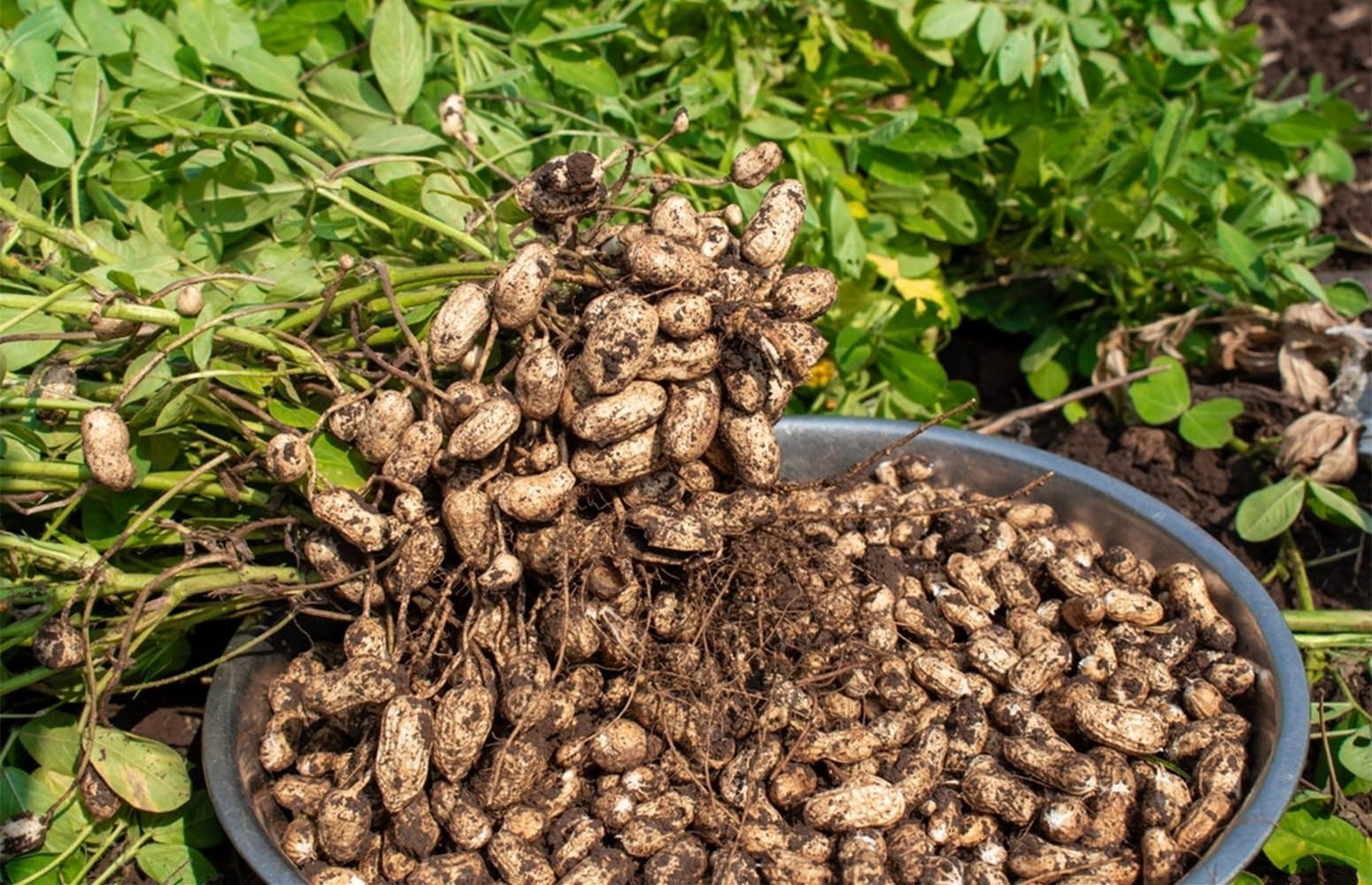
Peanut, Carolina African runner
Peas, “Rice” (Vigna unguiculata; also called Sea Island rice pea or African pea)
Pepper, “Datil” (Capsicum chinense; relative of the habanero and Scotch bonnet)
Pumpkin, ‘Dutch Fork’
Pumpkin, ‘Kentucky’
Pumpkin, ‘Seminole’
Pumpkin, ‘Tennessee Sweet Potato’
Rice, ‘Carolina Gold’
Rice, ‘Gopher’ (an Asian upland form)
Rice, ‘Red-Bearded’ (“Moruga Hill rice”)
Rye, ‘Seashore Black-Seed’
Sorghum, ‘White African’
Squash, ‘Candy Roaster’
Sugar Cane, ‘Purple Ribbon’
Sweet Potato, ‘Hayman’
Tomato, ‘Cherokee Purple’
Watermelon, ’Bradford ‘
Watermelon, ‘Odell’s White’
Wax Bean, ‘Cherokee Yellow’
Wheat, ‘Purple Straw’
Wheat, ‘Timilia’ Durum (aka “Tumminia;” originally from Sicily)
Wheat, ‘White May’
.
For years, heirloom/heritage fruits and vegetables have been resurrected and grown by home gardeners primarily for their taste, romance, and nostalgia. Commercial growers have learned that there’s more, and that more is genetic diversity. Within the genes of almost all of the heirlooms I have mentioned, there are important characteristics that need to be preserved and potentially added to modern hybrids. With our destruction of soils and the oncoming changes in our climate, two of those characteristics that will play a crucial role in the futures of agriculture and horticulture are adaptability to poor soils and drought tolerance.
.
.
About seventy years ago, the grand minds of the agricultural sciences would put their efforts into developing someone’s idea of perfect food production for a growing world. It would change agriculture and food plants as we knew them. It was the “Green Revolution.”
In the beginning, the Green Revolution would save millions from starvation. Ultimately, though, it would result in serious economic, social, and ecological consequences. The framework was, in the end, largely unsustainable and that lead to a deterioration of the environment on many fronts. It is now widely considered a failure.
On balance, the elements of this modernization of agriculture would create more problems than it solved. There was a greater use of water and synthetic fertilizers, more chemical runoff and general pollution, more expense to the farmer (the rich farmer got richer and the poor farmer was priced out), more widespread land consolidation hence more rural poverty, more food waste, less native and drought-resistant crop varieties which made food systems highly vulnerable to new pests and the changes in the climate, and, finally, less nutrient-dense crops which lead to a decline in dietary diversity and a subsequent decline in human health.
The whole idea of biodiversity very much applies to our food systems. From the home garden or the farm or the orchard, the idea is important for long-term sustainability, indeed, regeneration.
Our climate is, indeed, changing and we are facing a further snowballing collapse in the agricultural system because of it. We need to look at the edibles that will fit the new climate scheme. We can’t just go on figuring out new ways to water, new ways to shade our plants, or new ways to grow without soil. I’ve been looking at 20,000 years of food plants. Now those who grow edibles need to look at 20,000 (minus 20) other plants.
.
Thanks for sticking with me on this seven-part series. It’s been a long one.
.
“The more often people eat together, the happier they are.” ~~ University of Oxford study. Like we needed a study to tell us.
.
.
© Copyright Joe Seals, 2026
No posts
Comments
Nothing yet. Say the first thing.
Sign in to join the conversation.