
Before enlightenment, chop wood, carry water. After enlightenment, chop wood, carry water.
The tasks do not change. The relationship to them does.
The expression comes from Zen Buddhist tradition and describes the nature of mastery. A student asks a master what life was like before enlightenment. The master answers: chop wood, carry water. The student asks what life is like after enlightenment. The master gives the same answer. The point is not that nothing changes. The point is that the work itself was never the obstacle. The work is the practice. The work is the path.
It found its way into sports coaching through Joshua Medcalf’s Chop Wood Carry Water, a book that brought the concept into performance culture and gave a generation of coaches and athletes a framework for thinking about the daily work of improvement. It resonates because it describes something most experienced coaches already know to be true.
Applied to endurance sport, this idea is both simple and demanding. The training does not become glamorous or necessarily more sophisticated as you improve. The easy sessions are still easy. The early sessions are still early sessions. The base work is still base work. What has to change is how you relate to that work.
Most athletes are looking for the moment when the work changes
They expect that at some point the training will become something other than repetition. That there will be a phase where the fundamentals give way to something more sophisticated, more interesting, more worthy of the time being invested. This expectation is one of the most common reasons athletes rush through foundational development and reach for advanced protocols before they are ready.
The industry reinforces this. There is always a new device, a new methodology, a new protocol claiming to change what the work looks like. Athletes buy in because the idea that training can become something other than consistent, repetitive effort is an appealing one. It rarely proves true.
The athletes who reach the highest levels of endurance sport are almost always the ones who found a way to return to the same work, day after day, year after year, and do it well. Not because they had no other option. Because they understood that the work was the point.
Chop wood, carry water describes what consistency actually looks like in practice.
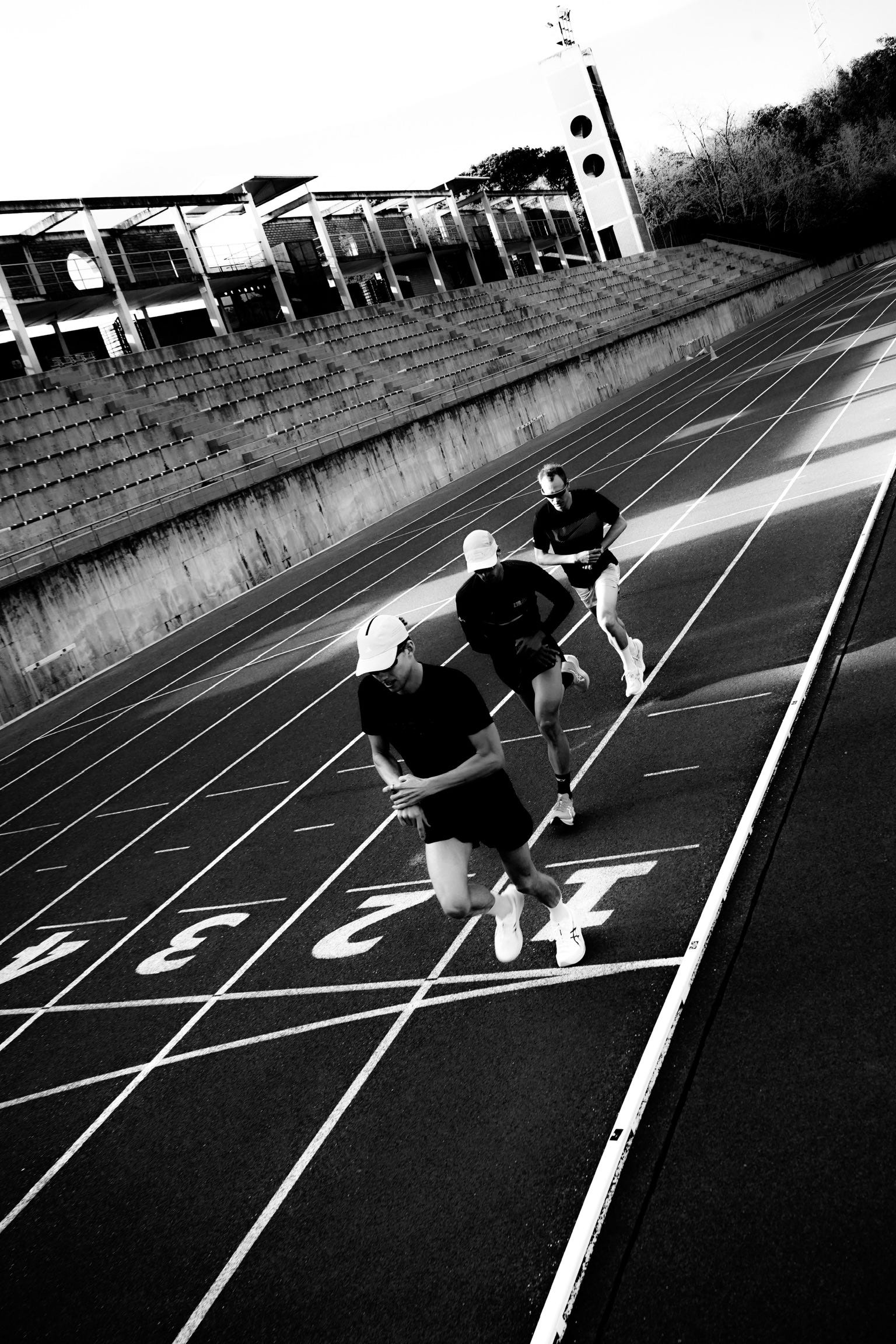
It is not dramatic. It does not look like progress from the outside. A random Tuesday session in February, weeks before any race, when nothing is at stake and no one is watching. That session is where development lives. Not the peak days. Not the heroic blocks. The Tuesday sessions, repeated and accumulated over years.
This is one of the hardest things to communicate to athletes. The metrics that matter most in endurance development, aerobic base, training capacity, long-term chronic load, are invisible in the short term. They compound quietly. The athlete who has been chopping wood and carrying water for three years does not look dramatically different from the one who has been chasing shortcuts. Until race day. Until the second season. Until the third year of consistent work starts to separate the two.
The philosophy also demands honesty about what the work actually is.
Chopping wood means doing what is in front of you, at the level you have actually built, based on the fitness and capacity you have today.
This is where a lot of athletes struggle. The gap between where they are and where they want to be is uncomfortable. Closing that gap feels urgent. The response is often to train harder, to push past what the current foundation can support, to perform above their actual level. That approach closes nothing. It widens the gap by compromising the consistent work that would actually build the base.
Carry water means showing up for the work that needs to be done, not the work that feels impressive. It means the easy sessions done easily. The recovery days taken seriously. The long aerobic work accumulated without ego. It means building the capacity for future training, not just performing in the present one.
The deeper point of the Zen expression is that mastery does not free you from the fundamentals
It deepens your relationship to delivering the basics consistently. The elite athlete still does the fundamentals. Still builds the aerobic foundation. Still manages load and recovery with discipline. The difference is how completely they have internalised why they do it.
Endurance sport is fundamentally simple. Swim, bike, run. Build the aerobic base. Be consistent. Recover well. Repeat. The sophistication is in how well and how consistently the simple things are done, over a long enough period of time to produce real adaptation.
That is chop wood, carry water. Not as a motivational concept. As a practical description of what the process actually looks like.
The athletes who understand this tend to stop waiting for the work to become something else
I have seen this in the coaches I respect most in the sport. My colleague Paulo Sousa has developed his own mental training manual for his athletes under this exact name, embodying the philosophy in how he prepares and guides them, and how he wants them to understand the process. The athletes who come through that kind of environment do not just perform well. They keep improving long after athletes trained on shortcuts have stopped.
They stop looking for the shortcut that makes the fundamentals unnecessary. They stop measuring progress by how sophisticated their training looks and start measuring it by how well they can absorb and recover from consistent load over time.
The work does not change. The relationship to it does. That shift, from tolerating the daily work to fully committing to the process, is what separates those who improve from those who plateau or regress.
Chop wood. Carry water. Believe in the process, and back it up daily.
Thanks for reading Real Coaching. This post is public so feel free to share it.
No posts
Comments
Nothing yet. Say the first thing.
Sign in to join the conversation.