
“Is it worth the money?” The most redundant question in wine. Unfortunately almost among the most commonly asked. A micro-case study into two wines shows how.
First up in Cloudy Bay’s “iconic” Te Koko, oak-aged Sauvignon Blanc.
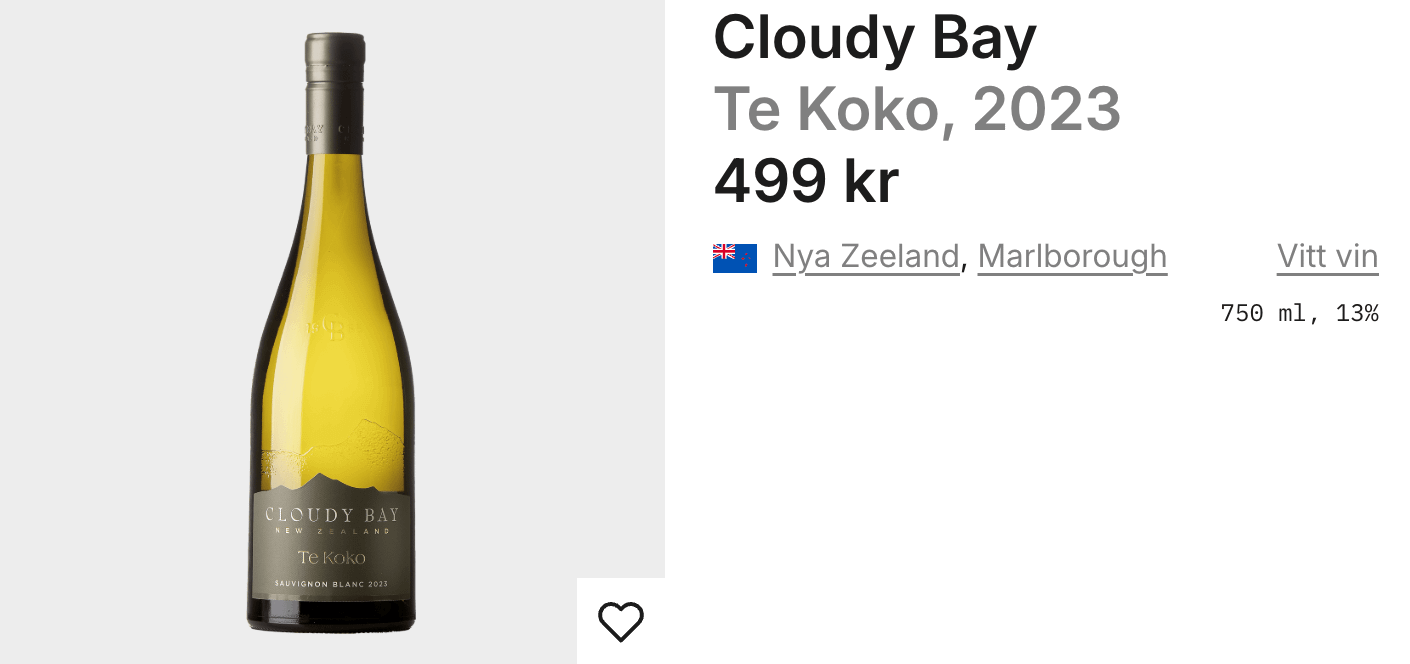
Newly released in Sweden this week, the price is roughly £38.00/$45.00. Is it worth is? Well, it’s had decent scores with Wine Advocate at 95 and Wine Spectator at 92. While James Suckling comes in at an uncharacteristically modest 91-93.
But what’s this?
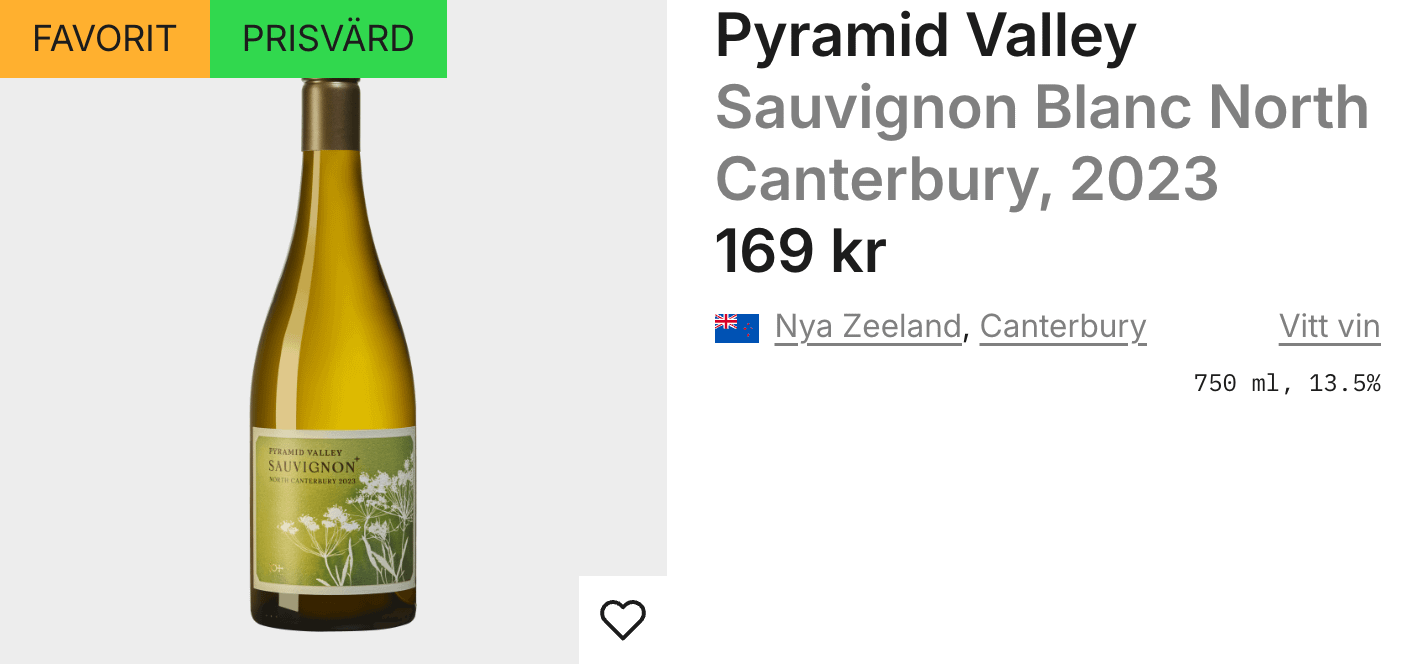
Pyramid Valley is about £13.00/$17.00. It’s a serious wine from a serious producer, and Biodynamic for those who celebrate. And it has a similar span of scores. The Real Review says 95, James Halliday 94, James Suckling 94, Wine Advocate 92, and Vinous 92.
Te Koko is almost three times as expensive for a similar span of scores. So what do we do now? Laugh at those saps who’ve been taken in by the “marketing” and spend far too much money on wine when they could be having three times the utils1-per-£/$/sek with a bottle of Pyramid Valley.
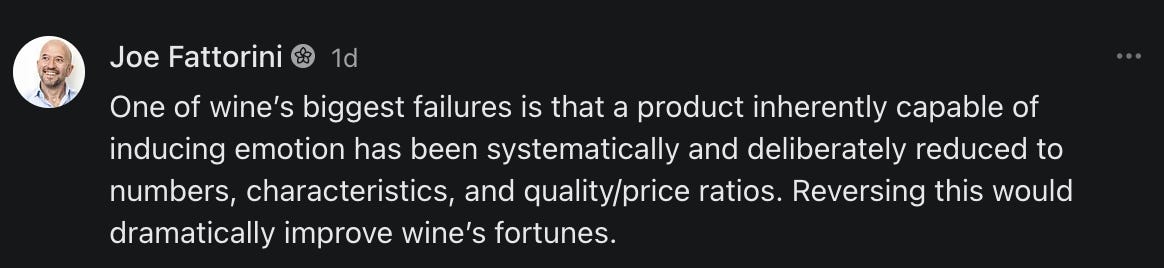
Earlier this week I made the point that wine has been consistently reduced to numbers and flavour notes and qpr ratios by the very people who are charged with adding value to wine. This has been bad for wine. Or at least for most wine.
As it happens, people pay a lot more for Te Koko - per point - than they do for Pyramid Valley, and not only because it’s been aged in oak barrels. They pay more because the wine means more.
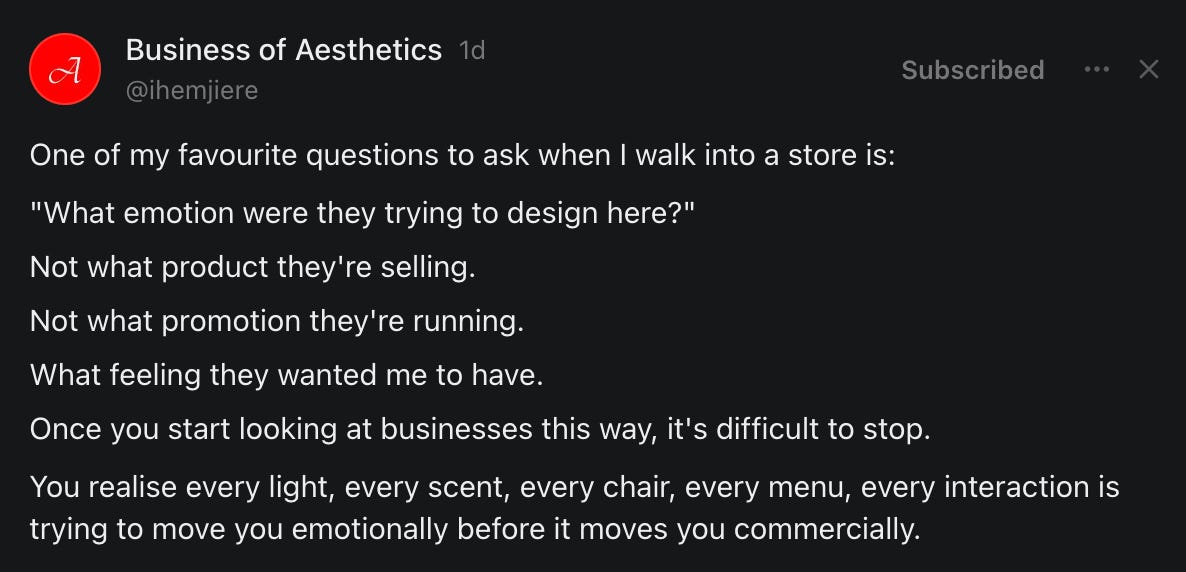
Over the years the team at Cloudy Bay have spent a lot of time, and money, working out what emotion and feeling they want their wines to have. You don’t have to like the emotions and feeling. You might find them cheesy, obvious, pompous, status-obsessed, passé, mainstream… but it turns out that those feelings and emotions make people feel comfortable paying three times as much for a bottle of wine for one that’s equally… “good”.
But other answers are also equally correct. Wine’s “insiders” love to feel that they’re savvy and informed and immune to corporate branding. If Pyramid Valley suddenly started giving their wines a brand glow-up, they’d lose all the people (like me) who love the idea we’ve a good value friend. And quite probably fail to win over enough hearts of the mainstreamers who are drinking Cloudy Bay.
Hugh Johnson was characteristically prescient when he was asked why he didn’t score wines for his guides, and replied “how could I score my friends?”
People’s relationships to wine are far closer to friendships than something that can be scored. The spread of scores has also had a regrettable unintended consequence that we’re seeing unravelling in real time; wine producers became seduced by the idea that their wines had “the same score as that one that costs twice as much. We should charge twice as much for ours too.” Well, as we can see in the mini case study above, you can have a wine that costs three times as much with the same scores, it doesn’t mean people will pay more for it.

“Is it worth the money?” is a daft question. So is “what’s its score?” And they’re both just as daft as the statement “well it’s all just branding”. As Ani Chisom puts it, “branding is the feeling people remember when they think about you”.
Cloudy Bay is branded. Pyramid Hill is branded. All good wines have branding - because they give people feelings that they remember when they think about the wine. “Natural wine” has caught on because it’s a powerful brand.
Simplistic thinking and monochrome opinion are a scourge on wine. In a business as complex as wine you’re allowed to believe several contrary things at the same time. All can be true.
Utils - like hedons - is one of those theoretical units of utility, benefit, or pleasure that a thing gives us. If scores were an accurate measure of pleasure. Which I’m not sure they are.
No posts
Comments
Nothing yet. Say the first thing.
Sign in to join the conversation.