
Heating water is the second-highest use of energy in our homes, trailing only space heating and cooling. That rarely noticed tank in the utility room drives 15-20% of most home energy bills. With water heating costs adding up to $400-$600 per year, upgrading to a super energy-efficient heat pump water heater is a great way to slash your annual energy spending and substantially reduce your household carbon emissions.
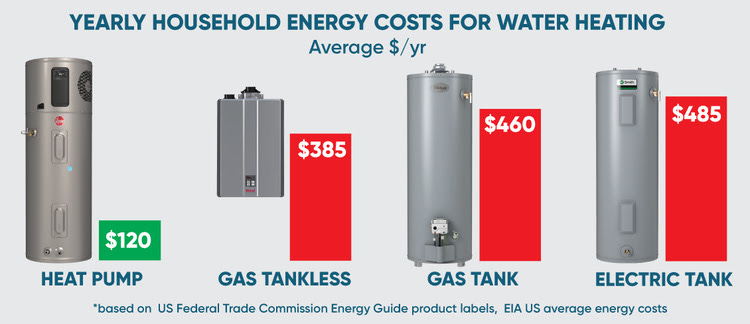
Heat pump water heaters, also called hybrid water heaters, are incredibly efficient because they move heat rather than creating it, using up to 70% less energy than other water heaters. Even gas tankless products cannot come close to the low energy costs of a heat pump water heater.
Because they are so energy-efficient, these appliances save homeowners hundreds of dollars per year on utility bills. They work just like a refrigerator in reverse, harvesting heat from the ambient air to warm the water in the tank. Just as your refrigerator releases heat into your kitchen to keep food cold, these devices release cool air into the surrounding space. Fortunately, because water heaters are typically located in utility rooms, basements, or garages, this minor temperature drop goes unnoticed.
Find more information on Heat Pump Water Heaters
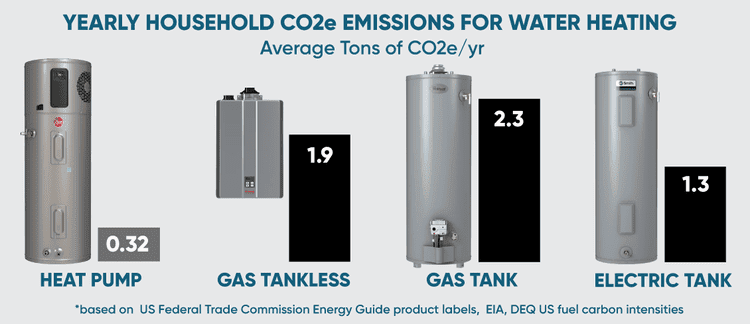
After a gas furnace or a gasoline-powered car, a water heater is the largest single source of carbon emissions for most households. Burning natural gas for space and water heating is also a significant source of air pollution.
Heat pump water heaters produce dramatically lower carbon pollution than any other water heating appliance. Upgrading to a heat pump is one of the lowest-cost ways to reduce household carbon emissions.
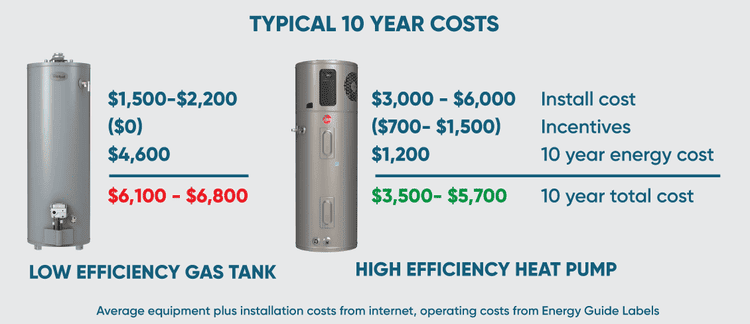
Because they may require a new dedicated 240V electrical circuit to be installed by an electrician, the installation of a heat pump water heater can cost significantly more than a straight gas water heater replacement. However, widely available incentives and lower operating costs result in thousands of dollars of savings over the lifetime of the appliance.
You may already have a dedicated 240V circuit in place if you have an electric resistance water heater now or had one in the past. This lowers installation costs by at least $1,000, making the lifetime savings even more compelling.
If your current water heater is approaching 10 years old, it could fail without warning. To avoid an emergency replacement scenario, with the potential of no hot water for days or weeks while waiting for electrical work and scheduling, it’s best to plan ahead and replace your existing heater before it fails.
Find trusted installers in Oregon, Washington, California
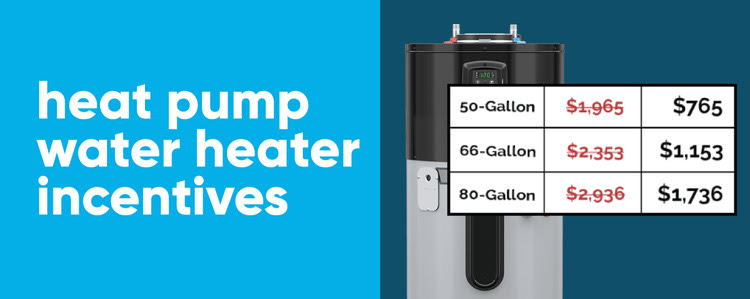
Incentives ranging from $500 to as high as $2,000 are available from most electric utilities and state energy efficiency programs. In some cases, incentives are deducted from retail prices at stores like Home Depot and Lowes. A qualified installer should know what incentives are available, but here are some good resources to find information for your area:
Oregon - GP Conservation, Energy Trust of Oregon
California - The Switch is On
Washington - The Switch is On
National - check with your electric utility
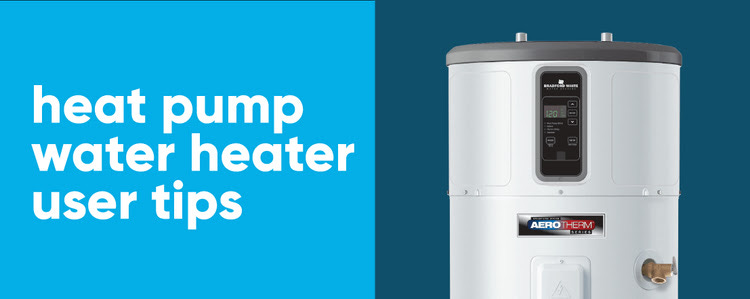
If you have upgraded to a heat pump water heater, congratulations! Here are some tips to maximize savings with your super-efficient appliance.
Select Heat Pump Only Mode. Your water heater can operate in several modes depending on your hot water needs. Select “Heat Pump Only” mode for maximum savings - this locks out the electric resistance heating elements. Select “Hybrid” mode if you have high hot water demand, like visiting guests - this will trigger the electric resistance elements for faster recovery.
Set the thermostat to at least 120 degrees. Increasing the temperature will make the water in your tank go farther, as it is mixed with cold water at the tap. You can set the water temperature as high as 130 degrees, but be sure not to use pure hot water to avoid the risk of scalding.
Schedule water heating to take advantage of low rates. If you have a “time of use” electricity rate plan that charges higher rates during peak hours (typically 5-9pm), you can set your water heater to turn off during those hours. You will hardly notice, because a tank full of hot water will last many hours, more than enough to get through the peak hours. You will save money by lowering your energy use when rates are the highest.
Find more information on Heat Pump Water Heaters

Our friends at Electrify PDX are hosting their annual Home Electrification Fair, a free, festive event for homeowners and renters ready to transition to efficient electric solutions and renewable energy. Find info on products, installers, incentives, and more at this fun, kid friendly event.
If you live in the Portland, Bend, or Corvallis metro areas, here’s a great way to kickstart your electrification journey. Sign up for a free personal coach from Electrify Oregon to help you identify your priorities, create a plan, find trusted contractors, and take advantage of available incentives.
If you have questions or comments, or need some advice about electrification in your home, please contact us at: brianstewart@electrifynow.net
Please share this newsletter with your friends and family.
No posts
Comments
Nothing yet. Say the first thing.
Sign in to join the conversation.