
Earlier today, TikTok was (temporarily) stripped from the hands of its 170M monthly active users in the US. No doubt, many of you watched the deep and bizarre funeral that played out on platform Saturday night. But rather than talk about “whether the ban makes sense” or “if brands should continue to invest there,” we want to talk about the moment-in-time opportunity this creates for brands and anyone else whose equity was built upon chasing TikTok relevance.
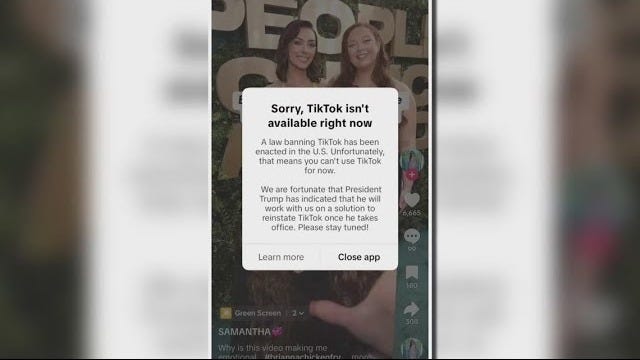
Over the last four years, TikTok became the zeitgeist for all things popular culture. It was an “unfiltered” view of the world around us, an inside look at cultures and societies that never previously crossed the threshold of popular. It’s where ideas were created, so much so that TikTok claimed “trends start here.” And for many brands, it became the answer for speaking to Gen Z and being relevant. Watching TikTok and asking “how can we tap into that” became a “strategy” in its own right.
Look. We get it. Brands today face intense pressure to stay culturally relevant. They are told that to survive, they must keep pace with the trends and moments that command consumers’ attention. It’s no wonder why. Research consistently shows that the most successful brands today don’t just sell products, they influence culture.
So brands chase culture, in whichever way they can.
However, this approach often leads to awkward attempts at relevance that can backfire spectacularly – just ask the 85% of Gen Z consumers who cringe at brands using terms like "bestie" in communications, or the 69% who felt the same about brands that did the demure trend (according to research from Gen Z research and strategy firm, dcdx).
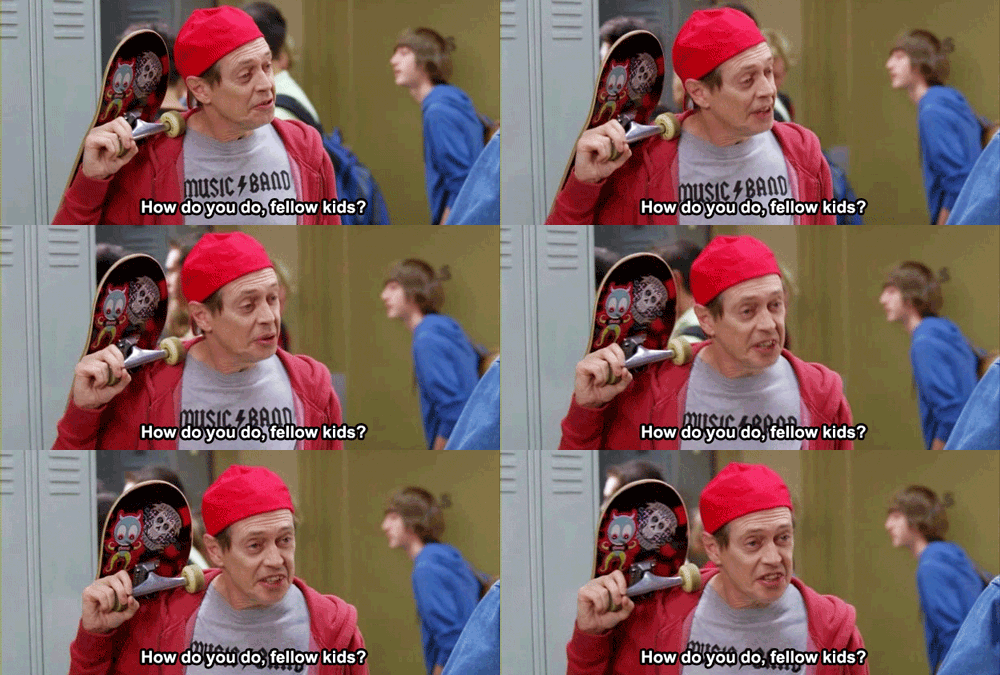
This chase for cultural relevance unfortunately leads many brands into the "Great Brand Soup" – a term coined by dcdx to describe the homogeneous mix where distinctive brand identities dissolve into trend-dependent, viral-seeking sameness.
But this ban signals an opportunity for brands to break free of the homogeny. Because there's a more powerful alternative: Cultural Instigation.
CULTURAL INSTIGATION
Cultural Instigation represents a fundamental shift in how brands engage with culture. Rather than merely reacting to trends or attempting to inject themselves into existing conversations, Cultural Instigation focuses on seeding ideas that consumers themselves adopt, shape, and propagate throughout culture.
The thing about this approach is that it’s neither accidental nor chance – it's a deliberate strategy. Our exploration of pop culture and entertainment has unearthed the four key tenets of it:
Culturally Flammable Containers
What if we packaged our ideas into easily shareable, highly spreadable formats. These "containers," designed to be unmissable, carry the brand’s messages in ways that naturally propagate through cultural channels. The key is creating formats that are both memorable and transferable. Think about the 2023 US movie, Cocaine Bear. Even if you didn’t see it, you absolutely know what it’s about from the title alone.Intentional Restraint
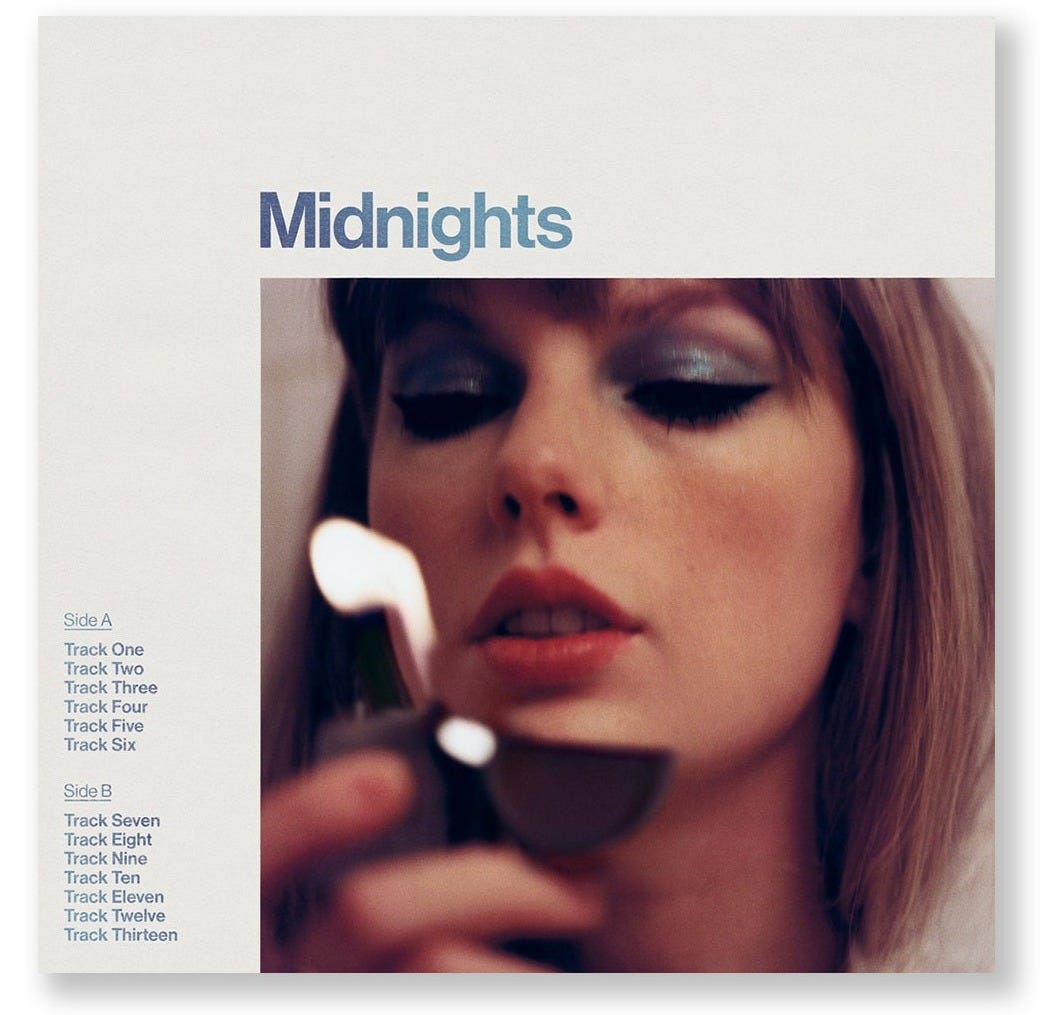
Counter-intuitively, saying less can sometimes achieve a whole lot more. This principle advocates for strategic silence – creating spaces that invite consumer participation. By deliberately holding back, brands bait their fans into expanding and enriching the conversation. Taylor Swift is the queen of this principle, teasing out cryptic details that send Swifties into a fervor.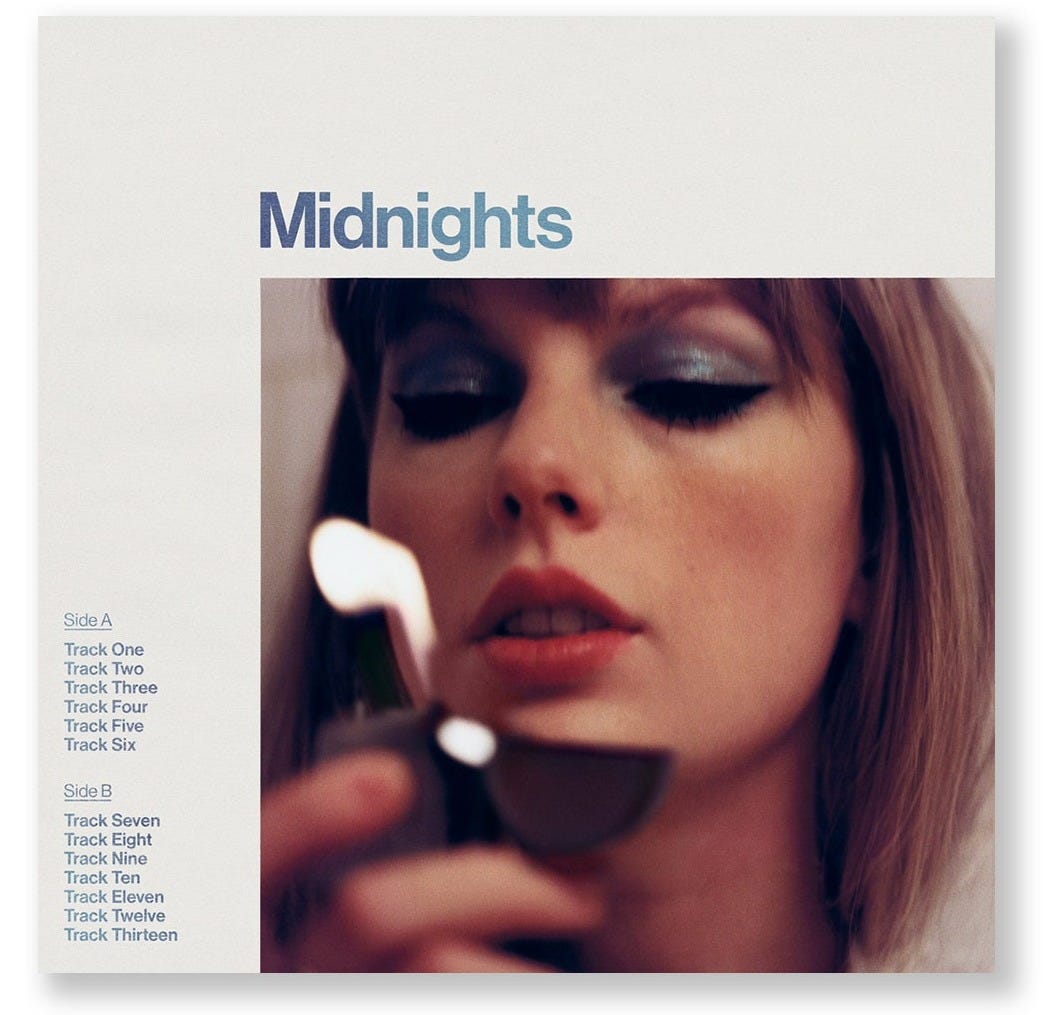
Absurdly Contagious Bits
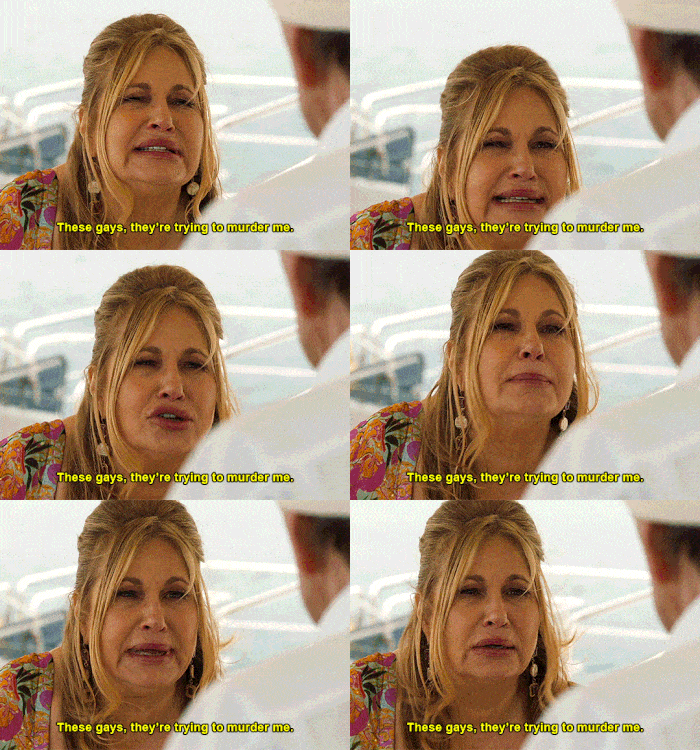
Rather than praying for viral content, successful instigators focus on embedding culturally contagious elements within their products and content. These "bits" are carefully and intentionally crafted to be shared and replicated. Jennifer Coolidge’s famed line in White Lotus, “Please, these gays, they’re trying to murder me,” was explicitly shot and designed to be memed.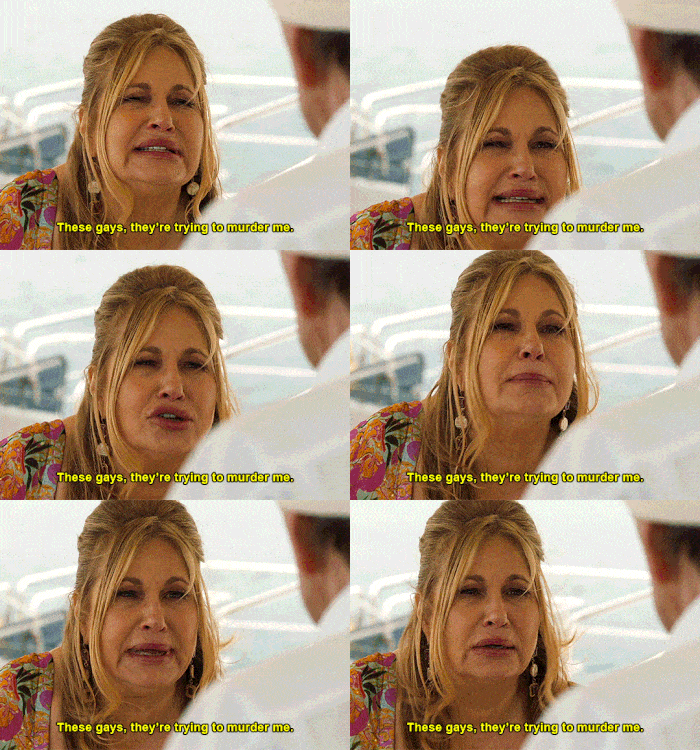
Instigator Armies
The final principle involves reimagining the relationship between brands and consumers. Instead of viewing people as passive consumers of messages, Cultural Instigation treats them as active drivers of ideas. This approach empowers consumers as co-creators of the ideas — naturally spreading and evolving brand narratives within their communities. The impact of brat summer was built upon Charli XCX fans taking the idea and shaping it.

HOW BRANDS CAN INSTIGATE CULTURE
This approach has shown success across categories. From Coca-Cola to Chips Oman to the new EA Sports College Football 25, brands that effectively employed Cultural Instigation tenets have grown their businesses while durably shaping culture on their terms.
That being said, instigating culture isn't without challenges. It requires brands to relinquish some control over their messaging, trusting in the power of their audience’s participation. It demands careful balance between brand consistency and cultural flexibility. Perhaps most challengingly, it requires patience – Cultural Instigation is about building sustained cultural presence rather than chasing quick hits.
Given the big ambitions in the region, it’s about time that Middle Eastern brands took the lead and started defining culture. When was the last time that an idea from here ended up spreading to the other side of the world? The future of brand building in the region will lie not in how well brands can keep up with culture, but in how effectively they can instigate it. By focusing on creating the conditions for cultural spread rather than chasing relevance, brands can avoid while building a more influential and sustaining role in culture.
American TikTok will return. There’s no doubt about that. The question is whether we’ll use this moment as a time to reevaluate the role we as brands play in culture or not.
No posts
Comments
Nothing yet. Say the first thing.
Sign in to join the conversation.