
Sometimes I wonder if any of this makes a difference.
The petitions. The emails. The signatures.
Do they actually get read? Or do they disappear — into a physical bin somewhere, or a digital one we never see?
I ask myself this more often than I’d like to admit.
And still… I sign.
On the surface, it’s nothing.
A click. A form. Two minutes, maybe less. It’s almost nothing.
Almost.
Because before you click “send,” you pause. You look.
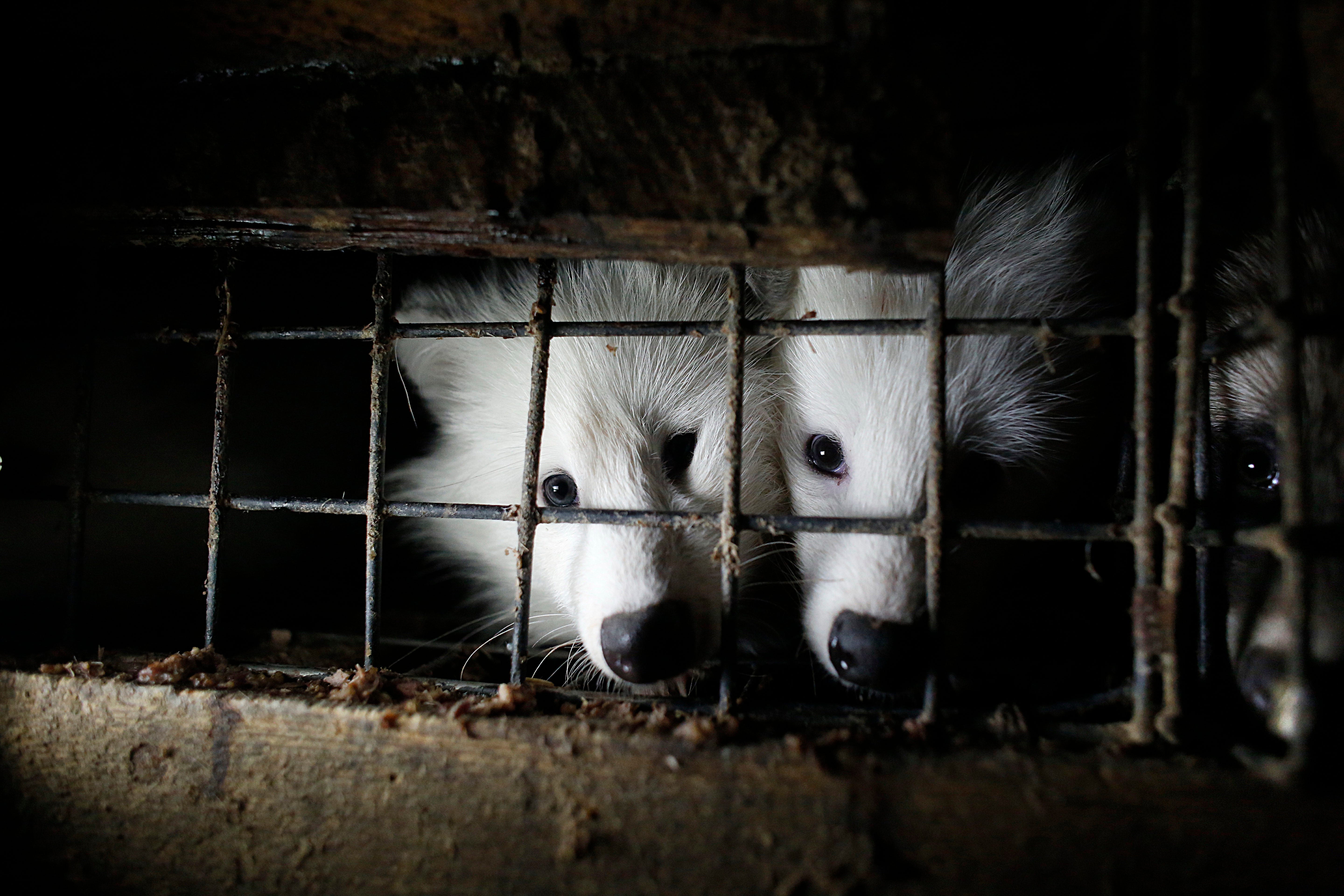
You see the animal behind the campaign — and for a moment, you step into a world most of us prefer not to see too clearly.
That moment is not nothing. It stays with you. Even if you move on quickly.
There is no question that fur once had a clear purpose. In cold climates, it was a matter of survival. Warmth, protection, necessity. Humans used what was available, and fur was one of those materials.
But today, the question is different.
Do we still need it?
Or has fur shifted from necessity to symbol — of status, luxury, aesthetics, sometimes even identity?
Is it about staying warm… or about being seen?
For decades, fur has existed in a strange space between tradition and controversy. Some designers keep promoting it. Runways still feature it. Certain markets sustain demand. At the same time, pressure has been building.
Activist movements — including organizations like PETA (People for the Ethical Treatment of Animals) — have pushed the issue into public consciousness, sometimes through highly controversial campaigns. Their use of shock, including nudity, has been both effective and widely criticized.
But regardless of the methods, something has shifted.
Fur is no longer neutral.
Wearing it is no longer just a fashion statement.
Is a declaration of world view.
Which leads to a more uncomfortable question:
How much of the demand for fur is actually “natural”?
And how much of it has been shaped — or manufactured — over time?
Fashion, after all, does not simply respond to demand — it creates it. It assigns meaning to materials. It builds associations: luxury, prestige, desirability. And once those associations are in place, they can feel almost… inevitable.
But they are not.
They are constructed.
And what is constructed can, in principle, be reconstructed.
A common argument is that even if one region bans or reduces fur production, it will simply shift somewhere else. And that may be true — at least in the short term.
But ideas also travel. Norms spread.
What begins as a local shift can become a broader one.
Every change has to start somewhere.
I still don’t have a clear answer.
Maybe my email is never read. Maybe my signature is one among thousands. Maybe it changes nothing.
But there is one thing I come back to.
Silence is also a form of participation.
And if that’s true, then speaking — even in small ways — is, too.
So I sign.
Ending fur farming is not only an ethical question. It is also a question of what kind of systems we choose to continue — and which ones we decide to leave behind.
If you want to, you can click and sign the letter to commissioners for Fur Free Europe below. (Or sign whatever petition lands in your mailbox today — that feels important).
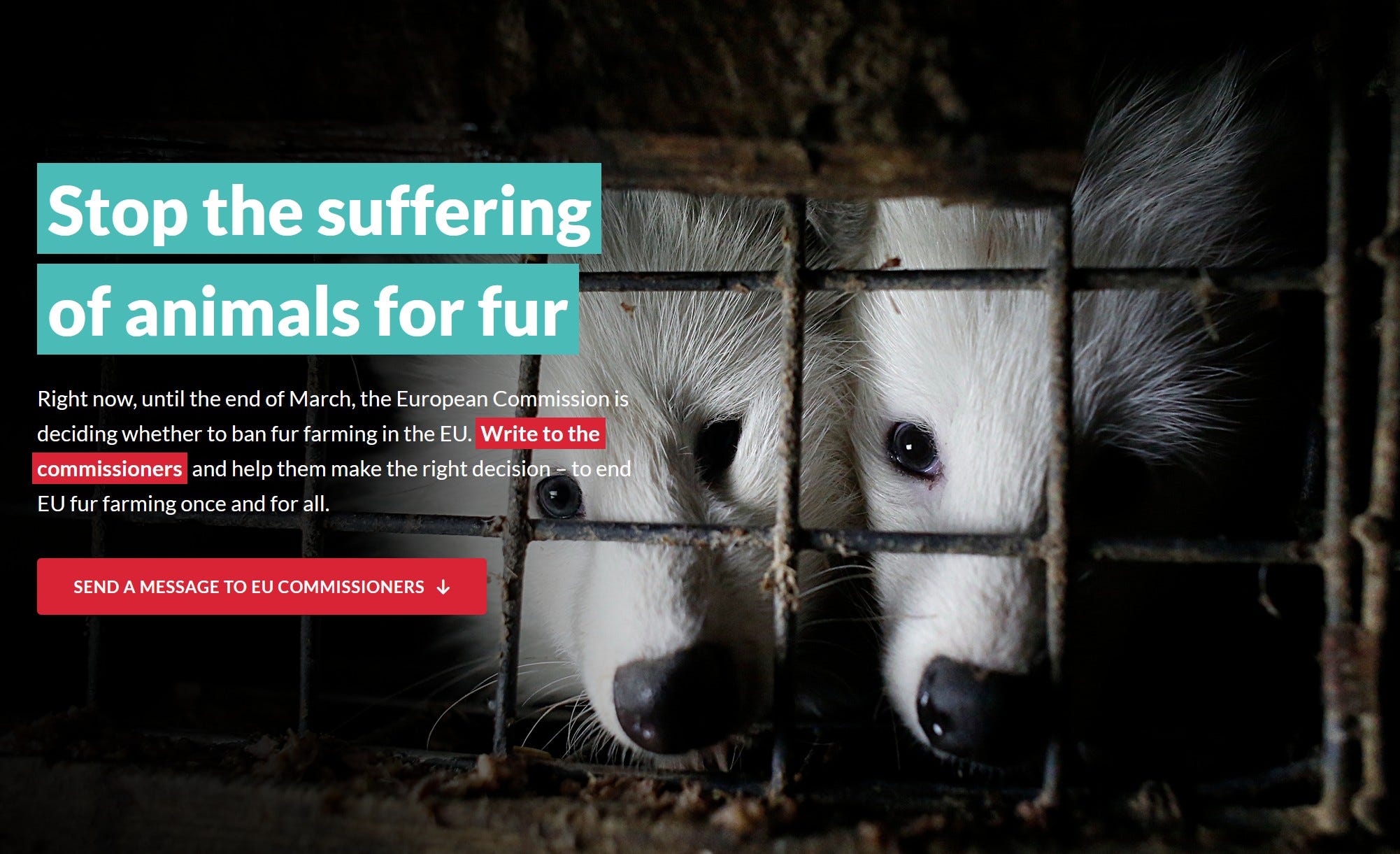
https://act.animainternational.org/index.html
#FurFreeEurope #FurFreeWorld
No posts
Comments
Nothing yet. Say the first thing.
Sign in to join the conversation.