
My very first client was a restaurant and I fell into the opportunity completely on accident.
I had posted about the Westin Downtown Phoenix on my Instagram account in 2015 and they liked the photo so much that they asked if I could shoot their whole menu.
Me: EXCUSE ME?! REALLY?!
At the time I was shooting in auto mode with a used camera and a kit lens and had no aspirations of building a food photography business. But, I asked a friend who worked in restaurant marketing what she thought I should charge, put together a quote and they hired me.
Little did I know that gig would send me off into a whole new career path.
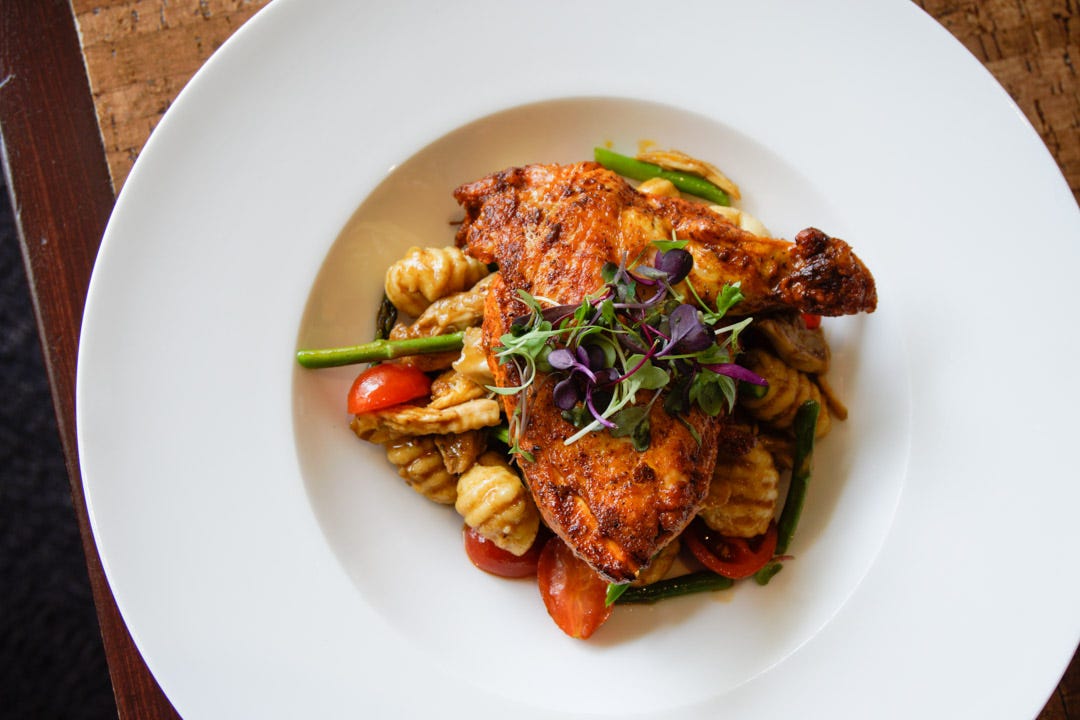
Here’s one of the images from that very first paid shoot. Not too shabby for a gal who didn’t know what she didn’t know!
In retrospect, it was a perfect place to start. Restaurants are some of the best training ground for new photographers. Aside from already having the food part of the equation covered (perfect if you’re someone who doesn’t like to cook), they’re fast-paced environments where you learn to think on your feet.
Too, like we talked about last week with bloggers, they’re easier to connect with as far as potential clients go. You can literally walk into a restaurant and start making connections today.
So, if that’s got you inspired to start knocking on restaurant doors, let’s get into some of what I’ve learned about these kinds of clients.
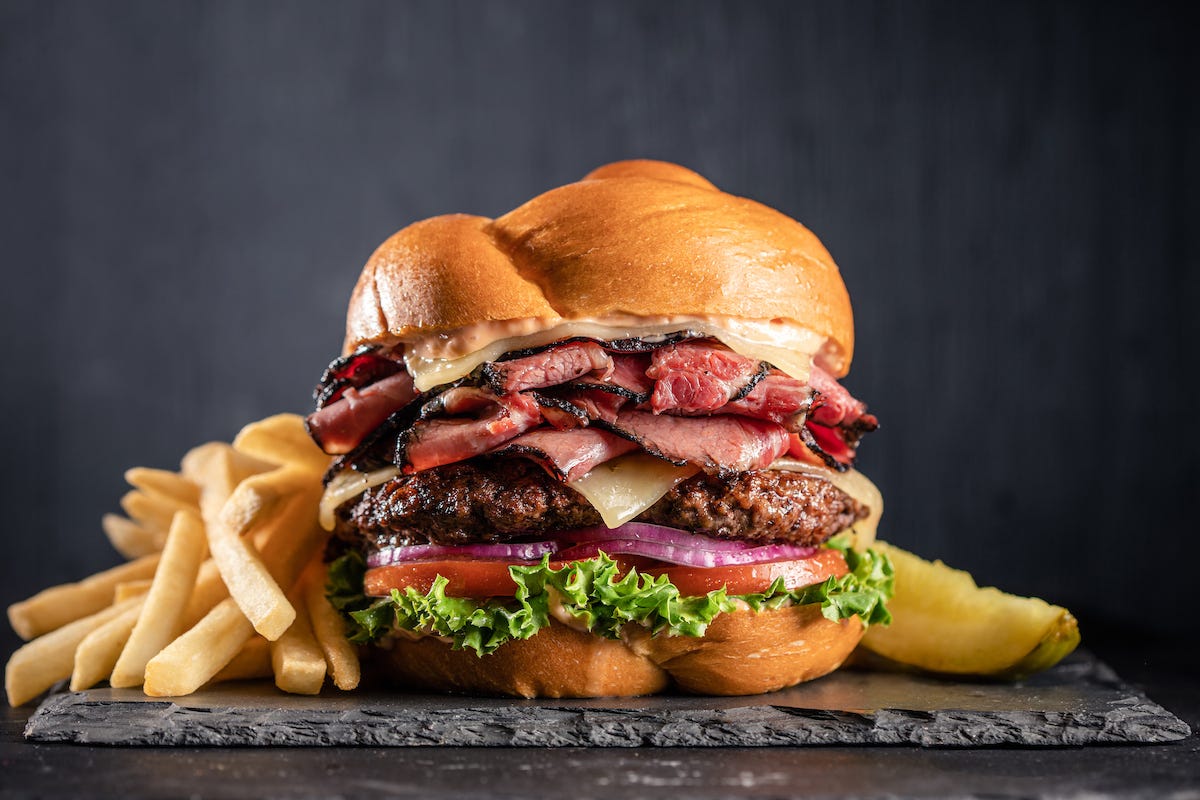
When I talk about restaurants in this post, I’m referring specifically to local independent restaurants and smaller local or regional chains.
Cafés, bakeries, food trucks, neighborhood bistros, ice cream shops, family-owned spots, regional brewery restaurants. Places where the owner is often hands-on with the day to day business.
If you end up shooting for a large restaurant chain like the Pizza Huts or Chipotles of the world, the work is going to look much more like brand work, on par with photographing for any major international food brand. They just happen to have brick and mortar locations. We’ll get into that kind of work in an upcoming article, so stay tuned.
But for this post, we’re talking independents.
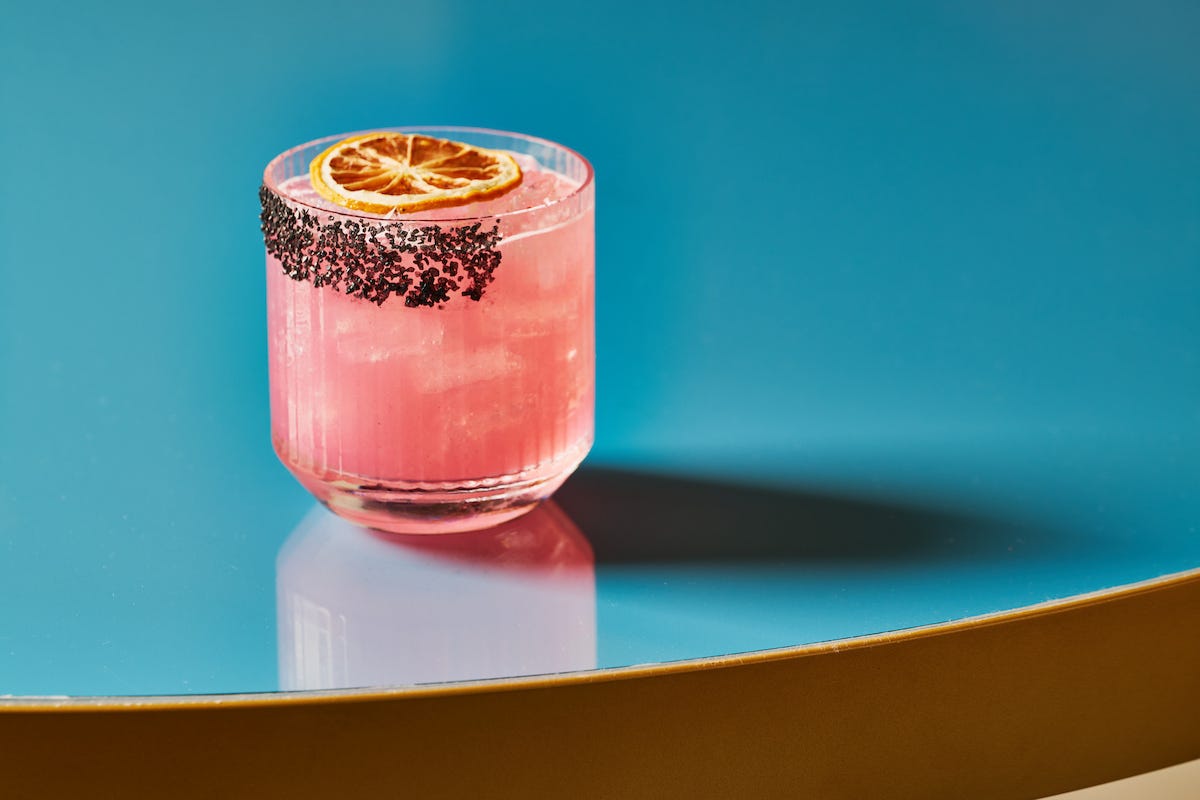
There are tons of ways to connect with restaurants. But, a few of my favorite methods:
Local PR agencies that represent restaurants. Here in Phoenix, there are about four major players who specialize in restaurant clients. Most cities have a similar handful of marketing / PR agencies that dominate the restaurant scene. Connecting with them is a huge multiplier because one good relationship with a restaurant-focused agency can lead to multiple restaurant clients.
Local restaurant associations. Make connections with marketing folks and leadership in these organizations. I got connected with the Arizona Restaurant Association early in my business and was hired to shoot some of their events. The pay wasn’t particularly great, but the connections were super valuable. These gigs put me in front of local restaurant owners and other industry professionals, positioned as a professional photographer.
Food festivals. For the first few years of my business, I attended all of the major food festivals and events in my area because it’s a way to meet a lot of people in a condensed time frame and space. The Devoured Culinary Classic is where I first met two future cookbook authors who I would later shoot cookbooks for.
Bear in mind, this is a long game strategy, but like any industry, the more people you know, the more opportunities you’ll bump into.
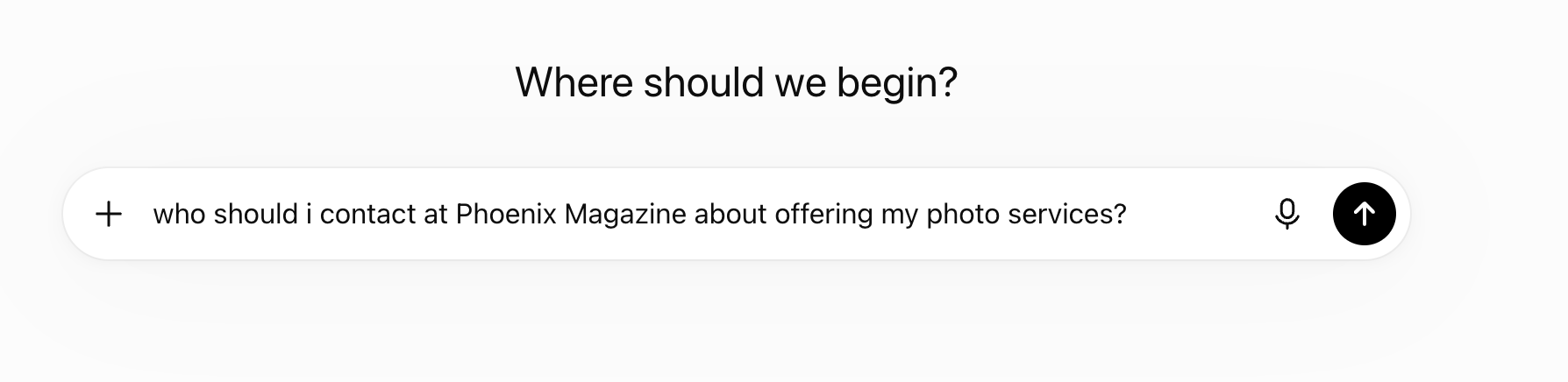
Local magazines. Pitching or getting hired for editorial restaurant features is another great avenue. The pay is usually pretty small in comparison to commercial work, but when a magazine sends you to shoot at a restaurant, you walk in with credibility. The owner or chef sees you as a photographer the magazine trusts, and that opens the door to direct work later.
All you need to do is look inside the magazine for the masthead to get a listing of the people to contact, or hop into ChatGPT or your LLM of choice and ask:
Going to the restaurant. As much as it feels safer to email introductions to restaurants, truth is that in-person will always be a more memorable way to connect. Plus, it’s harder for them to ignore a body in their dining room versus their inbox. And while you can definitely make contact while you’re dining at the restaurant, most independent restaurants have an open window between 2pm and 4pm (if they serve lunch and / or dinner). It’s that quiet stretch called “the shoulder period” between lunch service and dinner prep. The owner or manager is more available, the staff is doing side work, and you can potentially have a real conversation.
Try popping in during that window, introduce yourself, drop off a card, and start building a relationship. The same approach works for breakfast spots if you go in around 11am as the breakfast rush is winding down.
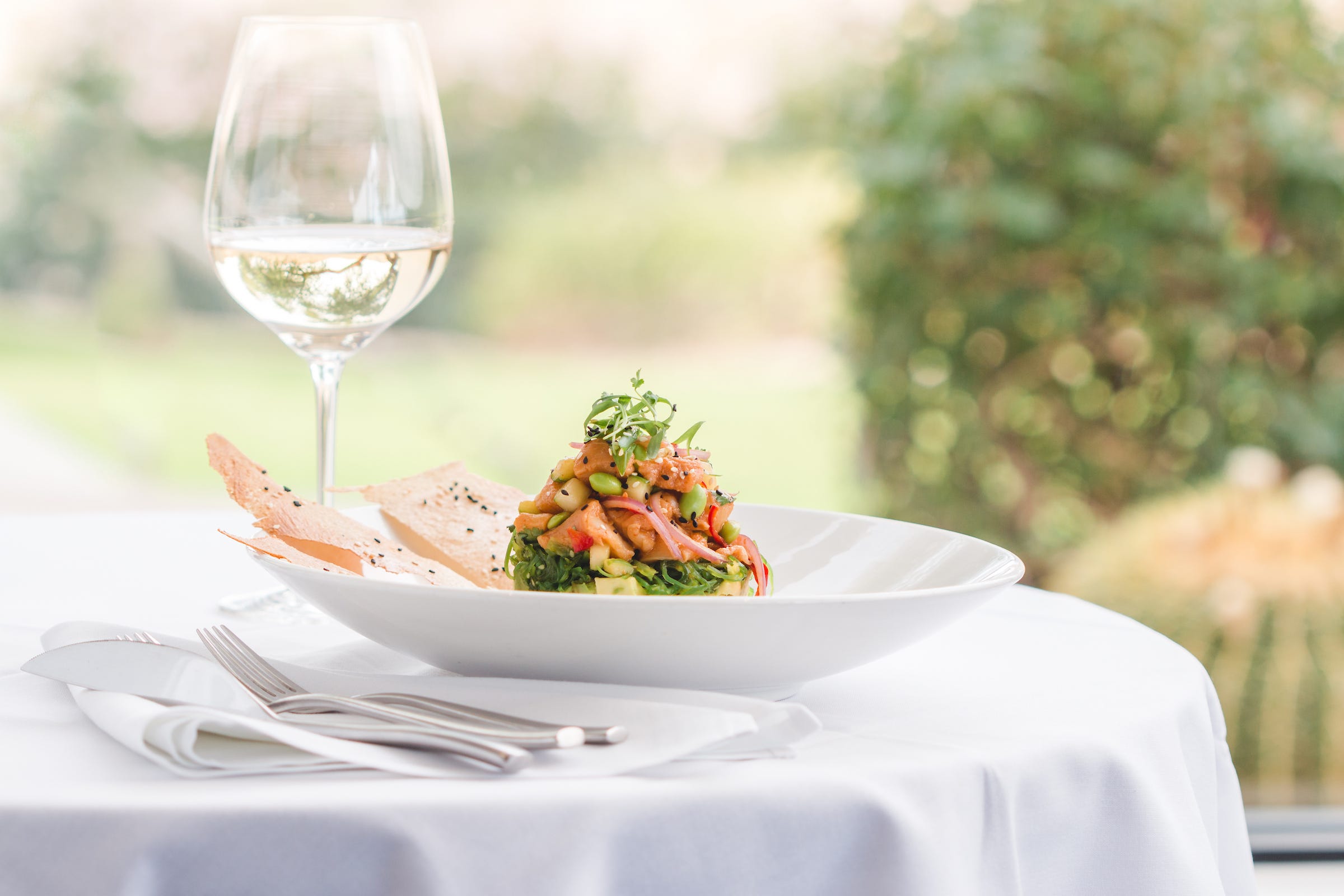
Menu photography is the obvious need for a restaurant. Hero shots of dishes for the menu itself, the website, in store signage, digital menu boards and online ordering platforms.
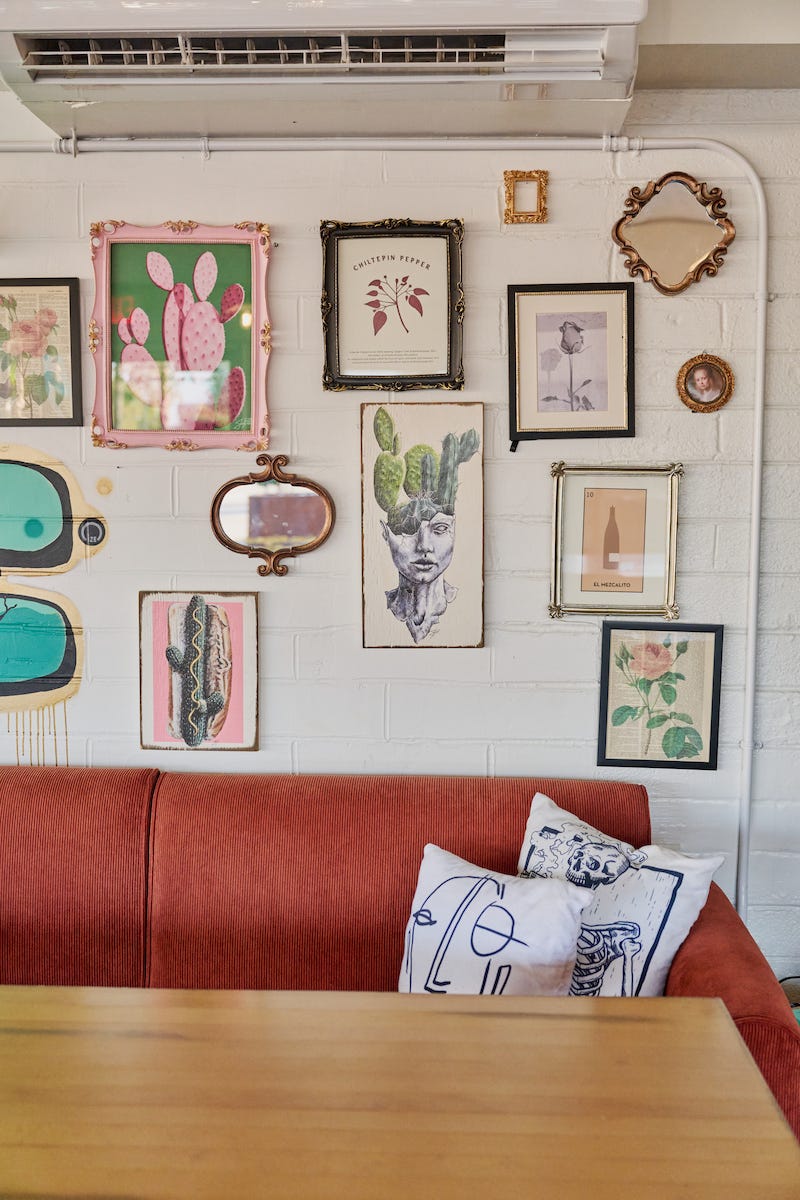
They also use images for social media content and their website, which often times also means shooting some lifestyle, portraits and ambience images. They might want shots of the restaurant interior, exterior, the bar, patio, private dining rooms, and aspects of the dining experience. Sometimes chef and staff portraits, too.
Restaurant photography will most certainly make you a well-rounded photographer if you stick with it.
Additionally, going back to the PR / marketing agencies, lots of restaurants use photography to send to local media for news coverage. I shot images for one casual dining client and they used them on plastic gift cards, an entry banner, a sandwich board out front, and the PR person sent selections with a press release to local media. Some of those images ended up in Phoenix Magazine, the New Times digital magazine, and the Arizona Republic newspaper as editorial features.
As it goes with most photos today, one image can be used in a myriad of ways.
When it comes to logistics of actually shooting at a restaurant, my personal preference is always going to be to do the shoot when the restaurant is closed. That’s going to make for a quieter, more focused environment. The staff can be present and helpful, the lighting can be controlled and you can move freely and set up shots without working around guests and service.
One time I did a shoot at a BBQ joint while they were open, only to end up with a frustrated guest who wasn’t happy about the flashing lights. Totally understandable. I relocated my setup to out behind the restaurant next to the dumpster. Not ideal, but I made it work. And it’s the reason that now, I always push for shoots to happen outside of operating hours.
Along those same lines, if a restaurant wants you to shoot lifestyle shots while they’re open and serving real customers, I strongly advise against it unless it’s a friends-and-family night or some other private event. Over the years I’ve fielded this request quite a few times and I’ve learned to steer them away from it.
For one, you’re going to need photo releases from everyone in the frame, and beyond the legal logistics, it’s just bad form to be photographing people while they’re eating. It interrupts their experience and it makes the staff work around you during service. If a restaurant wants lifestyle shots of people eating, hire models and stage a planned shoot. It’s a better outcome across the board.
All that said, even with a closed restaurant, the environment is going to be more unpredictable than shooting at home or a studio. Restaurants are dynamic places. Deliveries arrive, staff is prepping for service, there might be a plumber dealing with something in the back. I always remind myself that these kinds of moments are strengthening my problem solving skills. Lean into it,
If you want to see behind the scenes at a restaurant, I have a few videos on Youtube that I’ll embed at the bottom of this article.
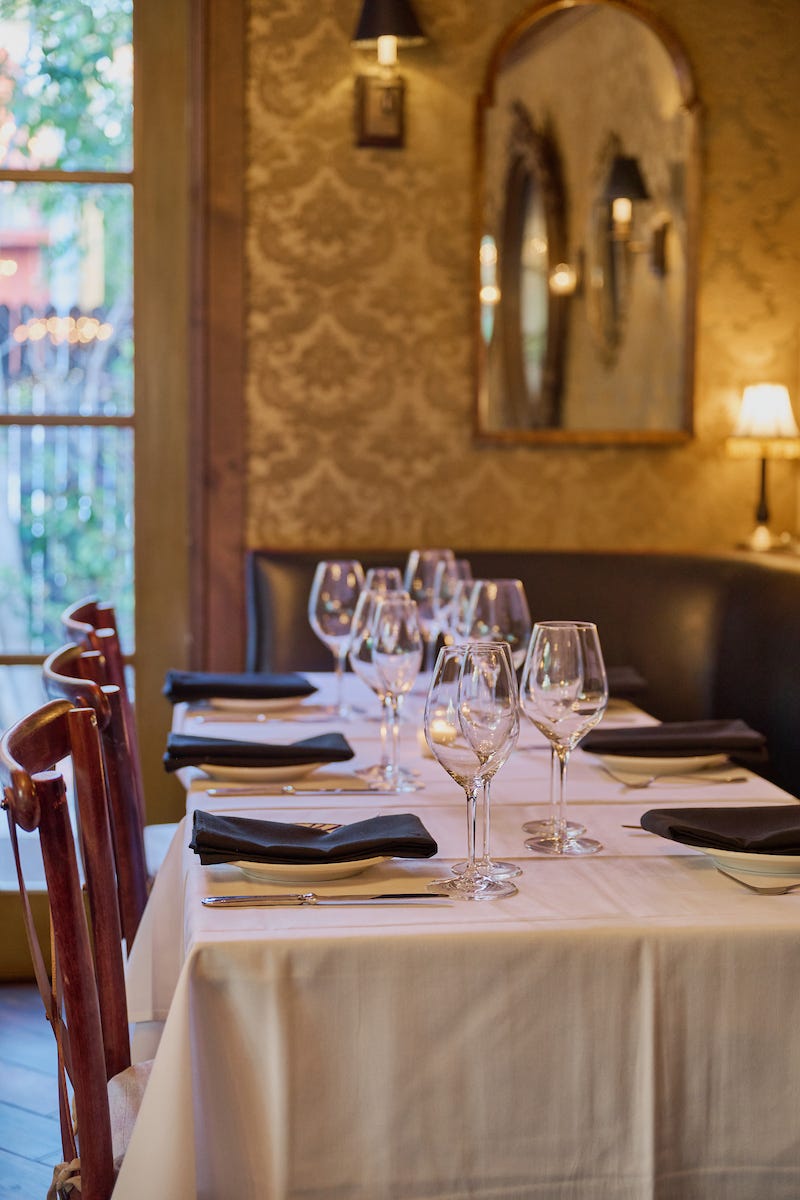
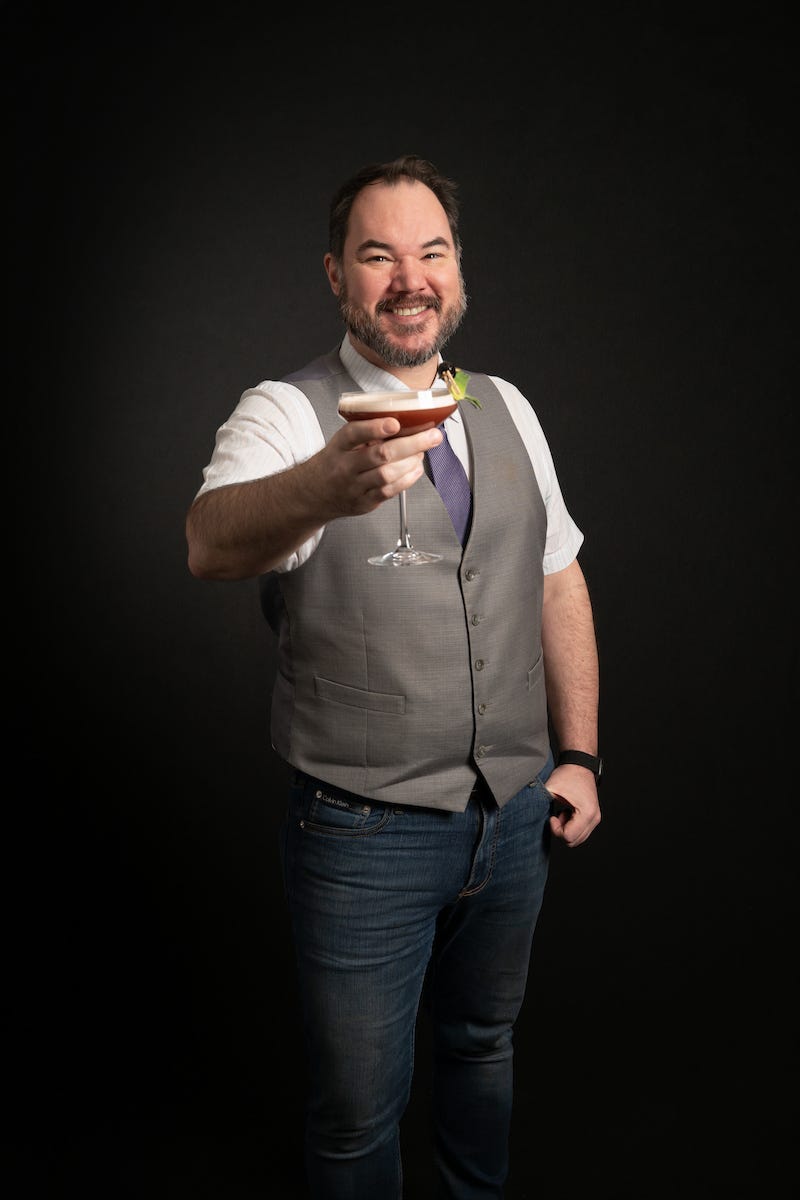
Of course every restaurant and client is unique, but in general, these are some common challenges you’re likely to bump into from time to time working with restaurants:
Thin profit margins. Restaurants run on tight margins (understatement). Their overhead is high (rent, building maintenance, food, labor) and their revenue can be unpredictable. According to the National Restaurant Association, a typical restaurant’s profit margin is around 5%, which most other industries would consider unbelievably low.
I don’t share this so you can assume every restaurant is broke and can’t afford you. I still advise leading with value and pricing your work fairly. But knowing the financial reality of the industry helps you understand why pricing conversations might be harder with restaurants than with other clients, and why you might lose some opportunities if you price at premium rates.
Communications. Like I said, restaurants can be chaotic. They’re putting out actual fires, dealing with staffing problems, troubleshooting equipment issues. There’s a reason restaurants are the setting for so many dramatic TV shows. If you send a pitch to a restaurant and don’t hear back, it’s possibly because the person you contacted had bigger priorities that day. Stay patient. Follow up. Don’t take silence personally.
I do sincerely love shooting for restaurants. They come with a lot of upsides:
Lower production pressure. Restaurant owners are generally not professionally trained in photography the way a creative director at a brand or an art director at a publisher would be. They’re not usually bringing elaborate shot lists or highly produced visions. Their main criterion is usually that the food looks good and the photos make people want to come in. That can make these shoots less stressful, easier to execute, and great for building confidence when you’re getting started.
Great people. It’s called the hospitality industry for a reason. The kindest, most generous, funniest people with the best stories are often working in restaurants. Even if you don’t plan to focus on restaurant work long-term, I do recommend doing some restaurant jobs for the experience.
For local restaurants, my approach is to price per dish and deliver a gallery of approximate images rather than a fixed number of final selects.
The reason I price per dish is that it makes pricing easier to scale. If a restaurant has five new menu items coming out, four entrees and a cocktail, I work up my full project price (my time, expenses, post-production, everything) and then divide it by the number of items. The estimate goes to them as a per-item price.
This serves two purposes. It makes the pricing feel less intimidating to a restaurant operator who isn’t used to commercial photography rates. And it scales easily. If they decide to add two more items it makes the discussion easier.
For delivery, with smaller restaurant clients I’m less rigid about the exact number of final images. For five menu items, I might tell them I’ll deliver at least three final images per dish (some vertical, some horizontal, maybe an overhead or a macro shot), but I usually capture four or five quality shots per dish and deliver all of them. So the final gallery might be fifteen to twenty-five images instead of a strict count of fifteen.
I do this because restaurant clients aren’t usually paying for usage on the scale of a CPG brand. The eyeball factor (how many people are going to see these images and the dollars they’re going to generate) is smaller, so I’m less particular about a per-image licensing fee. Bigger restaurant groups and chain operations would be a different conversation, more in line with how I price CPG work. More to come on that.
Independent restaurants are like food bloggers in that you’re probably not going to build a highly lucrative photography business on independent restaurants alone. They have budgets, but there are limits and the pace of restaurant operations means a single restaurant rarely keeps you booked all year.
But they’re great for building confidence and connections, and they’re a stepping stone to larger restaurant groups, regional chains, and eventually national brands that come with bigger budgets and longer-term commercial relationships. The skills you learn working in restaurant environments will make you a stronger photographer for every other client type in this series.
Meanwhile, I’d love to hear your thoughts so far. Anything that’s surprised you? If you’ve shot for restaurants before, anything to add?
See ya next week!
Joanie
Thanks for reading The Bite Shot! This post is public so feel free to share it.
No posts
Comments
Nothing yet. Say the first thing.
Sign in to join the conversation.