
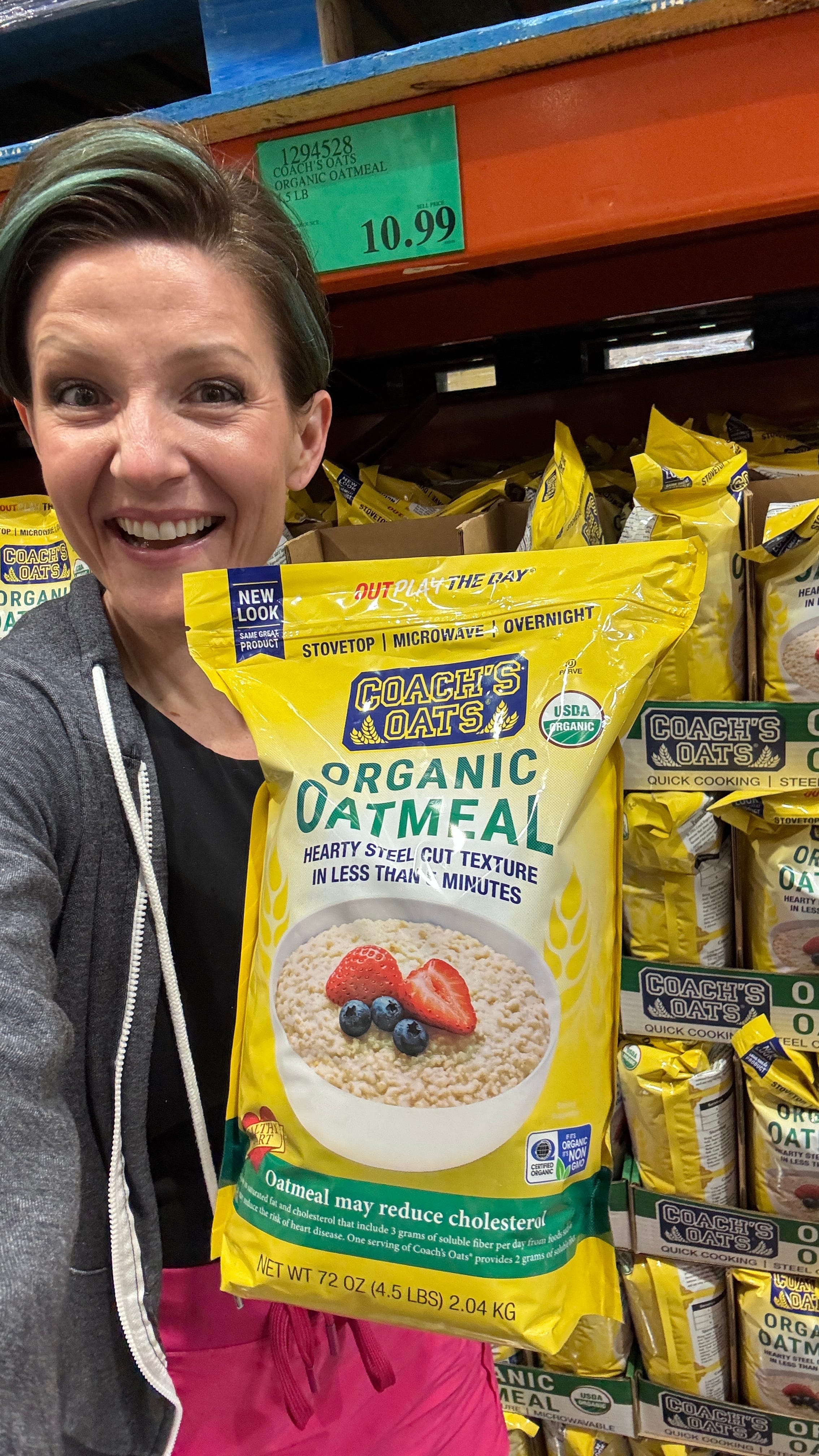
In 2016 I posted a photo of my breakfast on Instagram. It was a bowl of Coach’s Oats. They’d recently become a personal favorite. I tagged them, sent a message letting them know I was a fan and didn’t think too much more of it.
When they messaged me back, they asked if I would be interested in shooting some photos for their website and social media.
That was the start of a nine-year relationship with them that’s grown into work on their packaging, website, mockups for buyers, and full campaigns. It’s been such a special relationship that has grown as both their business and my skills have evolved.
And I share this because this is a common path of many food photographers I know. It starts small and grows over time, often organically.

CPG stands for Consumer Packaged Goods. These are companies that make products people buy and replace on a regular basis. Cereal, olive oil, chili crisp, coffee, snacks, condiments, supplements. Anything you find on a grocery shelf or in a subscription box.
At the top end, you have massive multinationals like General Mills, Nestlé, Kraft Heinz, PepsiCo. Most household names like these typically work through advertising agencies and have established rosters of photographers they hire regularly. Breaking into that world as an outsider can be tricky, and usually happens through agency relationships rather than direct outreach. We’ll talk more about agencies next week.
At the other end, there’s been an absolute explosion of small and mid-sized direct-to-consumer (DTC) brands over the last decade. Think Fishwife, Graza, Fly by Jing, Bachan’s, Poppi. Brands that started small, built a visual identity through social media and e-commerce, and have grown into legitimate businesses often without going through traditional retail channels first.
This is the fastest-growing category of food photography client right now, and it’s also the most accessible entry point for photographers wanting to build CPG experience.
Most DTC food brands are still small teams. Sometimes the founder is running social media themselves. Sometimes the marketing lead has a small budget and is actively looking for photographers to help build the brand’s visual identity. In many cases, they don’t have long-standing relationships with agencies or established photographer rosters. They’re building all of that as they go and that makes for opportunities.
Just like Coach’s Oats. Instead of a sales pitch, I was using their product, engaging with their brand on social, and creating content they could see and respond to. The relationship started as a spark of connection.
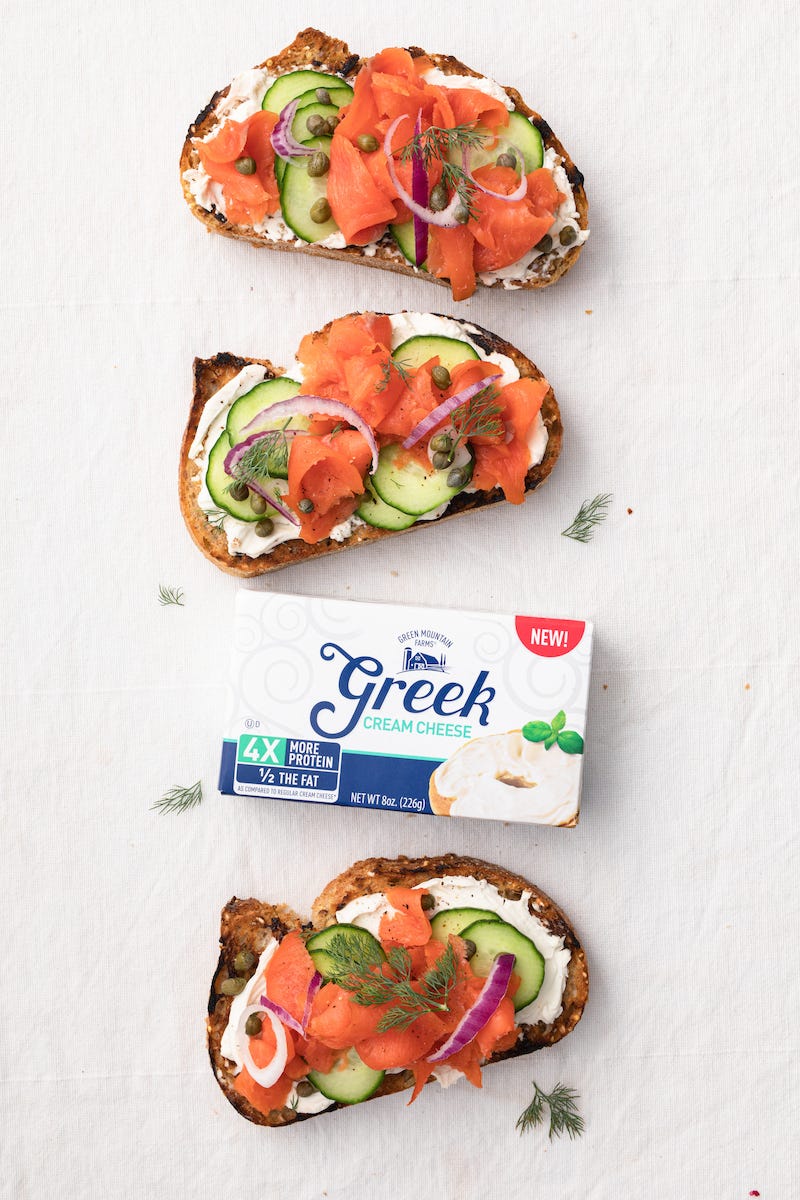
I have done this with brands ranging from Butcher Box to Greek Cream Cheese, Shamrock Farms to Vienna Beef. Humans connect with humans, so it can be worth the extra effort.
For CPG, pricing goes beyond charging for your time and expenses and involves getting clear on usage and licensing. Because how a brand uses a photo can range from a small internal presentation to a national advertising campaign that generates millions of dollars in sales. The value of that image to them varies dramatically based on their size, reach, and how they’re actually going to use it.
When you license an image to a CPG brand, you’re granting them permission to use it in specific ways for a specific period of time.
Just like when you sign up for a Netflix subscription, you’re agreeing to their terms to use their content in specific ways for a specific period of time. You can use it to watch shows at home, but you can’t publicly display the movies in a public place or reproduce the content on other platforms like YouTube. And if you cancel the subscription, you lose access.
So what goes into determining “usage” for a brand? There are four elements:
Exclusivity. Is the image licensed only to them, or can you license it to other businesses?
Geography. Where in the world can they use it? This of course gets murky in the digital age, but a consideration more so for physical uses of imagery like billboards and in store displays.
Duration or Quantity. How long can they use it, or how many items can it appear on (like packaging)?
Specific Media. Where exactly can they use it? Website, social, packaging, print ads, billboards, out-of-home?
The general principle: broader usage means higher rates. An exclusive, perpetual, worldwide, unlimited-media license is the most expensive kind of agreement. A non-exclusive, one-year, region-specific, defined-media license is less expensive.
I’m keeping this at a high level in this post because pricing and licensing is its own topic that deserves way more depth than a single section here can offer. But if you’re going to work with CPG brands, this is important vocabulary to know.
The good news is that you don’t have to figure CPG pricing out alone. Two resources I recommend:
Fotoquote (fotoquote.com) is a pricing tool built specifically for photographers. You put in the usage parameters and it gives you industry-standard pricing based on the details of the license. It’s a resource I always consult when putting together a brand proposal. It is a paid tool, but is more nuanced and helpful (in my opinion) compared to consulting tools like the Getty Calculator, which can be more vague and prices all reflecting the higher end.
Wonderful Machine (wonderfulmachine.com) offers consulting and estimating services for photographers taking on bigger projects. Their pricing case studies are worth reading through even if you’re not ready to hire them, and for larger CPG projects where the stakes are high, the investment in their consulting is often well worth it.
Both of these resources exist because CPG pricing is complex and the industry benefits from photographers charging appropriately.
CPG work is often what sustains a long-term food photography career. It’s not always the most glamorous work. Shooting the same jar of pasta sauce from twelve angles isn’t the same creative energy as shooting a magazine feature or an editorial spread. But CPG is what tends to make food photography a sustainable business.
Next up in the series: agencies. Big CPG brands almost always work through agencies, so if you want to work with the biggest CPG clients, you often have to work with the agencies that represent them first. More soon!
Thanks for reading The Bite Shot! This post is public so feel free to share it.
No posts
Comments
Nothing yet. Say the first thing.
Sign in to join the conversation.