
Good or bad, we all had a father.
Whether yours was goofy or “normal,” Ward Cleaver or Cousin Eddie, caring or dysfunctional, we all had one. It seems that for every story of a dad hero who did everything right, there’s one of a father whose messed up life messed up their kids’ lives. I’m sure the same could be said for mothers. Parenting is an incredible responsibility and can sometimes be guided by a parent’s own upbringing. Sometimes dysfunction fosters another generation of dysfunction. But sometimes it brings about the opposite. A messed up childhood might challenge a new parent to do better for their own kids. I’ve known people from both camps.
A few days ago was Father’s Day, and it got me thinking about the role of the fathers and father figures in my life. It is a strange holiday for me, in part because of my unique experiences with the fathers of my past, but also how it my past aligns with my own fathering experience. Maybe by examining my relationships with fathers and influential men in my life, I might better understand not only what I might have done differently in the raising of my kids but also how to father my adult kids as best I can into my 70s and 80s. We never stop being parents.
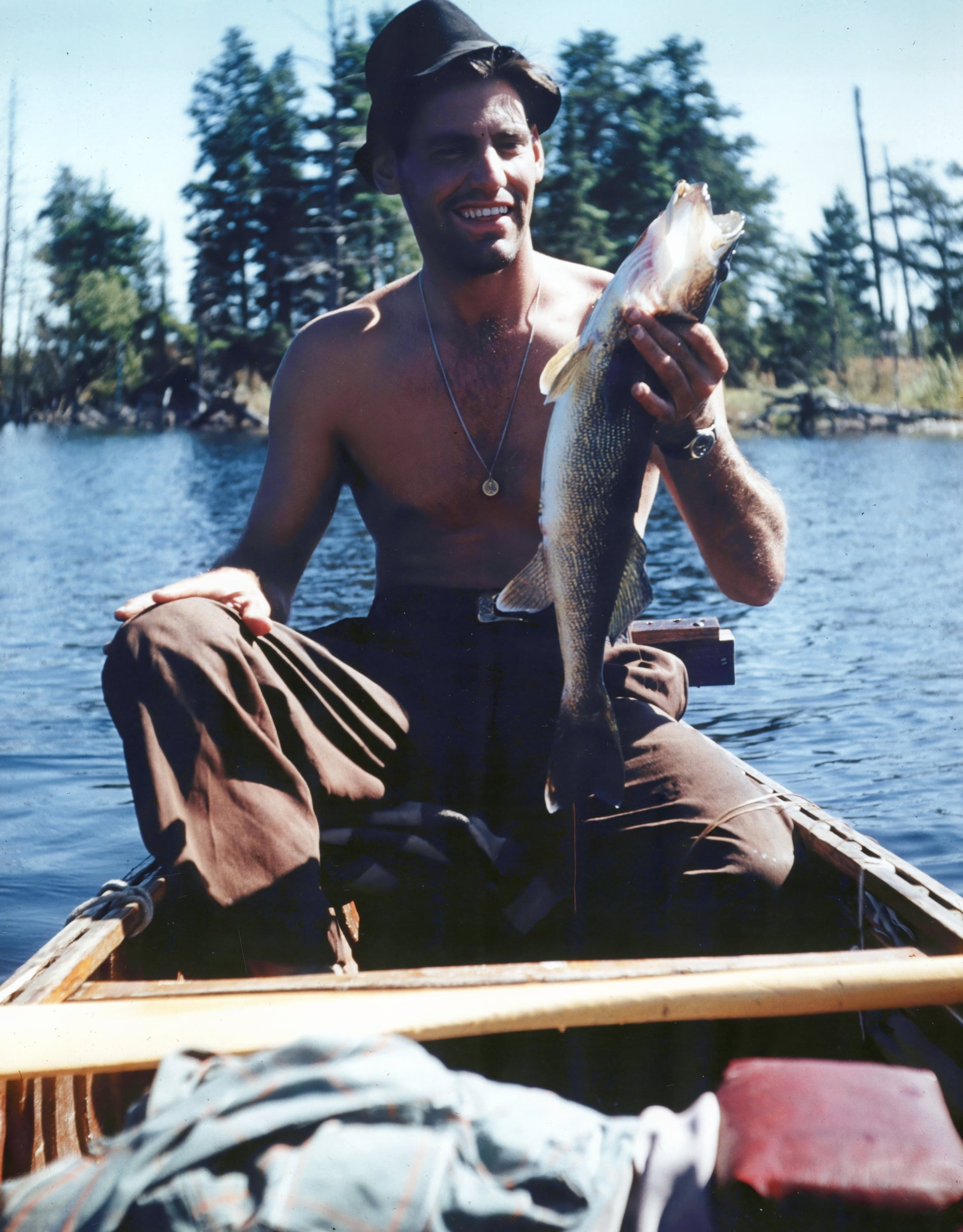
As I’ve said before, my father was killed when I was only 5, so I have very little memory of him. Most of what I have to go on are stories from Mom, a few from my older siblings and aunts and uncles. The story goes that after my older sister died from a Wilms Tumor at age 5, Dad turned to drinking in part to deal with the pain. True to the generational influence I mentioned earlier, his father, my grandfather, struggled with a drinking habit, one that he eventually kicked. I can’t imagine losing a young child, so I can almost understand this need to numb the pain.
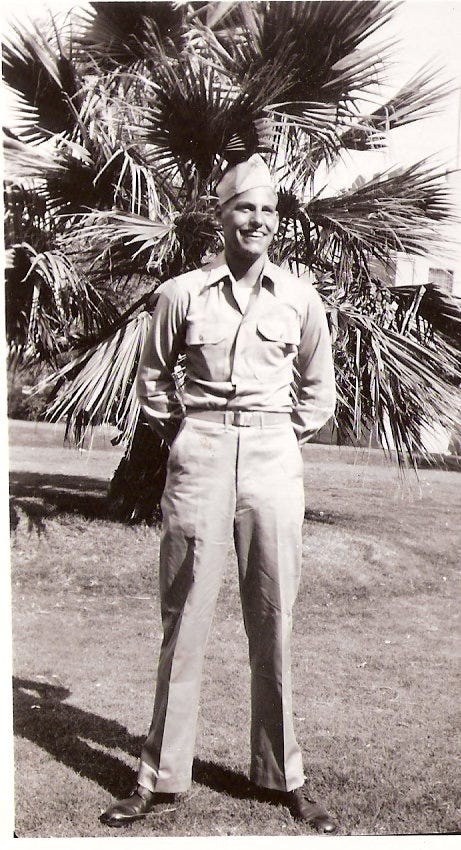
I also understand that my father was never content in his work. He enlisted in the Army to serve in WWII along with his twin brother, Tom (Air Force), but because of a medical condition, was honorably discharged soon after enlisting. It really bothered him that he couldn’t serve alongside his brother, and it seemed to set the stage for a series of jobs he never really liked. He worked in construction for a while, then became a traveling pharmaceutical salesman. At one point early in their marriage, he moved the family to Milwaukee, where my sister was born. He missed family and his Minnesota connections though and ended up moving back to St. Paul.
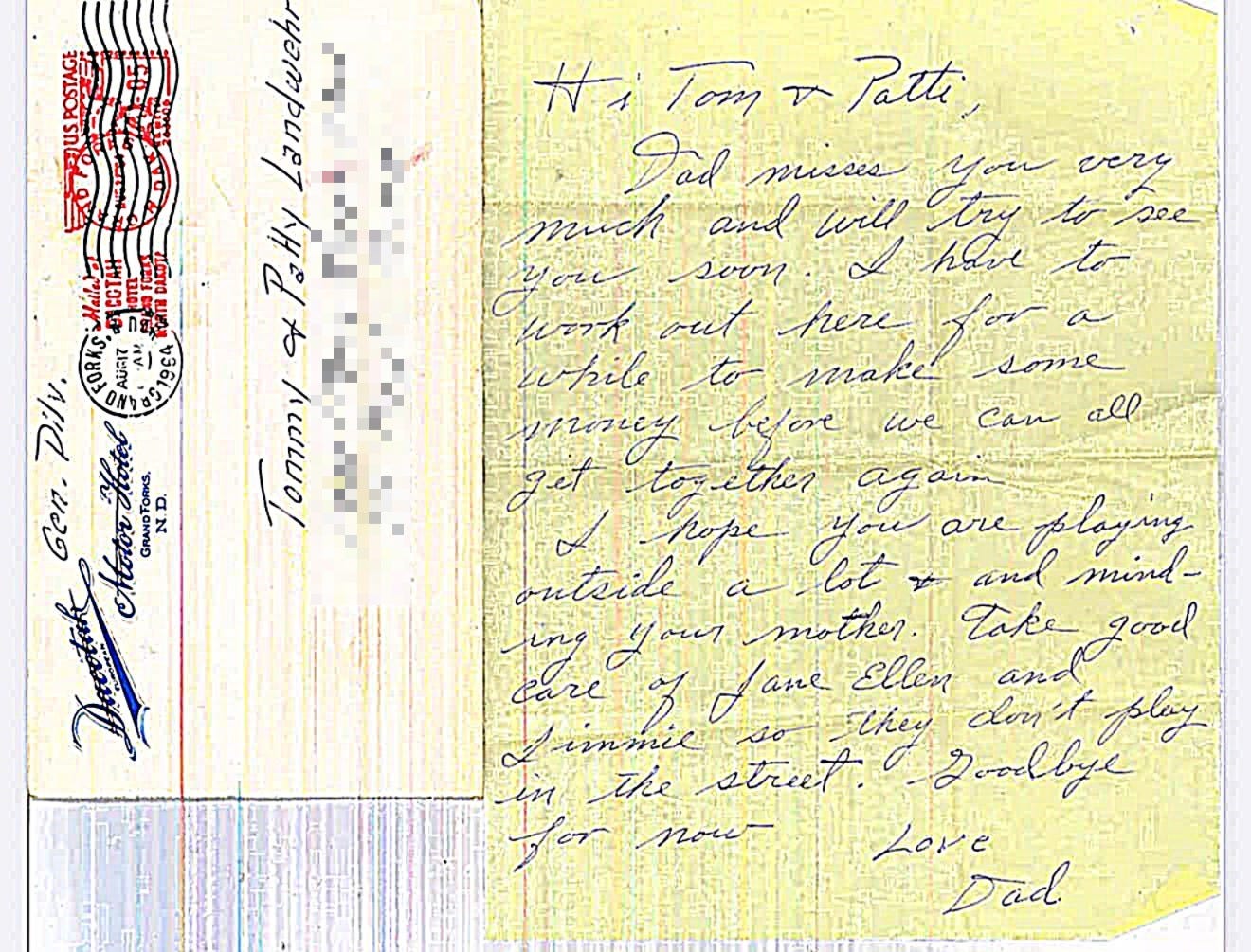
Dad even went out to Montana to a lumber camp (I believe) for a summer to earn money for the family. I was recently shown a letter he sent back to my brother and sister that showed his commitment to doing what was best for the family. Things like this letter mean the world to me because, other than pictures, it’s the only record I have of his thoughts. You can tell me he loved his kids until you’re blue in the face, but seeing it written in his hand is proof.
Well, to finish the story, his drinking led to a separation from Mom—she’d had enough. She had six living kids to raise, and she wasn’t putting up with his depressive drinking. Shortly after that separation, he was beaten to death in a racially charged bar fight by five assailants on June 28th, 1967. Left in his wake were mom and six kids between the ages of three and eleven. We were left to navigate growing up without a father. I can remember not wanting my classmates in grade school to know because I didn’t want them to feel sorry for me.
A few years later, my mother started dating again. She ended up in a relationship with Jack, a divorcee with eight kids. His family lived three blocks away from us on the same street. They dated for ten years and married in 1979. Our families co-mingled occasionally, going to the beach, a cabin, or occasional camping trips.
Unlike my father, my new stepfather had a good, steady job working for the State of Minnesota. He and I always got along pretty well. He introduced me to my love of professional football by following the Minnesota Vikings during the Purple People Eater years. My love of the sport led me to play football in middle school, and I remember him showing up to a few games with Mom, which meant a lot to me. I remember him punting the ball to me and my stepbrother Timmy at the beach one Saturday and asking Mom why he didn’t try out for the Vikings. He was funny and personable, the life of any party. Everybody liked Jack. I looked up to him, and he was the closest thing I had to a father, and I am grateful for that.
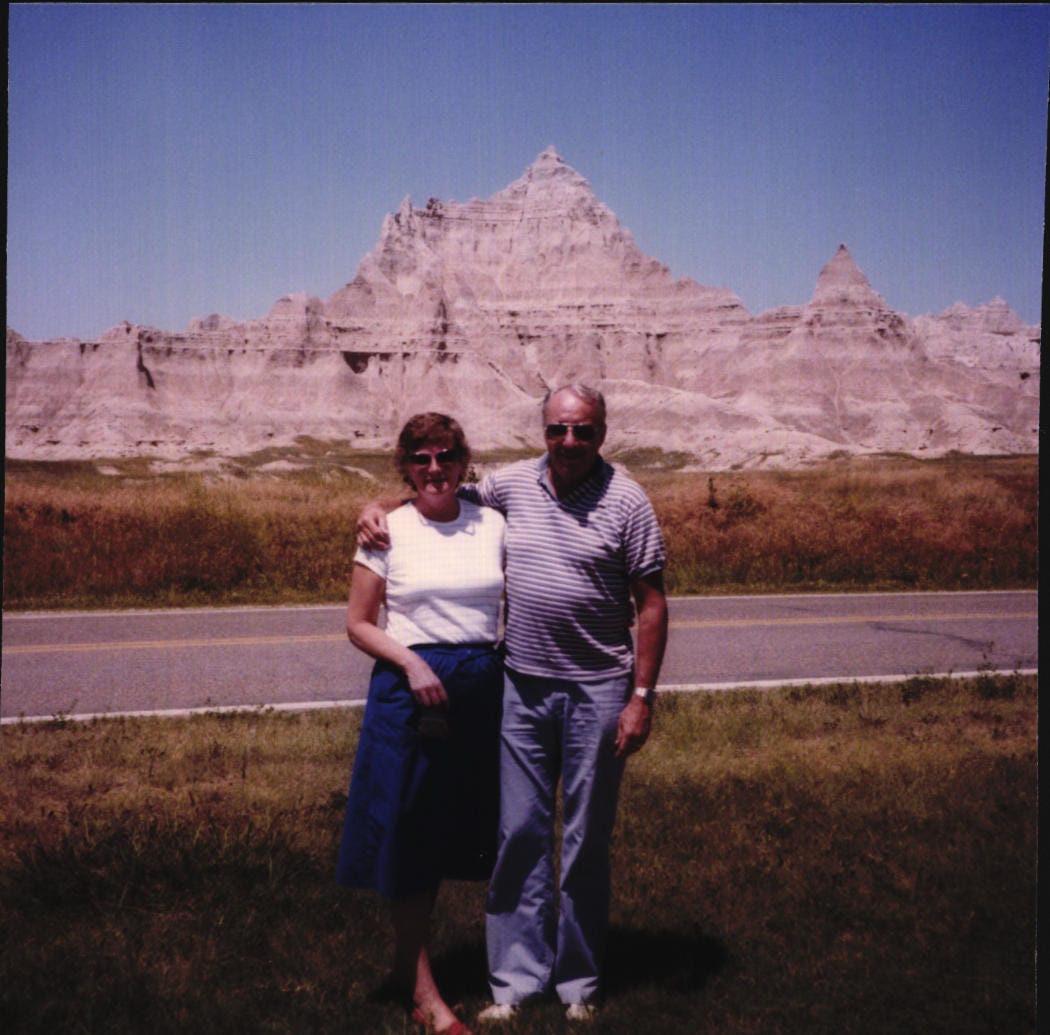
But, much like my father, Jack had a drinking problem too. It caused his first divorce and later the cause for the divorce of him and Mom. His nickname was “Happy Jack,” but it seemed he was most happy when he was in his cups. Sometimes weekend benders meant not seeing him from Friday night until Sunday morning, as he stayed at his buddy’s apartment drinking into the wee hours. With the drinking sometimes came hurtful words or insults disguised as “harmless” jokes.
Also, like my father, Mom finally had enough, and the two divorced in 1985. Drinking had driven him from his second marriage and family. It was clear that if there was to be a heroic father figure in my life, it would be Mom.
So, while for most of my life there was a male role model around, I was left to figure out which parts of their character were good and what was not. More than once Mom reminded us that there was a history of drinking problems in our family and we were expected to do better. While each of us boys danced on the edge of going down that path, none of us fell into the self-destructive habits of our fathers before us. Credit goes to our heroic mother for saving us from our past. She filled the shoes of both mother and father.
In Jack’s defense, it’s tough coming into a new family as a new father. It was awkward for both us kids and him. What should we call someone after not calling anyone ‘Dad’ for 13 years? Where should he draw the line in trying to guide us? How about discipline? As an outsider, he usually defaulted to supporting Mom’s reprimands and corrections from the wings. It would have been strange to have him tell us what to do. We knew it, and so did he.

When I married, I suddenly had a father again, this time an in-law. By this time, I’d developed my idea of what I wanted to be as a father, and used his example of being a good provider and a man who valued education and hard work as a guide for myself. Like the other two fathers, he had flaws of his own, but unlike the other two, it wasn’t alcohol. He could have done some things better, but can’t we all?
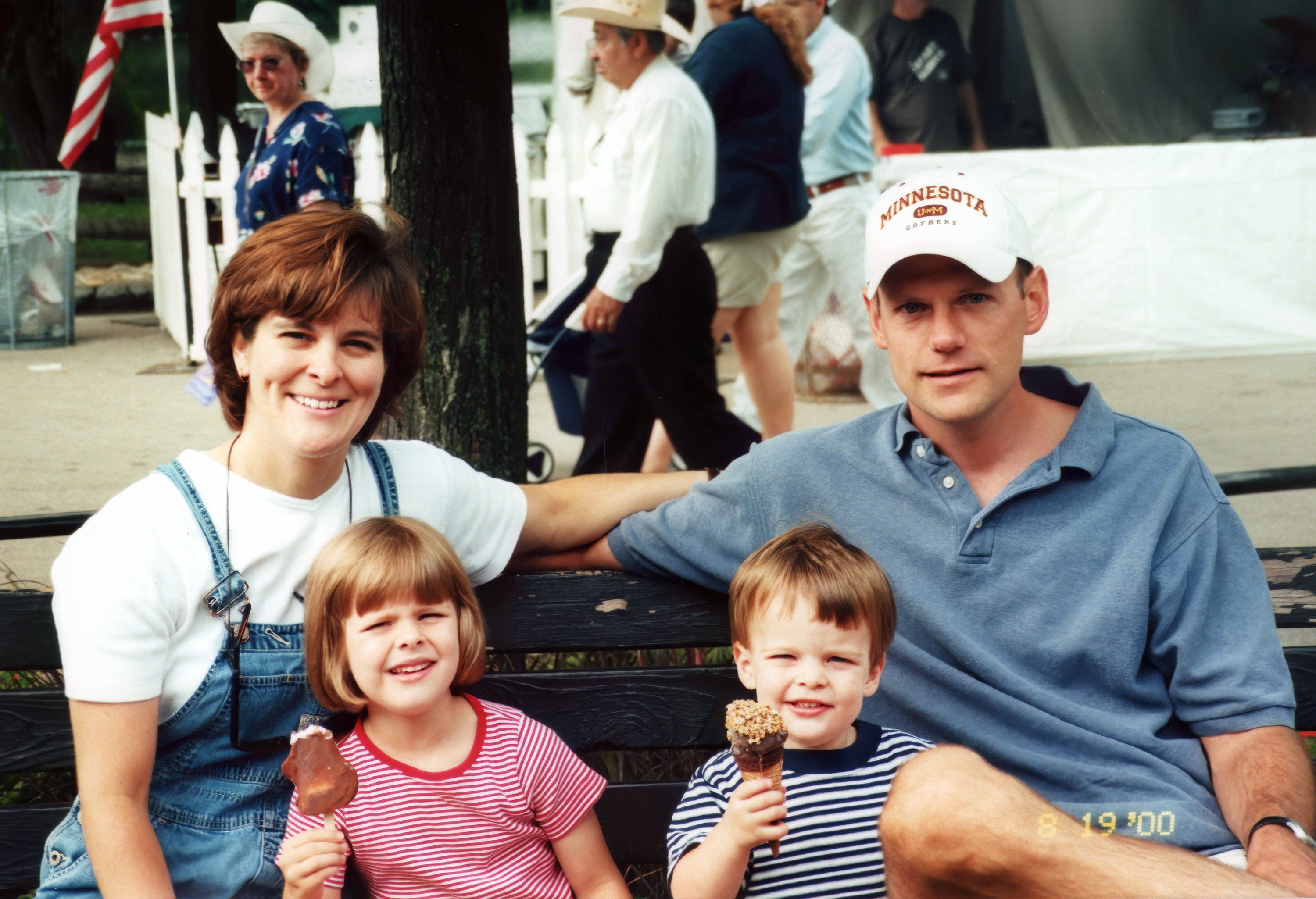
How does my fatherhood measure up? Well, like all of them, I brought my own flaws into my fathering. One of my few regrets is not taking time off work for field trips and parent-involved activities. I feared missing work for anything less than illness or vacation. Looking back, I wish I’d volunteered to chaperone more field trips or attended more workday school activities. I also wish I’d been the “bad guy” more often. Most times my wife was the “enforcer” with correction and discipline. That’s not to say I didn’t hold them to high expectations and my corrective moments, but I was more the entertainment director and Mom was the sheriff.
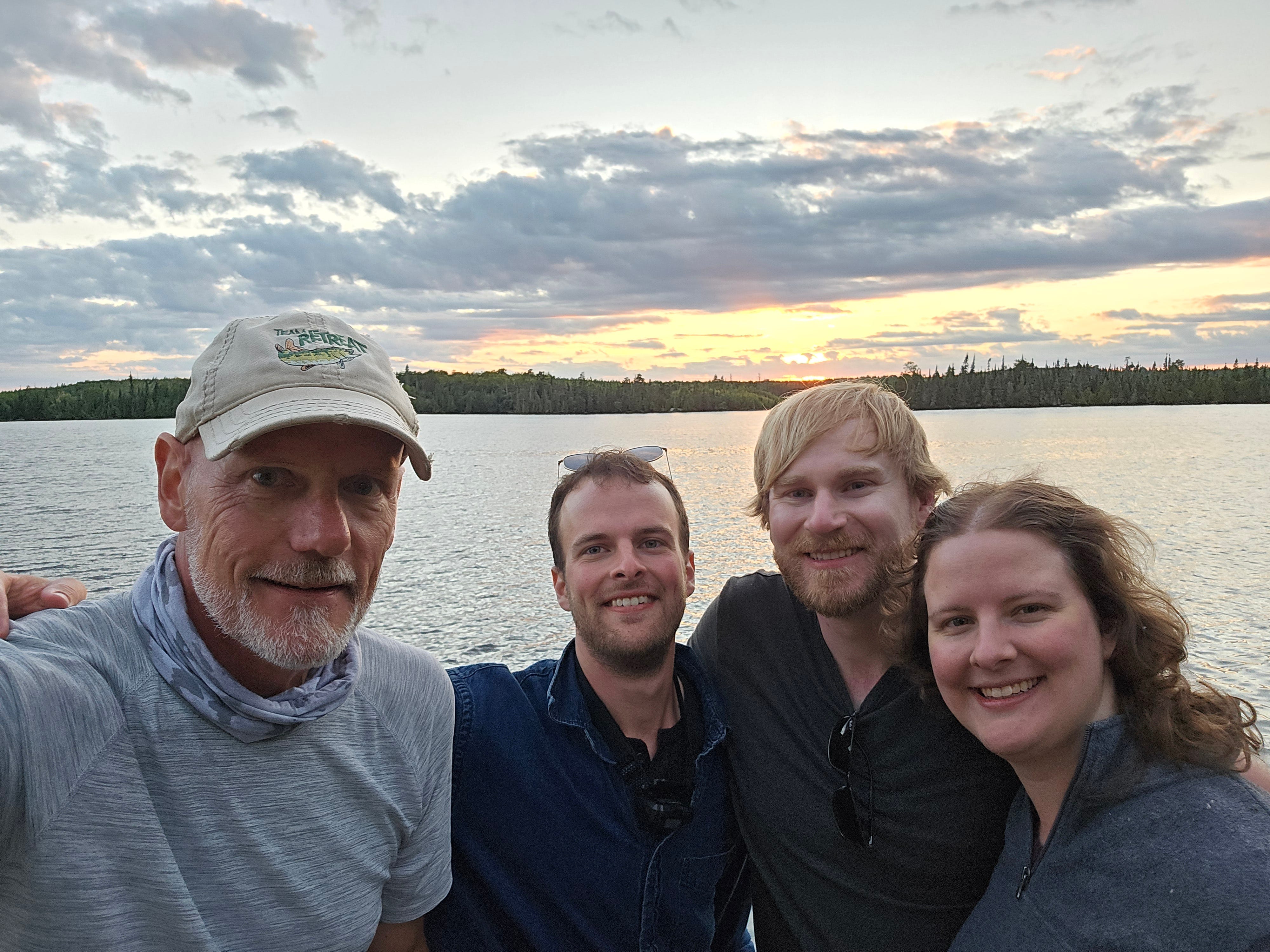
The one promise I made to myself when we started raising a family was that I would not let alcohol ruin my marriage or negatively affect my fathering. I wanted to do better than my own fathers. Perhaps that’s setting the bar too low, no pun intended, but I wanted my kids to feel loved and have some experiences I had with my fathers without the baggage of a drinking problem clouding the whole experience. Parents are really just flawed humans winging it and trying to raise slightly less flawed humans. As we do it, we bring our past with us, whether we recognize it or not. It’s what we do with it that matters. I guess in the end, only my kids or maybe my wife can assess how I did. All I can say is that I’m doing my best given the sometimes-shaky foundation I grew up on.
Comments
Nothing yet. Say the first thing.
Sign in to join the conversation.