
I am not a gardener. Well, let me rephrase that. My wife and I are not gardeners. We don’t enjoy it, and it’s not something we look forward to. To me, a garden only means one thing: weeds. As much as I don’t look forward to gardening, I positively loathe weeding. I understand it gives a person a sense of accomplishment, but it’s a temporary accomplishment that will have to be repeated in two weeks’ time. If you actually enjoy weeding, well, I count you among the “gardening crowd” and we may not be able to hang out together.
I’m certain the weeding dread goes back to my summer days when Mom would leave fifty cents for me to weed the front garden. It was the ultimate Catch-22 because, to me, it meant two packs of football cards at the cost of kneeling in the dirt for an hour picking weeds. If I wanted the goods, I had to sweat. It was a paid chore that may have laid the groundwork for a life of non-gardening. Maybe not, but since those days, I’ve never said, “Today’s a great day. I think I’ll go weed!”
I don’t want to give the impression that we don’t appreciate a pleasant garden. I love the English garden that a master gardener neighbor up the block maintains. Something is always blooming or dying. It is a pleasure to walk past every day. The garden is mature and well kept. The owner knows exactly when to cut things back and when to water. She even took her garden out to the city terrace to expand it.
But my neighbor is not me. While I appreciate the beauty and pollinator friendliness of a nice English Garden, I am busy enough trying to keep the dandelions and Creeping Charlie from taking over my lawn while I maintain a “valiant effort” garden that is probably more the norm in this neighborhood. A garden for mere mortals.
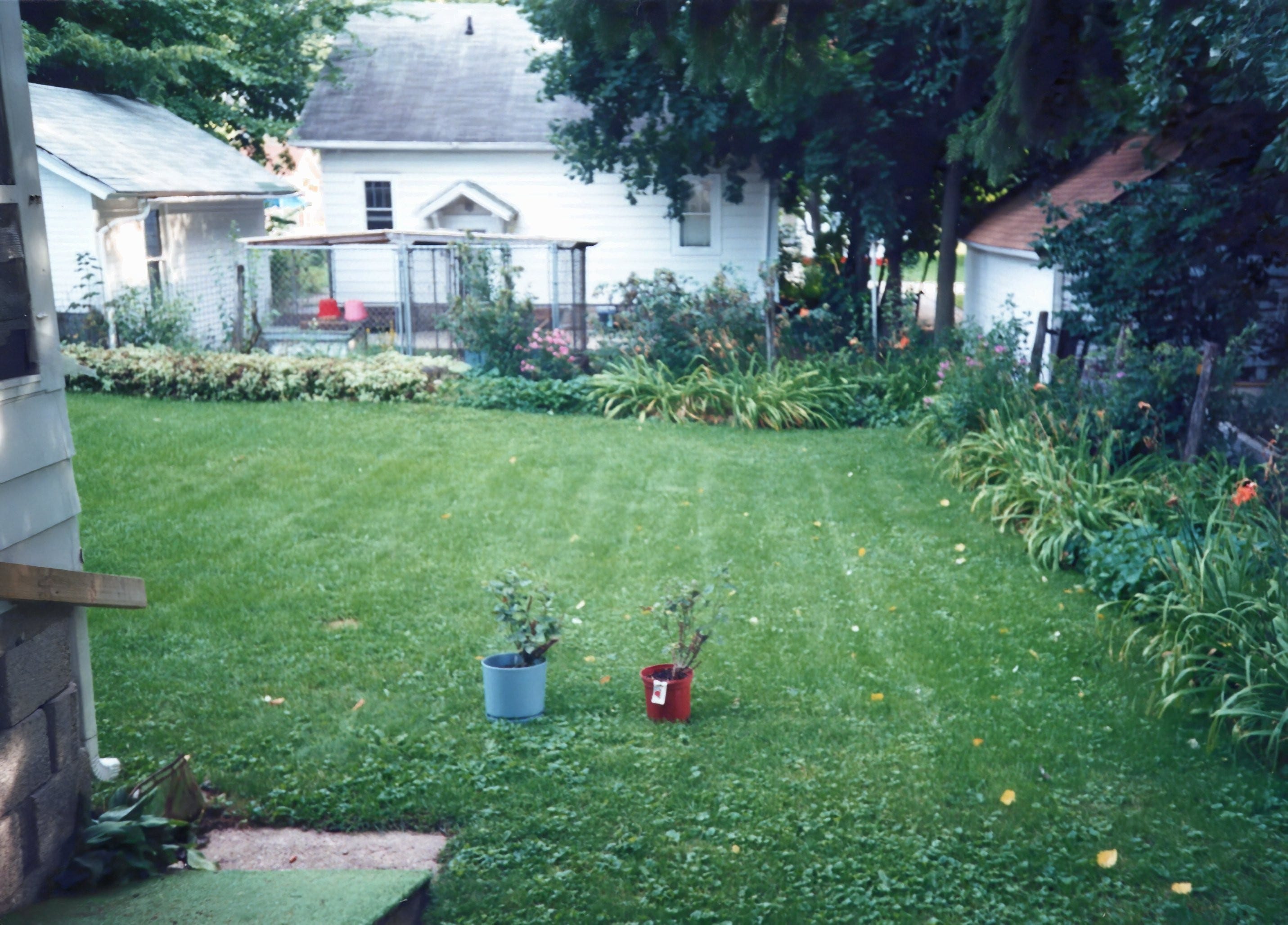
At the same time, I am always looking toward doing better. When we first moved into this house, the backyard was rimmed with daylilies and rampant ground cover. Our first order of business was to remove all of those and the red brick that served as a border to them. When they were gone, we planted Roma tomato plants, hoping to use them for sauce. In true fashion for us, they were overtaken with some sort of wilt at the bottom of the fruit, and that was the end of our aspirations as urban farmers.
Last year, we had grandiose plans of starting a prairie in our backyard. I have a friend who has a significant yard, and in the past, sitting there watching the pollinators feed gave me hope. I thought what a better place the world would be if everyone did this? Green lawns are insect and animal deserts.
Anyway, our spring got away from us, so the prairie didn’t happen. I still wanted to do something that would help pollinators but not be too much work; because I hate gardening, remember.
We were left scrambling with a Plan B.
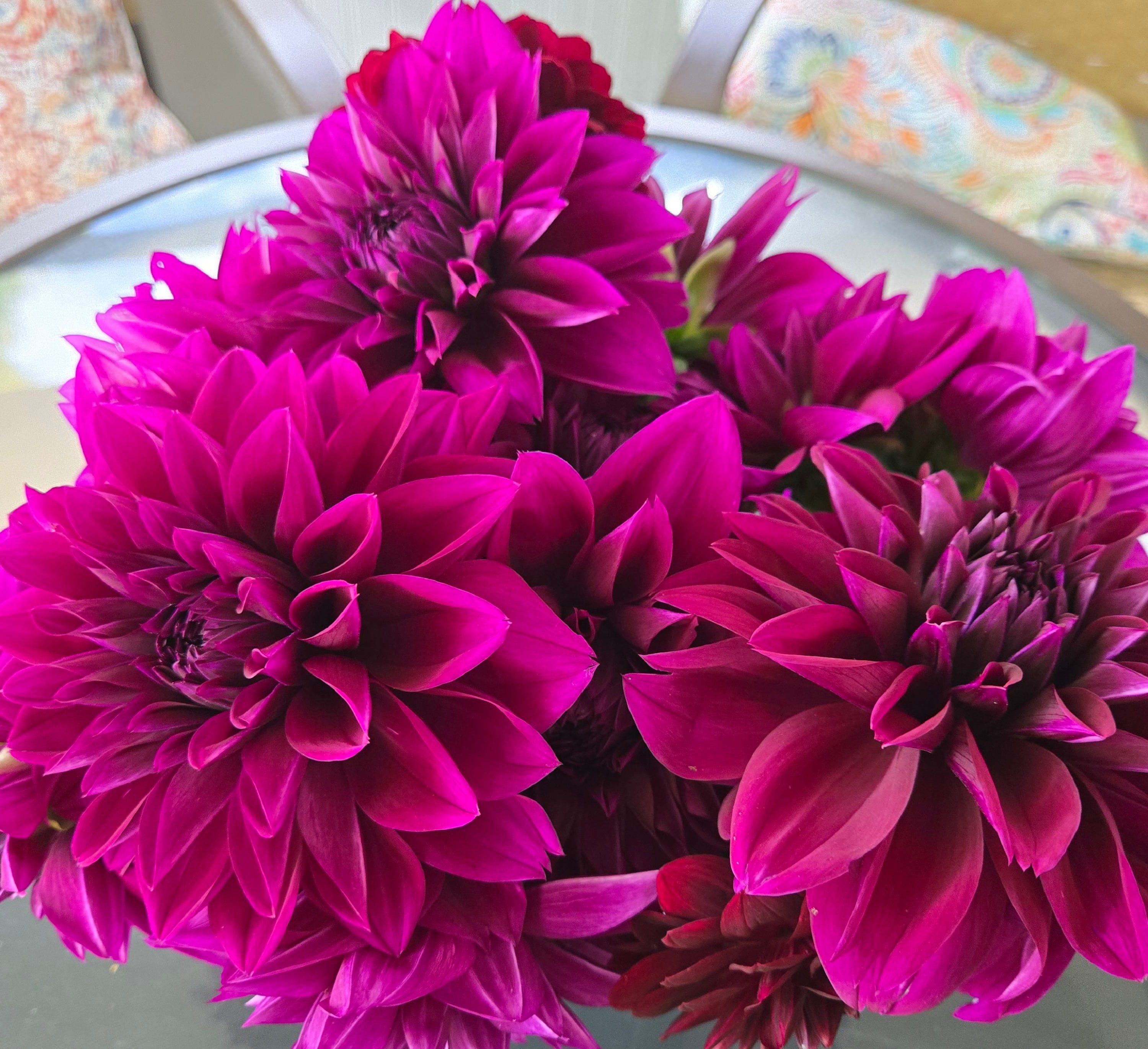
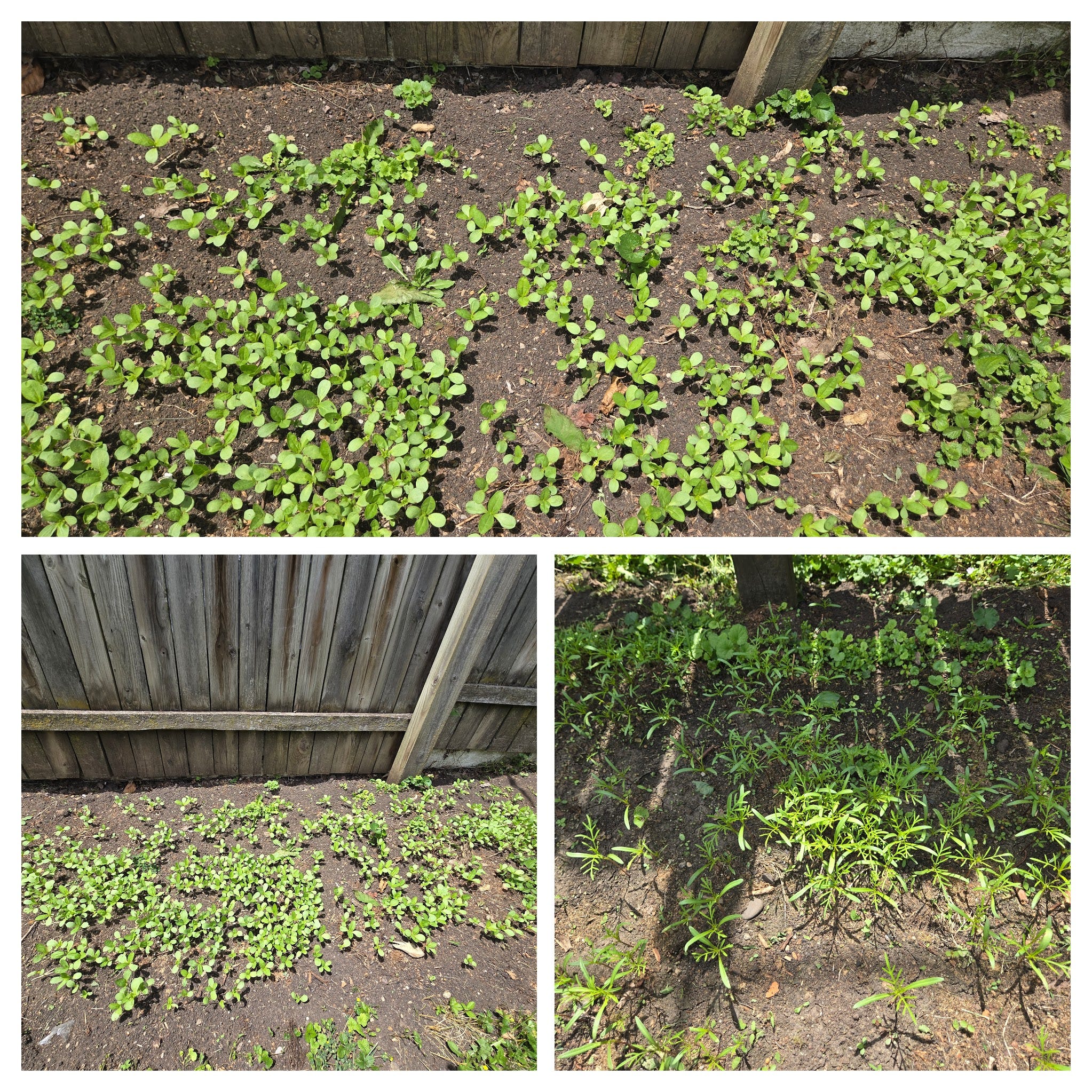
So, we planted six Dahlias in the same spot that we used last year. Next, I borrowed a rototiller from a friend and carved out two four-foot strips of grass from our lawn. Next, I mixed in a layer of peat moss to enrich the soil a little. A couple of days later, we planted Zinnias along one section of the fence and Cosmos on the other. Our thinking was that they are low maintenance, they provide for pollinators, and are beautiful.
After two weeks of holding our breath, hoping they would grow, the first blooms started poking out. Now, all three beds appear to be thriving. While the Dahlias are already showing buds, I’m guessing we won’t see flowers from the Zinnias and Cosmos until July. They seem much slower growing, but should fill a nice share of our yard with something better than grass, dandelions, and Creeping Charlie.
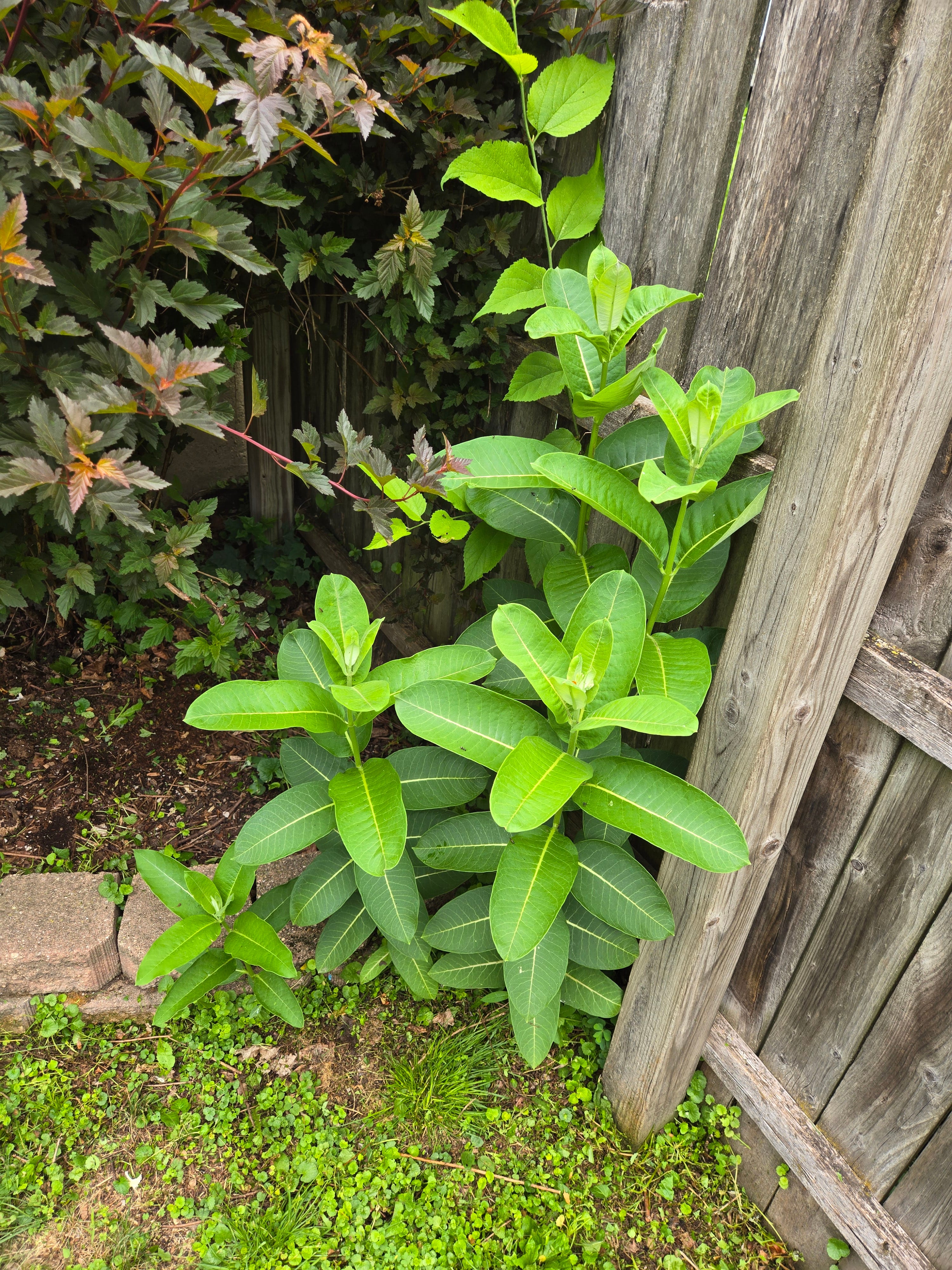
The backyard also has a few stray Milkweed plants that I’ve let be. And while I once fertilized annually, I stopped years ago. I also refuse to buy weed killer or subscribe to TruGreen lawn service. A natural lawn is bad enough without a toxic topping. Besides, birds and squirrels can’t read that Keep Off The Grass sign. Well, maybe the smart ones can.
I am probably not giving us as much credit as I should. Our side gardens have a decent stand of Peonies and (Lillies?) and our front has some willowy bushes, ground cover a lilac bush, as well as some ground cover, a hydrangea, clematis and a rose bush that is over 30 years old and still producing great flowers.
On the indoor side, my wife seems to have developed a houseplant habit. I’m a big fan of low maintenance of houseplants, especially given the air quality issues they promote. Besides, they add charm to a house. We have two enormous Christmas Cactuses that were once her grandmother’s plants. We took one and thinned it out to create another. They are flourishing and actually flower twice a year (Christmas and Easter). She also has a Shamrock plant that is constantly either doing great, or in some emotional funk, faking its death until it feels like coming back. It’s our petulant teenage plant.
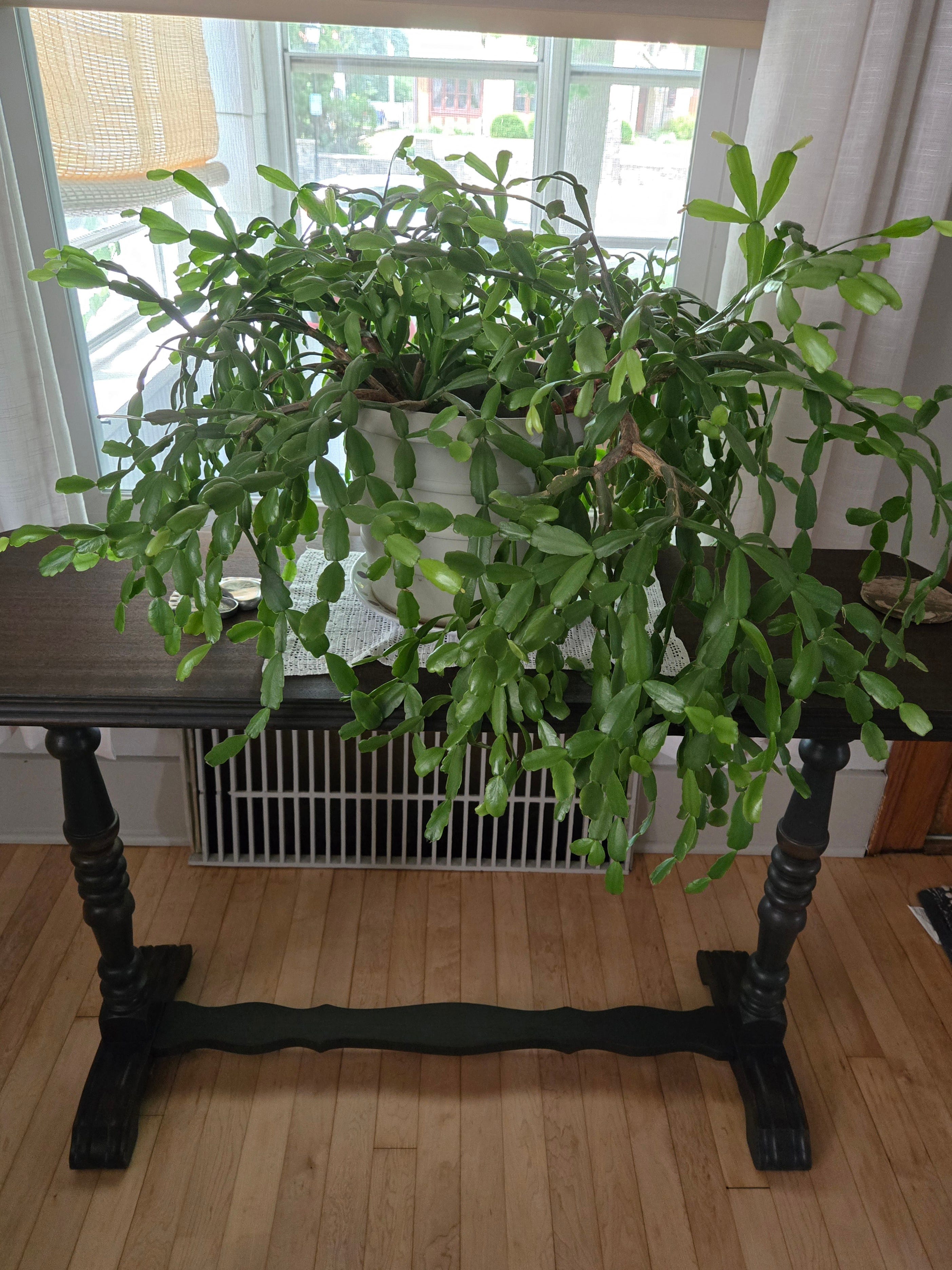
And finally, we have a small herb garden with a potted basil plant, chives, oregano, and a lavender plant that wants to take over the place.
So, we’re trying to save the world with our flowers and plants. We really are. And after writing this, I’m reminded that we’re doing okay, all things considered.
It’s just not our passion.
Comments
Nothing yet. Say the first thing.
Sign in to join the conversation.