
Hi, crew! When I first started this Substack, I was doing instructional posts every Tuesday in a 101 series.
I haven’t done one in a while because I ran out of topics, so if there’s something you’d like to see explained on depth, please let me know! I’m including the full library of posts below.
Today, I want to talk about public speaking. I realized I’ve done a post on how to give a TEDx talk before (which is a great way to build your speaking resume) but I want to give a broader explanation about speaking in general.
Let’s get into it!
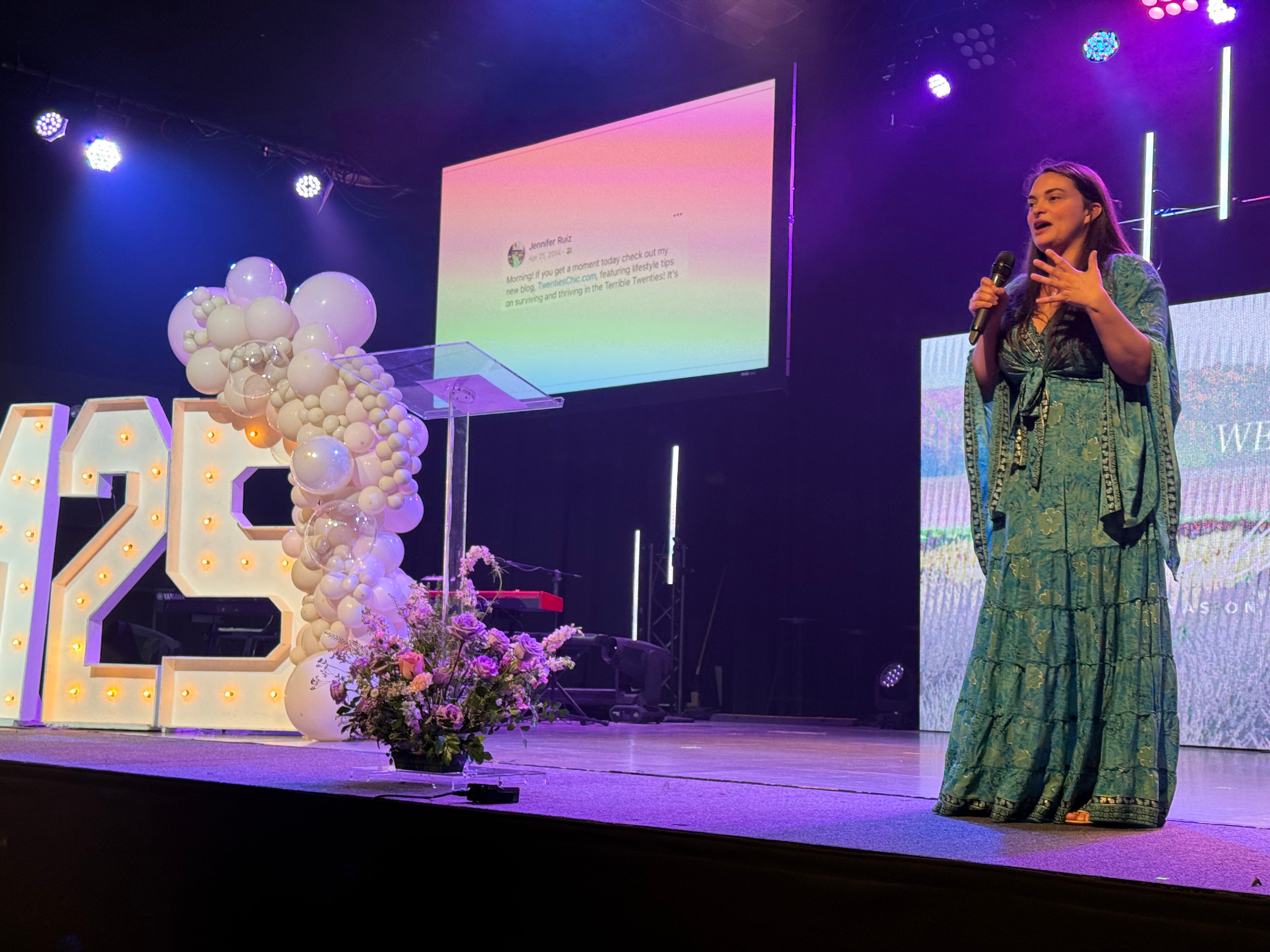
I’ve already had 10 paid speaking gigs this year. In addition to being a 3x TEDx speaker, I’m a keynote speaker and have spoken to the U.S. Department of Treasury. I have also spoken at events like TBEX, The Women in Travel Summit, The Travel & Adventure Show, and many others.
Click here to watch my speaker reel.
You heard that right, by the way—I’m paid to speak. Public speaking can be lucrative in multiple ways.
The only situation where you’re never paid to speak is on TV news, since that’s earned media and publicity and some people actually pay to get that kind of exposure.
But if it’s an event, conference, or anything else where there’s a budget or people paying for admission, getting paid to share your story is the norm.
Occasionally, if an event is tight on budget and can’t offer a speaker fee, they may offer alternatives, like buying bulk copies of your book or allowing you to pitch your services on stage, to hopefully compensate you for your time with the sales you make from the audience.
In-person events typically pay more than virtual events, and sometimes include your travel expenses like the flight and hotel. They should always include a free ticket to the event generally.
Beginner speakers usually make less than $1k. Intermediate speakers can make $1k-$10k per event. Experienced speakers and celebrities can command $10k-$100k+.
As with most things, to get started, you need to apply. Conference organizers aren’t magically going to know you exist, unless you have some major visibility ahead of time (this might come from a viral video, other press coverage, etc).
For the most part, though, speaking is competitive. You need to throw your hat in the ring and advocate for yourself.
For instance, SXSW allows anyone to pitch a panel, and then has a period of audience voting to determine who ultimately gets selected. This is more rare than there being one person in charge of selecting speakers, but illustrates the basic concept.
Namely, when an organizer is planning an event, they’re looking for speakers that are going to make people want to attend.
Digital speaking engagements are going to be easier to do than in-person events since they don’t require travel or compensation for expenses.
If you host a workshop or speak at a virtual conference, that all counts as speaking and facilitating experience.
The Jet Plane Crew is a great place to start! I’ve shared calls for speakers from travel organizations and brands on here, like Pinterest and TravelCon.
Outside the travel space, Phylecia Jones runs a paid opportunities space for speaking gigs called I Find, You Close.
But generally, you can search on Google for the conference or genre and add “call for speakers” or search for related hashtags across social media (speakers wanted, speaker application, call for speakers). Most organizations publicly share when speaker applications are open.
If you miss a deadline (the window is usually only open for a short time, about 6 months to a year before in-person events take place) then make a note to look for speaker applications the following year.
You’ll need a speaker kit. This is like a media kit for influencers, only it focuses specifically on your public speaking experience. You’ll share your bio, your signature talks, any testimonials, any specifics of the equipment you require to speak, and your rates if appropriate.
A speaker reel is optional but it helps. It should be less than 2 minutes and just be like a teaser or trailer for the experience of having you on stage.
It helps to have a good videographer for this that captures the crowd while they’re hype and angles pictures so you don’t see any empty seats.
Testimonials help, and I recommend grabbing them not just from conference organizers but from your session attendees as they’re walking out and feeling motivated by your talk.
I know this is a lot of info so I’ll wrap it up here.
Feel free to drop any questions in the comments, I do my best to reply to every single one.
No posts
Comments
Nothing yet. Say the first thing.
Sign in to join the conversation.