
A few times a month I get emails from people asking for advice about writing, parenting, adjusting to disability, and more. Unfortunately for me, none of the requests are about which robe to buy or the best scented hand lotion or the ideal Birkenstocks. So I will keep my picky little opinions to myself.
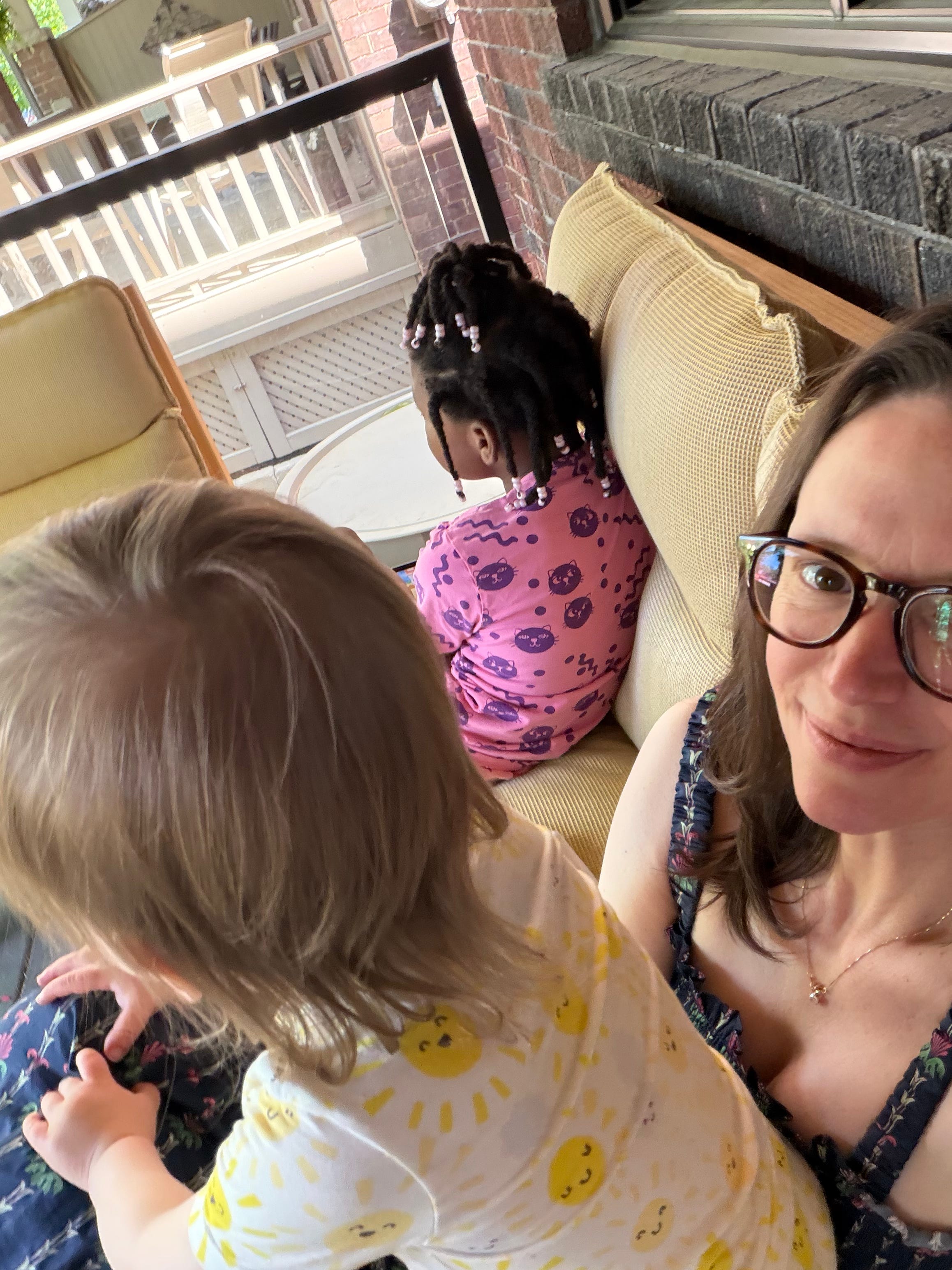
Brenda (name used with permission) recently asked such a thoughtful question that I asked if I could share it here. She graciously agreed, which gives me permission to spend more words on my answer than I normally would in an email response.
If you ever have something that you’d like me to answer publicly, you can reply to my substack, DM me, or email me at slicejessica [at] gmail [dot] com.
Question:
How did you find the resilience to keep going when you were hit with such an unexpected maelstrom with your daughter? I find that with the passage of years and with a succession of health issues (on top of the CFS, I have post concussion syndrome, had breast cancer) my emotional gas tank or inner resilience is getting smaller and more fragile. I believe that most people who know me would say that I went through all of the above with resilience and positivity (like you illness provided me with the opportunity to build a much better relationship with myself and to appreciate the small joys in life) but now much smaller issues just grind me down and I am not convinced that I will manage well if/when another one hits. Any insights would be appreciated. I find that hearing about other people’s journeys gives me strength through a feeling of solidarity and shared humanity.
Answer:
I love what you are pointing to here, that sometimes surviving heartache teaches us that we can survive. But sometimes, it feels like it does nothing but deplete us. I have felt this way. We recognize our depletion when smaller struggles start to feel like too much. People talk about burnout, but what can we do when burnout isn’t because we are taking on too much but instead because we are given too much?
Three years ago, I got my annual echocardiogram and it showed a change in my aorta that could be dangerous and could mean surgery. To know exactly how bad and how soon, I needed a follow-up MRI, which took about 6 months to get. During that time, I agonized about what the MRI would show. I felt certain that I simply could not bear a heart surgery. Even getting a filling makes me sick for weeks, so how could my body sustain something that major? How could I endure the anxiety and fear? And of course, what about the risk of dying?
As I’ve written about, my transition to disability was acute. There is not a minute of the day that I do not experience pain and discomfort. My body’s limits dictate my life. And yet, I am happy. But when I imagined a heart surgery, I was certain that my capacity to acclimate would reach its limit there.
The MRI (more reliable) showed that the echo results had been an error. My aorta looked just fine. I would go back to my yearly echocardiogram schedule. I can still remember how the relief fell on me like a blanket when the email came in. We were on the highway and I had checked my portal. I cried and then felt very hungry.
If you had asked me one year ago what we would do if our darling K were to become acutely ill with an illness that would leave her in so much daily agony that she could do nothing but pass the days under a blanket alone — that she would lose school, friends, activities, the outdoors, conversations, reading, talking, drawing, singing — I would say she could not do it and neither could we. If you described even one hour of our worst day this year, I would tell you that we simply could not live that way.
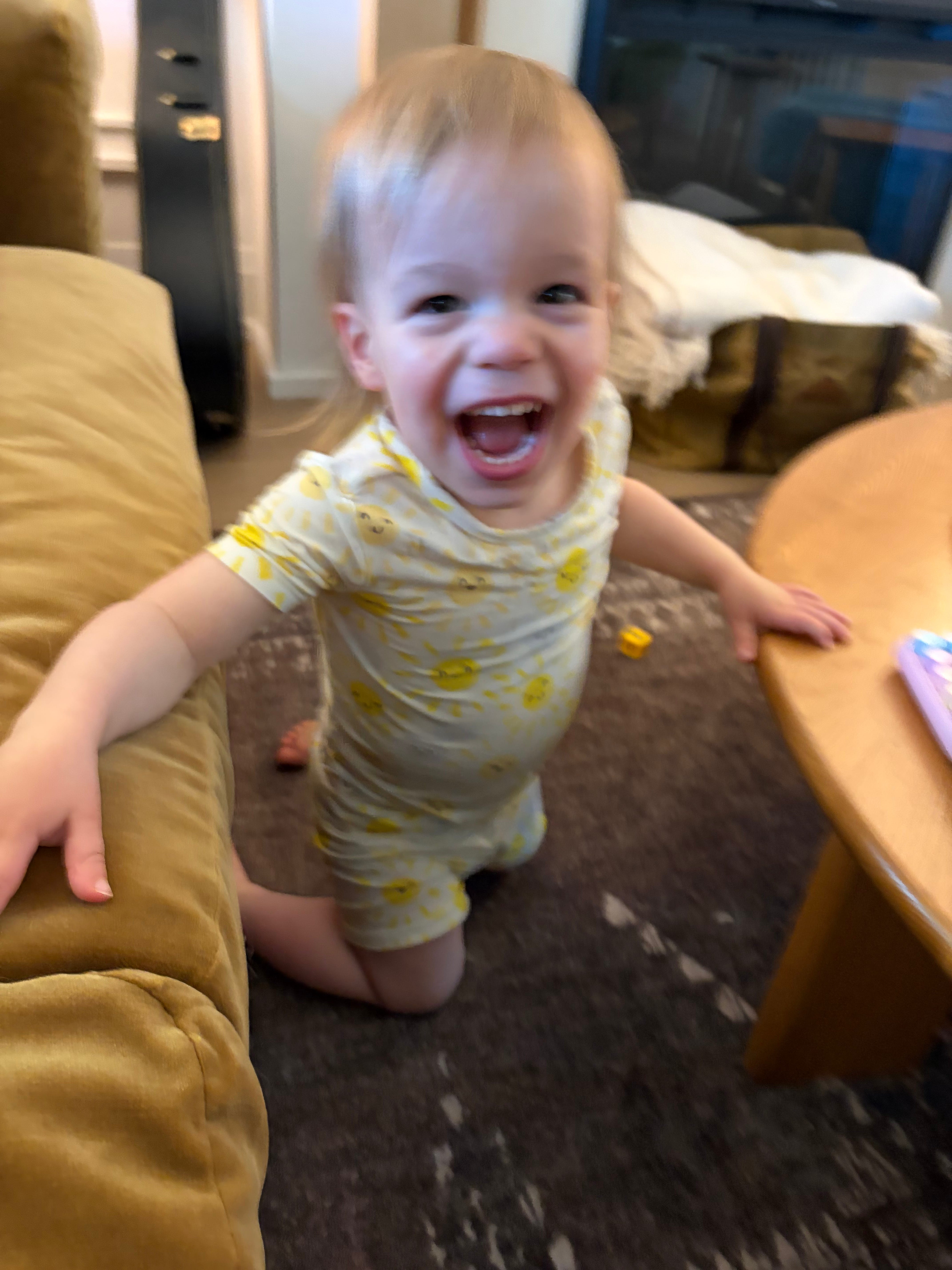
And yet. We have. Today, K felt well enough to leave the house for a few minutes. We looked at a rose that earlier in the week was a bud but today was full and as large as a grapefruit. She rested her hand on the arm of my wheelchair as F flopped in my lap, his squeaky voice reading the bus numbers as they passed. Those minutes, which nine months ago would have been just the beginning of a day of school and camp and playgrounds and playdates, are the highlight of our day.
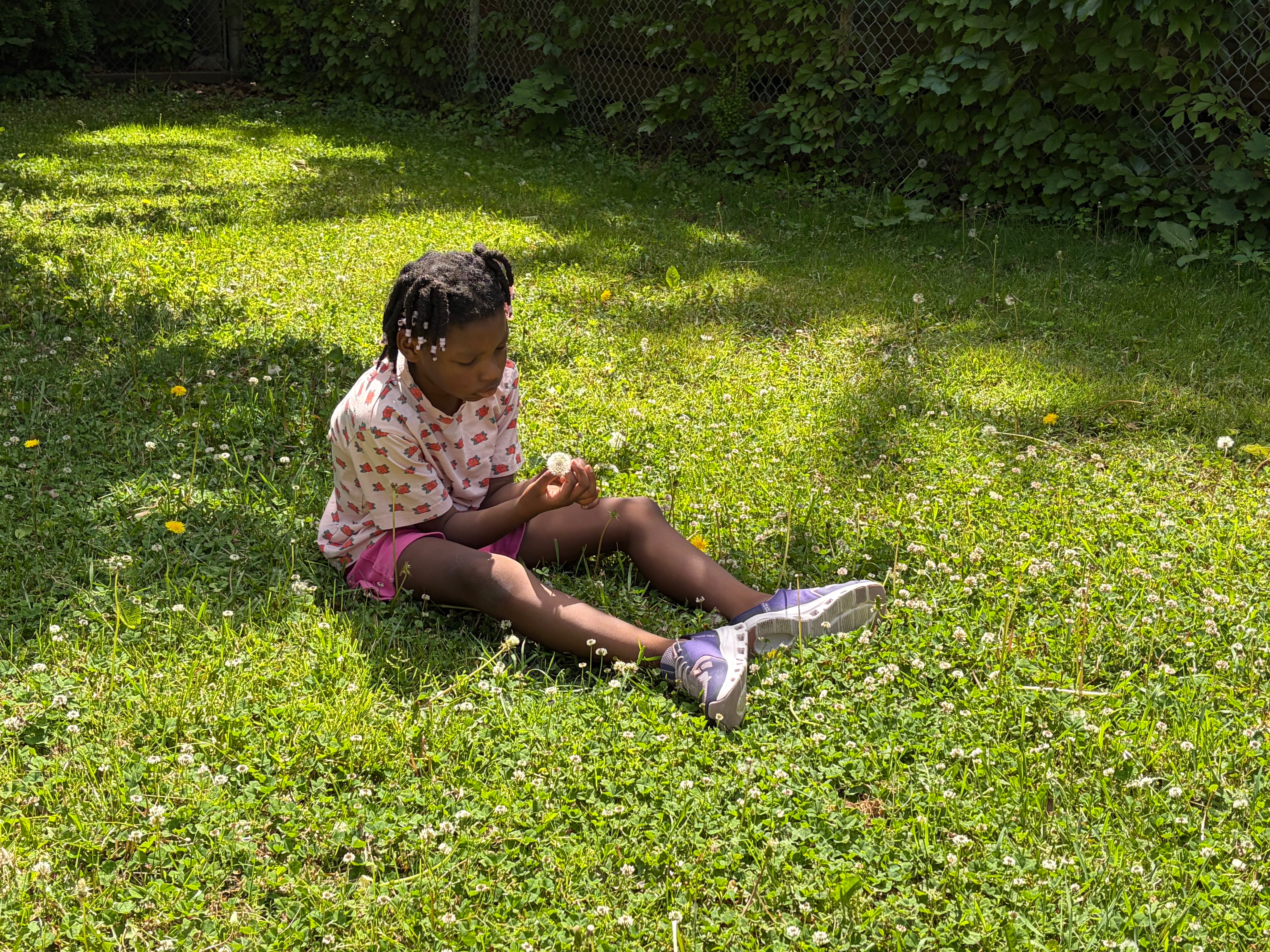
We have not survived unscathed. Our faces have aged. We sleep worse. Every one of us has suffered (mostly K). But we have survived.
Where is all this going, Brenda? I think it’s this. We do not know what we can endure. We do not know from where the next struggle will appear or what form it will take. But just as the course of our lives is a mystery, so is our capacity. Maybe you cannot handle one more thing. But maybe you can.
So, like you asked, how did we survive? For one, there were weeks and months during which I demanded almost nothing from myself outside of protecting my family and my body. I ate exclusively cheese, crackers, cookies, and chicken nuggets. I rarely showered. I didn’t reply to texts or emails. I used a lot of single-use plastic.
I read the same poem every day, “Wait” by Galway Kinnell, and I told myself that I didn’t have to believe in anything except that hours would continue to pass. I looked at the moon at night and begged for something to ease K’s pain. But then I also repeated a prayer of acceptance, for which this newsletter is named. May I have the capacity to want what I have.
Whatever happens. Whatever
what is is is what
I want. Only that. But that.
I asked for help. I told my friends the truth. I told my therapist the truth. I accepted the many delivery meals I received. I cried all the time. David and I started trauma therapy. I went outside sometimes.
Silver linings aren’t real. This hasn’t happened to K for a reason. But it has happened. All of our lives are short and painful and unpredictable. But we also cannot predict our capacity to change. We are not the same people at the end of a heartache as we were at the beginning. Sometimes we come out braver and stronger and clarified. Sometimes we are diminished and more fragile, but even then, by grace, we still exist.
Wait, for now.
Distrust everything if you have to.
But trust the hours. Haven’t they
carried you everywhere, up to now?
Personal events will become interesting again
Hair will become interesting.
Pain will become interesting.
Buds that open out of season will become interesting.
Second-hand gloves will become lovely again;
their memories are what give them
the need for other hands. The desolation
of lovers is the same: that enormous emptiness
carved out of such tiny beings as we are
asks to be filled; the need
for the new love is faithfulness to the old.Wait.
Don’t go too early.
You’re tired. But everyone’s tired.But no one is tired enough.
Only wait a little and listen:
music of hair,
music of pain,
music of looms weaving our loves again.
Be there to hear it, it will be the only time,
most of all to hear your whole existence,
rehearsed by the sorrows, play itself into total exhaustion.
No posts
Comments
Nothing yet. Say the first thing.
Sign in to join the conversation.