
Interviews from the Road is a series of excerpts from conversations I've had with people along my route. We’ve been talking about what it mean to be American in 2026 and where they feel the country is headed, but also their stories and passions, how they fell in love or got their dream jobs, how they’ve coped with tragedy and loss, the best advice they’ve ever received. The interviews were all recorded with permission, and I have only excerpted portions of them for brevity. You can read the first part of this series here.
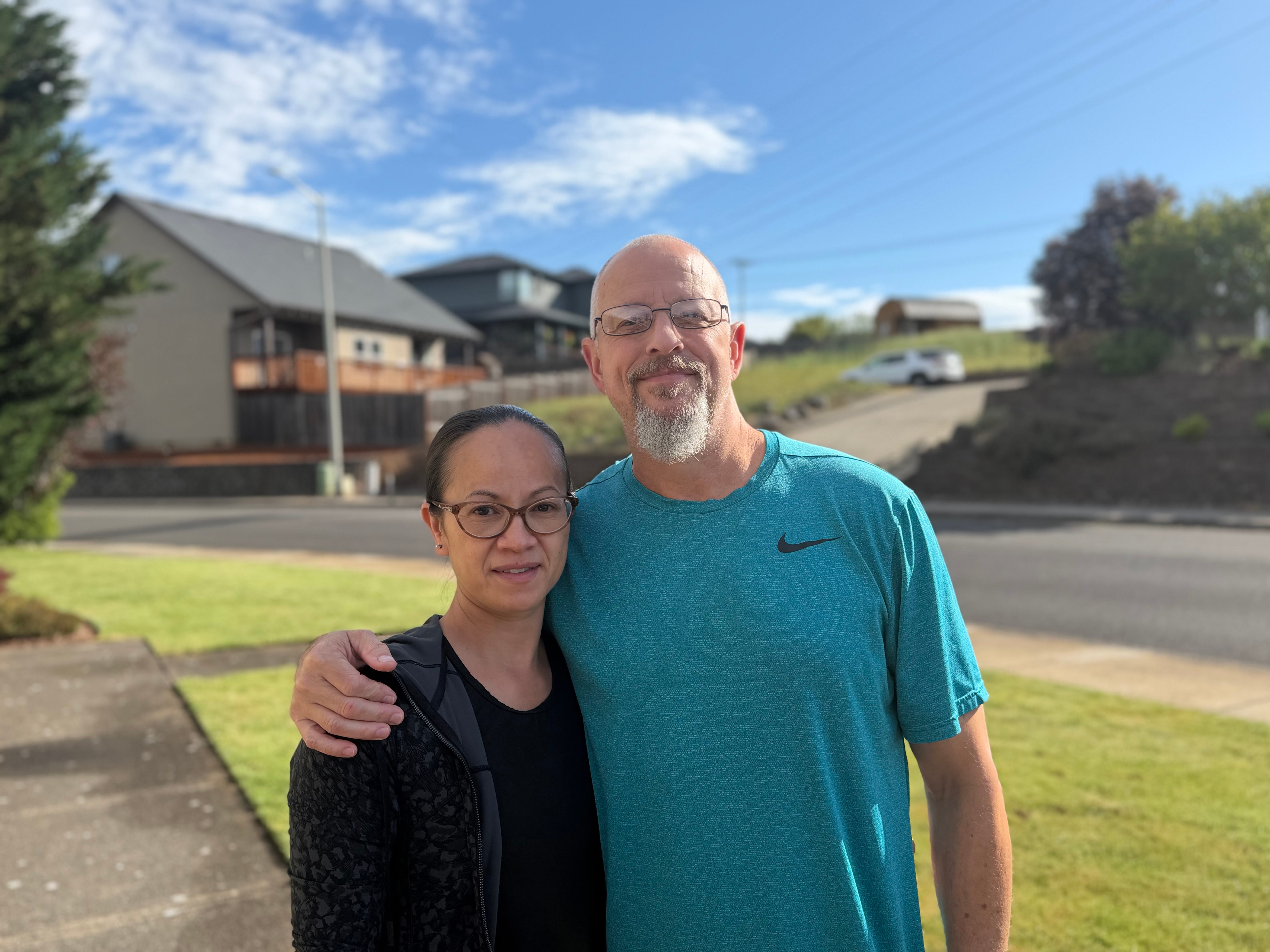
Tracy and Laurie Parish
Salem, Oregon
Laurie: “Family in the Hawaiian culture means everything. No matter what: they’re always going to be there: good, bad, otherwise.”
Tracy: “It’s like no judgment—that’s how the culture is. It’s not what you did wrong, or you could have done something differently—it’s just acceptance. It’s hard to put into words unless you encounter it, you’re a part of it. The time we went to Hawaii, they were meeting me for the first time after us getting married, and it was like I’d been around for 20 years. You’re part of the family. It doesn’t matter if you’re white or Hawaiian or Black or whatever: You’re family now.”
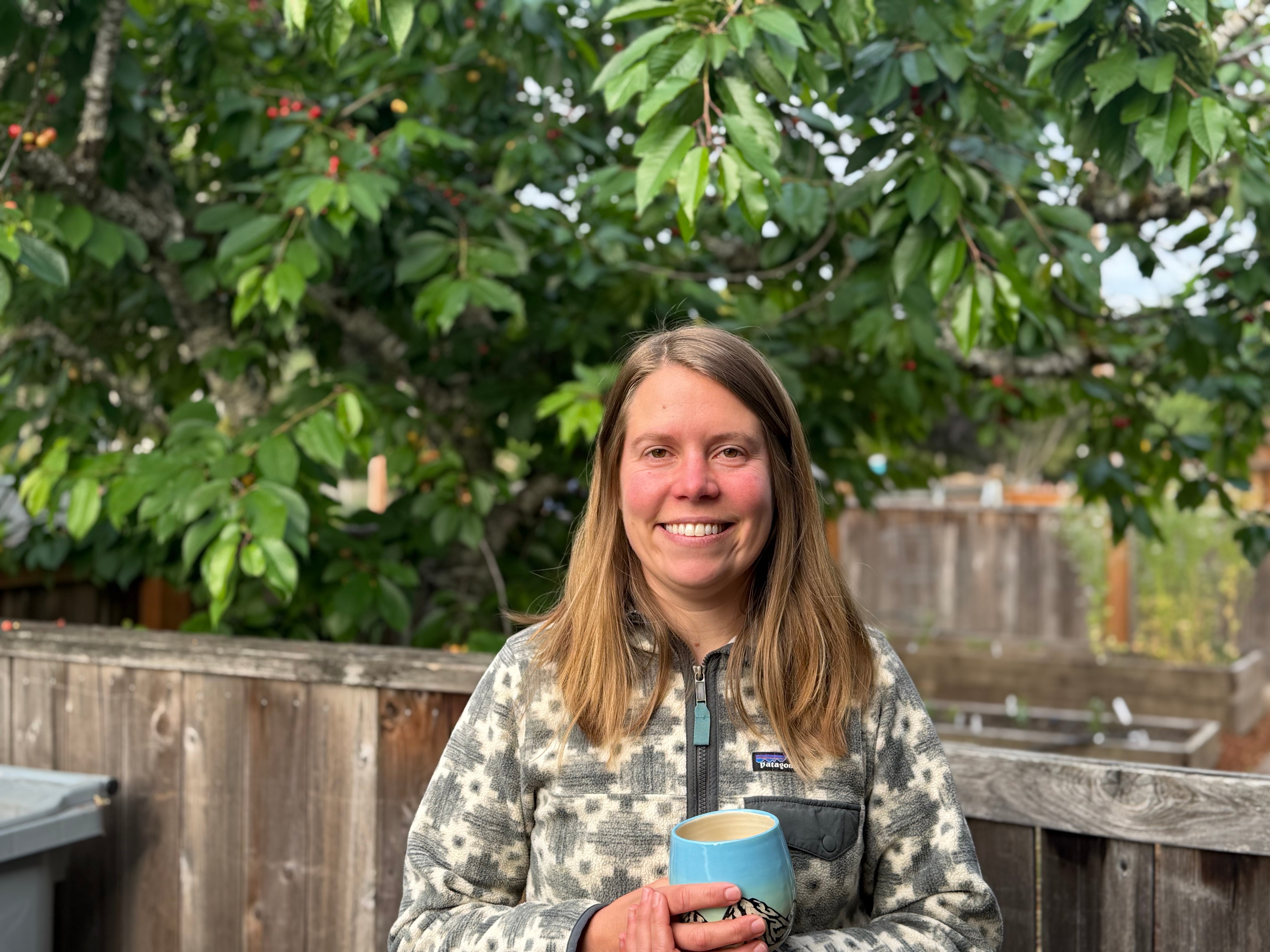
Kelsey Ward, librarian
Corvallis, Oregon
“I think that schools are doing so much to support students. Not just education, but mental health, and even forms of health care like vision screenings. There’s a lot of that that bleeds over into the classroom, too, like mental health resources, clothing, food for families.
And in some ways that’s encouraging, because it is a publicly funded system that is doing a lot for not just students, but their whole family. But it’s also just too much. It’s not realistic to expect all of those different things to be within a school and to be on the backs of a teacher, and so it makes people feel burnt out and like you’re not doing enough, because you’re not a trained professional in those things.
And you try your best, but there’s so much need that you see that is unmet in other social services that could be provided in the community here.”
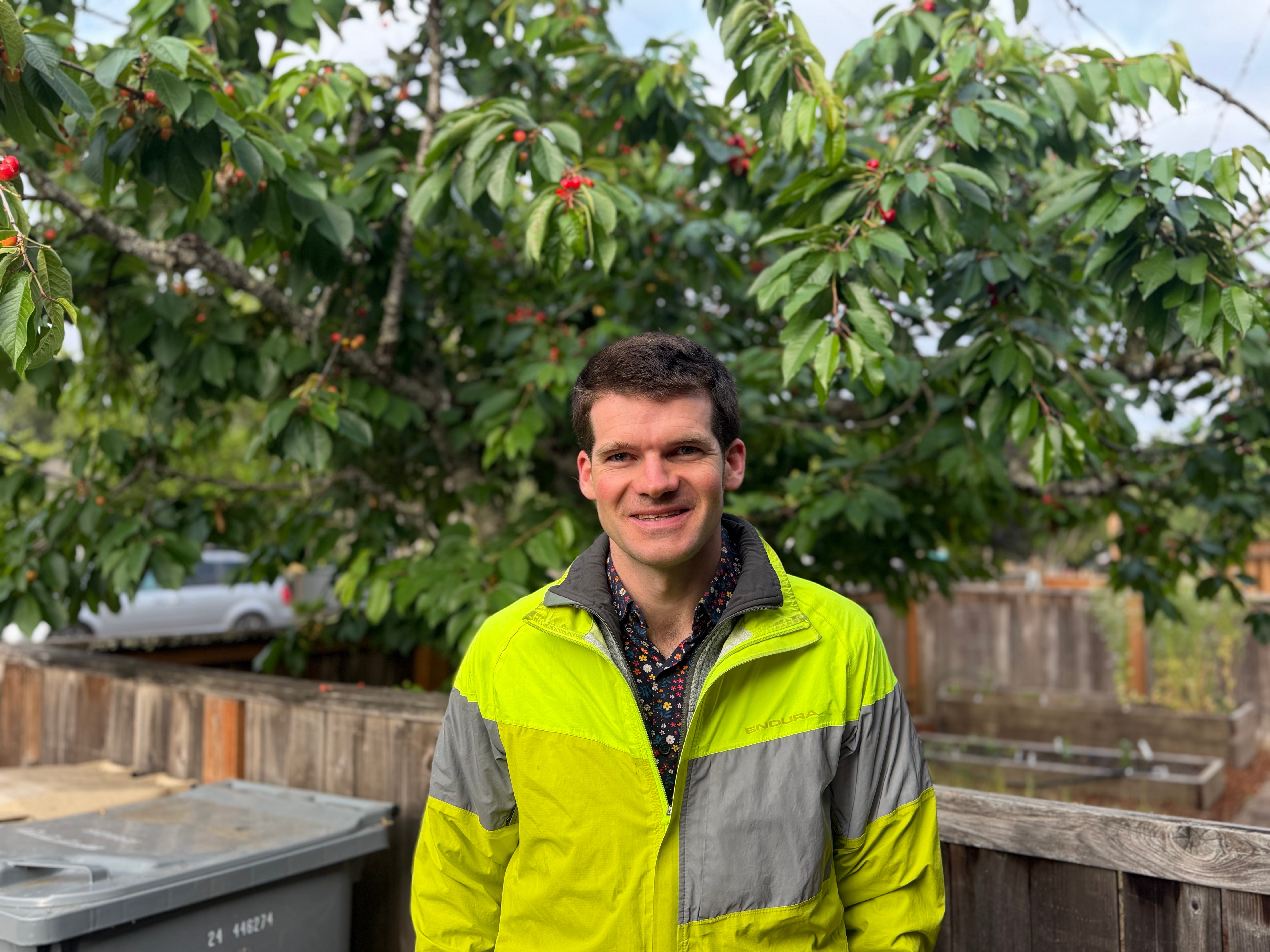
Tyler Wilson, teacher
Corvallis, Oregon
“I feel a lot of concern for the environment right now. All these environmental issues are just getting worse. We’re not taking them seriously enough. I know that there’s still so many people in the country who do care about these things, but their voices aren’t being heard right now at the federal level, and I wish on the local level that we could get more done.”
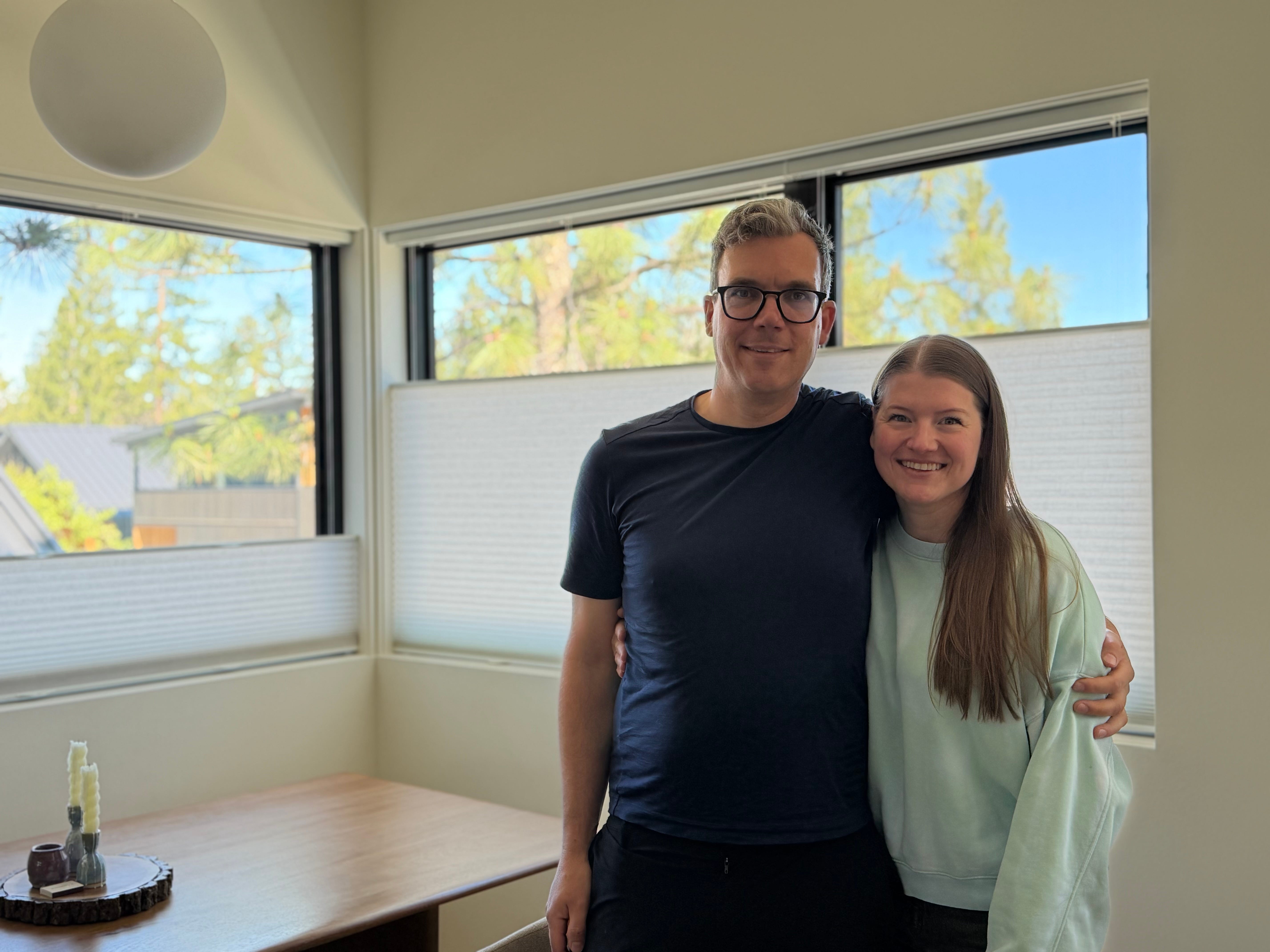
Christian Pappert and Sarah Walton
Sisters, Oregon
Sarah: “I find it hard even to connect with my own family sometimes on very basic beliefs that we once would never question. Now we find that certain topics either mean you’re on one side or the other, and it almost seems like there can’t be any middle ground, and there’s no way to bridge that gap. I find that very difficult from just from a ground level. If you can’t find that common ground with your family, how do you find that with others?
Even just on social media, for instance—I have friends from all over the country. I grew up in the Midwest, so a big section of my friends come from that area, and it is so wild to see the differences in beliefs and viewpoints. Sometimes it makes me take a step back, and just makes me wonder: Where did things become so different?”
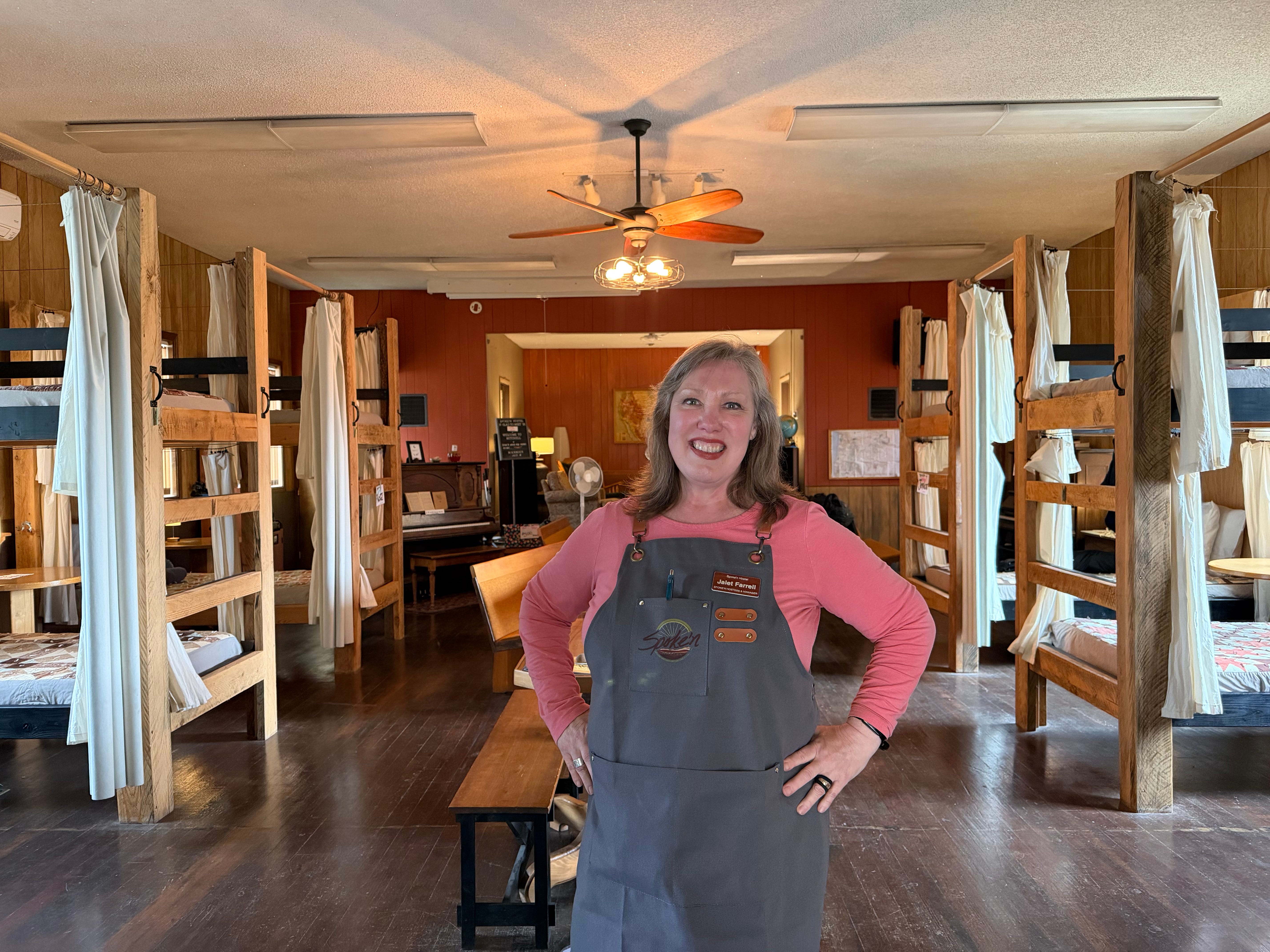
Jalet Farrell, bike hostel owner
Mitchell, Oregon
“The school was so small that they started hosting international students from around the world to get enough students to keep the school together. It’s what a lot of schools out here do now, and it’s a wonderful opportunity to put diversity into our schools.
If you can think of a place, they probably have come here. Places like Paraguay, Germany, Thailand, Korea, Poland, Russia.”
No posts
Comments
Nothing yet. Say the first thing.
Sign in to join the conversation.