
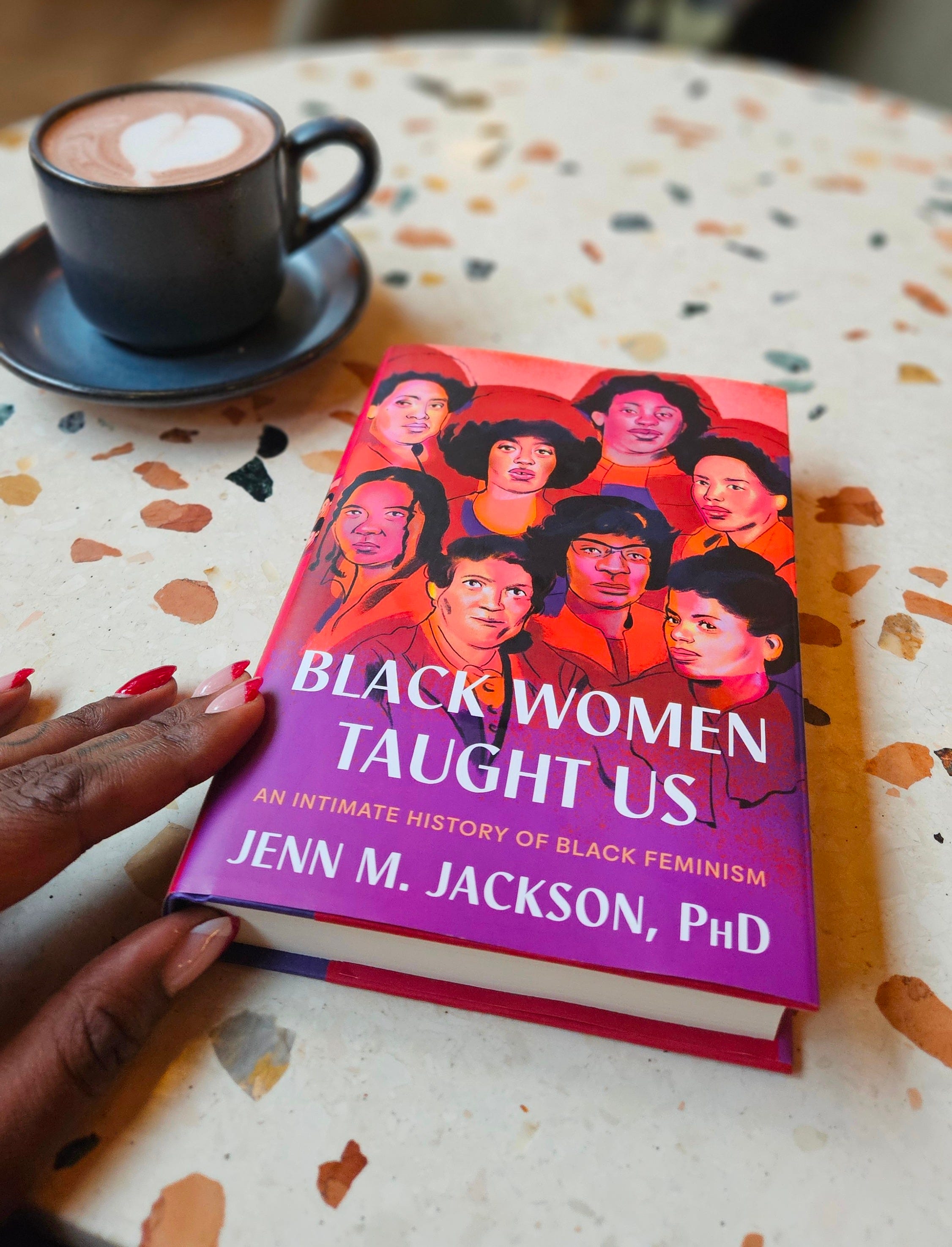
In January 2024, I published my first book, my debut nonfiction text Black Women Taught Us: An Intimate History of Black Feminism with Penguin Random House. I earned a six-figure book deal with the publisher in 2019 shortly after finishing my doctoral studies at the University of Chicago. I had been a journalist and essayist for 10 years at that point, penning some of my most controversial and disruptive pieces at Teen Vogue.
When I signed my book deal, I knew nothing about how book sales worked. I didn't understand that advances were essentially IOU's to the publisher. The bigger the advance, the larger the challenge in “earning out.” I was completely unaware of how to fund or organize a book tour. I thought publishers just booked everything (they don’t). Suffice it to say, I was inexperienced and overwhelmed.
As I neared my publication date, the world spiraled into political upheaval and social disarray. The ongoing genocide in Gaza worsened and I shifted my focus toward supporting student encampments in my community. I will be honest and say that I was nervous about promoting a book while people were being openly killed and the world was looking away. I couldn’t bring myself to obsess over the pre-orders while so many folks in my community and the broader world were struggling with survival. So, I decided not to badger my followers with book links and reminders. I set up a countdown, filmed a few unboxing experiences, and focused, instead, in building excitement in real-life.
As someone who experiences social anxiety and other neurological conditions, I was terrified about having to sell my book. The idea of traveling around the country and talking to strangers overwhelmed me. I shuttered at the thought of people looking at me, seeking unfettered wisdom and insight on the publishing world. For months, I worked with my therapist and community to prepare for the tour.
I ended up promoting my book all over the country for two and a half years with a few breaks in-between. I was hospitalized during the first months of the tour and had open heart surgery before the final leg. It was an overwhelming but joyous experience that taught me a lot about balancing the work of publishing with my self-care practices. During the book tour, I never asked my team about book sales. I did this, in part, because I was too afraid of being disappointed. What if my book sold like four copies? I didn't want to know.
Instead, I searched online to learn what a “successful” book was. I followed authors in my genre to ascertain what goals they set for their sales. After all of my research, I learned that over 90% of books sell less than 1,000 copies. I also stumbled upon a common data point that the average traditionally published book sells about 3,000 copies over its lifetime. But, most people consider 5,000 copies in the first year a true success. What's more, it is said that, after about 10,000 copies, books start to sell themselves. So, of course, being the overzealous, perfectionist Virgo that I am, I set a personal goal of selling 10,000 copies of BWTU within the first two years after publication. I figured, at that rate, the book would take off without any further assistance from me.
In July, I received my royalties statement from March 2026. I have sold approximately 12,000 copies of my debut nonfiction book. For all intents and purposes, my book was a mid-list success and it has exceeded the initial 10k goal that I set for myself. I fundamentally believe this goal is achievable for other first-time authors at traditional publishers. As a Black woman author with a reasonably large social media platform, I definitely had an audience that I had cultivated for many years prior to the publication of my book. However, I believe that there are strategies which can help authors across publication styles, genres, and audience sizes that help to reach similar or greater success.
Here's how I did it with little to no support from big name authors and Booktok folks:
About two years out from the publication of my book, I started being intentional about familiarizing myself with all of the Black bookstores across the country. During the months leading up to release, I built meaningful connections with indie bookstores by calling and emailing them personally. They often mentioned to me that authors, especially those at big name trade publishers, rarely interacted with them personally. I showed up to book events whether there were 2 people or 200 people. I showed up to book events for other authors, too. This was especially important for indie, Black-owned, and women-owned bookstores who receive less support than many big box retailers.
Bookstores are critical. They decide to carry the book and get it to the right people. And, when they know you by name, they are more likely to keep your book in stock, place it in a prominent location in the their store, and promote the book to new readers.
I started the Black Feminist Book Club in 2022. This was a way to connect with other readers and bookish folks without it being focused on my book. Through the book club, I learned more about which podcasters were interested in books like mine and what community groups support Black women authors.
Importantly, I built book community laterally with other new and up-and-coming authors instead of begging NYT best sellers and Black literati folks to throw me a bone. I built meaningful connections with other authors so we could promote one another.
One of the hardest lessons after publishing my book was that everyone wasn’t going to support me or even be happy for me. People who had initially been excited for me weren’t always showing up. For example, I sent advance copies to prominent authors and scholars and many of them didn’t share the book with anyone. In another instance, I had a mentor who blurbed my book but never once posted the book anywhere to encourage folks to buy it. It hurt. And, then I accepted that she would not be a partner in this process. At times, there were bookstores and university colleagues who never answered my emails or went quiet.
I set boundaries on how many reach outs I would perform before letting it go completely. If folks aren’t excited about this work, I am not going to spend my time trying to change their minds. Other folks bought 10+ copies and started whole book clubs to support me. Those are my people.
I stopped focusing on the people who didn't support me and poured into the folks who did. This changed everything for me.
One thing that is particularly hard for first-time authors is understanding the logistics and timing of festivals, awards, and conferences. I had no idea when I should enter myself for consideration. So, I took cues from other writers. I watched how they promoted their books and when. Sometimes, I used their marketing techniques (e.g. sending a social media post to remind folks when their book was on sale, elevating positive feedback on the book, etc.). I stopped punishing myself for missing book festivals and pop-up events. And, when I didn’t make folks’ end-of-year lists, I shook off the disappointment.
Instead, I created my own book lists for important holidays and created my own virality by being timely. I elevated other books I enjoyed, especially those from friends, rather than waiting for others to elevate me.
I read and shared a lot of books. I read about 60 to 70 books a year. So, I made sure to make an active profile on Goodreads and StoryGraph. I started tracking my reading choices there and engaging with other readers. I joined Facebook communities for readers and shared my book there.
I drew bookish people to me who just like to read and are curious. I stopped engaging with the bookish mean girls who use their podcasts or platforms to punish authors they don't like. I built my own community from the ground up.
I stayed consistent. I posted regularly and honestly about the book. I created interesting graphics that reflected the vibe and feel of the book. I shared clips of my book talks as new content. I shared quotes from the book. I encouraged people to post reviews on Amazon, Goodreads, and StoryGraph.
Over time, people started to expect regular posts from me about the book. They began looking for updates because they, too, were invested in the success of BWTU.
Overall, being an author is about being in community with other authors, booksellers, and bookish folks. This is true for academic and trade publishing.
Be in community in a meaningful way. Stop being transactional or inauthentic. Show up. I truly believe that is how we intervene in the gatekeeping and isolation of the publishing world.
For paid subscribers, I have included bonus content and insider tips on books sales and promotion. Tap in!
Comments
Nothing yet. Say the first thing.
Sign in to join the conversation.