
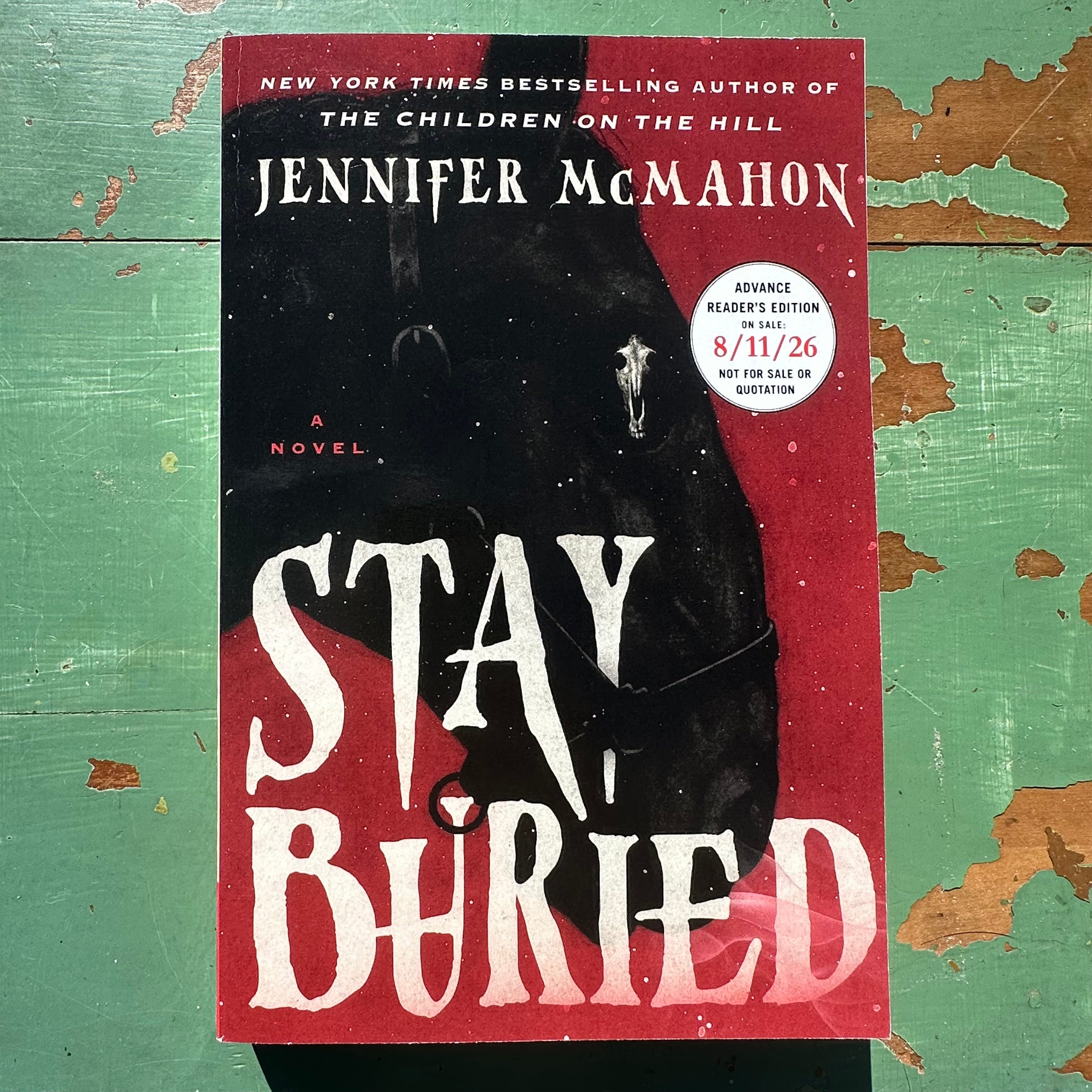
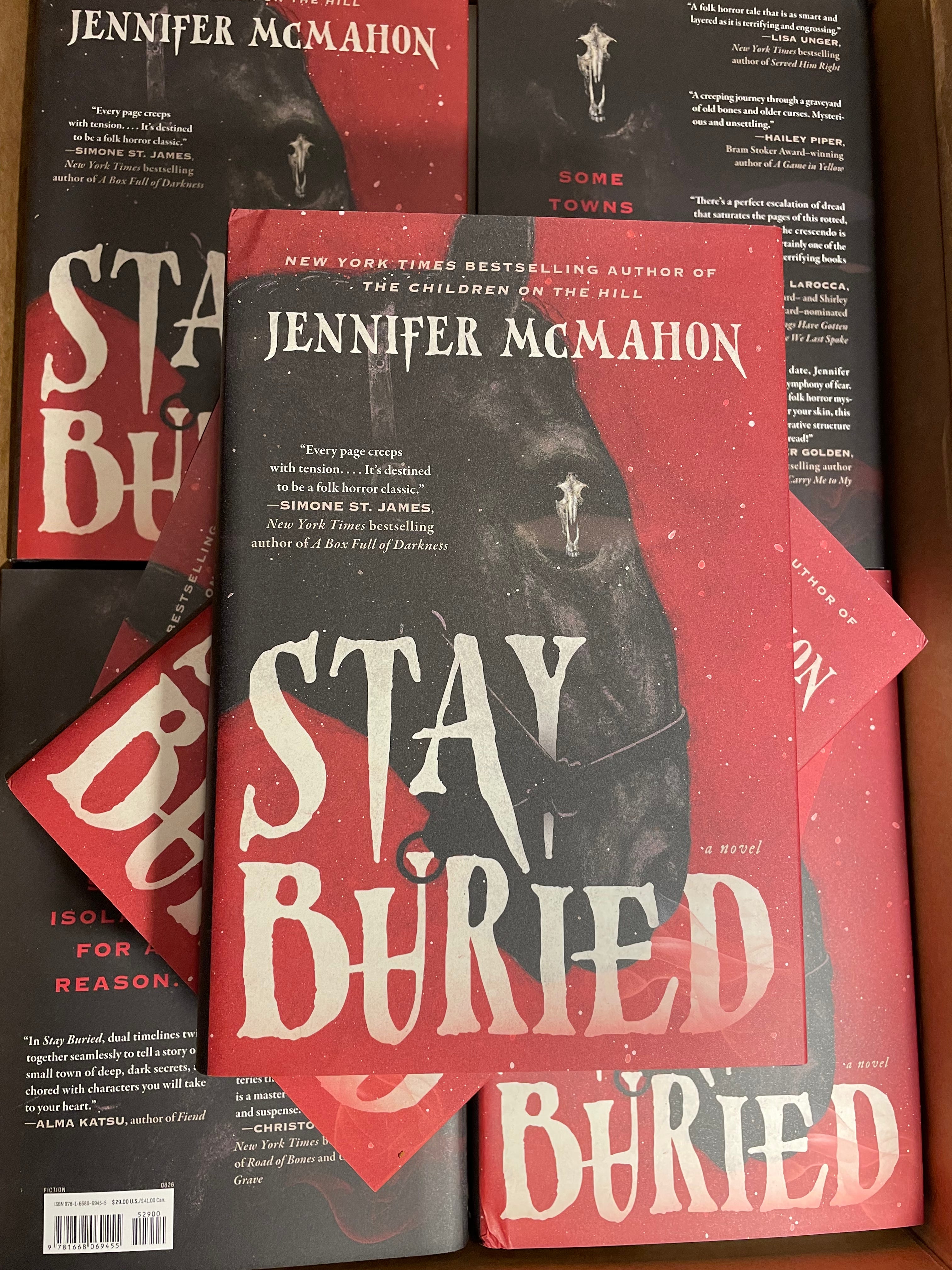
In just two weeks, my thirteenth novel, Stay Buried, hits bookstore shelves—it’s been a long road to get here, and I thought I’d tell you a bit about it!
I started writing Stay Buried way back in 2015, inspired by a dream I had.
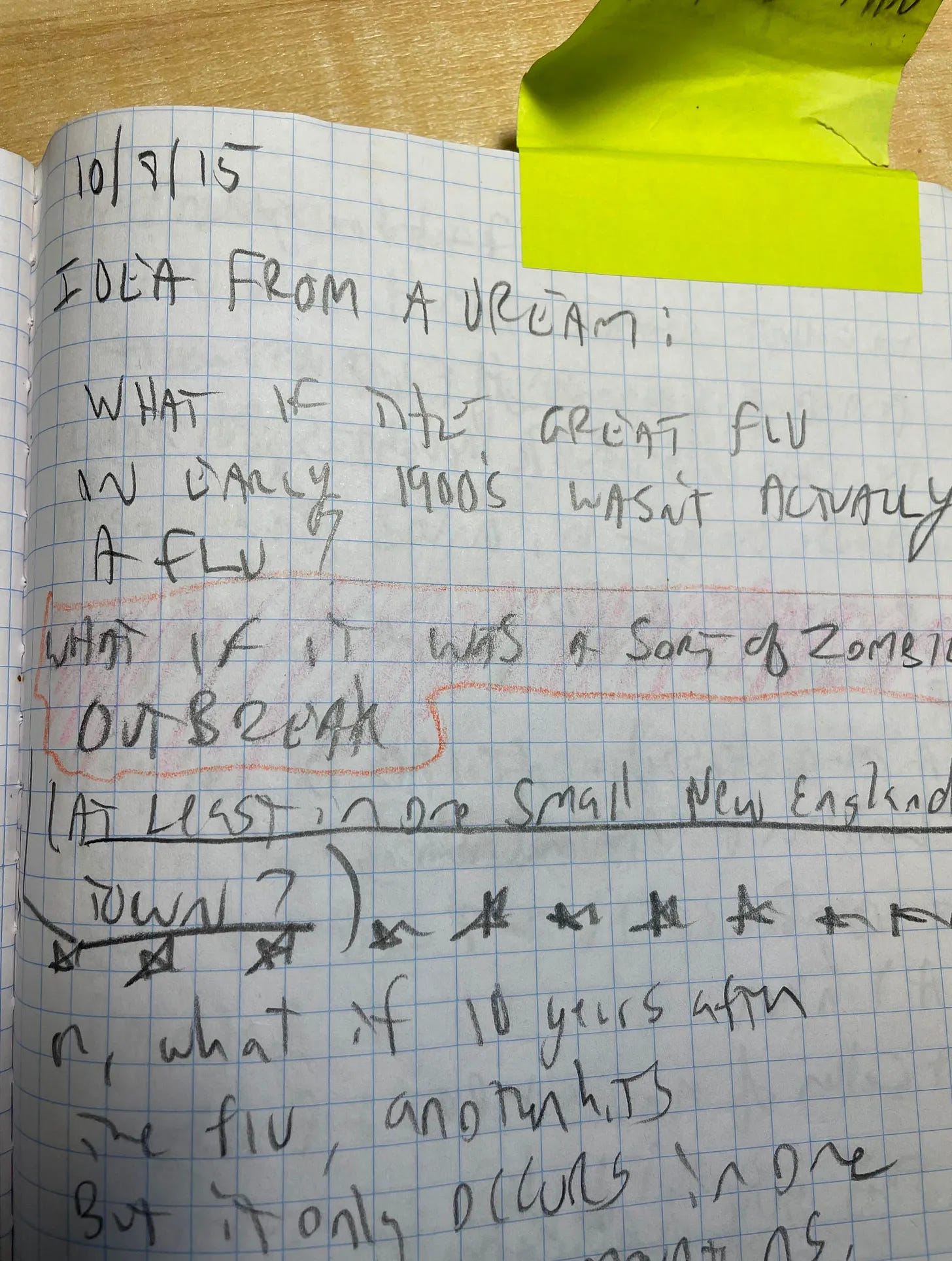
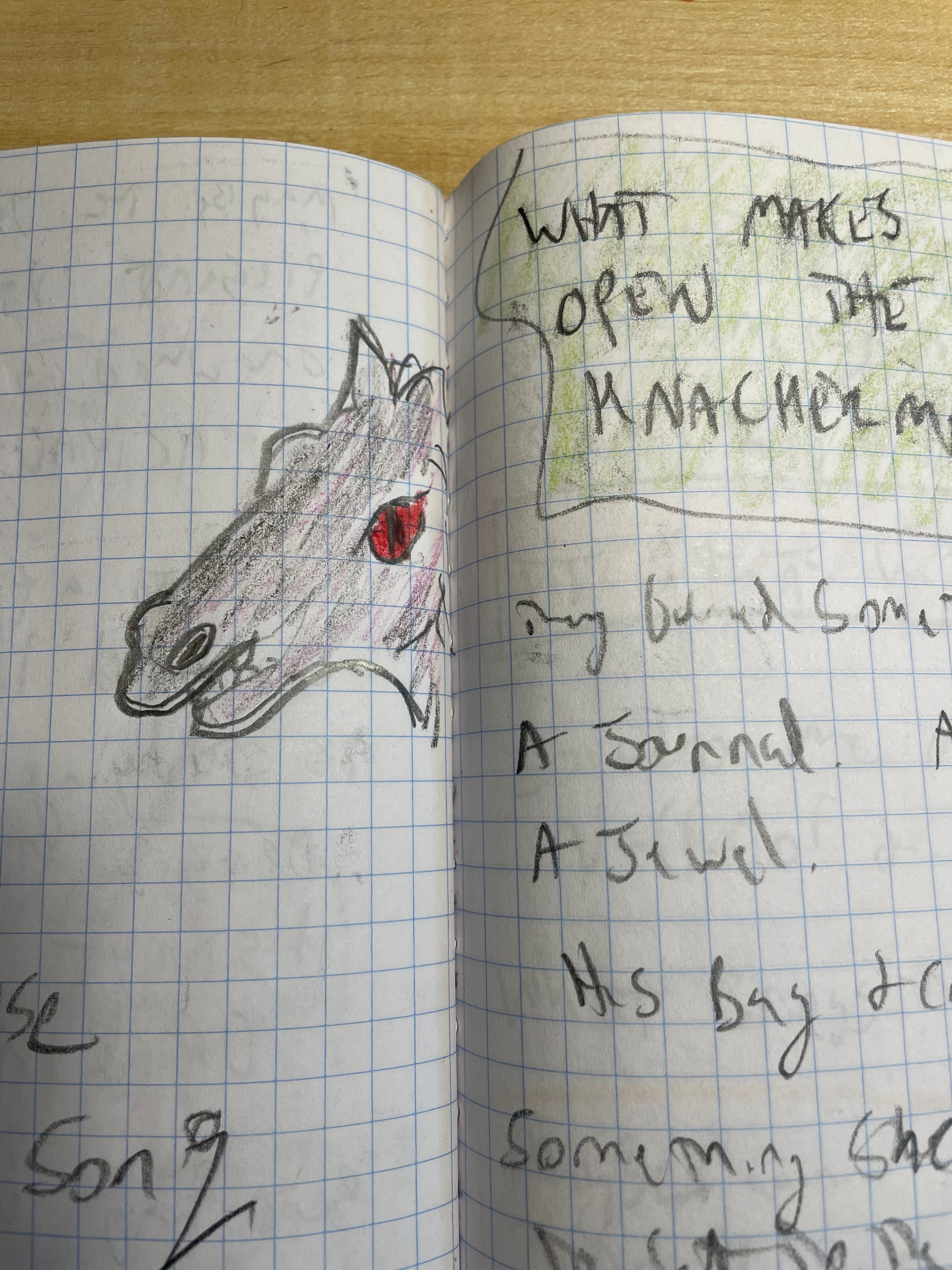
The original idea was this: A remote town in rural Vermont has half its population wiped out during the “Spanish flu,” the (very real) influenza pandemic that killed millions worldwide and hundreds of thousands in the United States. But what if it wasn’t the flu at all? What if it was another kind of outbreak, disguised by the pandemic? I knew patient zero would be an immigrant, a man already ostracized and feared by many in the community. I imagined a small-town folk horror novel inspired by the stories I loved when I was younger — The Wicker Man, Harvest Home, The Blood on Satan’s Claws, and of course, Shirley Jackson’s short story masterpiece, The Lottery. I wanted the novel to explore the terrible things a small, isolated community is capable of when fueled by fear and ignorance. The 1919 story would be told by the town doctor, Thomas Endicott, and the present day story would be from the perspective of his great-granddaughter, Ashley, who has just inherited the old family house. I did a lot of research about the 1918 flu pandemic, particularly in Vermont and rural areas. I read about pandemics and zoonotic illnesses. I read diaries of townspeople and doctors. I learned about a trade known as the “knacker” or “knackerman,” who collected the carcasses of dead farm animals. I came up with a draft that was long and sprawling and messy, but something felt off and I didn’t know how to fix it. Eventually, I put the book on the back burner to simmer while I focused on other projects. I do that a lot, and often when I come back to it—after a few weeks, months, or even years—the missing pieces have materialized, the solutions to unsolvable problems suddenly seem obvious.
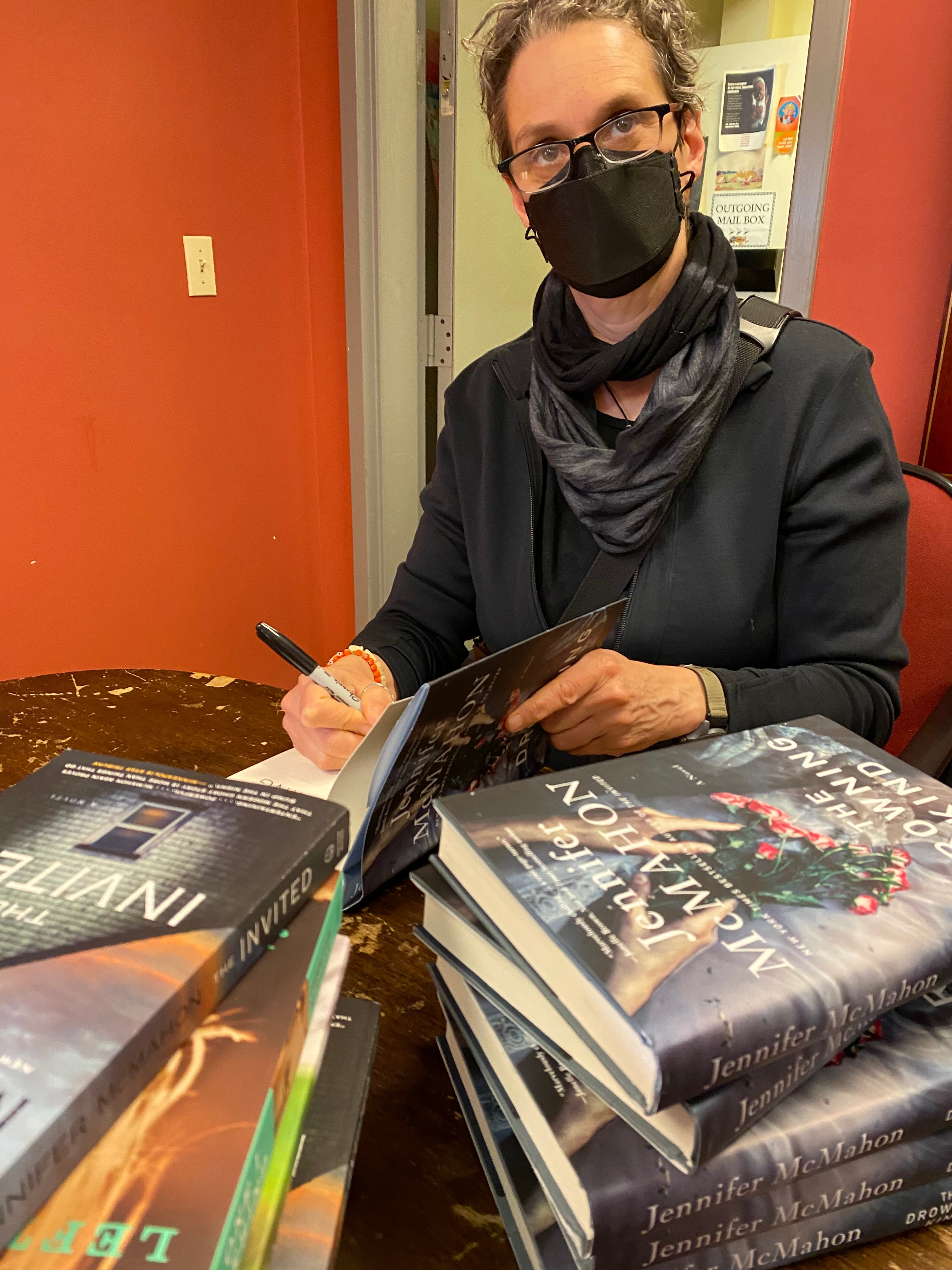
In this case, just a few weeks after I pulled the story of Dr. Endicott and Ashley off the back burner, I started hearing about a real-life, highly contagious disease spreading around the world—something called “coronavirus.” Pretty quickly, working on my folk horror story about a poorly understood disease spreading like wildfire and upending lives was the last thing I wanted to be doing. After the research I’d done on zoonotic outbreaks, epidemics and pandemics, I was full-on terrified reading the news at the beginning of the COVID-19 pandemic. I knew this could be bad. Really, really bad. The fear was just too real, raw, and in-my-face to translate into scary fiction. I put my own pandemic novel away again and worked on other books.
Finally, in 2023—the most intense and surreal parts of that particular pandemic behind us—my partner, Drea asked me whatever happened to that knackerman book I’d been working on. I pulled it out and let her read it. She pointed out that although Dr. Thomas Endicott’s diary entries from 1919 were well-researched and informative, they were pretty… dry, maybe even dull? Had I thought about having a young woman narrate that storyline? Maybe his daughter? A relative? Some sort of protégé? And just like that, the character of Frankie came to me: Dr. Endicott’s young niece who is apprenticing with him. I could picture her perfectly and hear her voice. As I listened, she started telling me all of her secrets. She was the missing piece that made the whole book fall into place. I knew she’d be a lesbian, that she’d wear her uncle’s cast-off clothing, be the odd girl outsider in town. That this story of the dangers of otherness would be told by a young woman who struggled to fit in herself.
Rewriting and refining the 1919 timeline, along with making sure the 2016 (pre-COVID-19, you might note) storyline was just as compelling, and that the two stories really flowed together, took a lot of time — and help from my amazing editors Jackie Cantor and Kimberly Laws! But here we are, at last. I can’t wait for people to meet Frankie, to travel to Boone’s Ferry with Ashley and her brother, Malcolm, and discover all the secrets, past and present, the isolated town is keeping.
Most of all, I can’t wait for you to meet the Knackerman.
He’s there waiting, just at the edge of the woods.
Happy reading,
Jennifer
No posts
Comments
Nothing yet. Say the first thing.
Sign in to join the conversation.