
A quick retreat update: I’ve lowered the cost of the September 10–13 Silent Retreat to $999 and added a beautiful sound bath experience with a new practitioner. We’ll also have forest bathing, mindful movement, and nourishing Mediterranean-inspired meals prepared by our cook, who is also a therapist and will be present throughout the retreat. There will be plenty of time in nature and- most importantly- lots of spacious silence, with opportunities to talk ;) about how the experience is unfolding. A few spots remain, and registration closes September 1.
It’s back-to-school time, and a conversation I’ve been having with many of my clients, especially my student athletes, is how to make the transition from summer to school while continuing to eat enough to support mental and physical performance.
Because school presents a lot of barriers to eating enough.
Kids need fuel to think in school and to perform at practice afterward or maybe even at an early-morning practice. And this certainly doesn’t just apply to athletes. Kids are growing. They’re learning. Their brains and bodies require a lot of energy, and we all know hungry bellies don’t make it any easier to pay attention.
The problem is that the school day isn’t particularly well designed for eating.
Kids may not be allowed to eat in the classroom, or they simply don’t feel comfortable doing it. Who wants to be the one eating some loud, crunchy snack while everyone else is either A) wishing they had the same thing or B) annoyed by the mouth noises?
It’s always easier to eat when everyone else is eating.
Then there’s lunch. Kids might get 20–30 minutes, and that’s assuming they brought lunch and have that entire time available. Add a cafeteria line, socializing and the desire to actually spend time with friends, and the eating window gets even smaller.
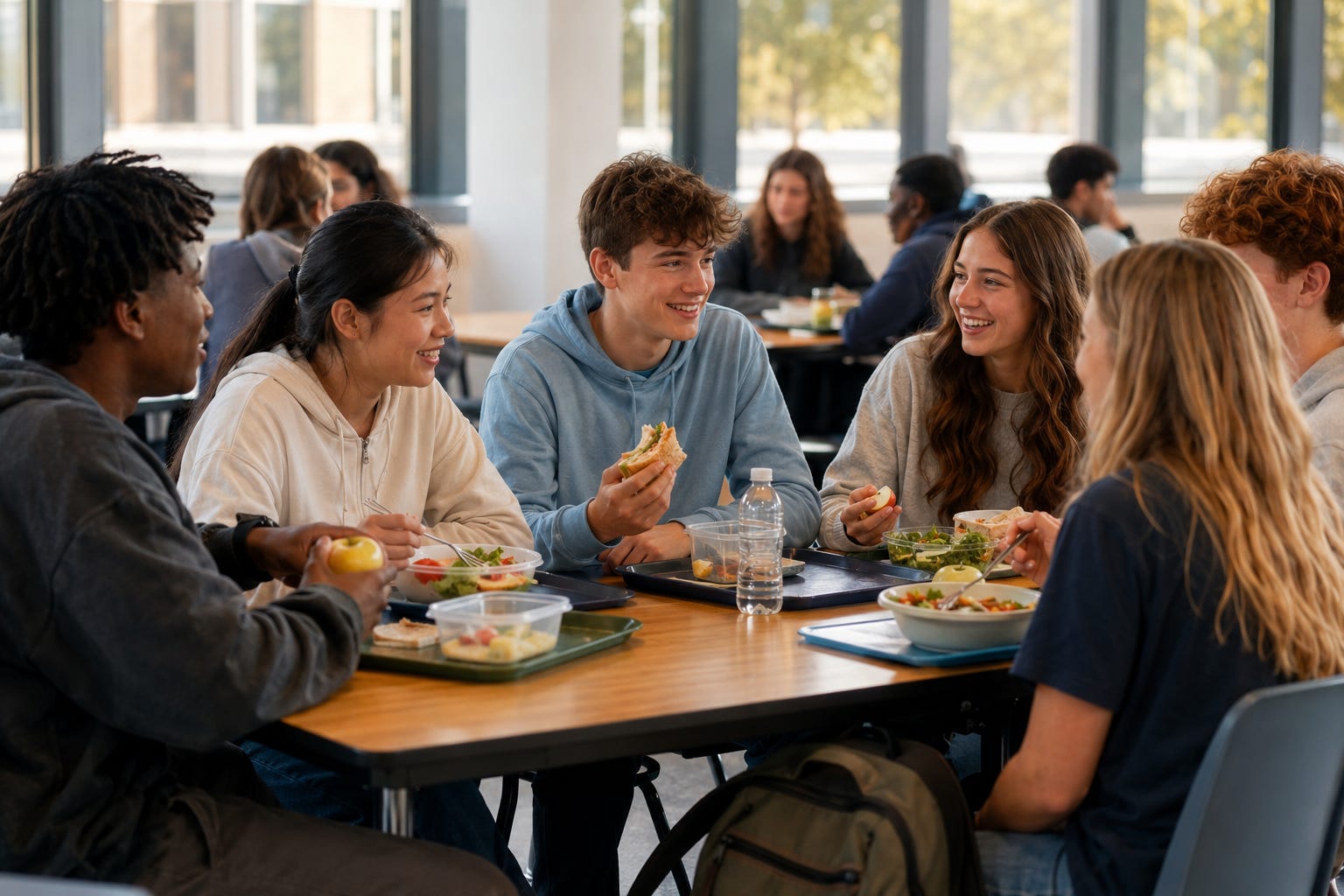
Rather than being unrealistic about when a kid might be able to eat during the school day, I like to focus on making the most of the opportunities they do have. I think of these as fuel opportunities.
I often remind my athletes that you can train your stomach just like you train your muscles and heart for performance: whether your performance is cross-country, lacrosse, soccer, theater or chess.
If you don’t eat much in the morning now, you don’t have to suddenly start eating a huge breakfast tomorrow. With time, your stomach can become more comfortable tolerating more food earlier in the day.
This can be especially helpful at the beginning of the school year or during periods of higher stress, when nausea can be a real barrier. Sometimes a kid simply isn’t going to sit down and be able to stomach a big bowl of oatmeal at 6:30 in the morning.
So we work with what feels doable.
Quick breakfasts for kids who aren’t very hungry:
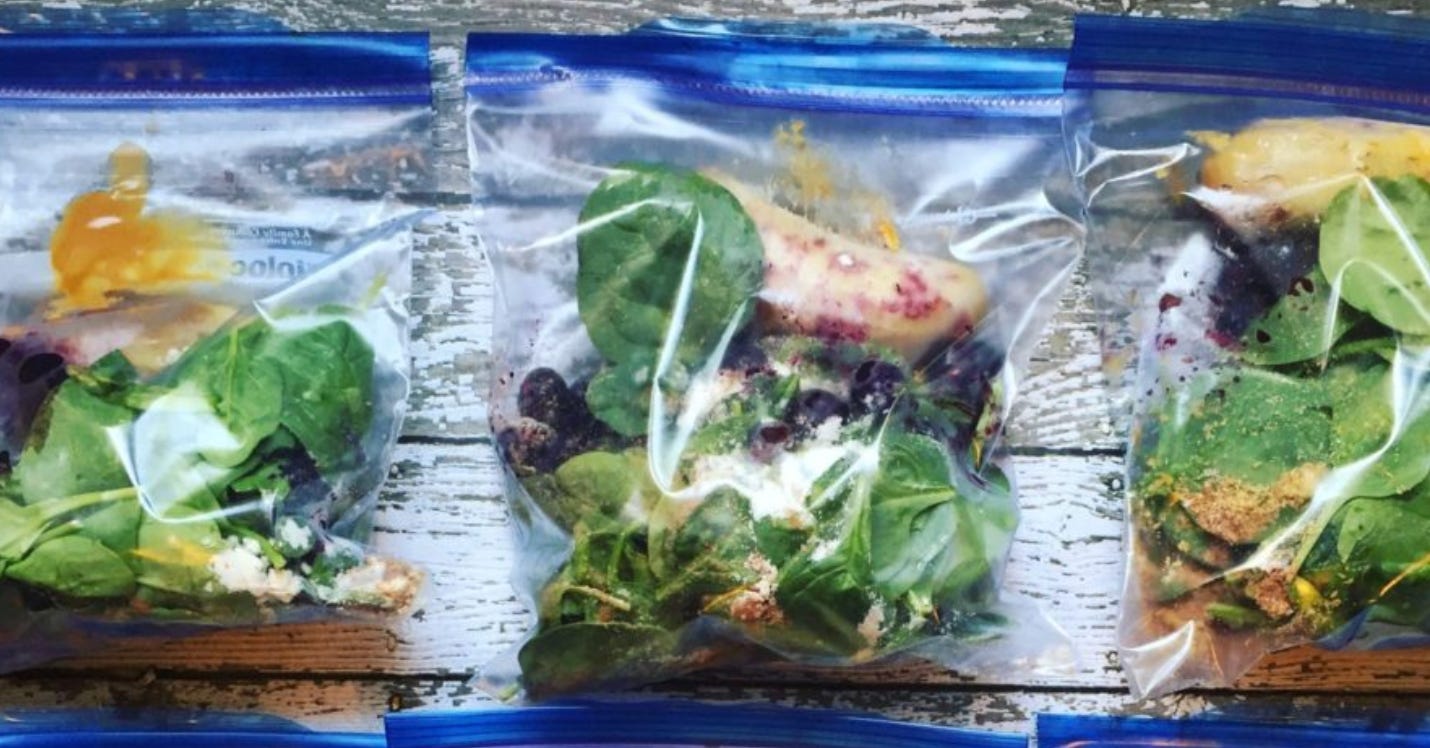
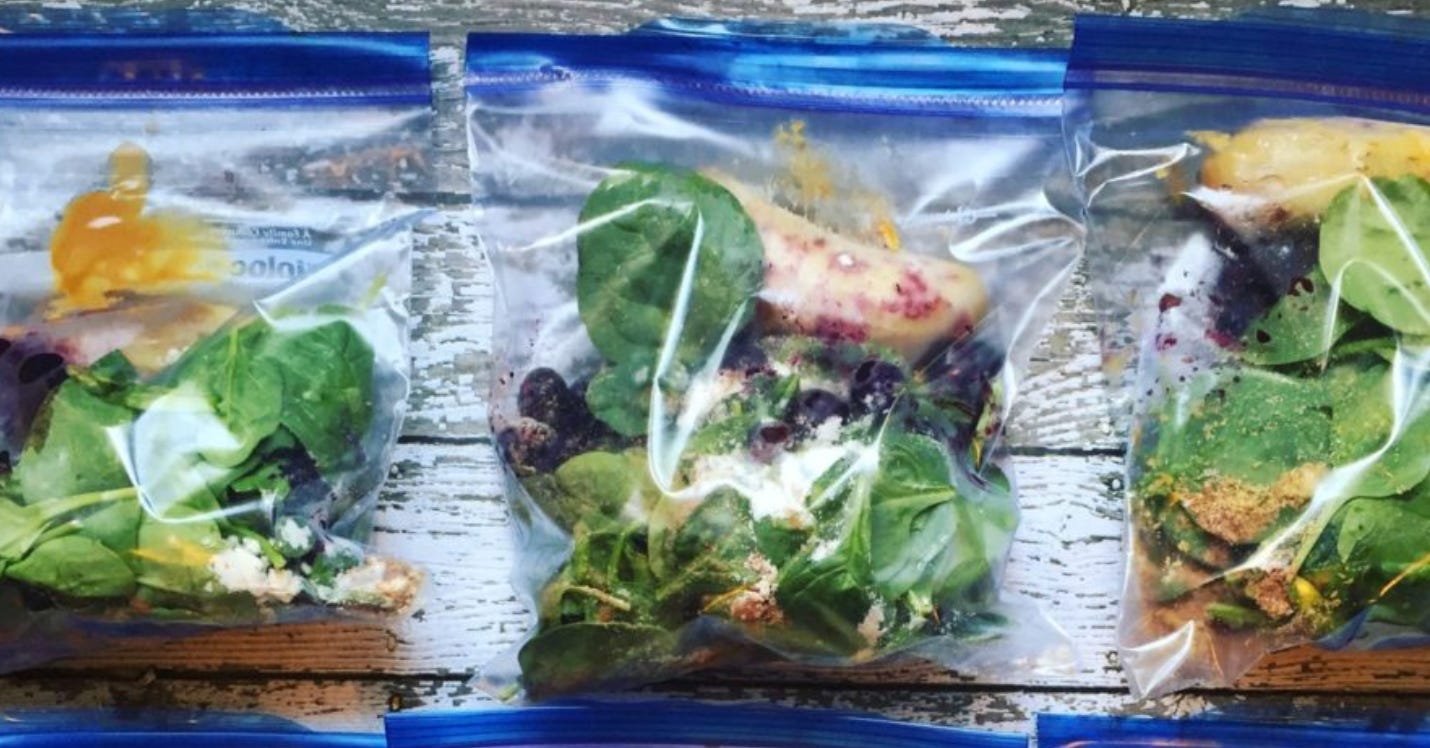
Smoothie packs: milk + frozen fruit + banana + Greek yogurt + peanut or sunflower seed butter + oats (make ahead of time, freeze, add to blender with milk of choice, blend)
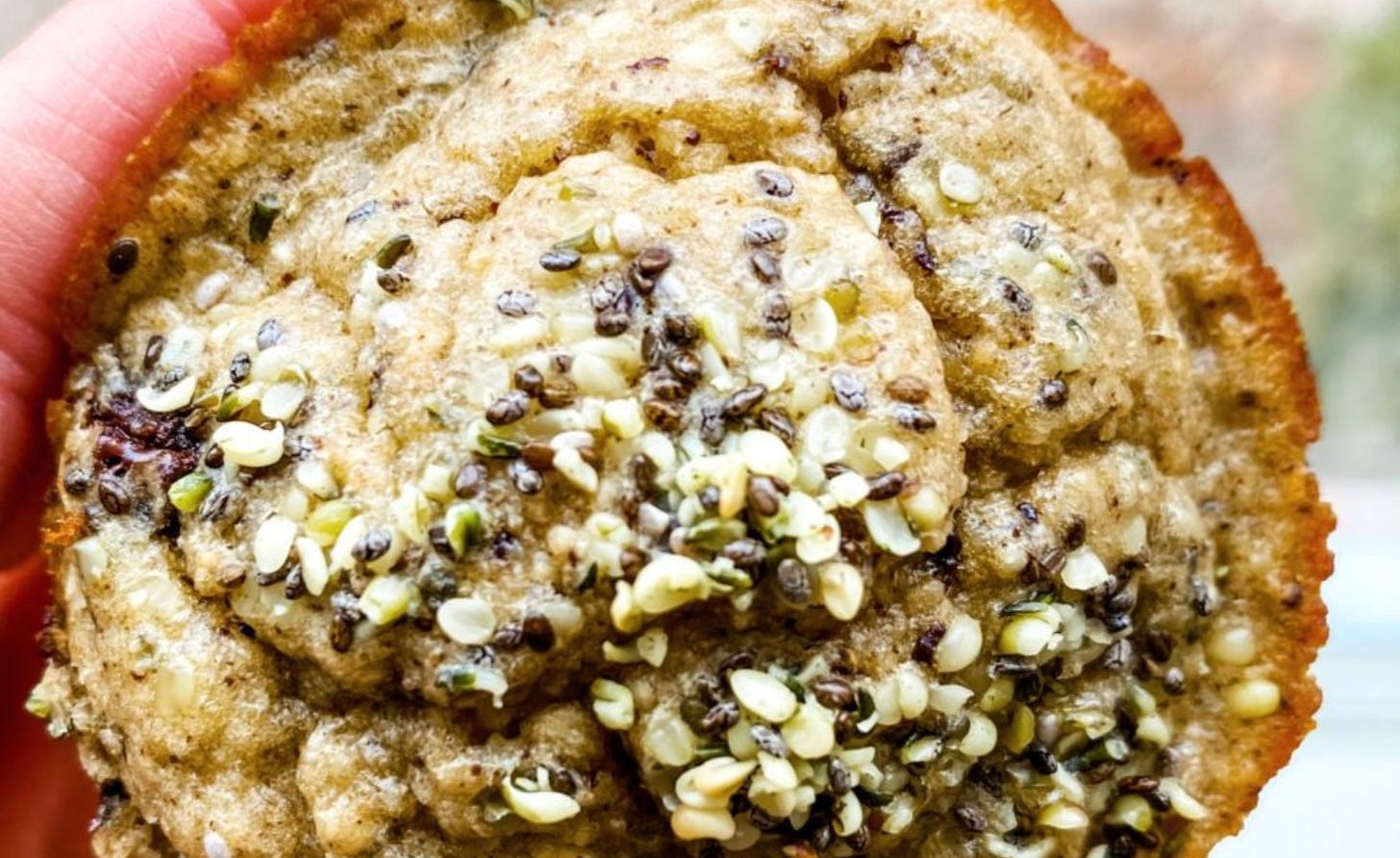
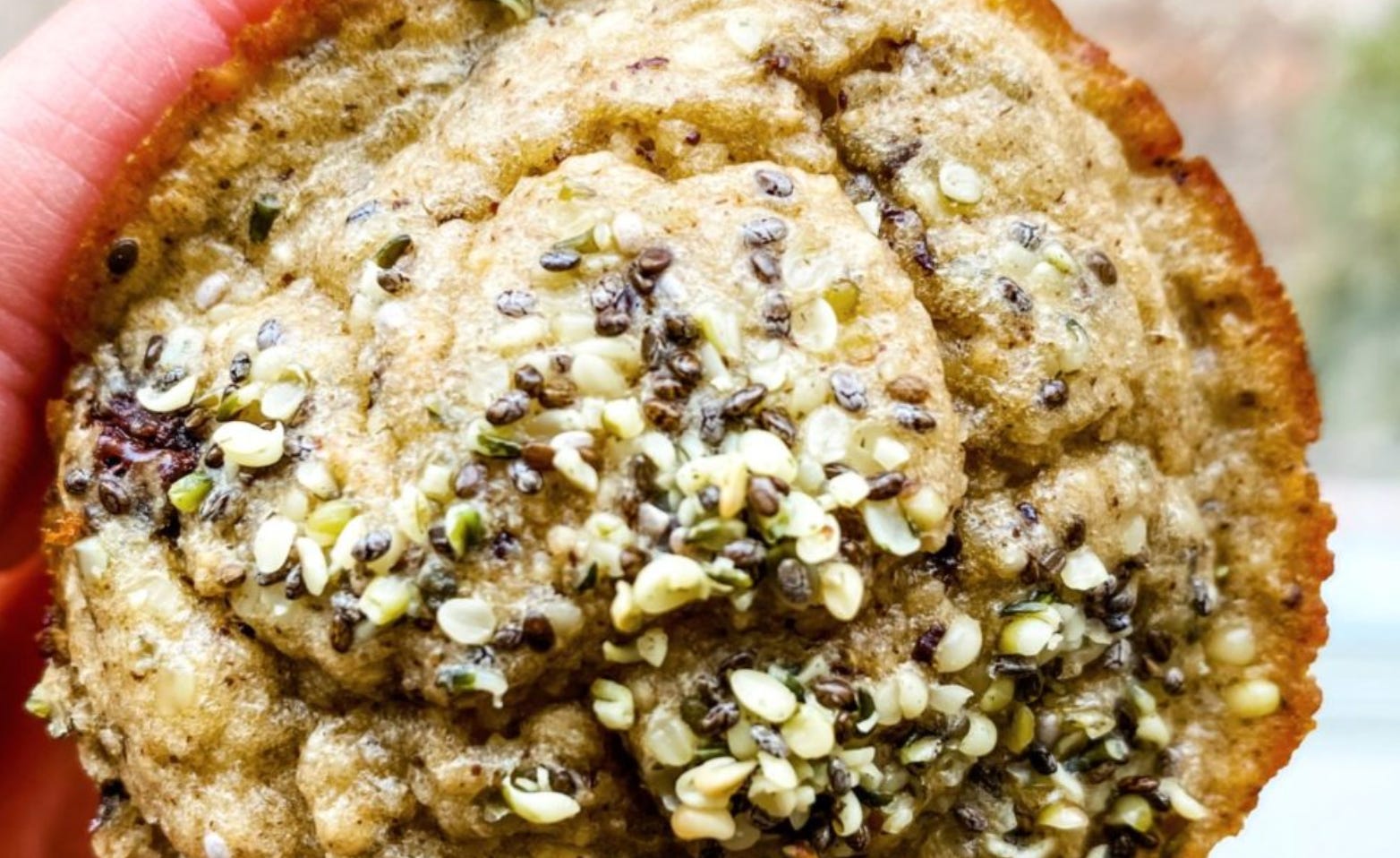
Muffin breakfast: muffin + peanut butter + banana + drinkable yogurt (love these blender muffins that come together in minutes…)
Bagel egg sandwich: pre-made egg bites or sheet-pan eggs tucked into a bagel + chocolate milk
Toast to go: peanut butter toast + banana + drinkable yogurt or milk
Waffle sandwich: two frozen (can buy the higher protein ones, like Kodiak) waffles with peanut or sunflower seed butter + fruit
Cereal that counts: a generous bowl of cereal with milk + banana + nuts or a side of yogurt
And yes, drinking breakfast in the car still counts.
Breakfast is a huge fuel opportunity. We’ve gone all night without taking in energy, and now we’re asking the brain to learn for several hours, and for some kids, asking the body to train later that day.
If “this will help you concentrate in algebra” isn’t particularly motivating to your teenager, perhaps “this might help your legs feel better at practice” will be. :)
For kids who have a late lunch, even a small snack between classes can make a difference.
Of course, this depends on school rules. But if they’re able to eat something quickly at their locker or between classes, we’re not necessarily looking for a full snack. Sometimes 100–200 calories is enough to take the edge off and bridge the gap until lunch.
Think small, quiet and easy:
Mini Larabar or KIND bar
Applesauce pouch
Soft granola or fig bar
Small packet of dried fruit
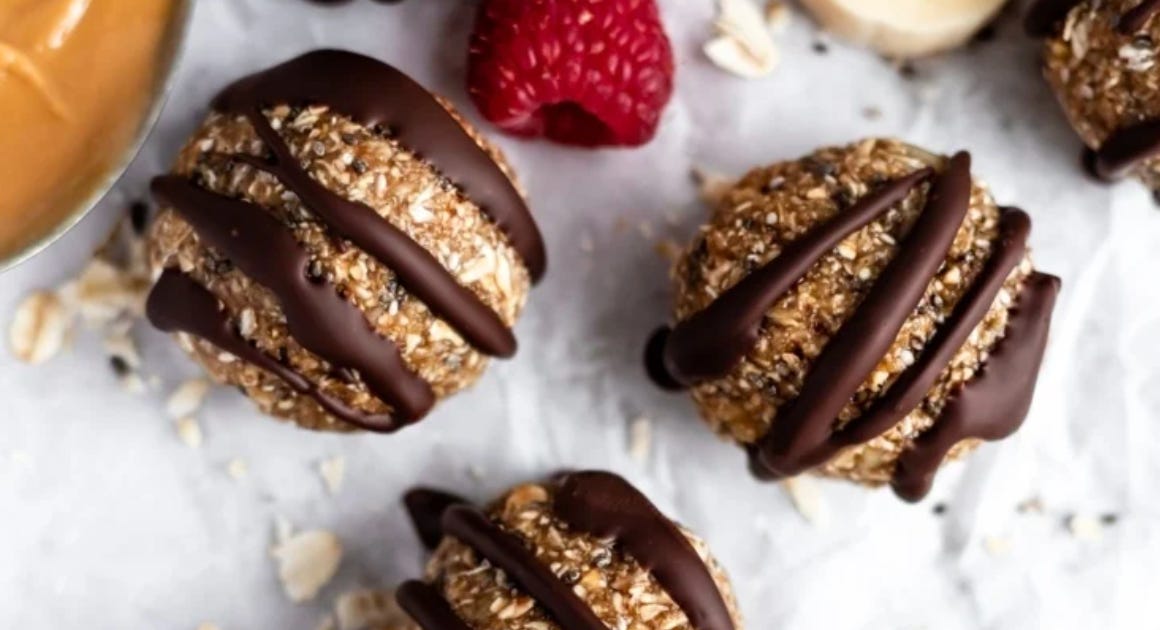
A few energy bites
Banana
The goal isn’t to replace lunch. It’s simply to prevent arriving at lunch absolutely ravenous; especially when lunch itself may be rushed.
This is one of my favorites.
When I pick my son up after high school, I love seeing kids come out of the building already eating. Instead of immediately pulling out their phones, they’re pulling snacks out of their backpacks before cross-country practice.
I want to hand them gold stars out my window, but my freshman would absolutely die, so I restrain myself.
If practice starts shortly after school, this isn’t necessarily the time for a giant snack. We want easy-to-digest carbohydrate, with the amount depending largely on how much time they have before activity.
And this is where I think we’ve gotten a little confused by the cultural obsession with protein. Yes, growing kids and athletes need protein.
But right before practice, carbohydrate is the priority.
A beef stick, mozzarella stick or low-carbohydrate protein bar might contain plenty of protein, but it isn’t providing much quick fuel for working muscles. Closer to activity, think mostly carbohydrate, with smaller amounts of protein and fat depending on tolerance and how much time they have.
If practice is about 30 minutes away:
Banana + sports drink
Fig bars
Applesauce pouch + pretzels
Animal crackers
Goldfish crackers
Graham crackers + banana
If practice is 1–2 hours away:
Half or whole PB&J + fruit
Banana + nut butter packet
Pretzel peanut butter bites + fruit
CLIF Bar + water or sports drink
Bagel with peanut or sunflower seed butter
Granola + drinkable yogurt
And yes, sports drinks can absolutely have a place here, particularly during hot-weather practices.
They provide carbohydrate, sodium and fluid at the same time. Not every kid needs one for every practice, but they aren’t something we need to fear, either. Sometimes sugar is doing exactly the job we want it to do: providing quickly available energy for a body that’s about to work.
If practice isn’t until later in the evening, think bigger.
A 6:30 or 7:00 p.m. practice may actually create an opportunity for an early dinner:
Rice bowl with chicken or tofu, vegetables and sauce
Pasta with marinara, meatballs or lentils + fruit
Bean and cheese burrito + rice + fruit
Turkey or hummus sandwich + soup + fruit
Quesadilla + beans + fruit
Then after practice, something simple like chocolate milk + cereal, yogurt and granola, a smoothie or toast with peanut butter can help finish out the day. Or yes, ice cream.
The key to all of this is thinking ahead a little, having these conversations with our kids and figuring out what actually motivates them.
Maybe they don’t care about “optimal sports nutrition.”
Fair enough.
But do they care about not being starving during sixth period? Having more energy at practice? Not getting a headache after school? Not feeling like their legs are dead halfway through practice?
Instead of telling kids what they should eat, I love presenting fueling as an experiment.
Try something - not just once, but a few times- and pay attention.
How do your legs feel?
Athletes sometimes describe being underfueled on carbohydrate as having “dead legs.” Does eating more beforehand change that?
How does your brain feel?
Do you feel sharper in those last few classes when you’ve had something to eat?
How do you feel after practice?
Do you come home hungry, but not completely depleted?
Helping kids notice these connections gives them something much more useful than another nutrition rule.
It teaches them how to pay attention to their own bodies.
And again, this isn’t just for athletes.
All kids deserve enough fuel to learn, grow, move and feel good throughout their day.
Here’s to finding a few more fuel opportunities, and wishing all of our kids a wonderful start to the school year.
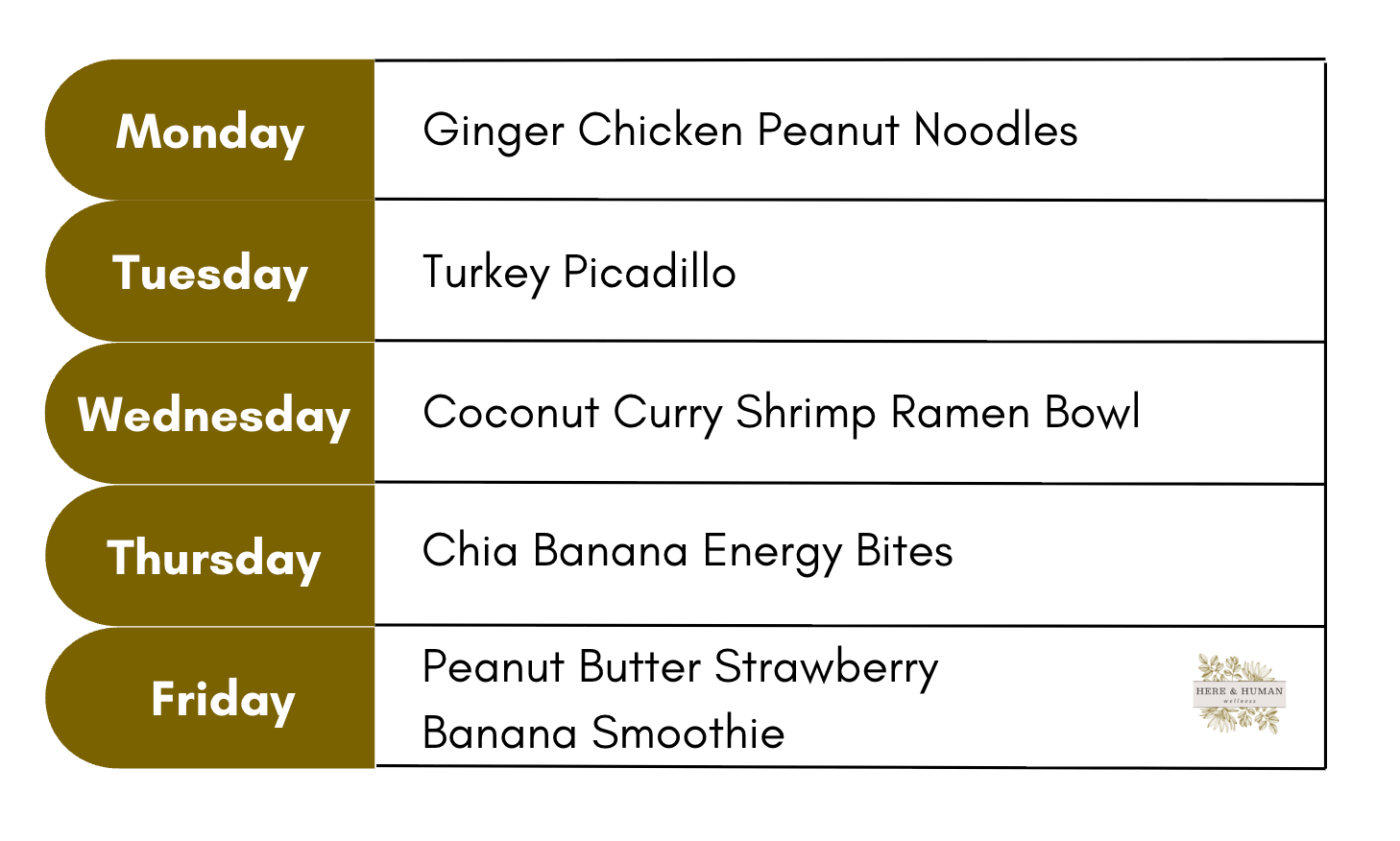
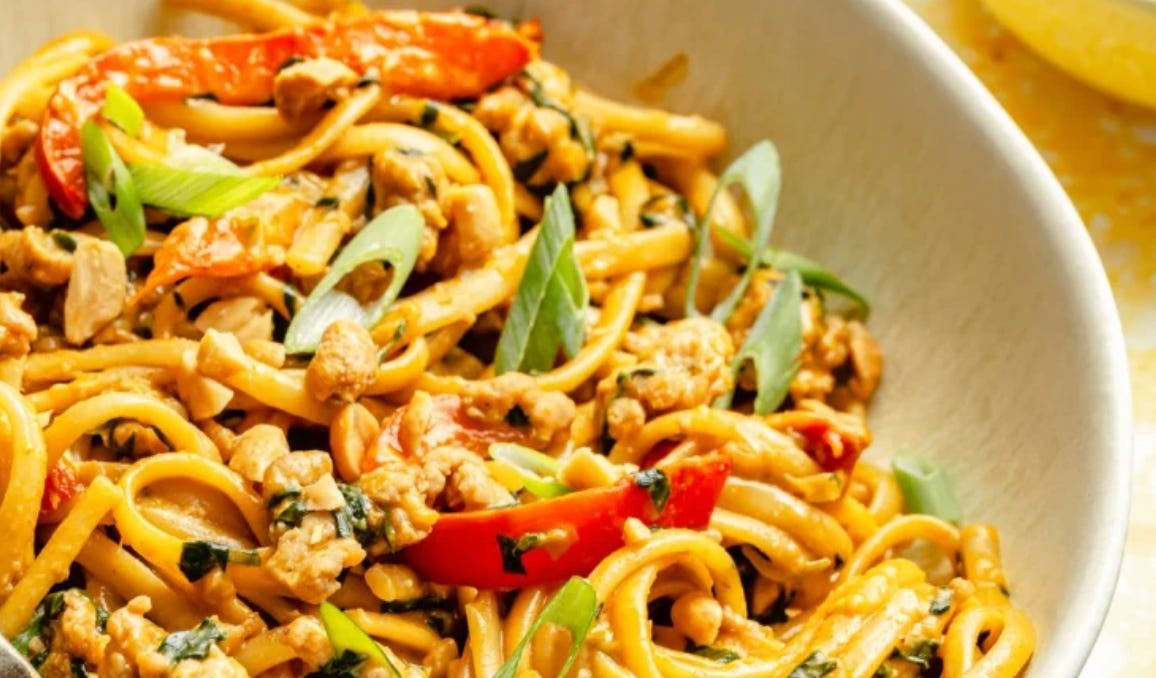
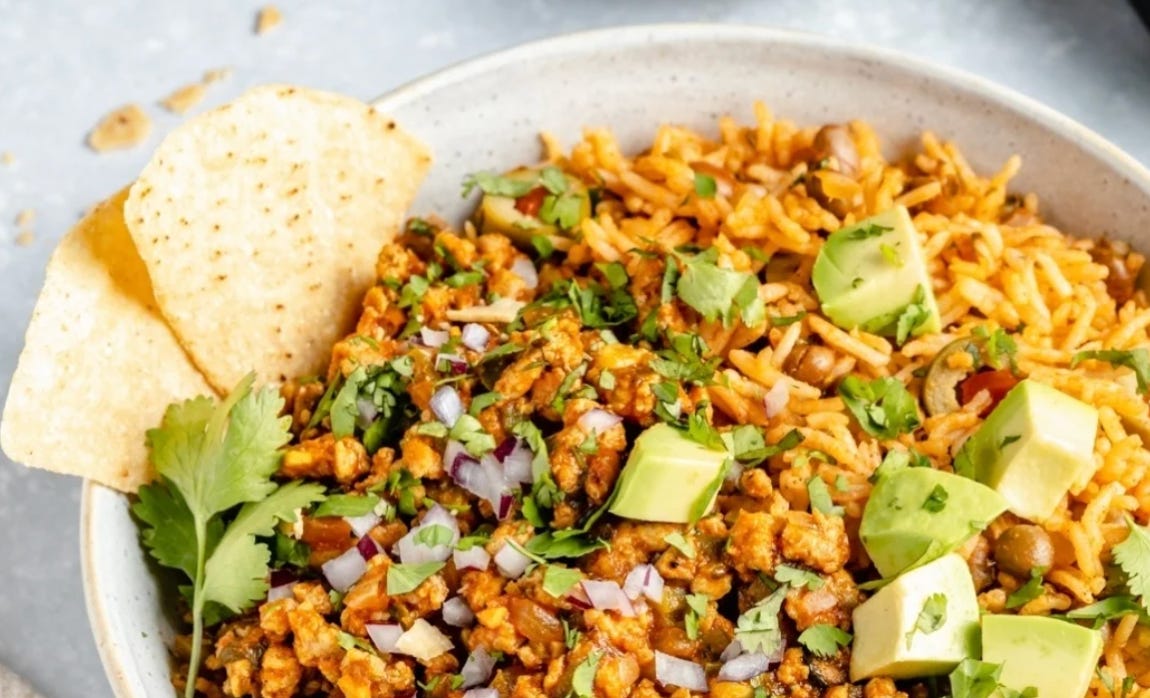
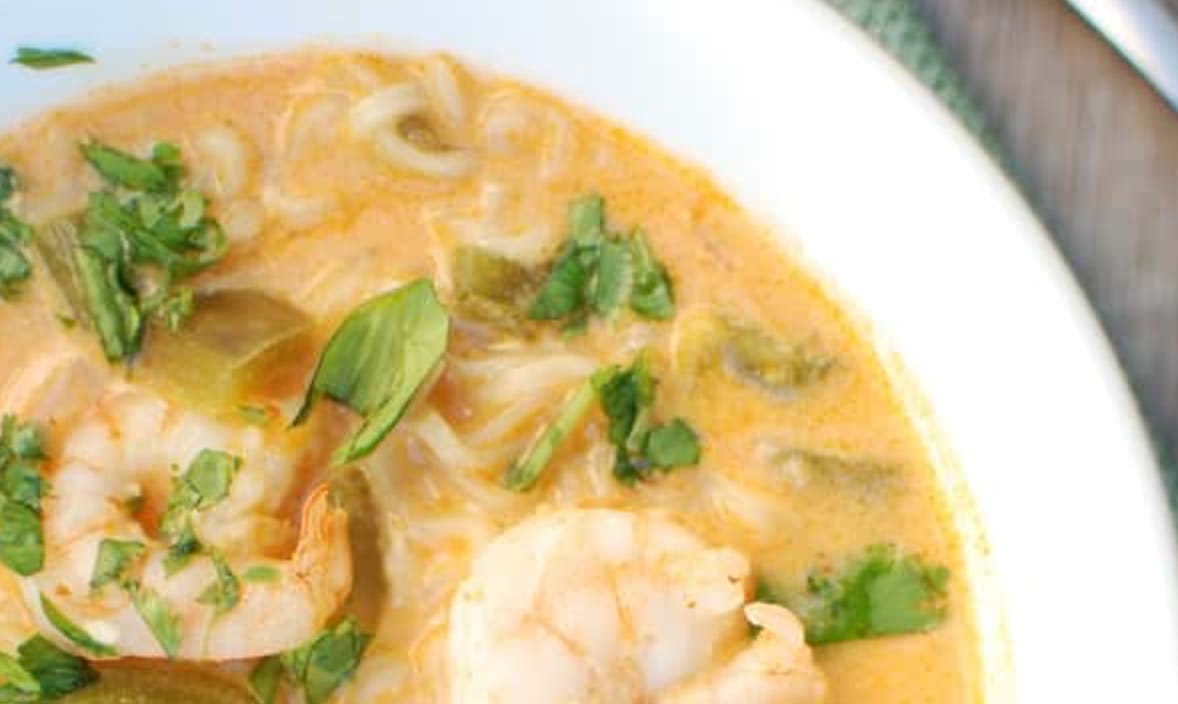
Coconut Curry Shrimp Ramen Bowl
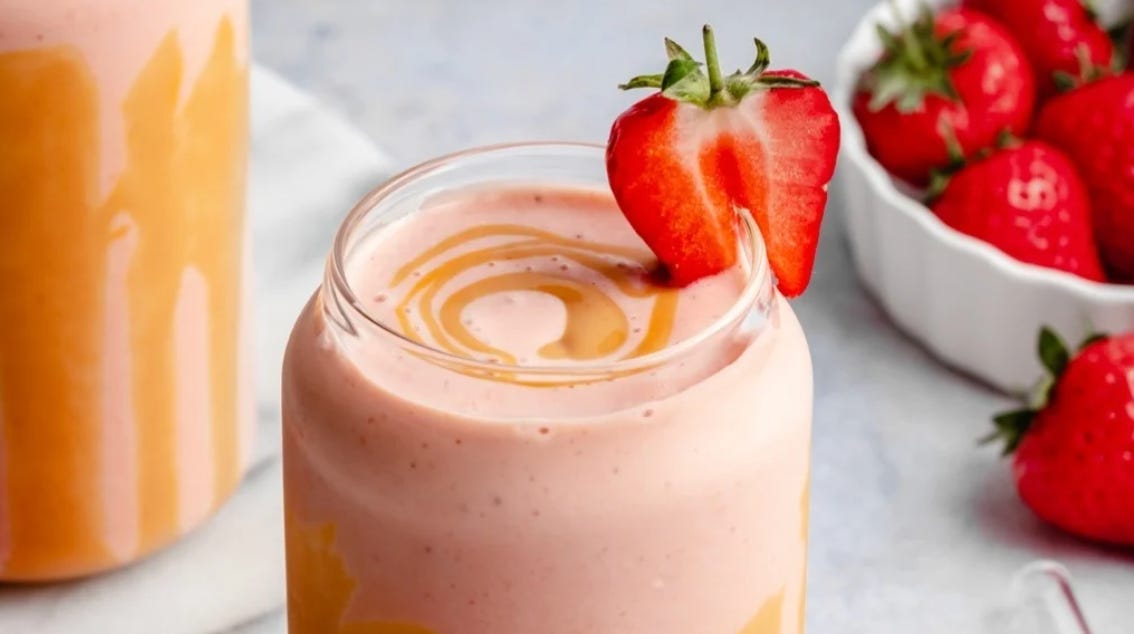
Peanut Butter Strawberry Banana Smoothie
Happy fueling, friends! XO Jen
No posts
Comments
Nothing yet. Say the first thing.
Sign in to join the conversation.