
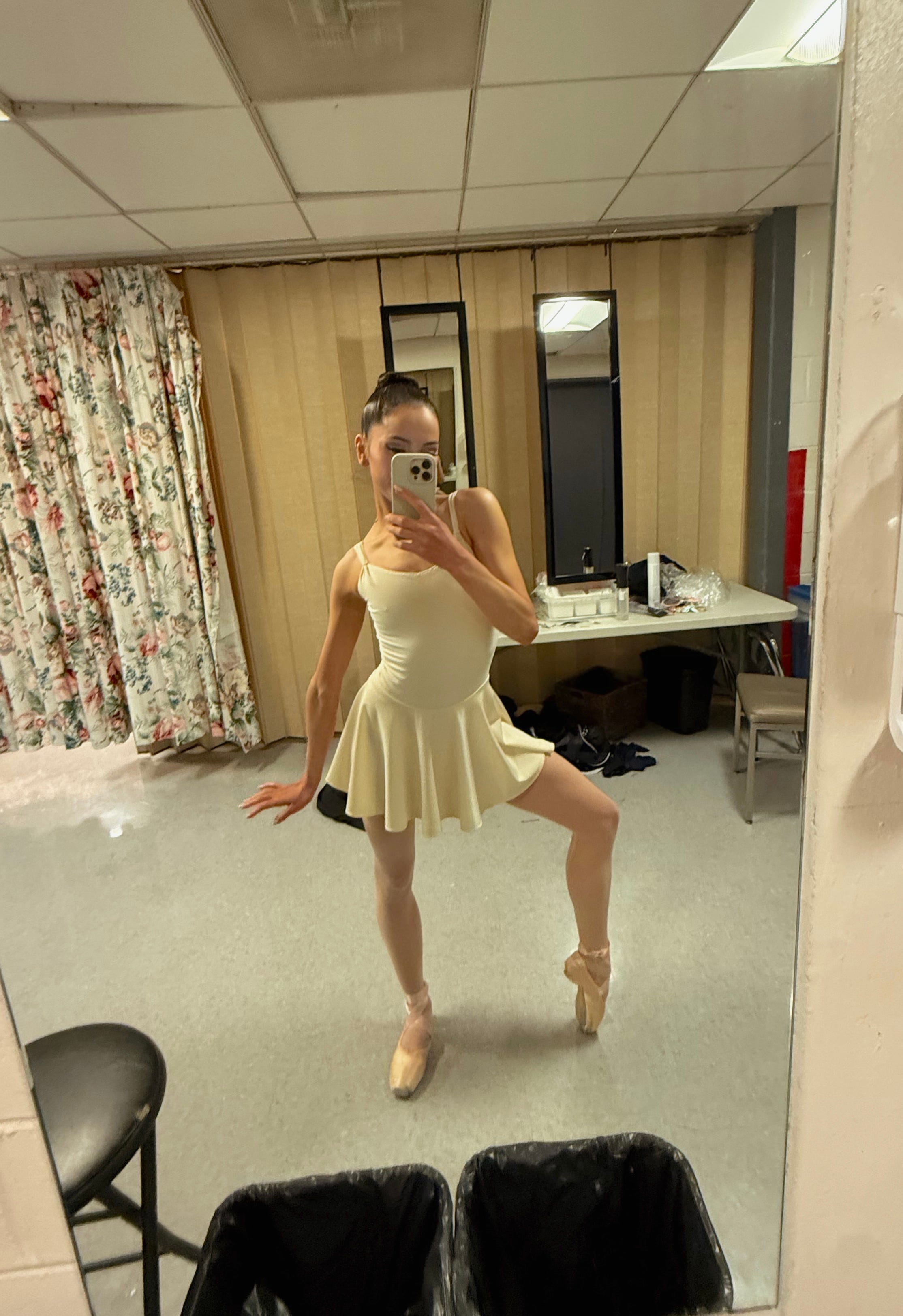
Writing this from my dressing room backstage in my ugly heated vest, about to warm up with stabilization exercises. This week's topic feels fitting.
There’s a lot that shaped my relationship with health. Before I get into the tools and protocols I use now, it’s worth understanding how I got here—because none of this came from a textbook. It came from years inside a system that prized discipline and output while ignoring how the female body actually works.
I’ve been dancing for as long as I can remember. At eleven, my mom asked me a question that set the course of my life: if I wanted to take ballet seriously, I’d have to leave my hometown, my friends, my childhood studio—Miss Patty’s—and move to New York City.
I don’t remember what I said. I remember the feeling. Something in my body knew. I never looked back.
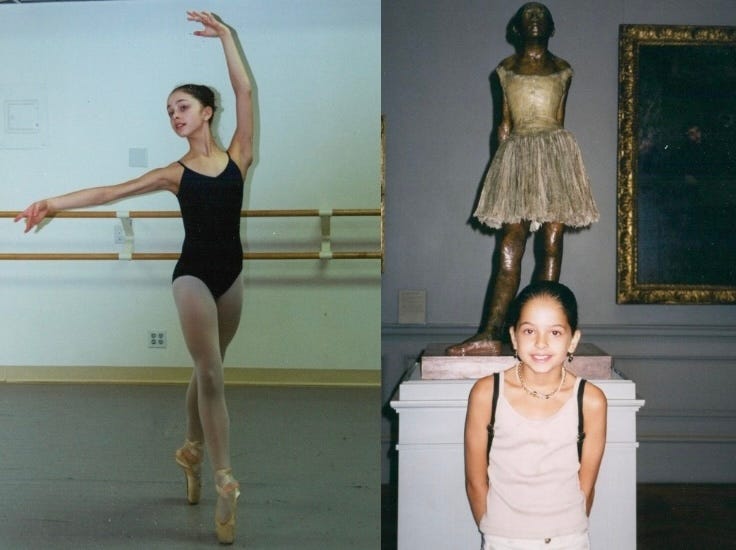
Five years later, I joined New York City Ballet. On paper, a dream. In reality, too soon, and a world where pain and exhaustion were baseline. Injuries weren’t anomalies—they were expected. You pushed through. You adjusted quietly. You kept going. That was professionalism.
I didn’t question it. I assumed this was what it took.
Even as a kid, my body was different. Elbows and shoulders dislocated or subluxed—on the playground, from a family member swinging me around. Hospital trips to reset my elbows were not abnormal. I knew early: my body didn’t operate like everyone else’s. But I didn’t know any different. I just kept dancing. Then the real injuries started to pile up. At eighteen, I was dealing with inflammation at the back of my ankle and masked it with cortisone so I could get back onstage. Did it twice. A year later, full reconstructive surgery on my FHL tendon. Out for two years. Recovery revealed what training never had. Inflammation that wouldn’t resolve. Swelling without warning. Foods I’d eaten my whole life suddenly triggering reactions. My body had been sending signals for years. I just didn’t have the language yet.
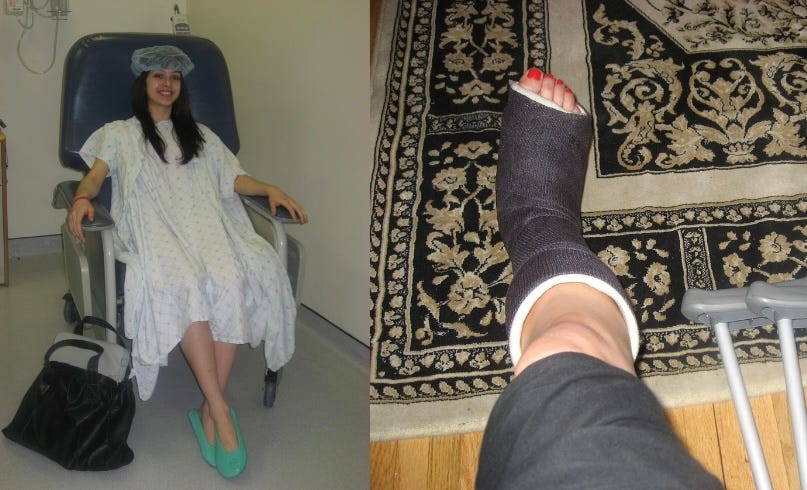
At twenty, I was diagnosed with Ehlers-Danlos Syndrome. The signs had always been there—hypermobility, joint instability, slow tissue repair. But the diagnosis connected dots I hadn’t known how to name.
What surprised me most: EDS doesn’t stop at joints. It affects digestion, immune response, energy, inflammation. After surgery, I was breaking out in hives, swelling randomly, reacting to foods that had never been a problem. I bounced between allergists and GI specialists for months, trying to isolate symptoms without understanding the system they belonged to.
I didn’t need another isolated answer. I needed a framework.
That came when I started working with Dana James. She taught me to see health as an interconnected system—meditation, traditional Chinese medicine, nervous system work, acupuncture, herbalism, nutrition—not competing approaches, but complementary tools. For the first time, my body made sense as a whole. This was before any of these ways of healing were mainstream. Needless to say, I was very “alternative” to most.
My father is Italian. The second question of the day in my house was always “what do you want for dinner.” Meals were connection. My grandmother—one of my greatest influences—took me to Paris at sixteen and taught me to pay attention to ingredients, flavor, quality. Not as luxury. As respect.
As I learned to support my body through nutrition, I started experimenting in the kitchen. I wanted food that nourished without stripping away joy.
In 2016, while at Fordham, I was blogging, taking photography classes, meeting people across industries, learning by doing. A friend suggested I sell some of the snacks I was making. Within a day, I was calling my Pilates instructor for her lawyer’s contact, forming an LLC, applying for a home kitchen license, baking bars in my toaster oven.
Messy. Imperfect. It taught me how to move from idea to action without waiting for permission.
That became Get Golden.
Ballet taught me discipline. Consistency. Precision. How to perform under pressure. What it didn’t teach me: how hormones shape recovery, how inflammation accumulates, how cyclical physiology interacts with daily training demands.
Much of what I eventually learned about my own body echoed research that had either been there all along or was soon to be articulated. As exercise physiologist Stacy Sims is known for saying, “Women are not small men.” Training, recovery, and nutrition protocols built around male physiology don’t automatically translate to female bodies—especially when hormones, connective tissue, and inflammatory response are involved. Her work helped me put language to something I had felt for years: my body wasn’t failing. It was responding logically to a system that wasn’t designed with it in mind.
What I experienced in ballet isn't unique. It's just unusually visible. Custom-fit pointe shoes that no longer fit because you're swollen in your luteal phase. Legs that feel like lead. Joints that won't cooperate. And you still have to perform exactly the same. There are loopholes. I saw them early.
Essentially, most performance systems—training programs, wellness advice, productivity culture—are built around maximal sameness. Max effort every day. Max output. Max expectations. You see it in CPG trends too. Max everything. The body is treated like a machine that should respond predictably if you apply enough discipline. That model quietly fails a lot of women. We cycle. Energy shifts. Inflammation spikes and recedes. Ignoring that doesn't build strength—it builds injury. None of this is new news. If I could ChatGPT my way to perfect technique and zero swelling, I would have done it already. To the girl who brings her laptop to surgery: we are not robots.
Once I stopped treating my body as something to override and started treating it as something to interpret, everything changed. Not overnight. Not perfectly. But sustainably.
That distinction—between forcing consistency and building responsiveness—is where real resilience starts.
Learning to track my cycle and adjust accordingly was one of the most impactful shifts I made. Instead of forcing consistency, I started working with where my body actually was.
During my luteal phase, I take baby aspirin, omega-3s, zinc, and magnesium. I scale back intensity. I don’t fight the biology. I work with it. Small shifts, measurable difference in swelling, energy, and performance.
The goal was never perfection. It was responsiveness. Knowing what lifted me versus what quietly drained me.
I wish I’d known that inflammation isn’t a personal failure. It’s information.
I wish I’d known that recovery isn’t what happens when training stops. It’s an active process that determines how much capacity you actually have to work with.
I wish I’d known that discipline without feedback isn’t strength. It’s just repetition.
For a long time, I thought listening to my body meant backing off or lowering standards. In reality, it meant paying closer attention. Learning when to push, when to pause, and when small adjustments mattered more than effort. Understanding your physiology doesn’t make you fragile. It makes you resilient. Healthy joints, healthy skin, and a lower probability of the common ballerina hip replacement at sixty.
Over time, learning about EDS, inflammation, and female physiology reshaped how I approach strength, movement, and recovery. Proper fueling matters. Protein, healthy fats, nutrient-dense foods. But environment matters too: natural light, sleep quality, mindful movement. Recovery tools like contrast therapy, vibration plates, fascial stretching, and lymphatic work all support resilience.
I’ve learned to recognize when my body needs intensity and when it needs rest. Both states are valid. Both require intention.
What’s been most powerful is the confidence that knowledge brings. Not just for me. When your body feels like it’s betraying you, the instinct is to go invisible. Wait until you have answers before you re-enter your own life. I did that for years. It doesn’t work. If anything, it just makes you feel more isolated, helpless, and alone. When you understand the mechanics, the biology, the pathways forward, setbacks stop feeling like failures. They become legible. You stop asking “what’s wrong with me” and start asking “what is my body telling me.”
I used to think resilience meant pushing through. It doesn’t. Resilience is knowing what your body needs and actually giving it. That's why I'm writing this. Not because I have it figured out. Because I don't think anyone should have to figure it out alone.
This won’t be exhaustive or fixed. It’s a snapshot of what I’m paying attention to right now — what’s shaping how I think, train, and build. Sometimes it’ll be spicy. I’ve been watching how accountability plays out in wellness and longevity culture. Specifically, how quickly women are scrutinized while powerful men move through controversy with barely a scratch. With that lens: the recent conversations around Peter Attia and resurfaced reporting connected to the Epstein files. I’ve learned from his work. That makes it more unsettling, not less. I’m not interested in speculation. I’m interested in what responsibility looks like when influence is this concentrated.
I’m also watching Bryan Johnson publicly challenge supplement marketing norms — most notably his critique of Athletic Greens (AG1). Regardless of where you land, it’s notable to see someone with real visibility call out conflicts of interest, influencer-driven trust, and the gap between branding and formulation. It raises bigger questions about transparency, incentives, and who benefits from the stories we’re sold about “health.”
No conclusions yet. Just watching closely.
Iope Retinol I’ve done the classic tretinoin and differin gel route from an amazing dermatologist in Paris. But I can’t stop looking at my Korean friend’s skin. Glass. She swears by Iope .1 retinol. I’ll have what she’s having. I’m still confused on the whole retinol debate—some of my trusted skin wizards are against, some are pro. A deep dive is in order.
Elastique Lymphatic Leggings I got these lymphatic support leggings. You can sense a theme here—my legs are often tired and swollen. They have small micro balls in them that are supposed to encourage lymphatic drainage. I’m going to wear them for the next week while I work and in our ballet dressing room to see if they work.
Sunscreen Filters! The FDA’s proposal to expand the list of approved sunscreen active ingredients is worth watching. It signals a slow but meaningful shift toward modernizing U.S. standards, closing the gap between what’s been used safely elsewhere for decades and what consumers here can actually access. A reminder that “clean” or “advanced” isn’t always about innovation—sometimes it’s about regulation finally catching up.
Rich People Shit — I spend a lot of time reading science and consumer news. This new Substack written by Carson Griffith feels fun, fresh, and interesting. Excited to read more.
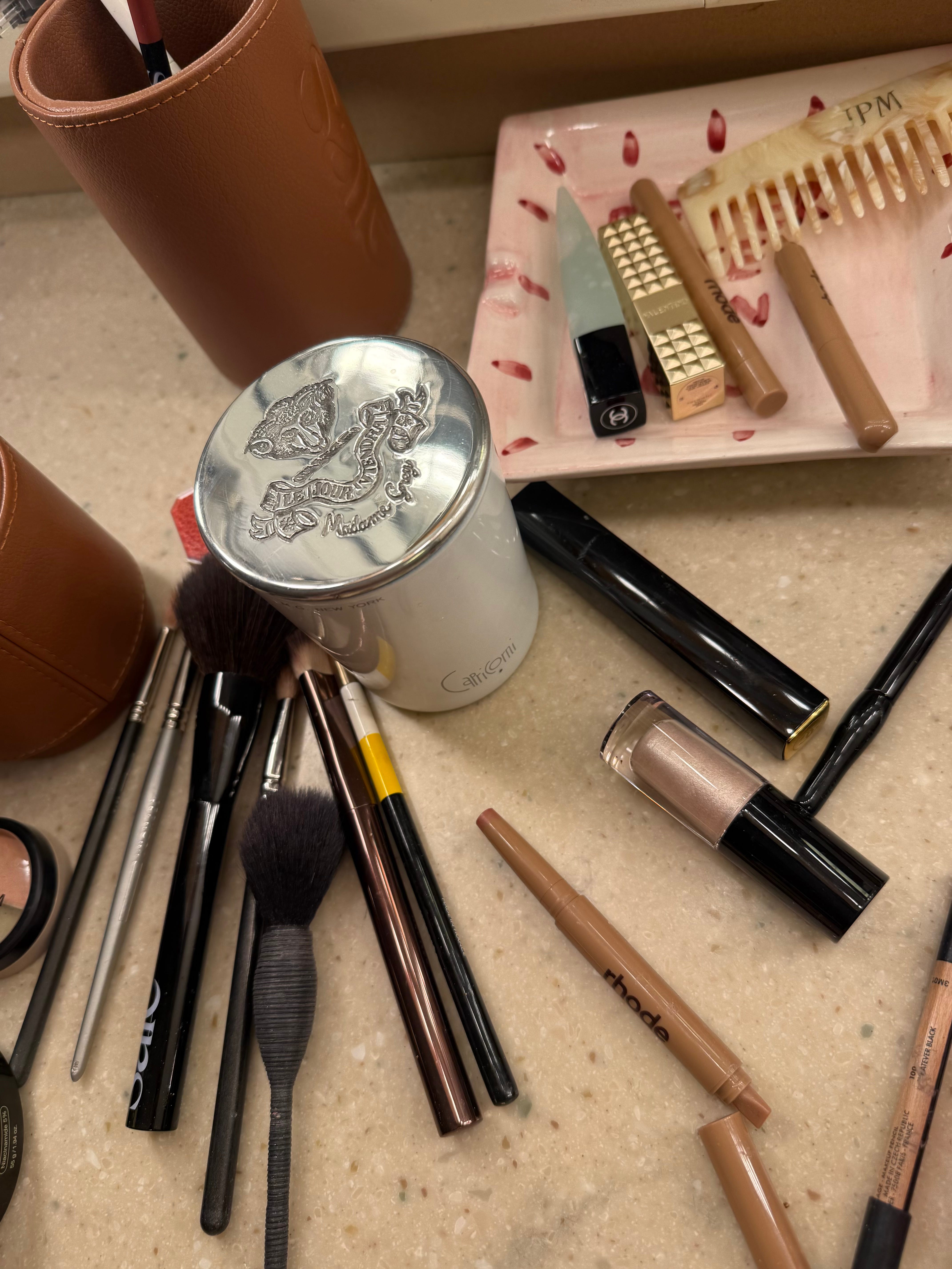
Madame Grey Capricorn Candle I’ll stray from my non-toxic candles only for something worth it. Anything Cassandra does is chic and this candle does not disappoint. Capricorn smells super grounding—warm cognac and sandalwood. Given the theater has been my home for the past two months, it’s lived here. Excited to find a better place for her in my own home.
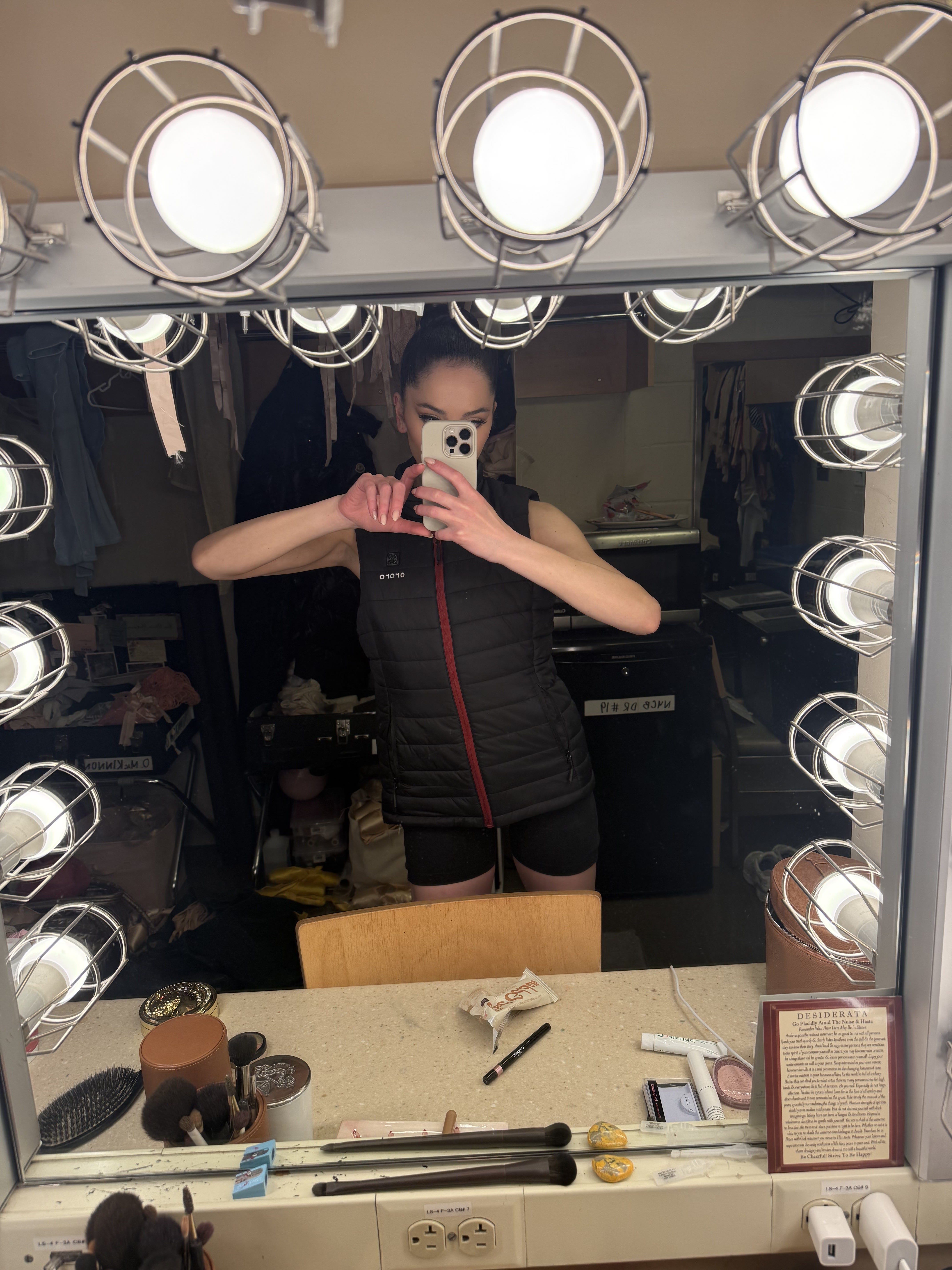
Ororo Heated Vest Nothing says hot girl more than a fugly heated vest. I bought this for a ski trip last year and it now has a new life. I live on the water and love my view but the walk to the subway is a brutal wind tunnel. I started wearing this vest on my commute and now to warm up for shows. I fear I’m addicted. It’s so ugly, but so warm and functional. Under a coat, no one knows the secret.
xxx Jenelle
No posts
Comments
Nothing yet. Say the first thing.
Sign in to join the conversation.