
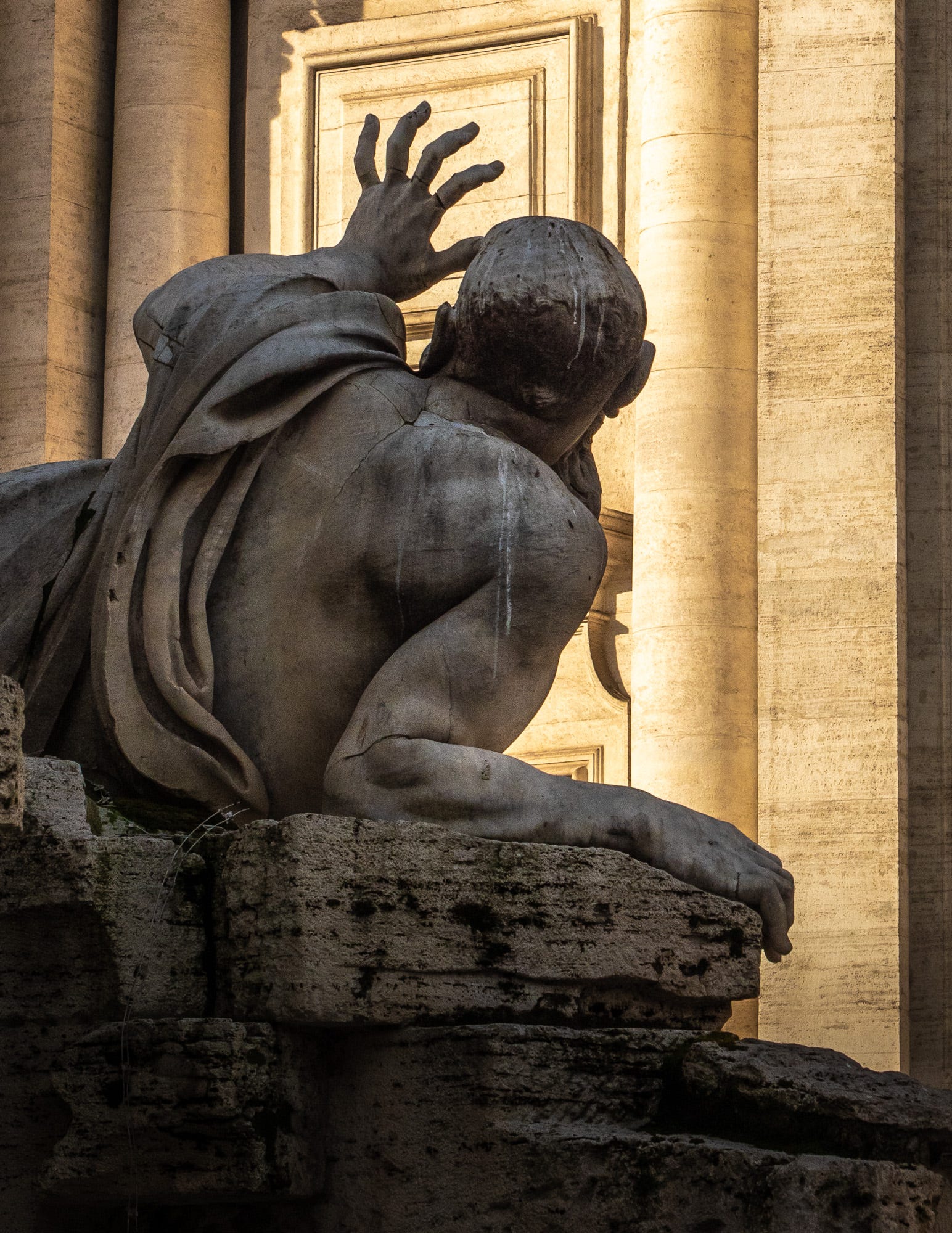
Sometimes, it’s hard to believe it’s stone. After all, stone is hard, cold and heavy. It doesn’t bend. It doesn’t breathe. Yet for thousands of years we have asked stone to become us – to become human.
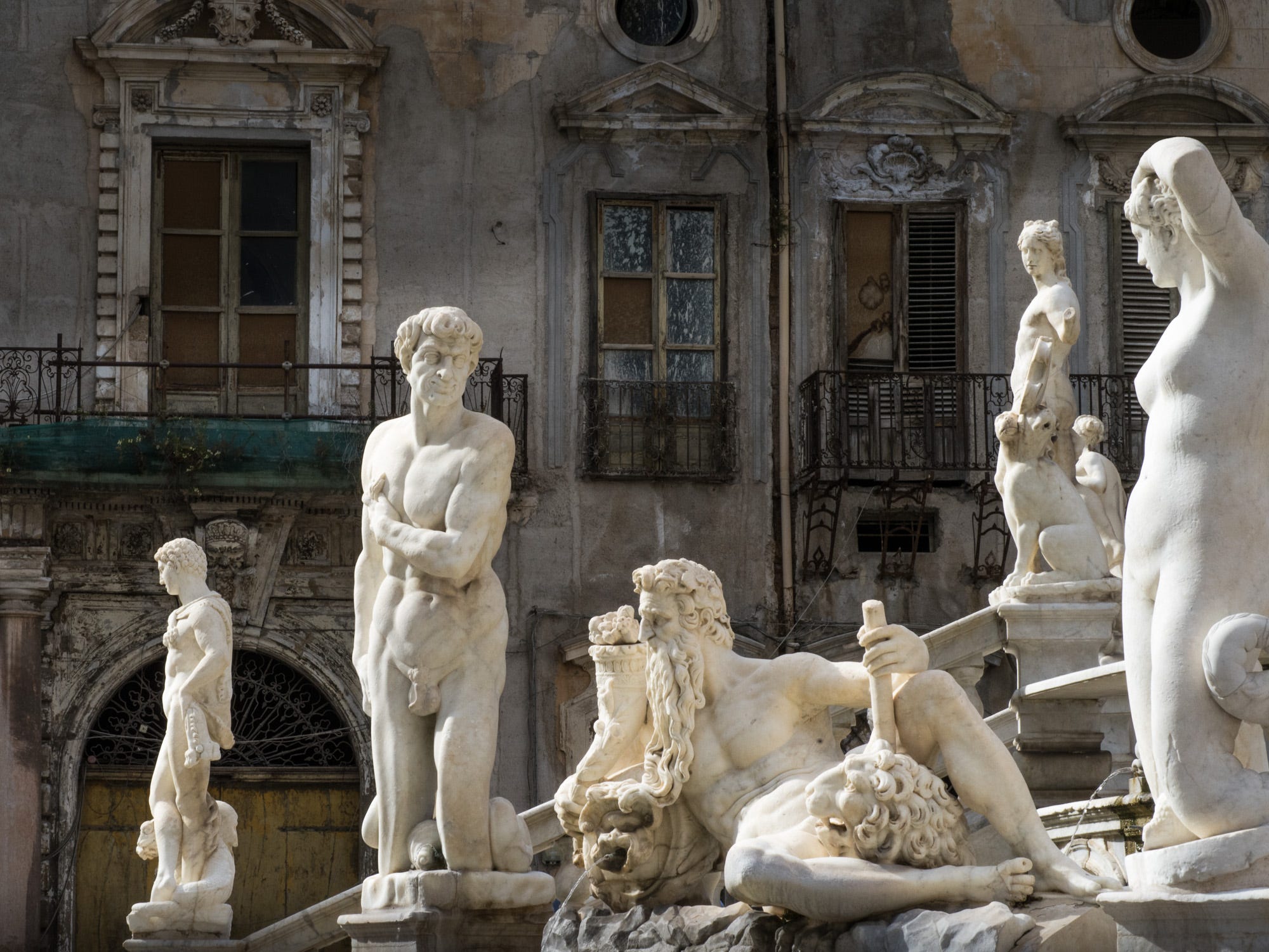
Shoulders that slump under imagined weight, fingers that curl around objects, mouths that seem about to speak and eyes that appear to look beyond us all give the illusion that stone can behave like flesh. That illusion is so familiar that it is easy to forget how improbable it really is.
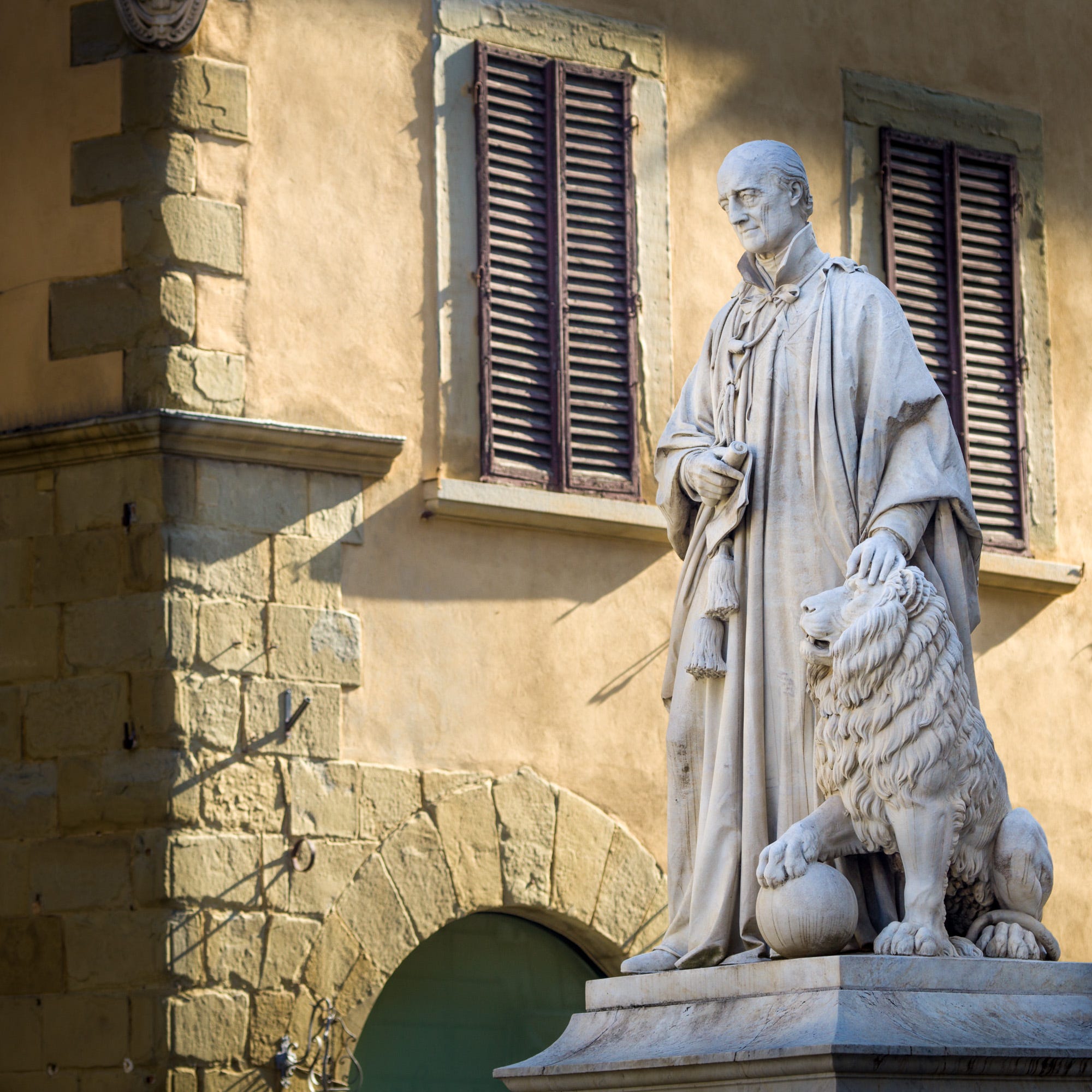
Maybe that contradiction is part of the attraction – our bodies are temporary, while stone suggests permanence. Skin wrinkles, muscles weaken and faces disappear from memory, but a figure cut into marble can continue standing in a garden or piazza long after the person who carved it – and the world that understood its original meaning – has vanished.
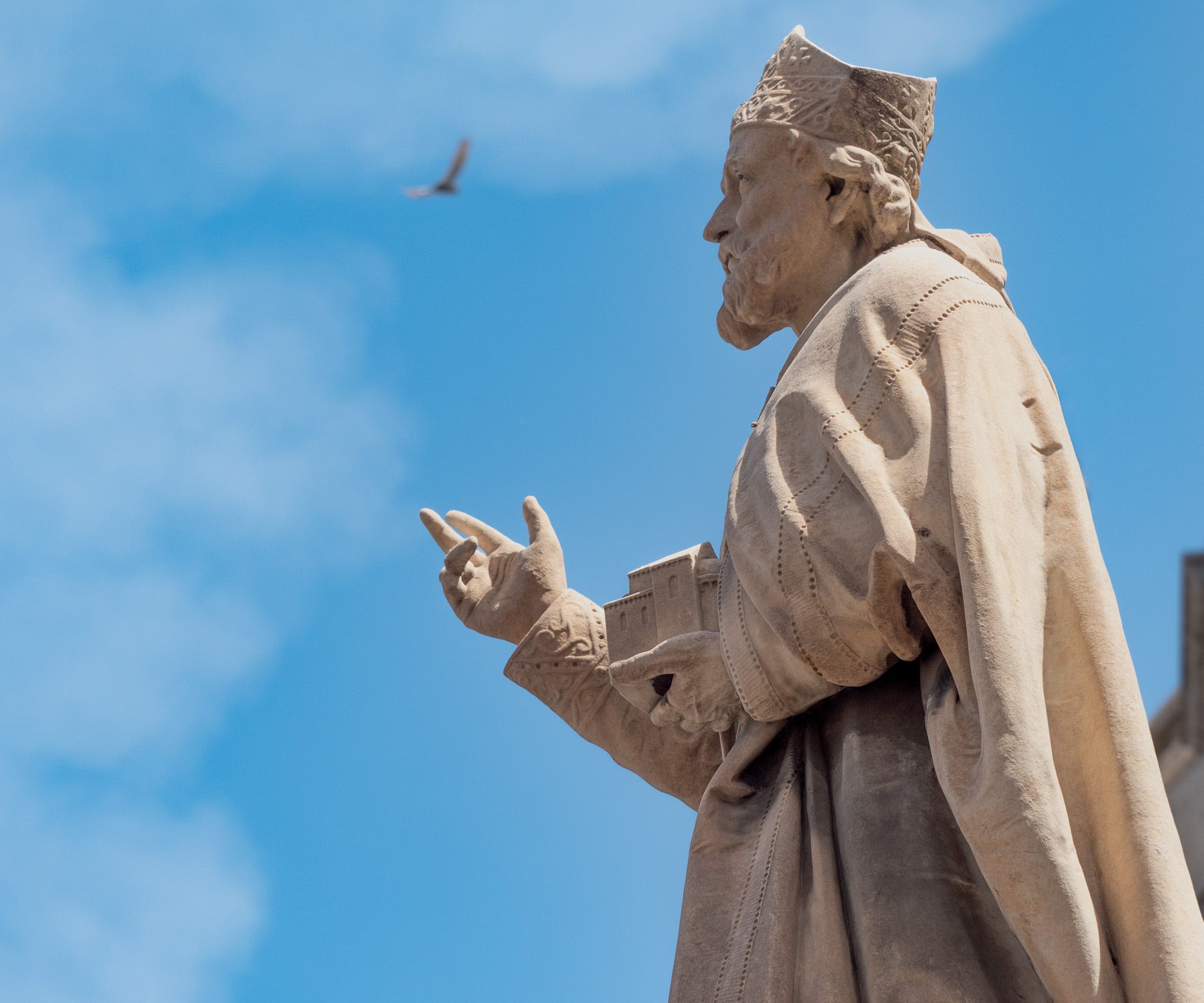
What usually draws me to a sculpture are its gestures. A raised hand, a turned head, the slight inclination of a body – these are movements we recognize because we make them ourselves. We know what reaching looks like. We know contemplation, exhaustion, authority, tenderness and fear because we have seen them in other people.
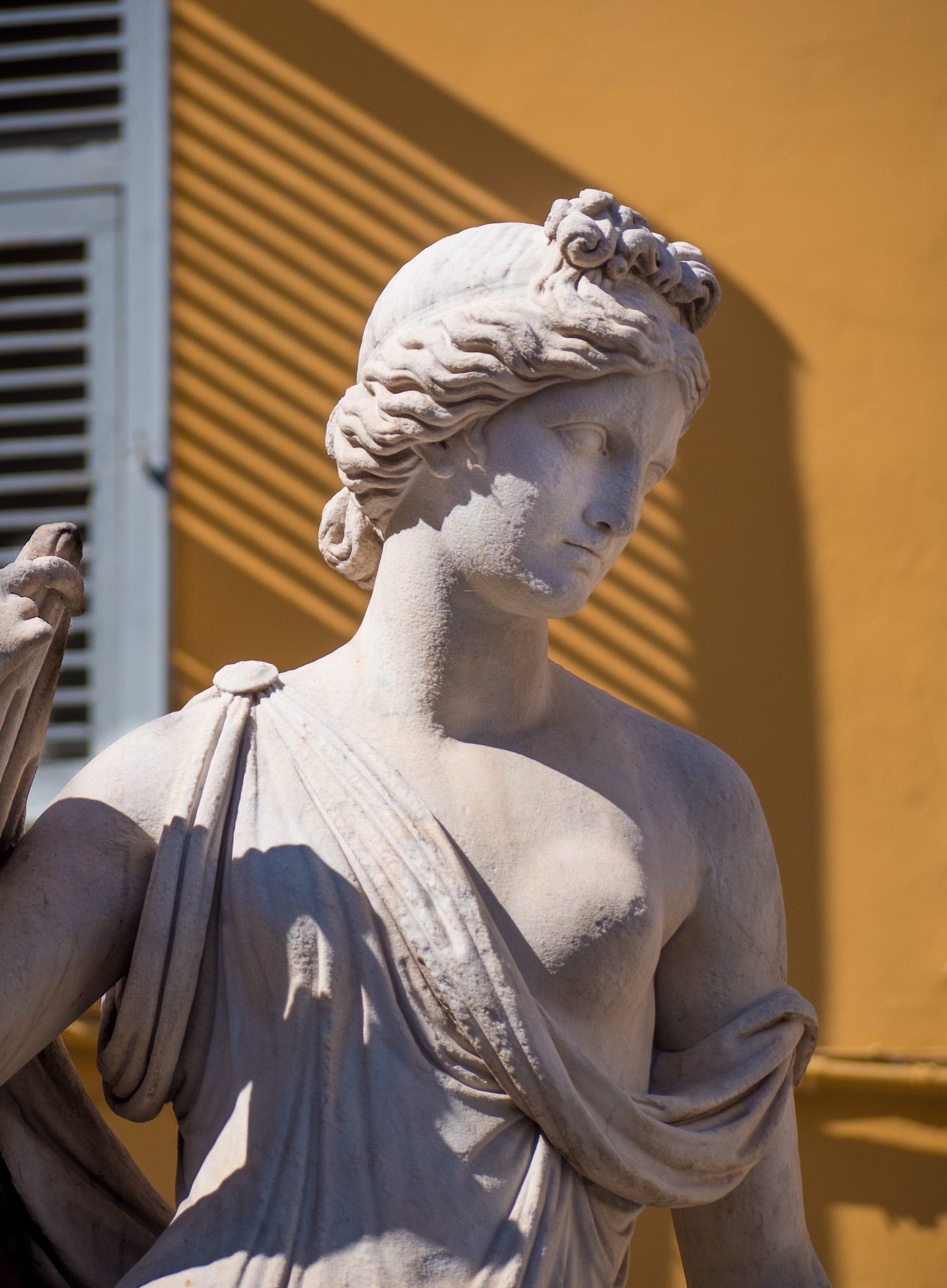
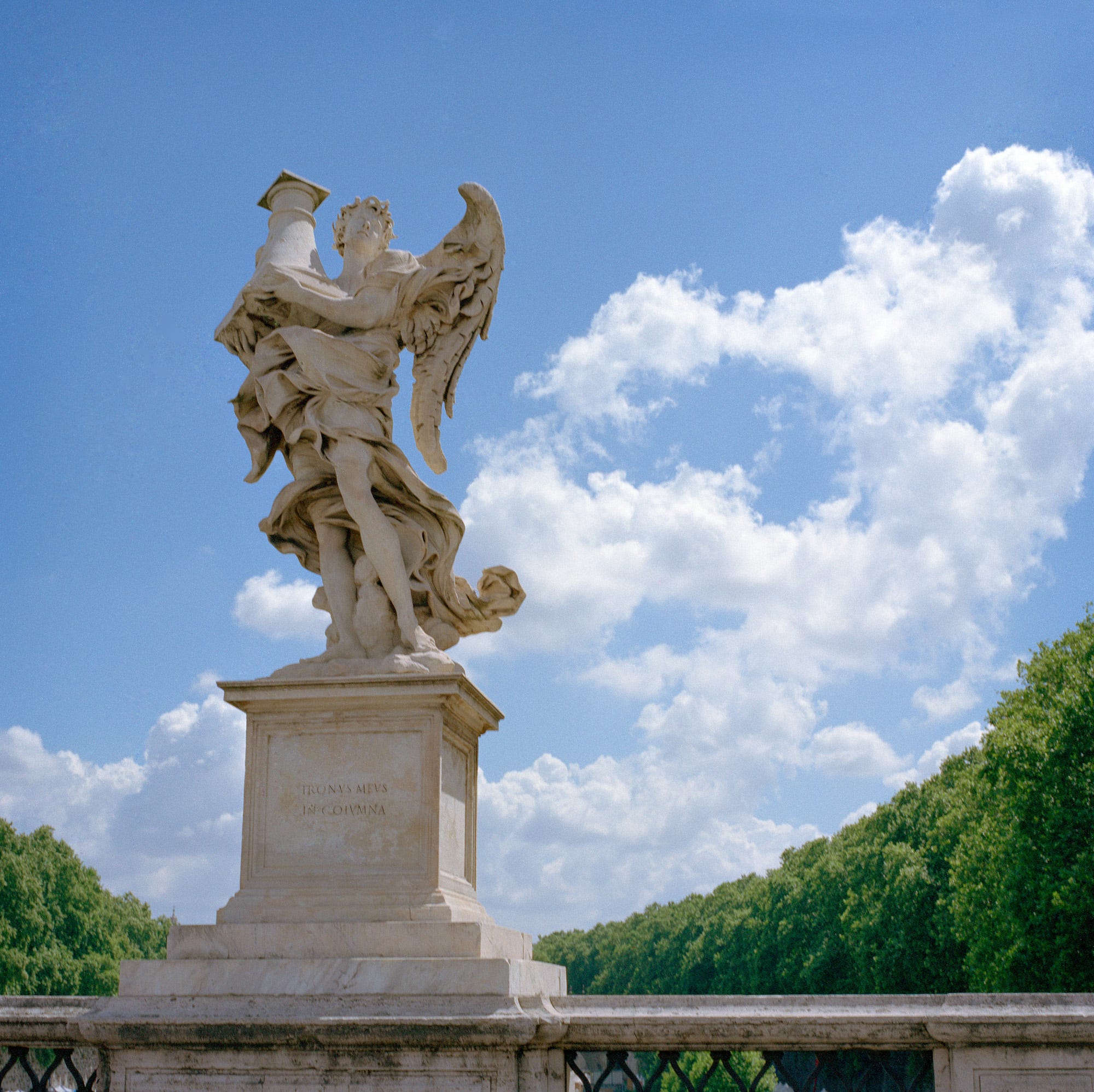
Time complicates things further. These figures acquire stains, chips, softened edges and streaks left by weather. Their perfect bodies begin to age just as ours do, only at a radically different pace. A face may lose the sharpness of its features over centuries. Rain works at a shoulder. Sunlight changes its appearance by the hour. The stone endures, but it does not remain untouched.
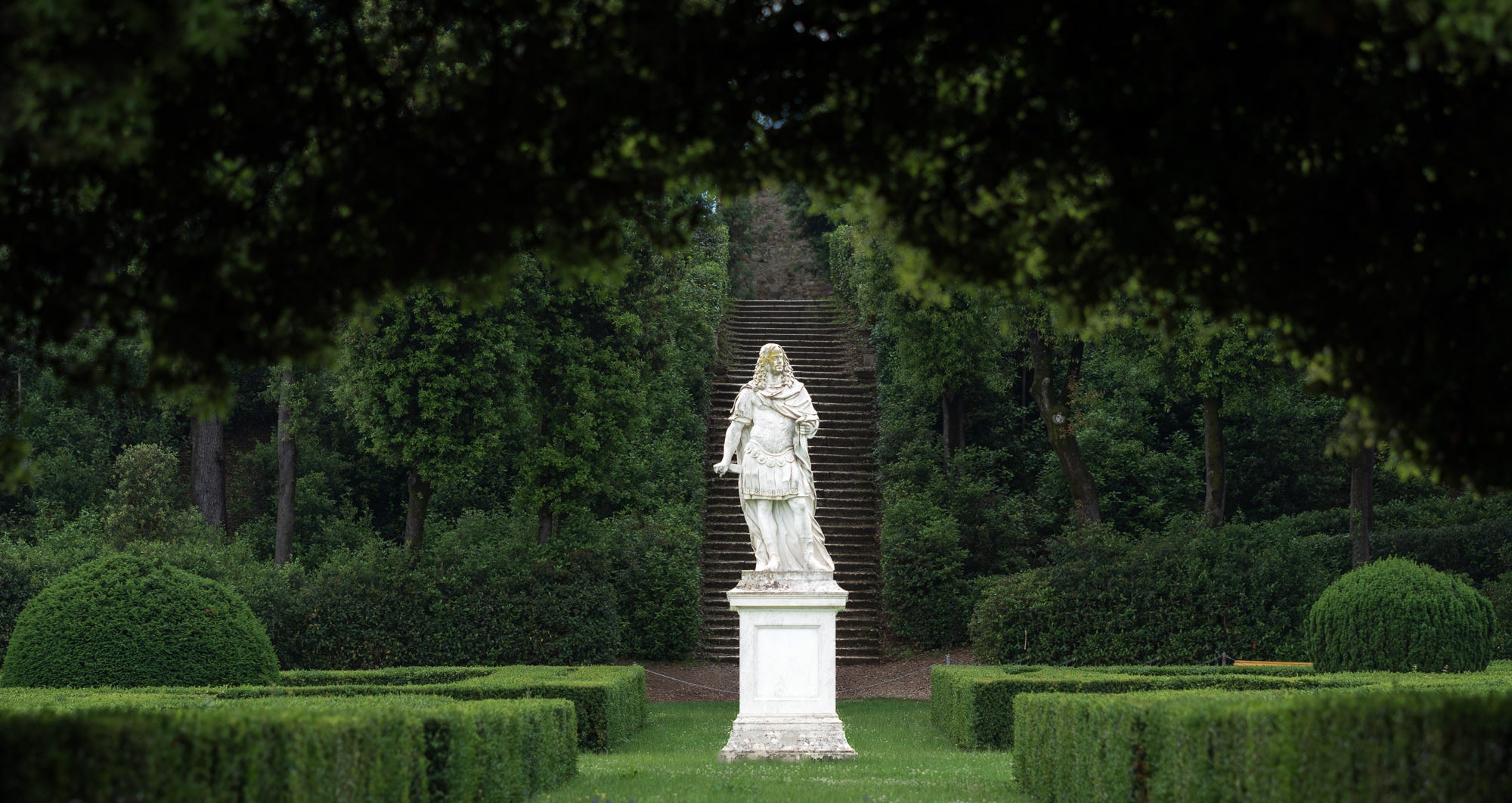
Photography adds another transformation. I am no longer photographing a block of carved material so much as responding to a person who isn’t there. Light catches a cheek or a hand and suddenly the figure seems attentive. A shadow becomes an expression. For a fraction of a second, the angle and position of the camera turns a fixed gesture into action. The sculpture seems less like an object and more like someone occupying the same world I do.
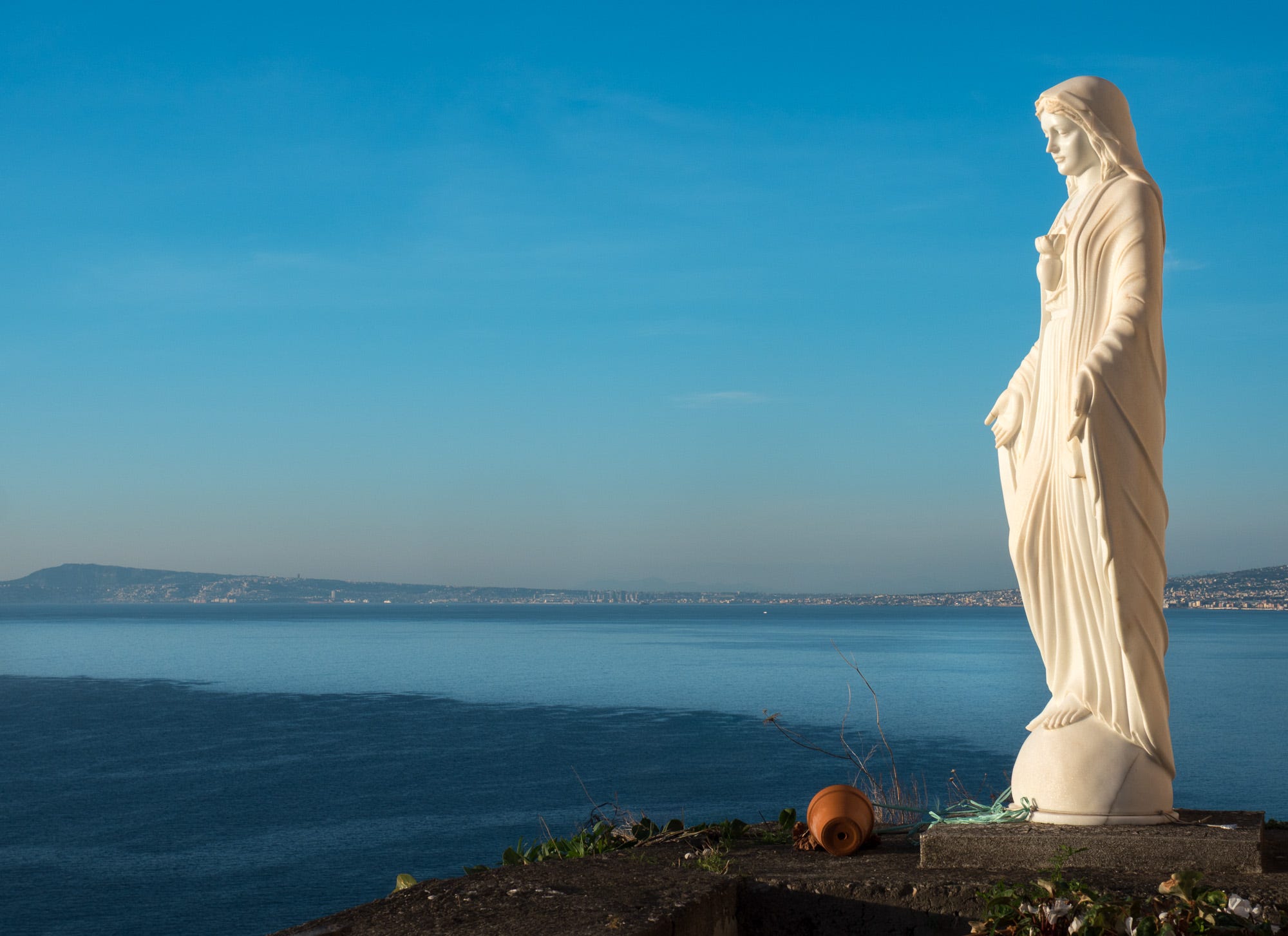
Maybe that is why we continue surrounding ourselves with these stone bodies. We know perfectly well they are not alive. But we keep finding ourselves in them. We recognize our strength and vanity, our vulnerability and our desire to be remembered. We give stone the shape of a human body because we believe it will outlive us, but time, in the end, comes for stone the way it comes for us.
I post my photographs and thoughts here to show that there is still beauty in the world and to promote the idea that there is grace, positivity and inclusivity in the everyday.
The arts have always helped us recognize and preserve those things. They remind us of what we share, what we value and what is worth carrying forward. There is still light in the world.
Comments
Nothing yet. Say the first thing.
Sign in to join the conversation.