
Hi, Substack friends!
Have you ever heard a song that brings you back to a specific place and time, and you can taste that ice cream cone or smell the salty air of the beach or feel the wind in your hair or hear your mother’s laughter?
This essay is about the music that lives in my marrow.
Music has often served as my muse, but it’s closely connected to my memories. I can hear one song and feel the emotions I experienced at the age when that song became embedded in my psyche. That’s what this piece is about. It’s in vignettes based on the song title. Thanks for reading. It’s always a delight to hear your own stories in the comments.
It can happen anywhere—at Burger King, when I’m seven months pregnant with my third daughter; while shopping for spinach and avocados at Fresh Thyme; in a hotel lobby when scrambling to check in; as a motorcycle blasts past the busy intersection close to my house.
Music. Songs. Lyrics. A familiar tune. Whatever I’m doing, the thoughts buzzing in my mind, and whoever I’m with don’t matter the instant I hear the first few chords or a chorus or that steady, syncopated beat. I’m instantly taken back in time, often to specific memories that flash like a slideshow in my mind’s eye.
Music is the archive of my life, often evoking memories that have gathered cobwebs in my subconscious. Certain songs aren’t a mere form of nostalgia to me, but instead become portals that transport me to a feeling, a mindset, a snapshot in time. They anchor me to those I love, the self I once was, and the moments that shaped who I am.
These songs didn’t simply accompany me, like background vocals or an orchestral bridge; they carried me through life, through time, and became scaffolding that drew me both inward and beyond my current state of being. Through music, I could self-regulate. I could escape. I felt supported, emotionally held. Maybe the memories themselves were meant to coalesce with sounds that became brazen anthems and soulful ballads.
Maybe music holds stories for us all.
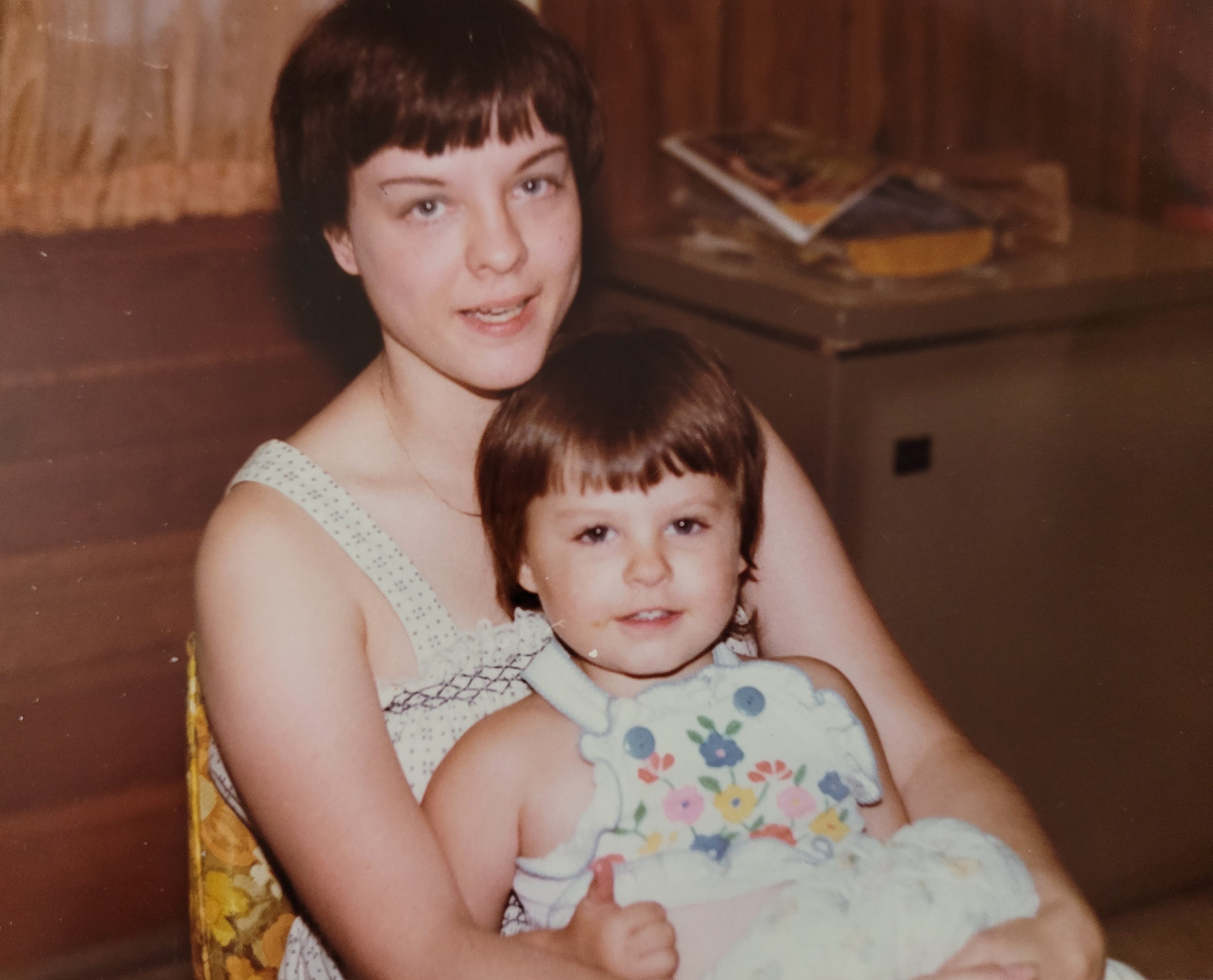
I was three years old, living in Kentucky with my parents and baby brother, David. My mom pushed the grocery cart up and down the aisle, as David gurgled and kicked his legs in the infant seat and I hovered somewhere around my mother’s knees. She hummed to the tune playing overhead, which meant she was happy, and I fell into a state of bliss alongside her. When Stevie Wonder came to the chorus, my mom sang in tandem with him, sweeping me into her arms and swinging me around. At least, that’s how I remember it. She pulled me to her chest, smiled, and said, “You know this is always going to be our song, right? No matter where we are, when you hear it, you’ll know that I will always love you.”
When my mom picked up David and me from school one afternoon, I immediately asked her how our dog, Swizzle, was doing. Swizzle had been acting strangely that morning, limping with her head cocked to the side and whimpering. I was thirteen years old; Swizzle was approximating seventeen. She was the only pet who had been a member of our family since before my birth, and I was worried about her. My mom avoided eye contact with me, stared straight ahead as she exhaled and said, “We had to put her to sleep today, Jeannie. I’m sorry. She had a stroke. It’s Friday. The vet said on the phone it wouldn’t be right to make her suffer through the weekend.”
I wailed at my mother. “How could you do this? I never got to say goodbye!” But there was nothing she could say to remedy what had transpired. I projected all blame onto her, because I never had closure and felt blindsided by this devastating news.
“We’ll bury her in the backyard this weekend,” my mom answered. “Then you can say goodbye.”
But it wasn’t enough. As soon as she pulled into the driveway, I flew into the house and locked myself in my bedroom. The CD still in my boombox was a new album by John Michael Montgomery, so I clicked the arrow until I heard the opening of “If You’ve Got Love.” Tears pooled in my eyes as I stared into the backyard from my window. Could I move mountains with love?
I pushed the button to repeat the song and played it in a loop for hours. I didn’t know it then, but this was my introduction to grief, and music became my teacher on how to metabolize it before I had the language for it.
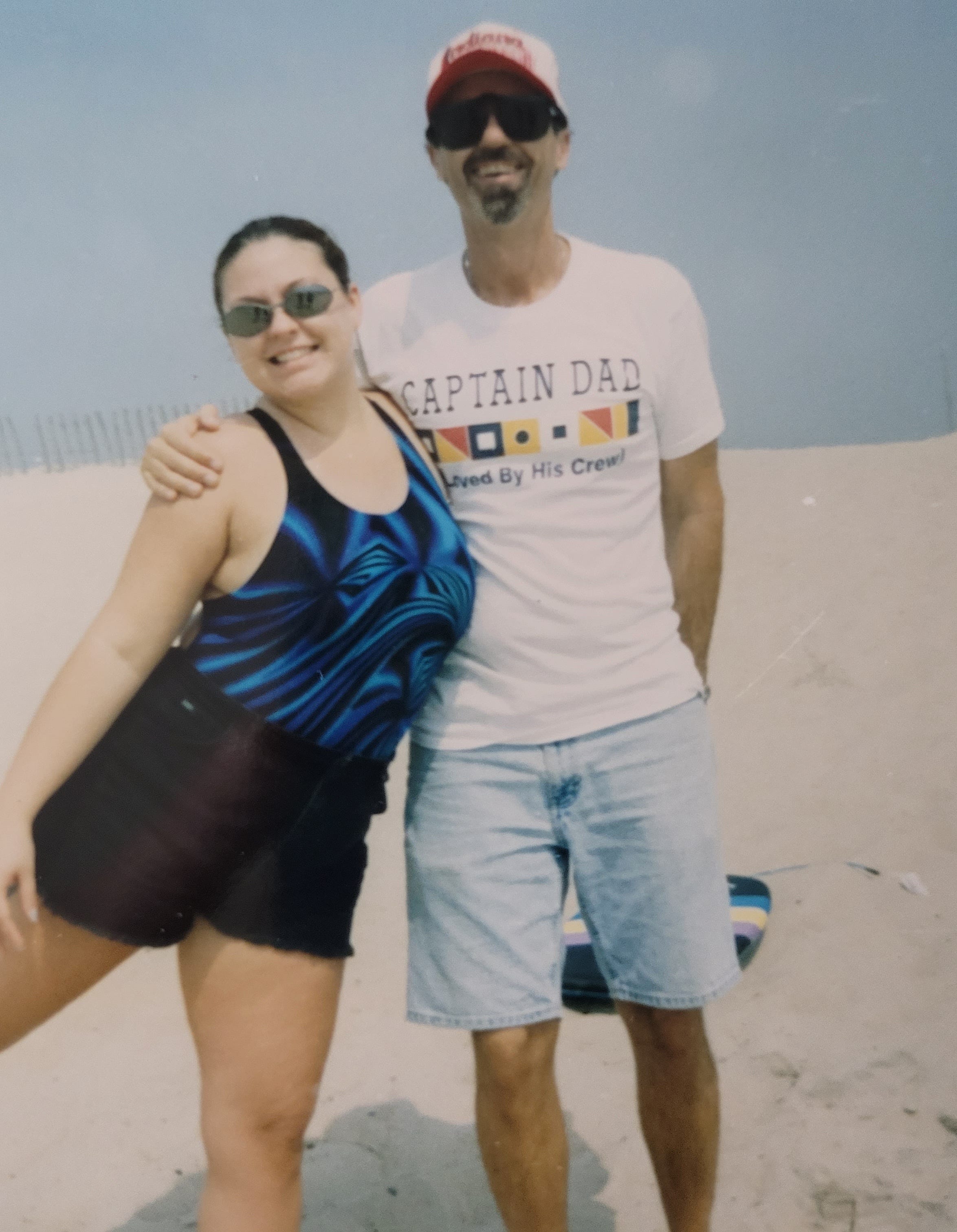
Standing on the promenade deck of a Holland America cruise ship, I sucked in the salty ocean air and allowed the tropical breeze to tickle the tendrils of hair away from my eyes. With Discman in hand, I had my new favorite album inside and clicked on number three: “Wonderwall.” I was sixteen years old, and the sea stretched out in possibility, as my mind drifted along with the waves. I thought about my first love, Josh, and wondered what might become of us. Maybe it was puppy love like the adults said, but maybe it was real. Or maybe it was both.
The lead singer of Oasis, Liam Gallagher, belted in angst that no one could love anyone the way he loved his partner, but the road was long and labyrinthine. The light might blind us, he said. And all the things left unsaid complicate things. I understood then that I was not only standing on an upper deck of a luxury cruise line, but I was straddling the liminal space between childhood and adulthood.
The ship was my threshold, and the song my transition.
My oldest daughter Felicity received a pink weighted stuffed elephant when she was a toddler. It was meant to be a sensory toy to help her body find comfort when she felt anxious or activated. Her occupational therapist recommended weighted blankets, toys, anything that might console her. Together, Felicity and I named her elephant Eleanor, which I suggested because of the alliterative effect—Ellie for short.
Every night, I’d tuck in Felicity to bed, snuggling Ellie/Eleanor into the crook of her arm and once, I spontaneously burst into the chorus from The Turtles’ hit with the same name—"Eleanor.” Using the simple lyrics indicative of 60s rock, I crooned to Eleanor in front of Felicity, telling her, gee, I think you’re swell. And Felicity, with blankets pulled to her chin, would giggle with delight.
For a while, until we moved into a new home and I gave birth to three kids in four years, singing together to Ellie the Elephant bonded us in a ritual of presence. I wonder now if music can be a type of inheritance that is passed down, absorbed, and remembered. I wonder especially because Felicity writes her own songs now, and she is a fine lyricist in her own right.
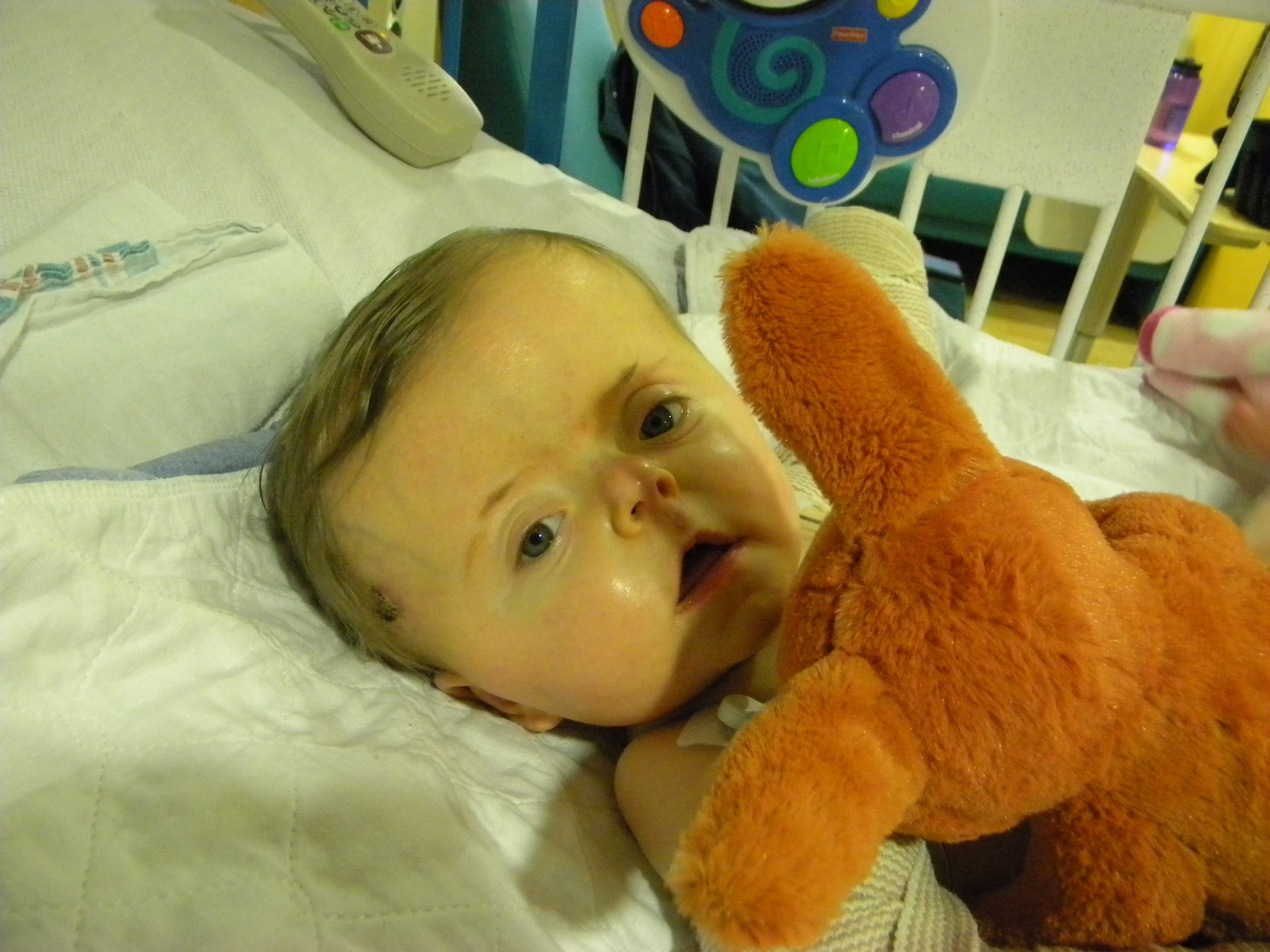
From birth to age three, my daughter Sarah spent most of her life in medical facilities: hospitals and exam rooms and laboratories. Before surgeries, I would sit with her behind the curtain, after I looped her little arms in the child-sized gowns with Hello Kitty imprinted on them, and soothe her with the only remedy that seemed to work: singing “My Favorite Things.”
Because she was so little, she didn’t understand why she couldn’t eat or drink, and it shredded my heart to watch her sob in hunger when I knew she wasn’t allowed anything before surgery. I haven’t yet found words to describe the anguish of a mother’s heart when witnessing her child’s pain and having no power to comfort.
But the song did. It worked every time.
I’d begin with the opening line and Sarah’s sobs turned to soft moans, then she’d gently ease into my arms while I’d rock her and rub her back. It was the only way to ease her pain—singing about flowers and rainbows and moonbeams and mittens. And, for a time, it was enough.
Zoning out while I washed dishes with cracked knuckles at the kitchen sink, my mind swirled in tornadic spirals, dark and violent: Why is everyone so happy, except me? Unable to avoid spotting the chipper moms traipsing to my neighbor’s side yard while picking up their little darlings from her in-home daycare, I felt sour when they smiled. I hated the fact that every mother I knew, except for me, seemed content with their lives while I was questioning if my sole purpose in life would be confined to changing diapers, wiping noses and butts, and consoling teething toddlers.
Because dinnertime approached, I’d turned on a Pandora station but hadn’t payed attention to the music. It was background noise, helping me pass the time that stretched agonizingly from one day to the next. But when I heard the first line from “Lonely People,” my heart jolted into awareness, and I cranked up the volume.
This song had never registered as being significant to me, and I probably only heard it a handful of times in my life before that day. It was what my dad called “an oldie but goodie,” but I never tuned my ear until I knew the message might reach some long-neglected part of my soul.
Don’t give up, they sang. You never know until you try. Two cliches that meant nothing to me until pieced together in a musical rendition. For the first time in three years, I believed that it was possible my life would improve one day, if only I hung on long enough to find out.
Music strengthens neural pathways, helps us soothe and self-regulate, evokes memories, activates the Vagus nerve when we hum or belt out that catchy chorus, and inspires creativity. The innate language of chords and harmony string together stories that we equate with emotional truth.
These songs I shared today are threads woven to form the tapestry of my life, both its unraveling and its becoming. When I look back at the moment my mom embraced me in the grocery store, I realize that music has always been another version of what holds and carries me home to myself. And I wonder, what songs hold your stories, and what melodies are stitched into your own becoming?
Comments
Nothing yet. Say the first thing.
Sign in to join the conversation.