
Us Neurodivergents often struggle to connect with, interact with and maintain friendships with neurotypicals. It can feel like there’s a glass wall between us, which can feel lonely and isolating. A while back I wrote about this glass wall that sits between neurodivergent and neurotypical people: the masking, the unwritten rules, the small talk that feels like a scripted role play, the exhausting effort of trying not to be “weird”. Before I started my community, the London Neurodivergent Friendship Group (LNFG), I lost neurotypical friends like a squirrel loses acorns. What I worked out, eventually, is that the thing I was missing wasn’t friendship in general. It was neurodivergent friendship specifically: connection with people whose brains are wired like mine, where I don’t have to change my personality to be accepted, and where the glass wall isn’t there.
People are ditching apps. Dating apps, friendship apps, see ya never they are saying, as they long press and select ‘move to bin’.
Why?
According to conversations and countless sources online, something shifted after the pandemic. The lockdowns and screens left a lot of people craving genuine, IRL connection that no amount of scrolling could satisfy. Researchers have even given it a name, “friction-maxxing”: a deliberate rejection of the frictionless, screen-mediated life in favour of tolerating discomfort and showing up in person.
If you scroll through dating related subreddits the mood shift is obvious. On a thread asking whether anyone else misses dating and meeting people outside the apps, the responses pour in:
“I quit the apps at the start of the new year. I never want to go back. I joined a meetup group and I’ve met so many new people…I do think there’s a growing movement where more people delete the apps and build genuine connections irl. I’m so here for it.”— bananamilk58 (r/AskWomenOver30)
“It feels soooo refreshing to chat and meet new people IRL, especially after the last 4 years with Covid. I find that it boosts my confidence in all facets of life, increases my platonic connections.” — lovers_delight (r/AskWomenOver30, the original poster of that thread)
Funnily enough, AI is part of this too, though maybe not in the way you’d expect. The more our feeds fill up with AI-generated faces and AI-generated chat, the more a lot of us feel a faint sense of the uncanny valley: that slightly unsettling feeling of something that looks human but isn’t quite. And here’s the thing. That same radar, the one now permanently switched on, scanning for what’s real and what’s synthetic, doesn’t just point at AI. It points back at the apps too. Because the apps were always quietly dehumanising, reducing a whole person to a profile to be judged and swiped away in half a second. We put up with it because it was convenient. But once you start noticing the hollowness of the synthetic, the flatness of a dating profile starts to feel just as cold. People on Reddit are increasingly saying exactly that: that the apps make us into commodities, leaving us emotionally drained and objectified.
"Everyone knows dating via apps has been gamified... It's icky." — badman_dont_PM_me (r/AskReddit)
There’s a catch, though, and one Redditor put their finger on it exactly. Approaching people in real life is hard, they said, “unless you’re in a structured environment, like a classroom or work.” That, in a sentence, is the whole problem these new events exist to solve: most of us need a bit of structure before connection can happen. Which is exactly what I set out to build.
I’ve watched this happen in real time. When I started Daisy Connections Neuroinclusive Speed Friending a year ago, the landscape was completely different. Now our last event sold out with far less marketing than I used to need, and people are actively messaging me asking when the next one is. The appetite is just there now in a way it simply wasn’t before.
And it isn’t only us. When I founded LNFG back in 2022, there weren’t many communities like it around. Now they are everywhere on social media: canoe clubs, gender-specific groups, neurodivergent communities, all sorts, each one carving out a little pocket of belonging around a shared trait or interest.
People are out there looking for their tribe.
For years I truly believed I was an alien who’d landed on the wrong planet. Sidenote: I still don’t completely discount that theory. Socialising left me anxious and drained as I watched everyone else through that glass wall, seemingly socialising with ease, and I engaged in some unhealthy ways of coping with it. For example tequila. After I discovered I’m ADHD, I decided to set up a small IRL neurodivergent community to meet people who were just like me. For the first time in my life, I felt normal. I wrote about what that’s actually like here, but the TLDR is that it changed everything.
It clearly wasn’t just me, because that little community grew fast into what’s now the London Neurodivergent Friendship Group, or LNFG: a free, informal space where members meet up weekly, chat daily, and are accepted for who they are. Members describe it as life-changing, and some have said life-saving, because when you’ve spent a lifetime being told you’re “too much”, or “not enough”, a space where no one is trying to fix you by weaponising shame does something profound. One member put it like this she’d never belonged anywhere before, and now this was her “true place”, somewhere she’d never once been judged.
Out of that community came Daisy Connections: the professionally hosted, sensory considerate, neuroinclusive speed friending events that give people a structured, easy way to walk through the door and connect with each other. Attendees have described the events as incredible and amazing, and the numbers back that up: around 80% of people who come to a Daisy event come back for another. That kind of return rate is why it’s growing so fast.
A particular moment that stays with me happened at our last event. Long after it had officially ended, after my team and I had packed up and left, a group of about ten attendees were still there, deep in conversation. This was a full two hours after the event finished. If you’d walked past and didn’t know, you’d have assumed they were old friends who’d known each other for years. We found out later they’d started their own WhatsApp group to stay in touch. Strangers who walked in unsure and anxious, walking out as people who’d found their people.
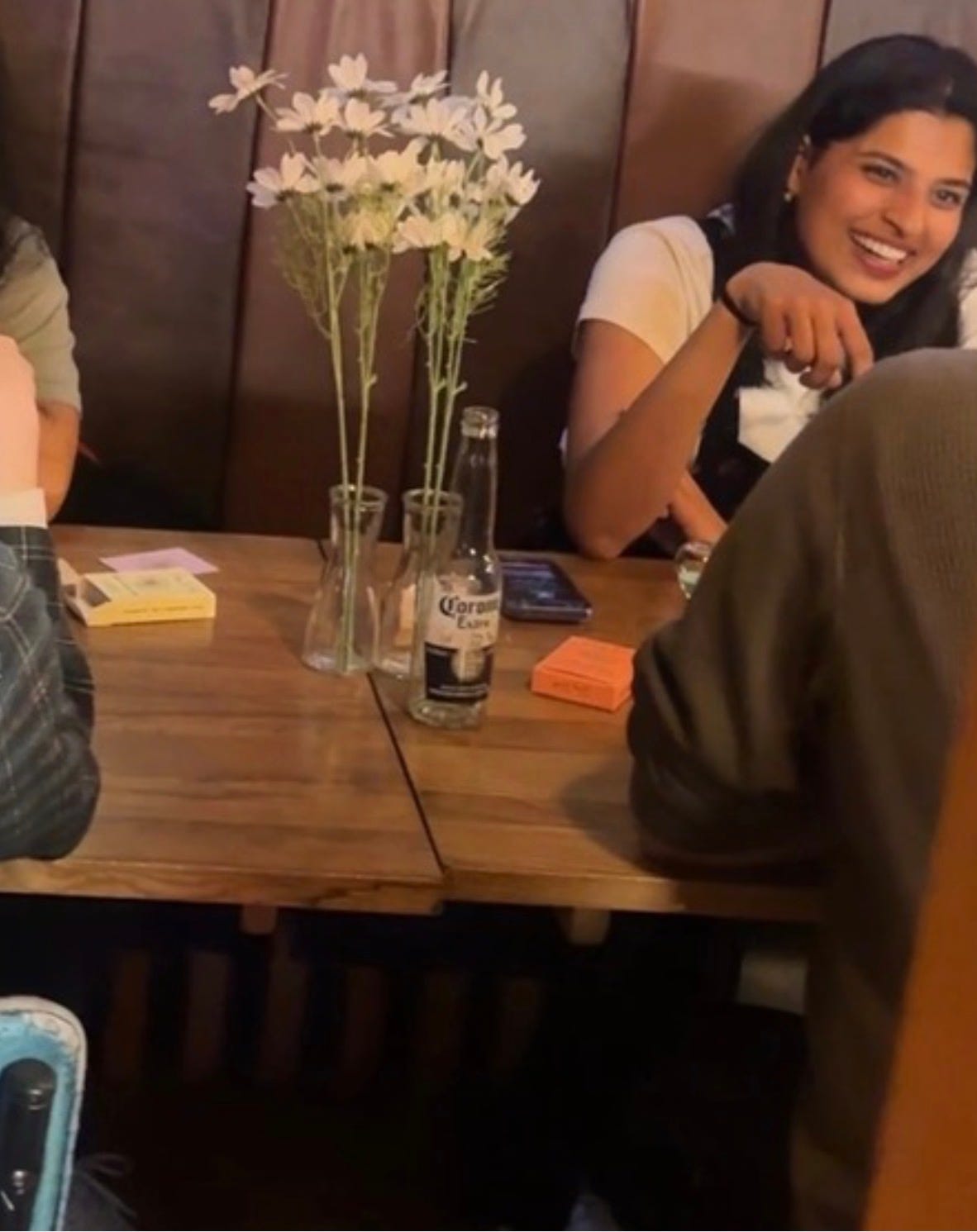
Ordinary socialising runs on unwritten rules: how long to hold eye contact, when it’s your turn to speak, whether you’re meant to fill the silences, how many knock knock jokes are appropriate per conversation, how to end a conversation without making it weird. Most neurotypical people navigate these on autopilot, but a lot of neurodivergent people are doing it all manually, masking: constantly analysing facial expressions, monitoring our own tone, and vetting every response before it leaves our mouths in case it comes out “weird”. It’s exhausting, and sometimes it backfires completely. I’ve stood there at events with my brain offering up a million possible responses, none of them quite meeting the threshold for “normal”, until nothing came out at all and I just smiled and hoped it looked neurotypical.
This is exactly why structure, support and neuroinclusivity change everything, and that’s what Daisy is about. When these elements are in place, the guessing disappears, the anxiety diminishes, and that leaves space to connect in our beautiful neurodivergent way.
At a Daisy event, there are conversation cards on every table in case your mind goes blank. And every event is professionally hosted by a compère, with personal hosts looking after you at all times.
Then there’s the thing people dread most, which isn’t the chatting at all. When we asked people what worried them about events like this, one of the biggest anxieties was the unstructured time: that horrible feeling of not knowing where to stand, what to do with your hands, or how to start a conversation from nothing. So we built activities into every break and mixer: digital darts, pool, giant Jenga, colouring. Something to do with your hands, and a natural, pressure-free reason to talk.
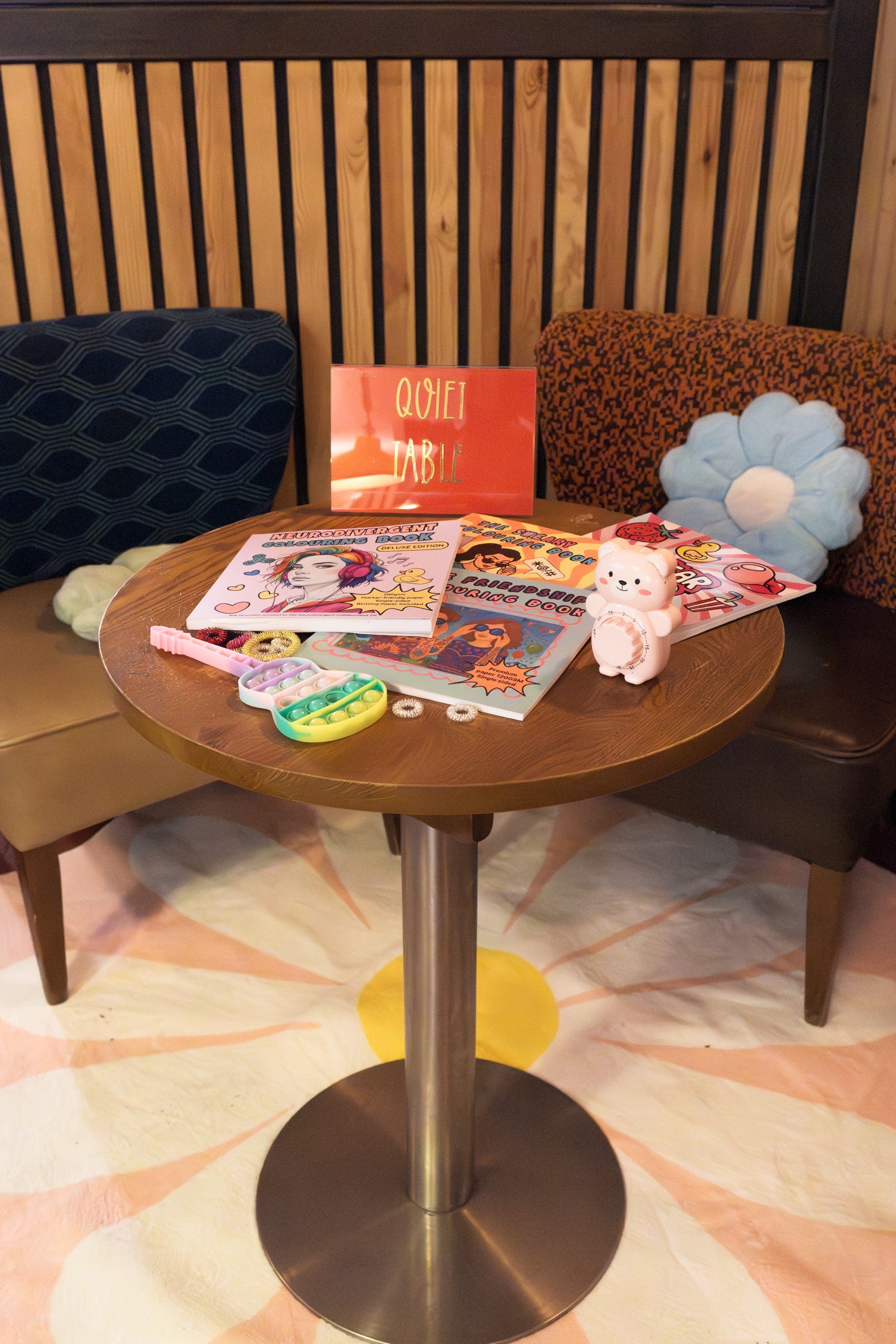
And for those who experience sensory overwhelm, we have a quiet, chat-free area to decompress, with ear defenders, colouring, acupressure rings and bubbles. The whole environment is volume controlled and sensory considerate: no bright or flashing lights, no jarring bell.
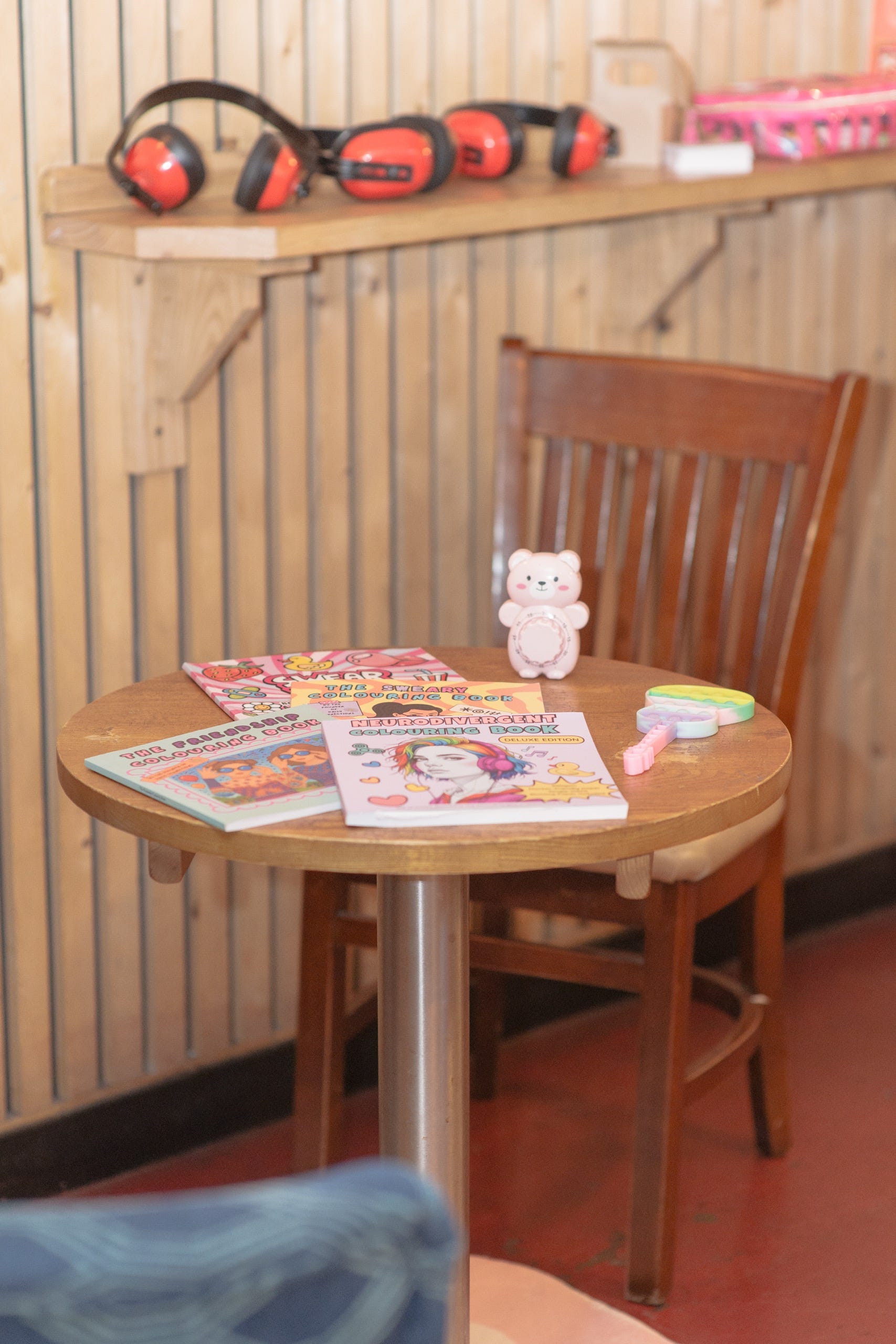
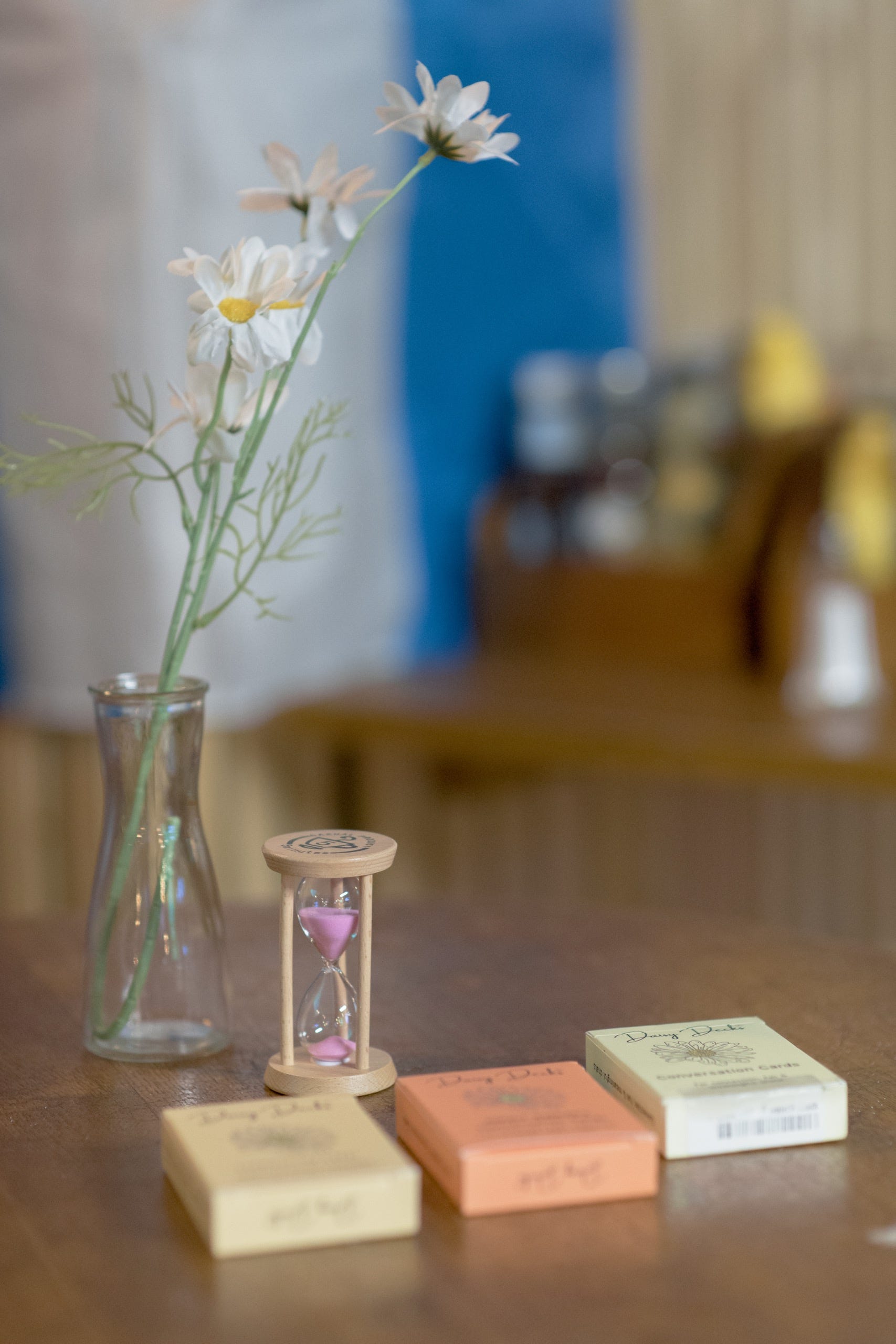
The deeper shift underway is happening on two levels. The first is something almost everyone is feeling: after years of screens, swiping, ghosting and dehumanising, people are craving real life connection again, choosing to actually be in a room with other humans rather than meeting them through a glass screen.
The second shift: Neurodivergent people aren’t just rejoining the real world; we’re building our own micro worlds. We’re no longer waiting for the world to become legible to us and to accept us for who we are. Instead, we are seeking out our tribe and creating connections and communities that fit how we authentically think and feel. That’s a far bigger thing than Daisy and LNFG, and it’s getting louder.
So if you’re ADHD or autistic and you’ve written off social events as something that’s just never worked for you, join the revolution. Ditch the apps and come find your tribe IRL.
A quick word on how this all fits together, since people often ask. LNFG (the London Neurodivergent Friendship Group) is the free, informal community: the ongoing friendship group where members chat daily and meet up regularly, just a place to belong. Daisy Connections is the professionally hosted, ticketed speed friending events that grew out of it: the structured, welcoming front door that anyone can walk through, whether you’re neurodivergent or neurotypical. One is the home; the other is the easiest way in.
Neurodivergent in London, England and looking for friends? Well, look no more! 👀
Apply to join the LNFG community here 🐿️👽
And whether you’re neurodivergent or neurotypical, we would love to see you at our professionally hosted neuroinclusive Daisy Connections speed friending events. Speed friending (speed dating but for friends) is a new way to meet people and make friends. These events are rapidly becoming a popular way for people to meet each other as they move away from inauthentic online interactions towards connecting with people in real life.
Our conversation cards and colouring books are used at Daisy events and LNFG socials to spark real conversations ✨ Daisy is inclusive of all genders, all sexualities, all neurotypes, all backgrounds, and all bodies <3
Comments
Nothing yet. Say the first thing.
Sign in to join the conversation.