
By Leo Moraes
When the design team came back with “Culture Keepers” stamped across a few pieces on the new merch line, the first reaction in the room was not a good one. Somebody calling themselves a Culture Keeper? Sounded absurd. Sounded like gatekeeping wearing a nicer outfit. As if culture were a walk-in vault that needed a person, or a company, standing guard at the door deciding what gets in and what gets thrown out. We didn’t want to be the judge of anybody’s culture. No one can be.
Then they told us where the phrase came from. Our own bio. Written a while ago, by yours truly, cobbled together from notes everybody on the team had scribbled at one point or another.
Oops.
So before we quietly retire the phrase or start defending it in a group chat, let’s actually sit with it. Let’s talk about how culture moves, why it survives, and what “keeping” it even means. Because none of us invented the idea. It’s older than the merch line, older than the label, older than most of the records in the crate.
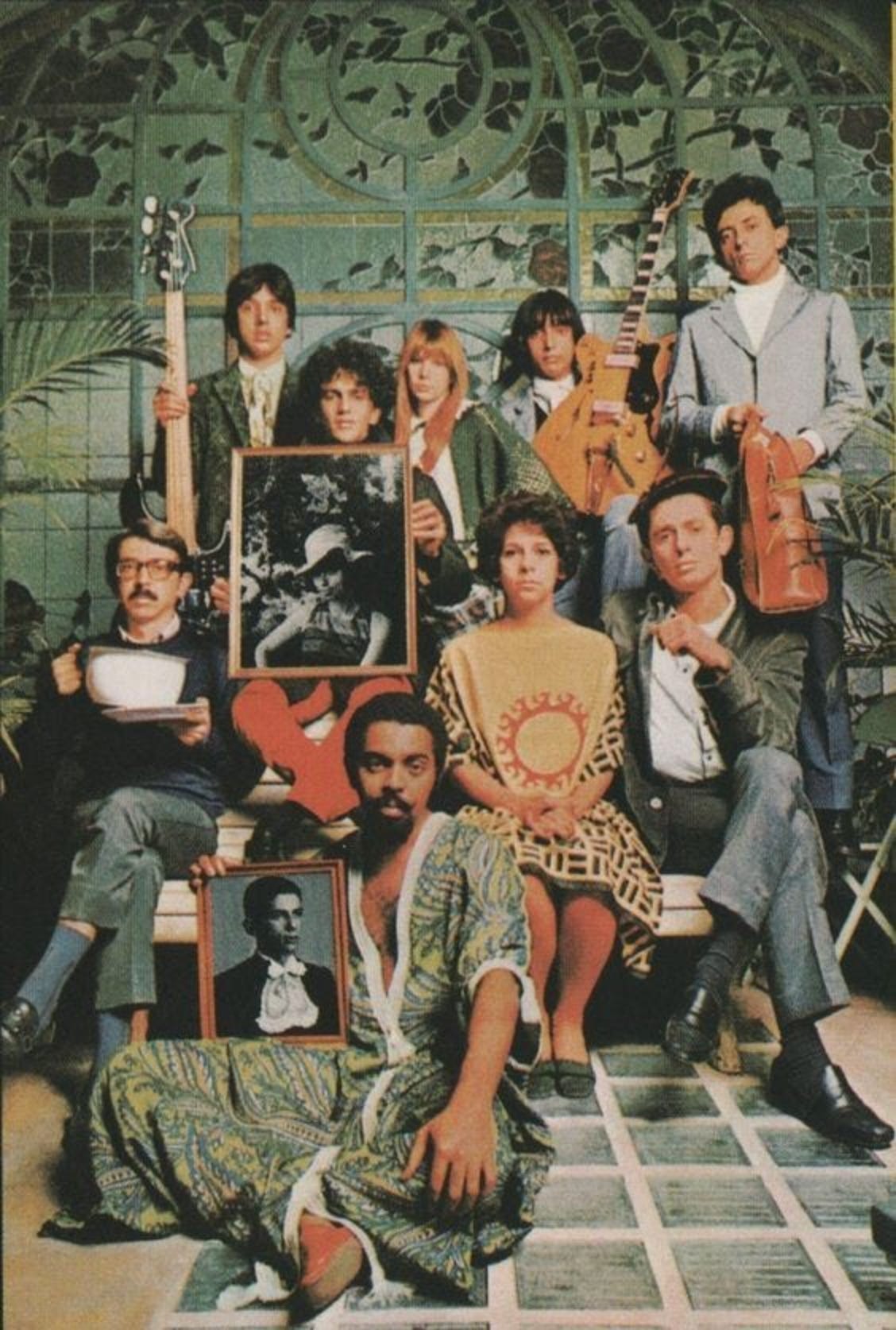
Brasil, 1928. A poet named Oswald de Andrade published something called the Manifesto Antropófago — the Cannibalist Manifesto — and dropped one of the strangest, sharpest lines in modernist literature: “Tupi or not Tupi, that is the question.” He’s eating Shakespeare and telling you he’s doing it. His whole argument was that Brasilian culture didn’t need to apologize for being shaped by outside influence, European painting, poetry, philosophy, all of it. Swallow it. Digest it. Let it come out the other side as something that could only have been made in Brasil. He was borrowing the word from the Tupi people’s own ritual cannibalism and turning it into a method: take what the world hands you, don’t just repeat it, transform it into your own blood. Decades later, Caetano Veloso, Gilberto Gil and Tom Zé read that manifesto and built Tropicália out of it. Samba eating rock and roll, bossa nova eating psychedelia, all of it still unmistakably Brasilian.
That’s not an isolated case. That’s just what contact does.
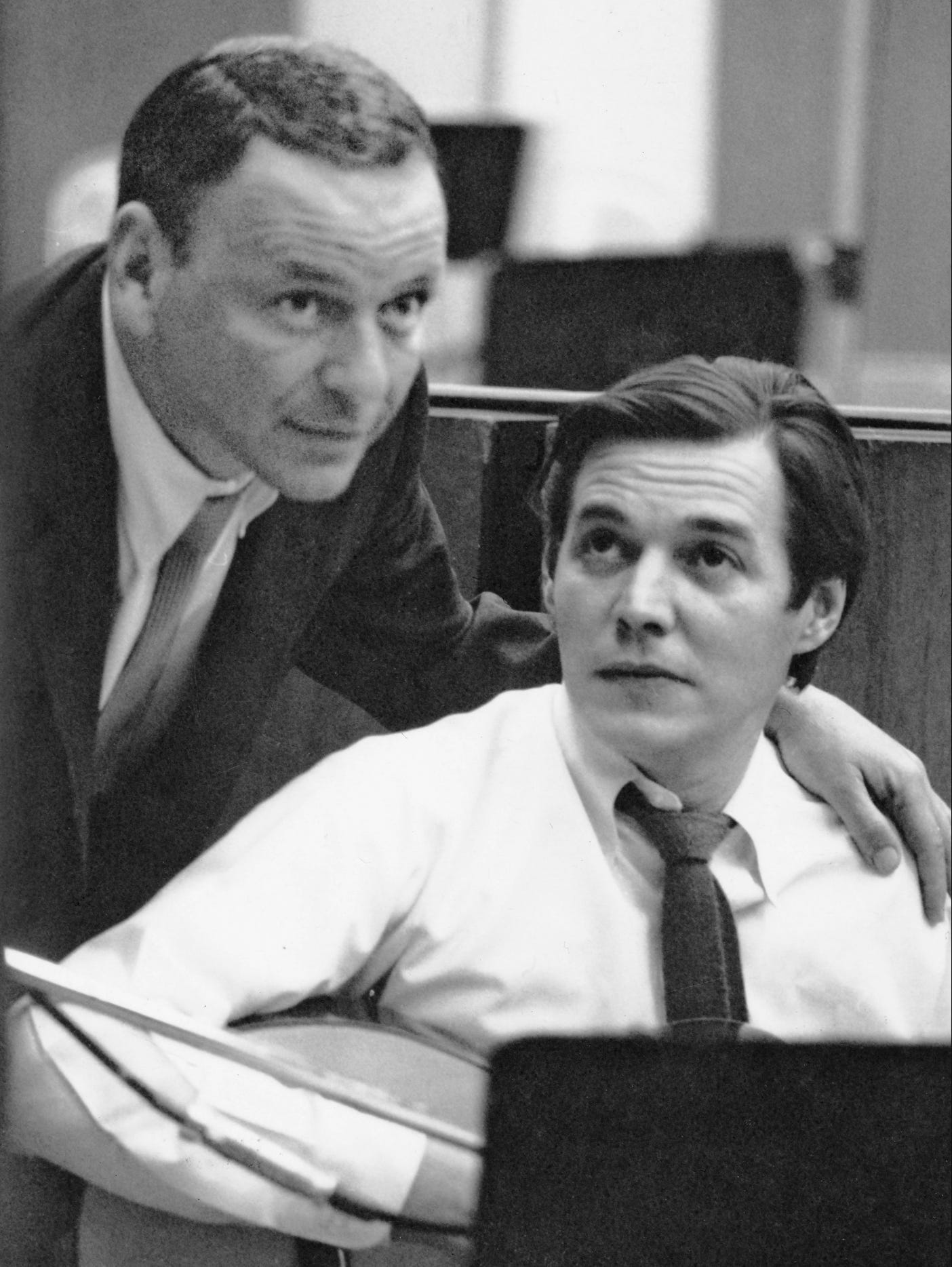
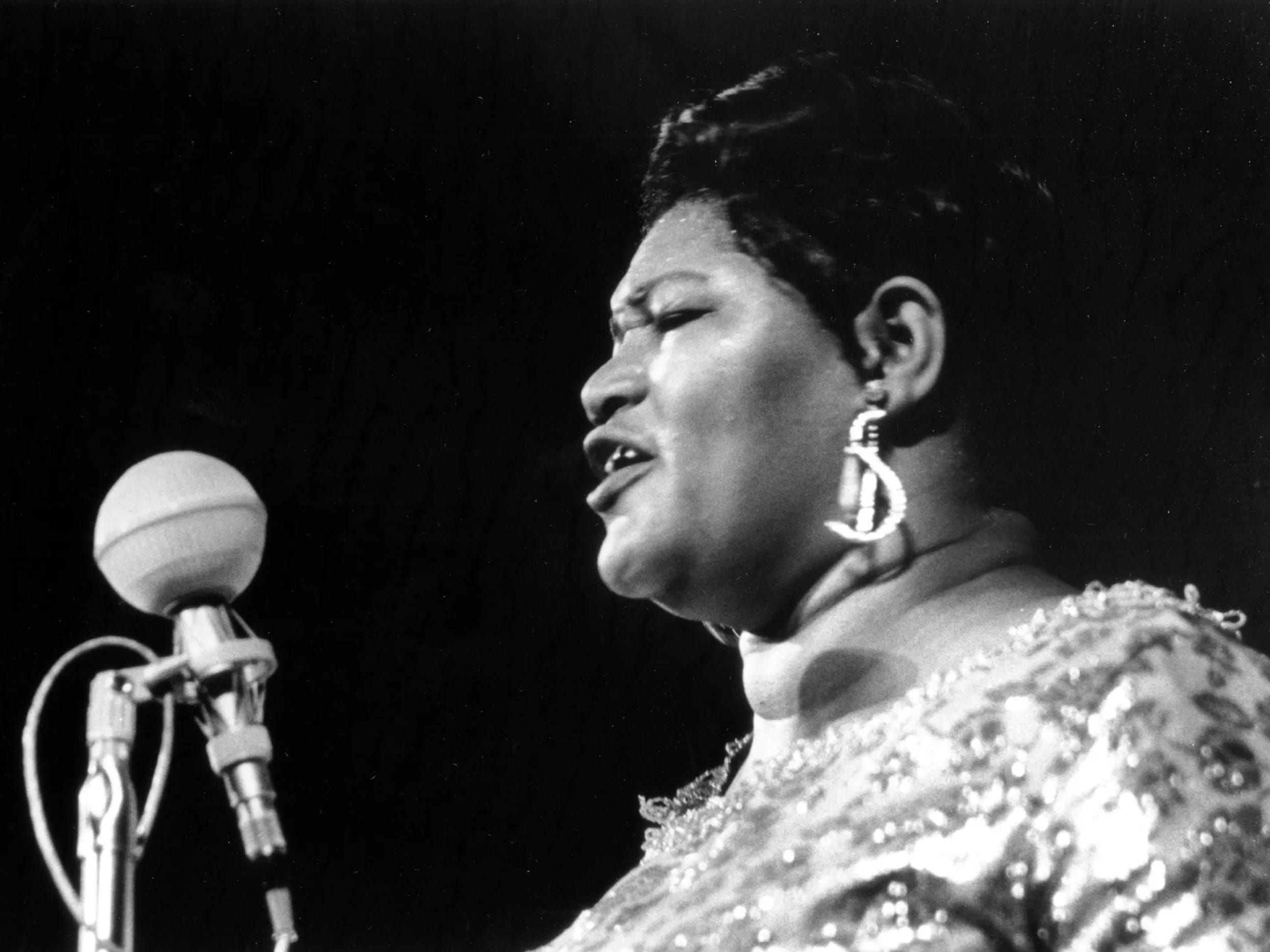
A Cuban scholar named Fernando Ortiz was watching the same phenomenon happen in Havana around the same era and gave it a name: transculturation. His point was that when two cultures meet, it’s never a clean handoff, one side just absorbing the other. Something gets lost, sure. But something new also gets made, a third thing that didn’t exist in either culture before the contact happened. Bossa nova is a version of this. American jazz musicians started showing up in Rio in the early ‘50s, and that contact helped produce a sound that fused jazz harmony onto samba rhythm. Then it traveled back across the water. Sinatra, Ella, Nina Simone, all cutting Brasilian songs. Decades after that, hip-hop producers went crate-digging specifically for those old bossa and Brasilian jazz records, because the harmonic complexity left room to chop and flip into something else entirely. Nobody in that chain “owns” the sound. Everybody in that chain kept it moving.
Which gets us closer to what “keeping” actually looks like in practice. It’s not a vault. It’s not a museum piece under glass, untouched, preserved exactly as it was the day someone found it. A culture that never touches another culture doesn’t stay pure, it just stops adapting. It’s the culture in constant contact, the diaspora, the border town, the port city, the neighborhood radio station, that tends to stay alive precisely because it keeps having to renew its own reasons for existing.
Now, none of this happens in a vacuum, and it isn’t always fair. Contact between cultures usually happens on uneven ground, one side with more power, more platforms, more ability to profit off what they didn’t build. That’s real, and it’s worth naming plainly: the difference between exchange and extraction usually comes down to credit and relationship, whether you’re apprenticing yourself to something or just lifting its surface. We’re not going to pretend that history away.
But here’s what struck us, going back through all of this: a culture keeper was never one person. It was never a title you claimed for yourself. It was the friend who brought a record back from a trip abroad and let the whole block dub it to cassette. It was the DJ who played one more deep cut than he needed to and told you, trust me on this one. It was the elder humming a hand-clapping game to a kid who’d hum it to another kid forty years and one border crossing later, a little changed, still recognizable. Every one of them received something and passed it forward slightly altered by their own hands. That’s the whole job. Not guarding the door.
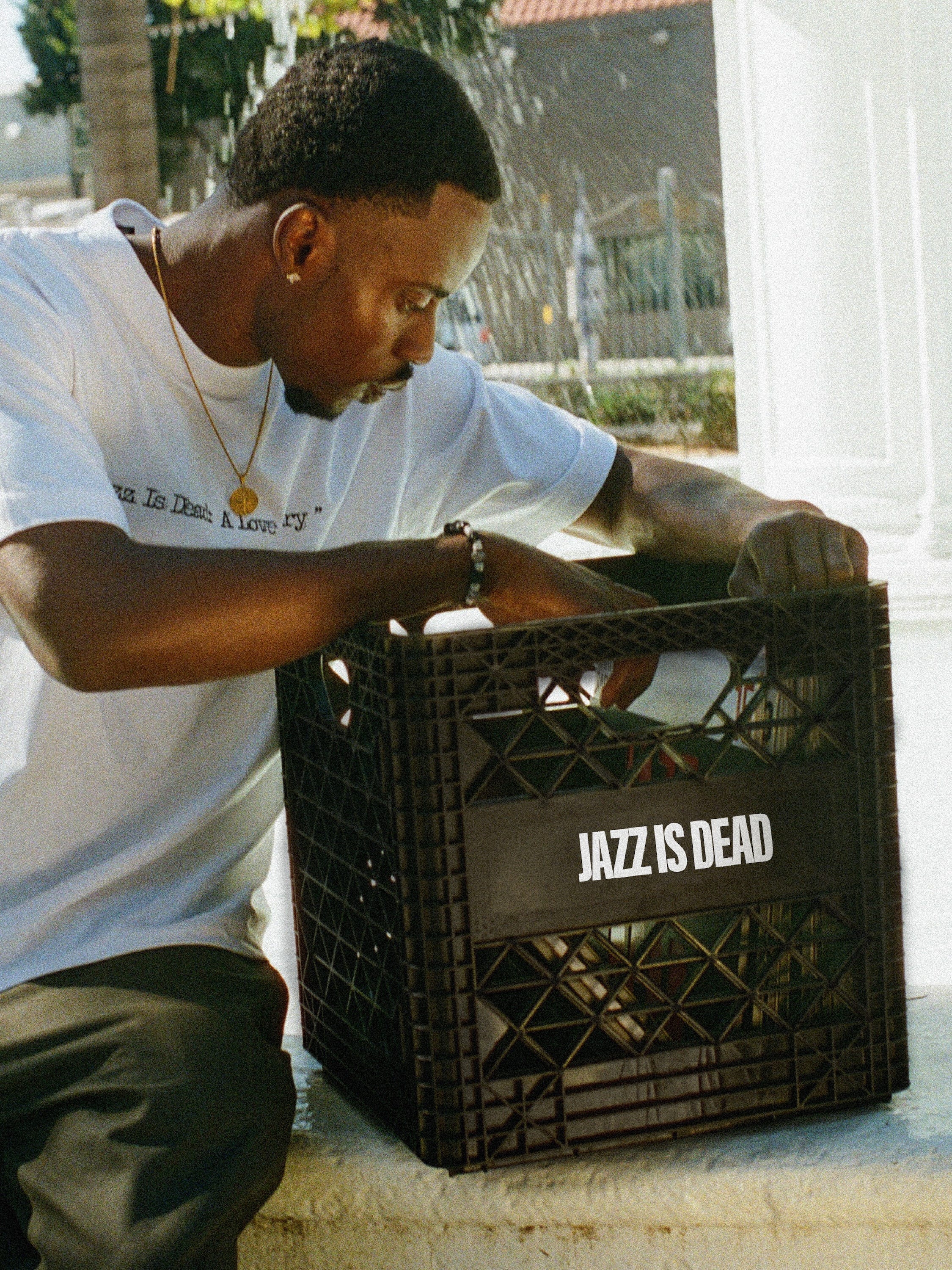
So yeah. “Culture Keepers” grew on us. Not as a title we’re claiming, but as a description of something we’re all already doing, every time we play a record for somebody who’s never heard it, every time we teach a rhythm or borrow one honestly. We put the phrase on the record crate and on the duffle bag, and maybe that’s the whole thing right there. A crate and a bag are built to carry something from one place to the next. Turns out that’s exactly where culture gets kept.
Thanks for reading! This post is public so feel free to share it.
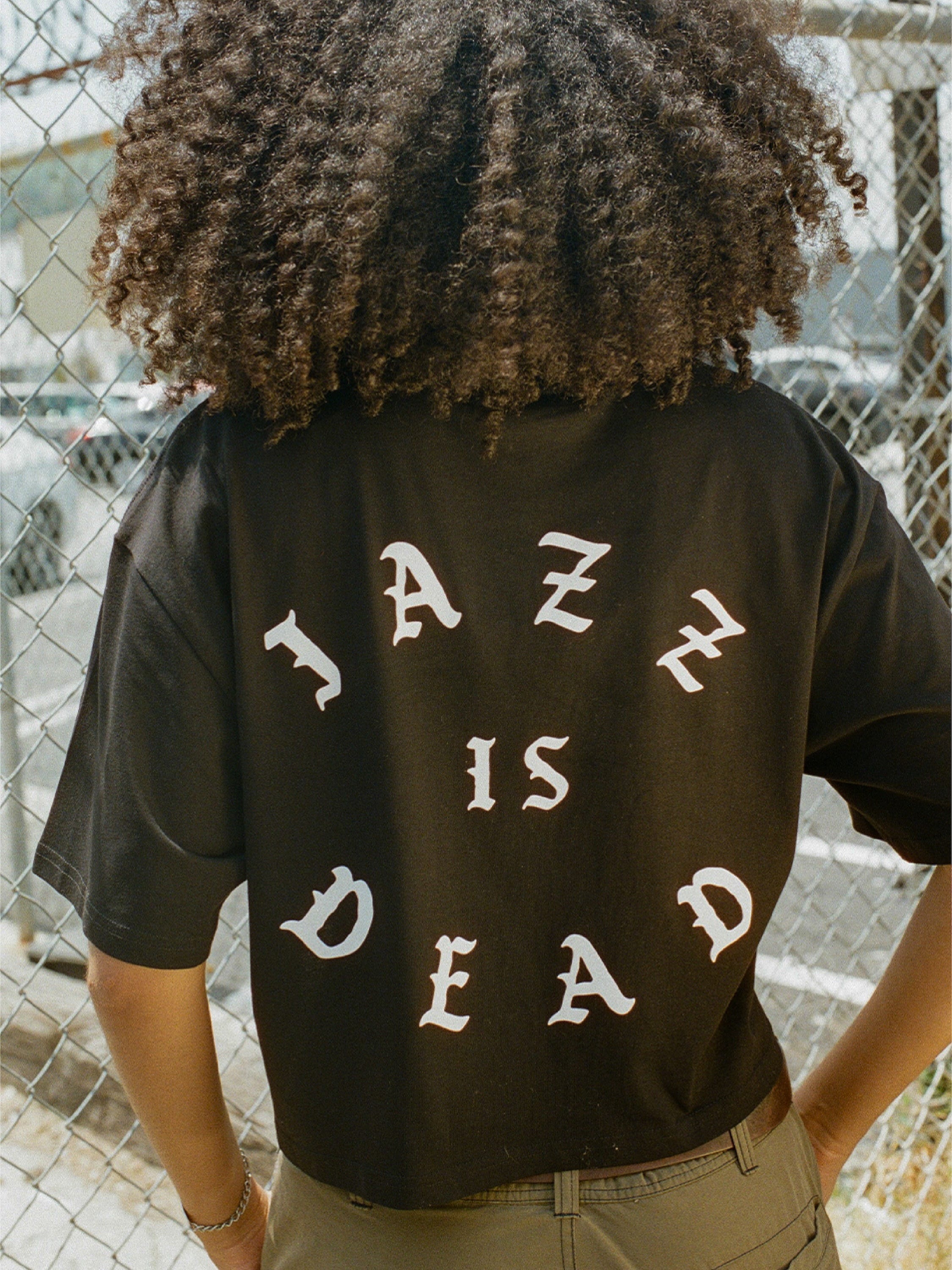
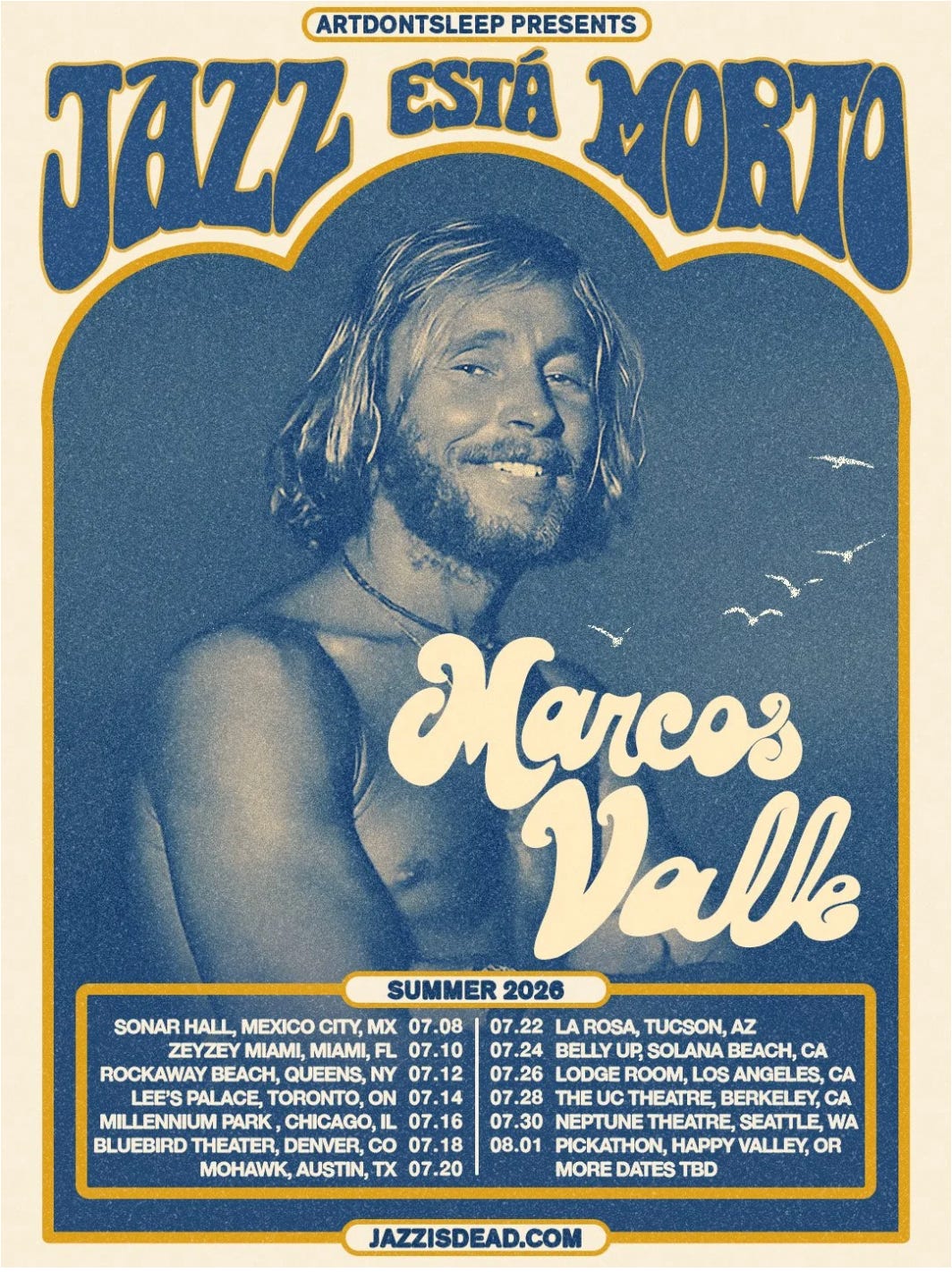
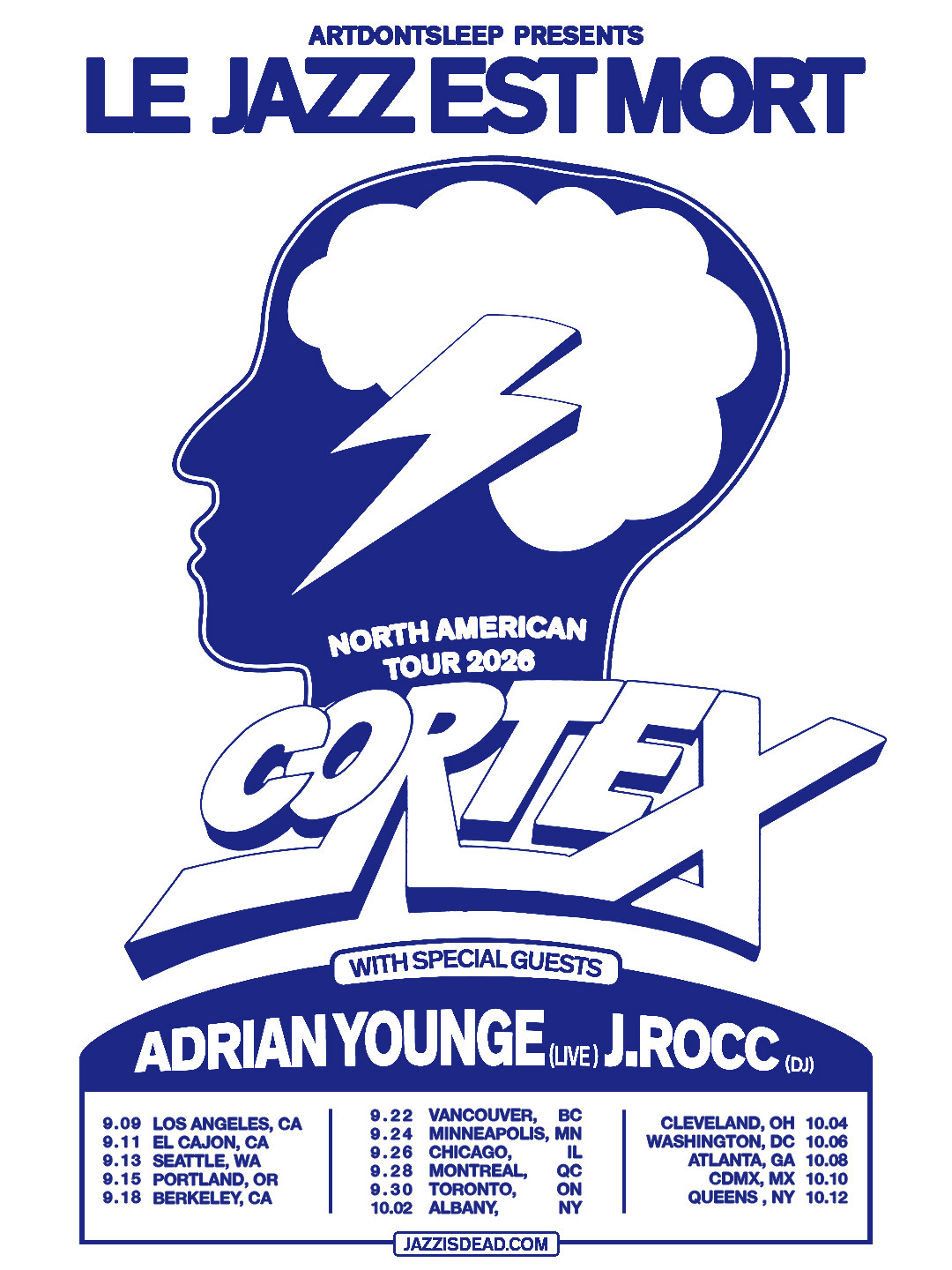
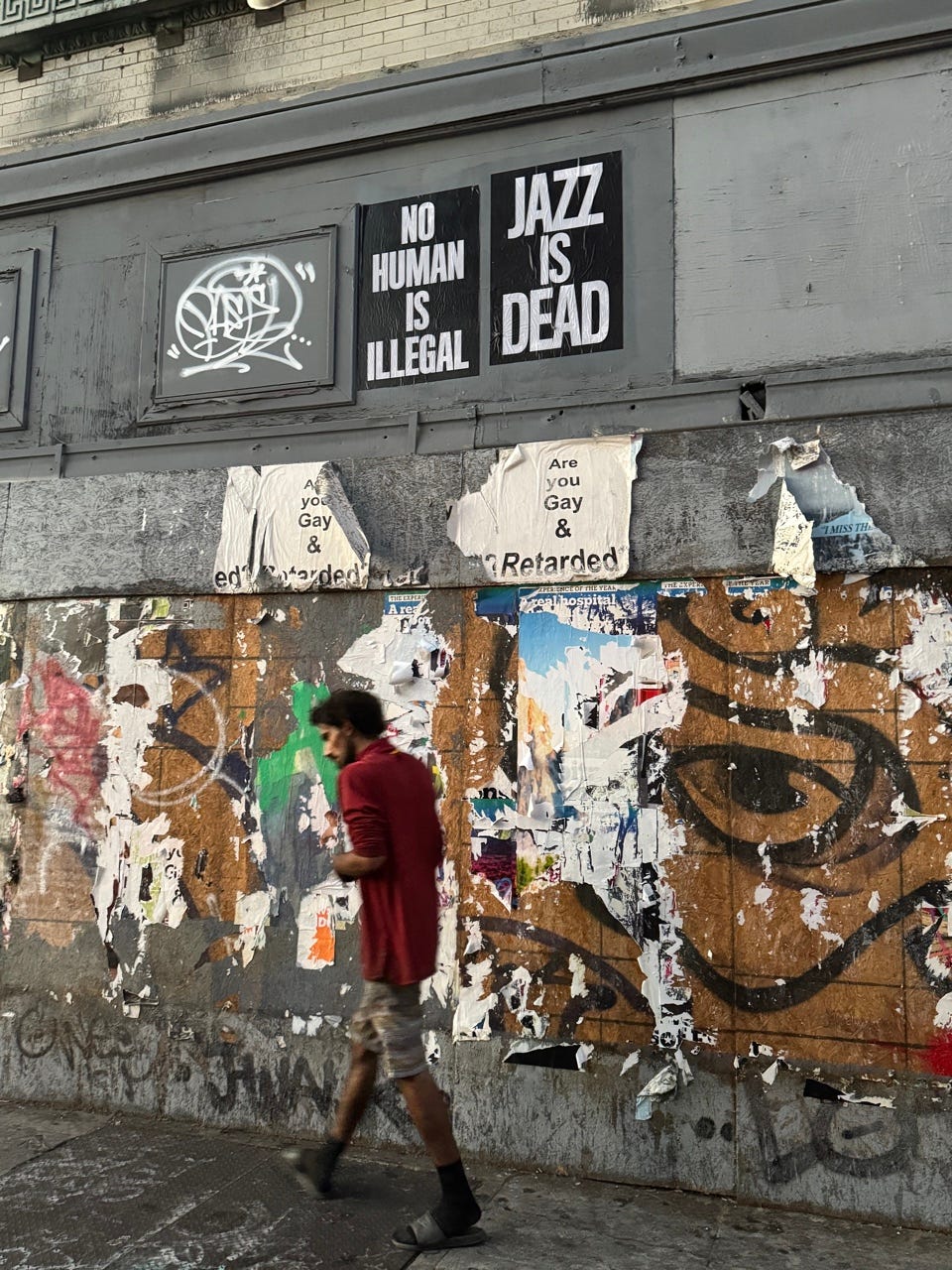
What started as a whisper passed from one person to the next. Not a eulogy, a statement. Everything in this line comes from that same idea: sound as a circle, freedom as discipline, culture as something you carry and hand off, not something you inherit and forget. This collection is for the ones doing the passing.
Full line out now. Link below.

No posts
Comments
Nothing yet. Say the first thing.
Sign in to join the conversation.